








Resources
Guides, comparisons and standards for pharmaceutical isolation, VHP sterilization and cleanroom containment — written and reviewed by the Fenggu engineering team.
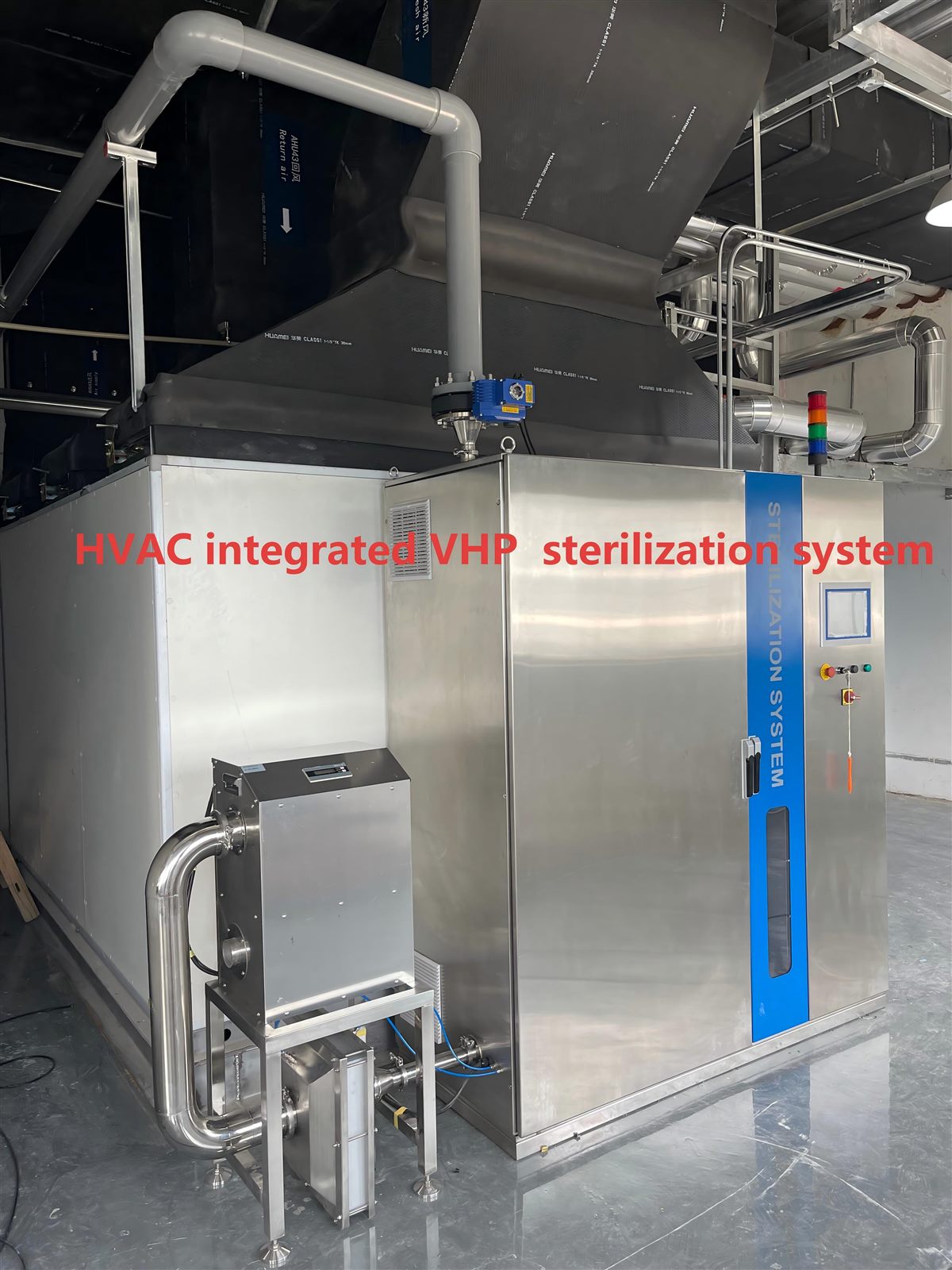
HVAC-Integrated VHP Sterilization System — CSPC Megalith Biopharmaceutical
How Fenggu engineered a VHP sterilization system directly into the HVAC of a Qinhuangdao mRNA vaccine facility, replacing multiple mobile units with one centralized, automated system serving three sterile areas.
Read the Case Study →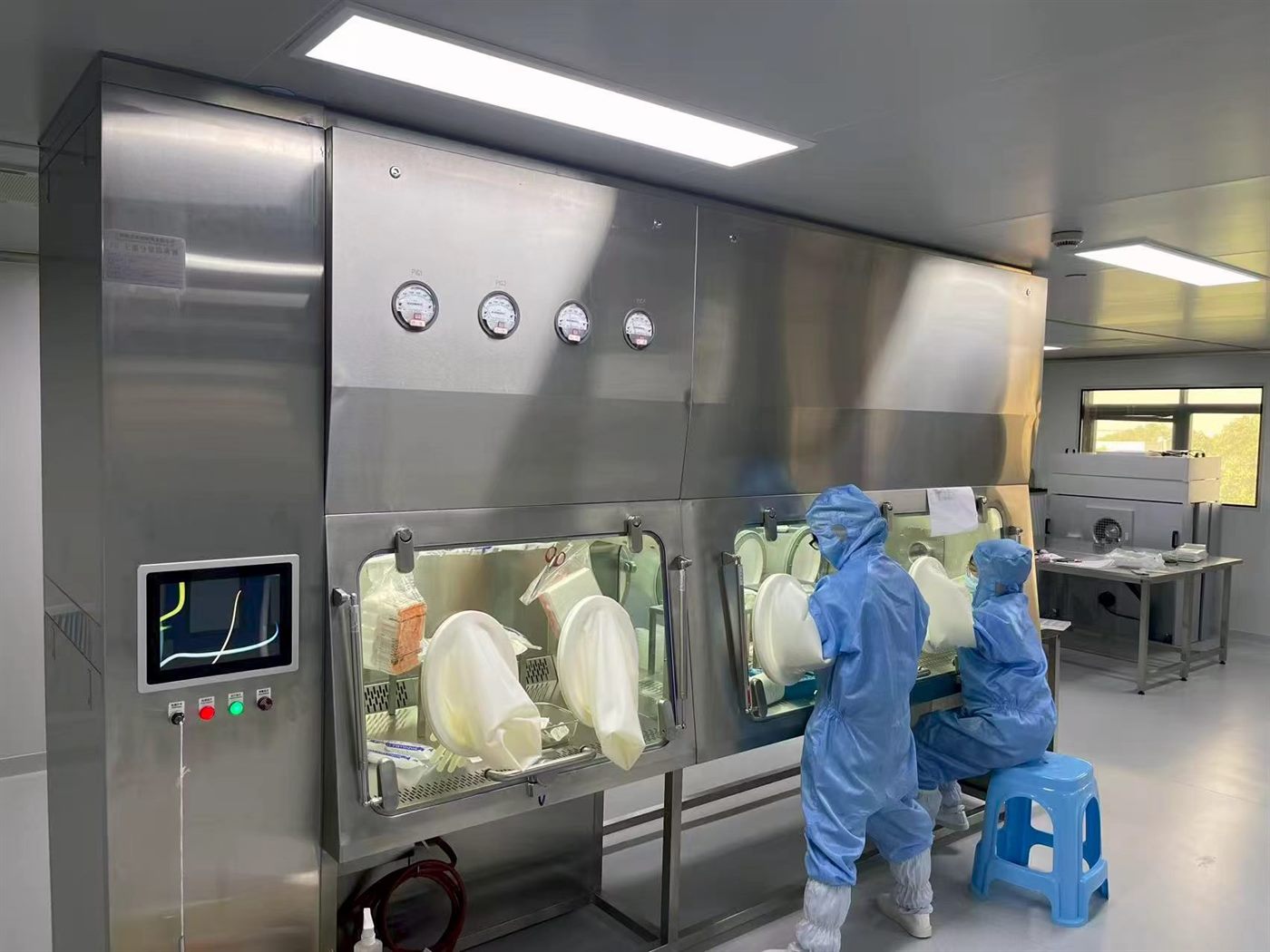
Isolator Glove Integrity Testing: Visual Checks, Pressure Decay and Change Intervals
An isolator is a rigid, welded, leak-tested enclosure — except at the glove ports. Gloves and sleeves are thin…
Read more →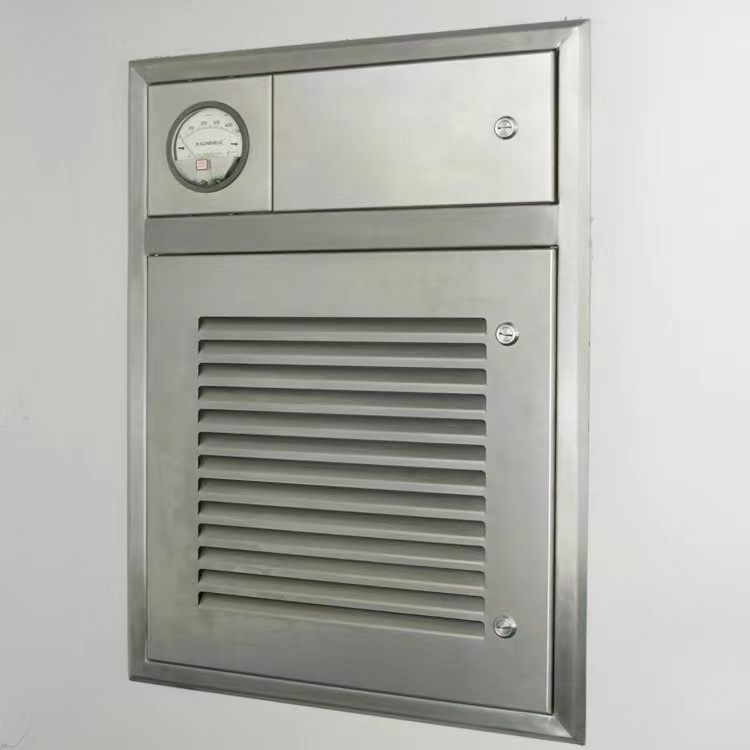
HEPA Filter In-Situ Leak Testing: How Exhaust Filters Are Scan-Tested and Decontaminated in Place
A HEPA filter that passed its factory test can still leak once it is installed: a damaged gasket, a frame that…
Read more →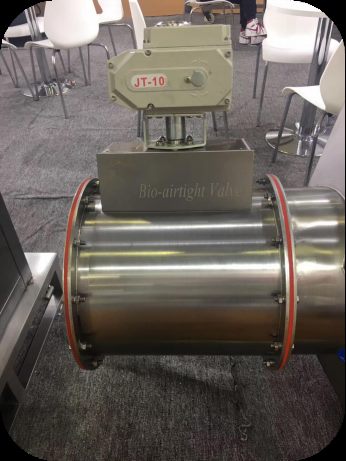
Biosafety Isolation Dampers: How Bubble-Tight Dampers Seal BSL-3 Ductwork
A high-containment room is only as tight as the ducts connected to it. When a BSL-3 laboratory is decontaminat…
Read more →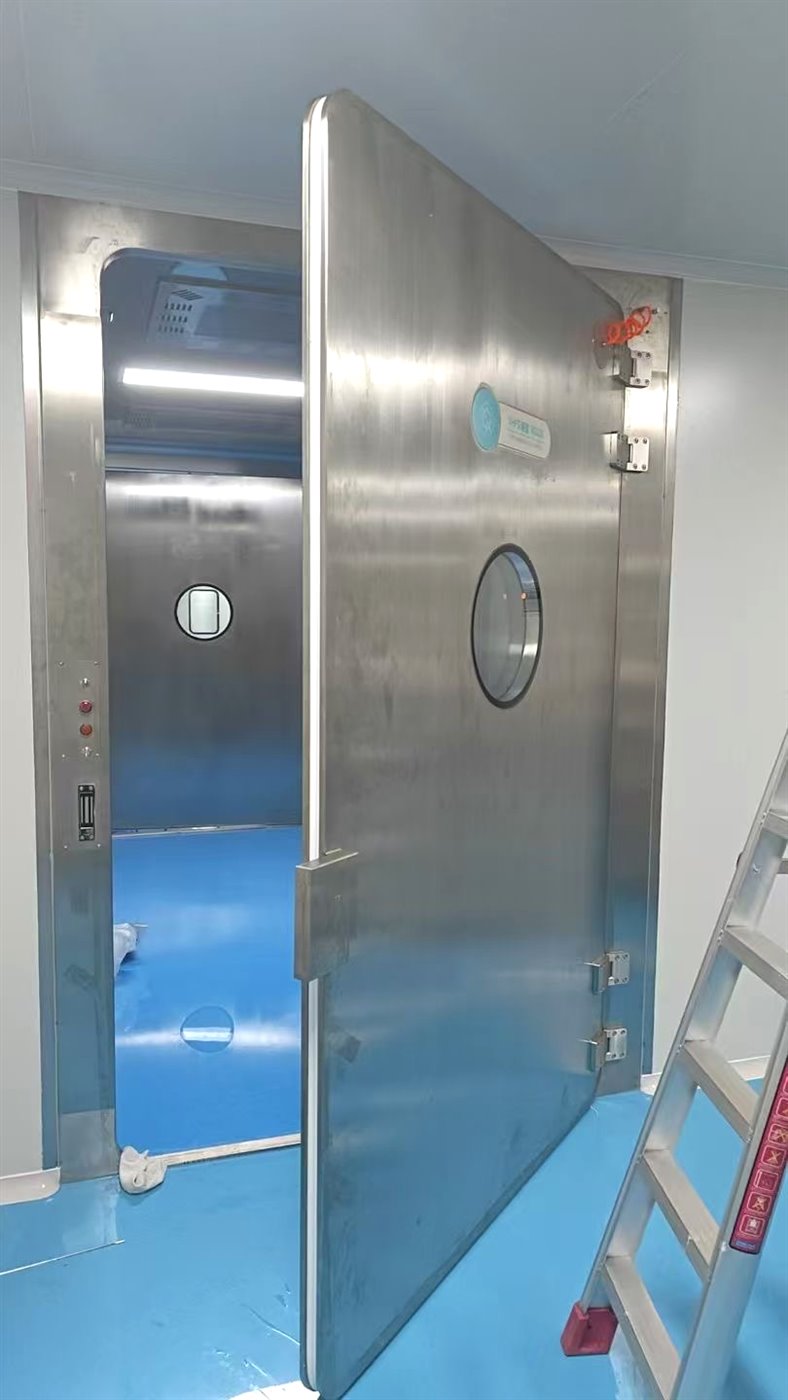
Cleanroom Airlock Design: Cascade, Bubble and Sink Airlocks Explained
An airlock is the small room that makes a cleanroom work. It decides which way air moves when a door opens, an…
Read more →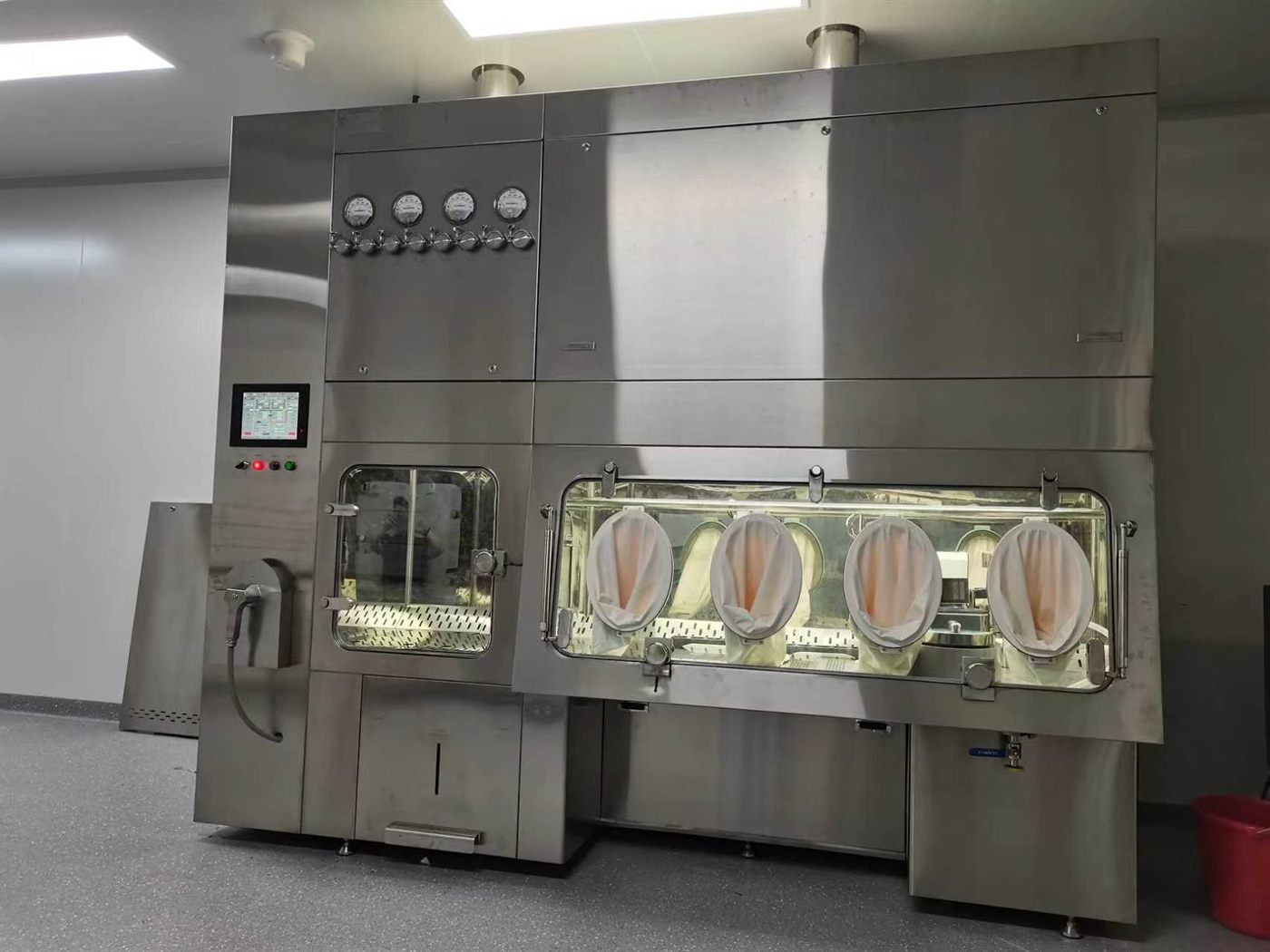
Isolator Leak Testing: Pressure Decay Method and ISO 10648-2 Classes
An isolator is only as good as its enclosure. Whether it protects a sterile product (positive pressure) or pro…
Read more →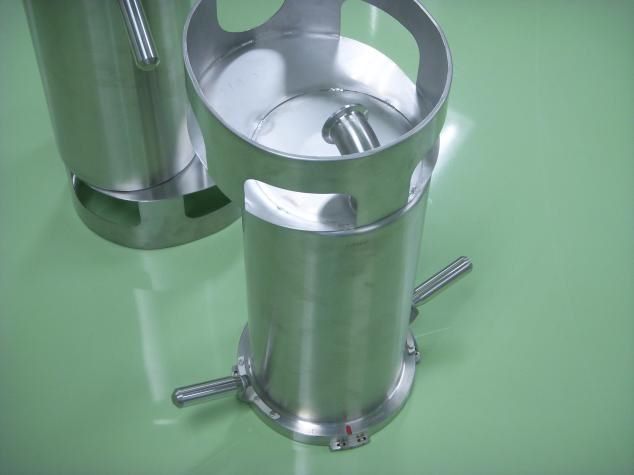
What Is a Rapid Transfer Port (RTP)? Alpha/Beta Docking Explained
A Rapid Transfer Port (RTP) answers a specific problem in isolator and RABS workflows: material has already be…
Read more →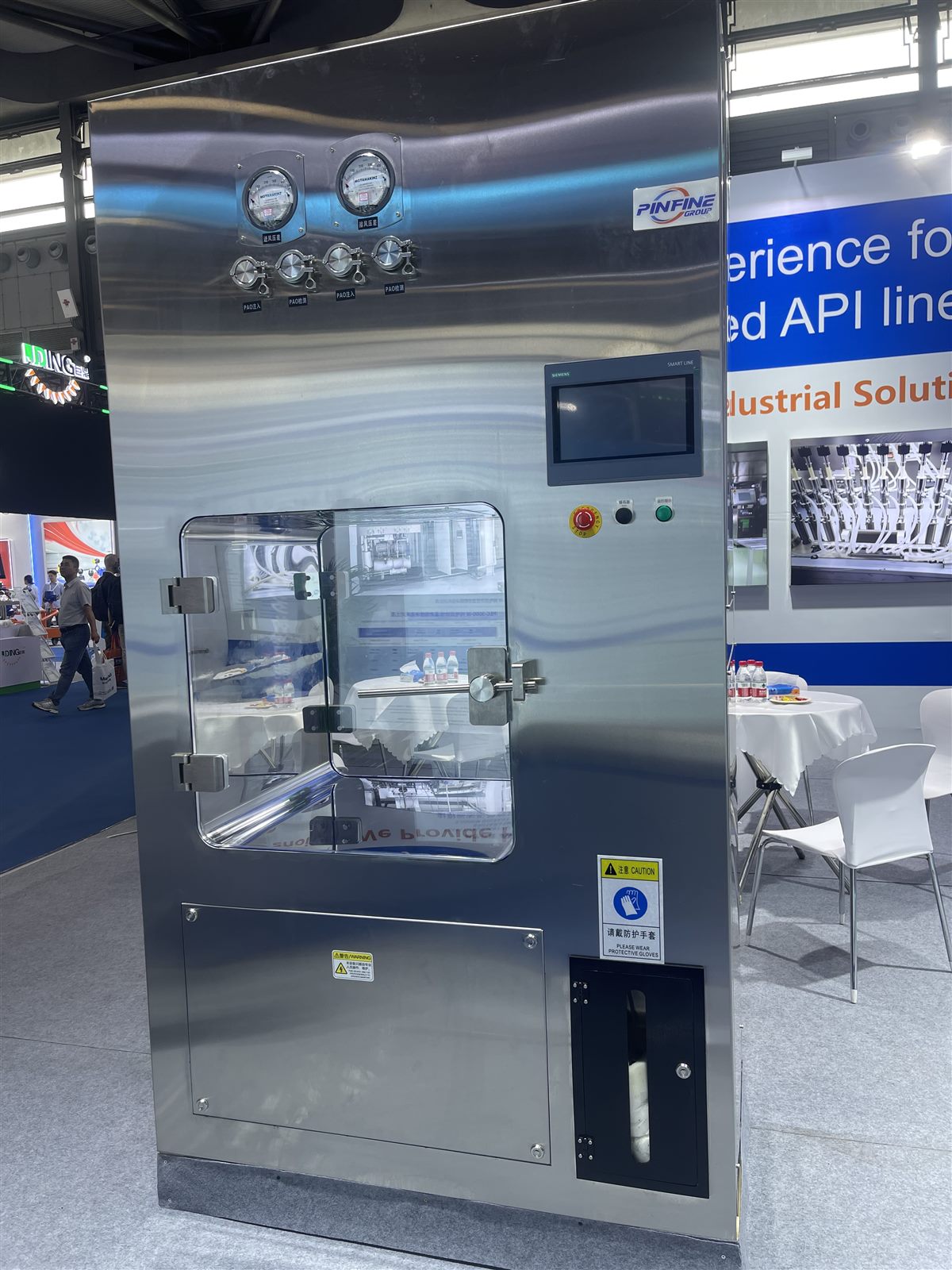
VHP Pass Box: How It Works, Single vs Double-Door, and How to Choose
A VHP pass box (also called a sterile transfer hatch, VHP transfer chamber, or vaporized hydrogen peroxide pas…
Read more →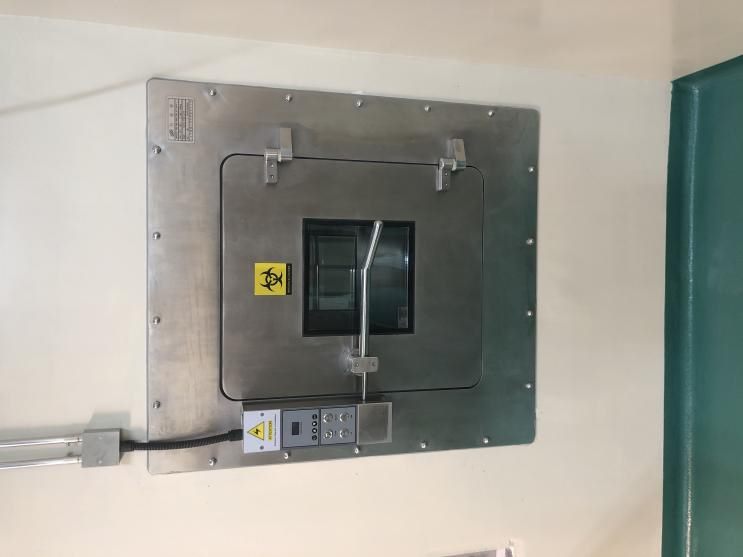
Biosafety Airtight Pass Box: Mechanically Sealed Transfer for BSL-2/3 & ABSL-3/4 Labs
Material transfer in a high-containment lab faces a different problem than aseptic pharma transfer — ste…
Read more →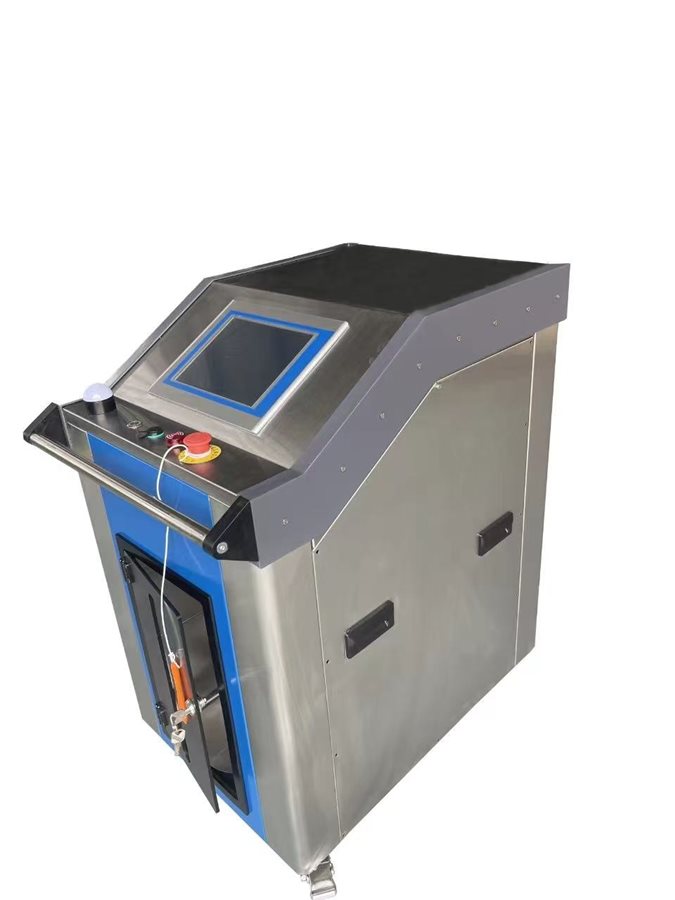
Biosafety Cabinet VHP Decontamination: Replacing Formaldehyde Fumigation
Before a filter change, repair, relocation or agent change, a biosafety cabinet has to be fully decontaminated…
Read more →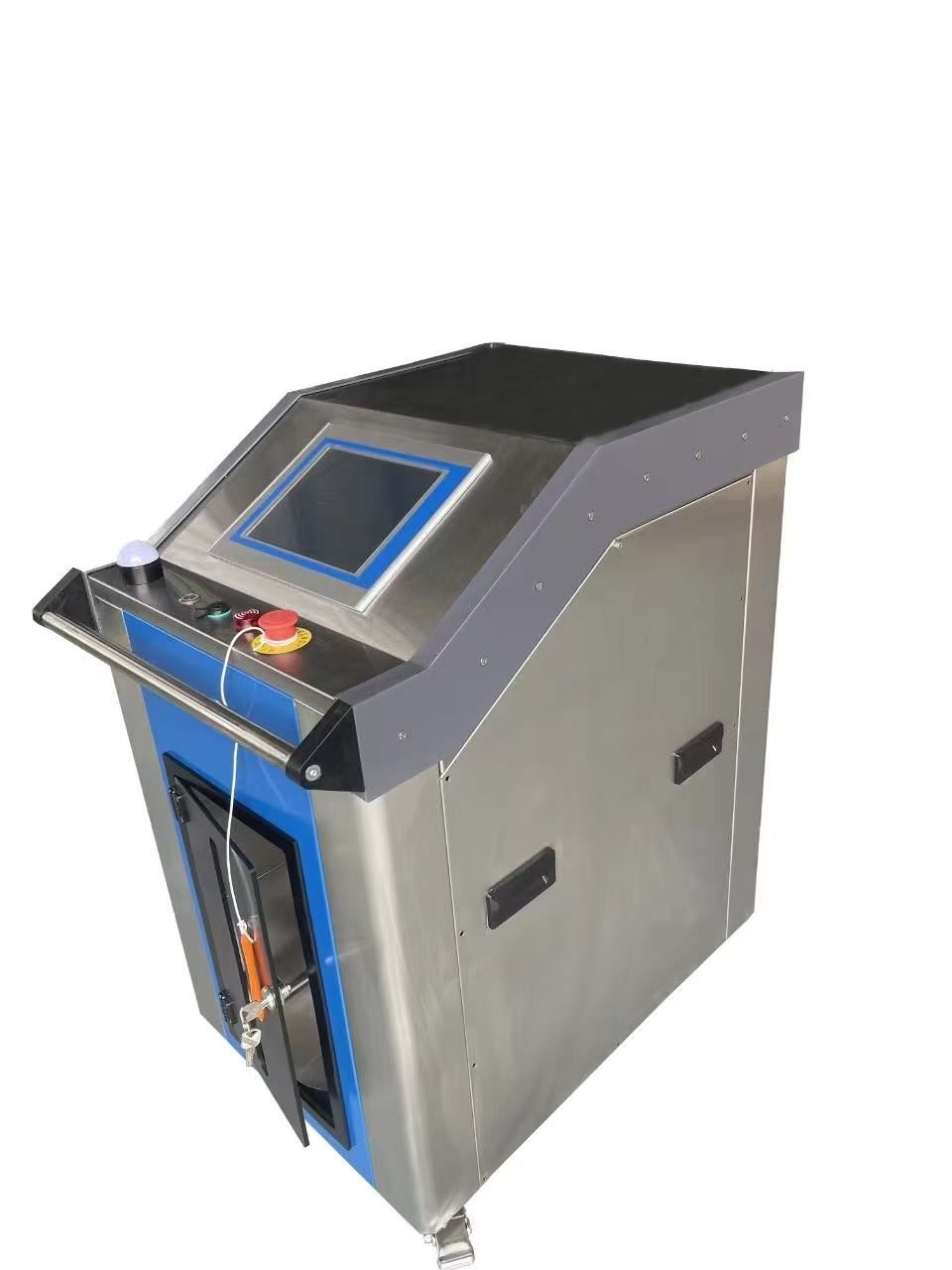
Freeze Dryer VHP Sterilization: Why It’s Hard, Condensation Control, and Cycle Development
A freeze dryer (lyophilizer) is one of the hardest pieces of equipment on an aseptic filling line to VHP-steri…
Read more →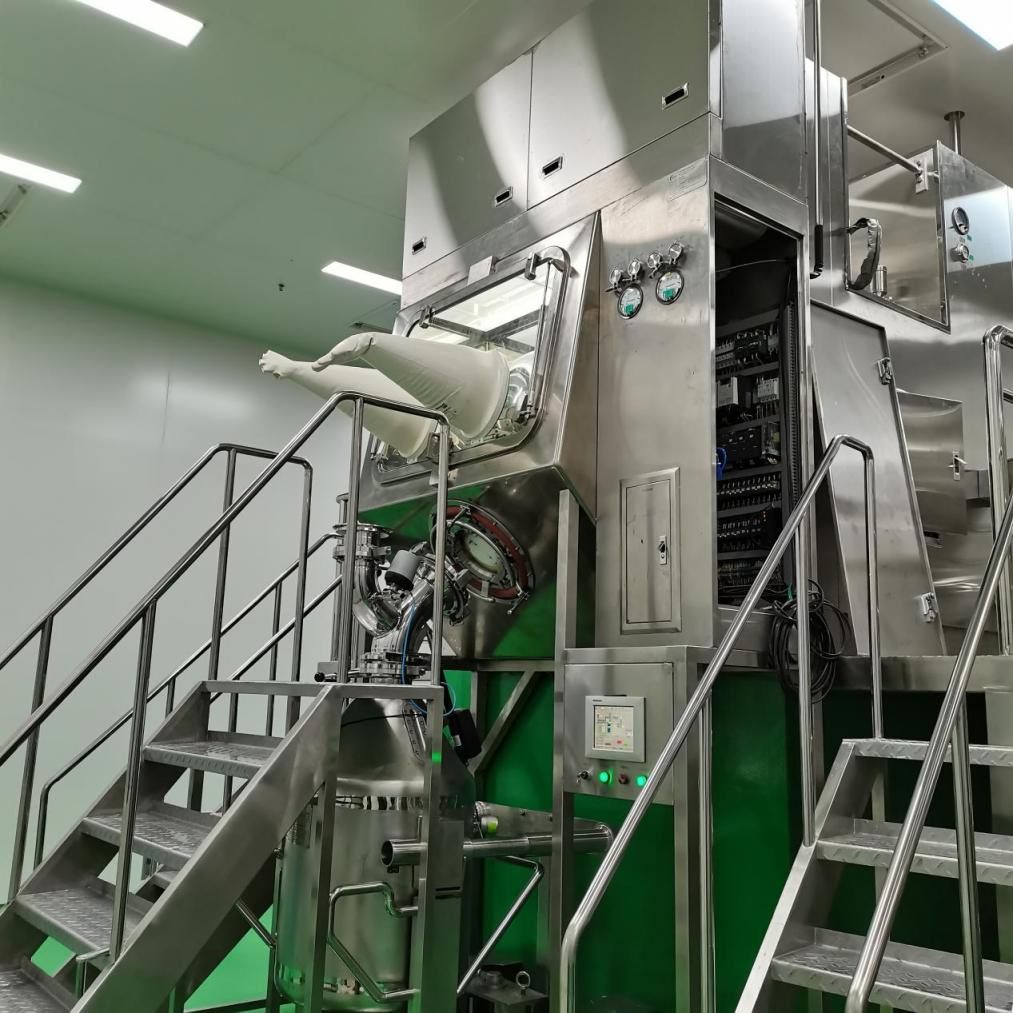
Explosion-Proof Charging Isolators: Safe Charging of Combustible Potent Powders
Charging a reactor, granulator or mixer with potent powder carries two stacked risks: the toxicity of the mate…
Read more →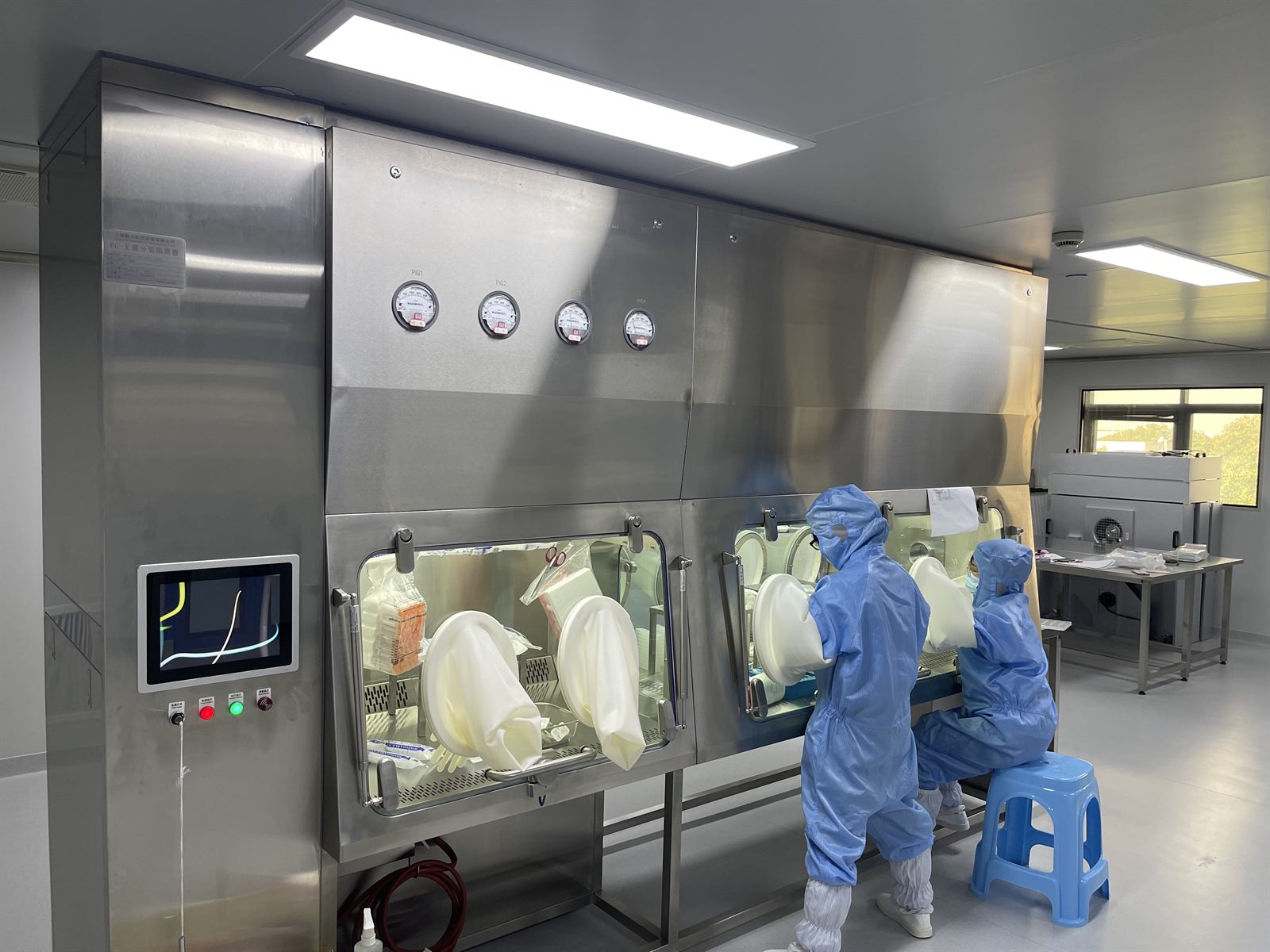
Aseptic Filling Isolators: A Grade A Barrier for Vials & Pre-Filled Syringes
Aseptic filling is the highest-risk step in the whole production chain — the moment the drug solution is…
Read more →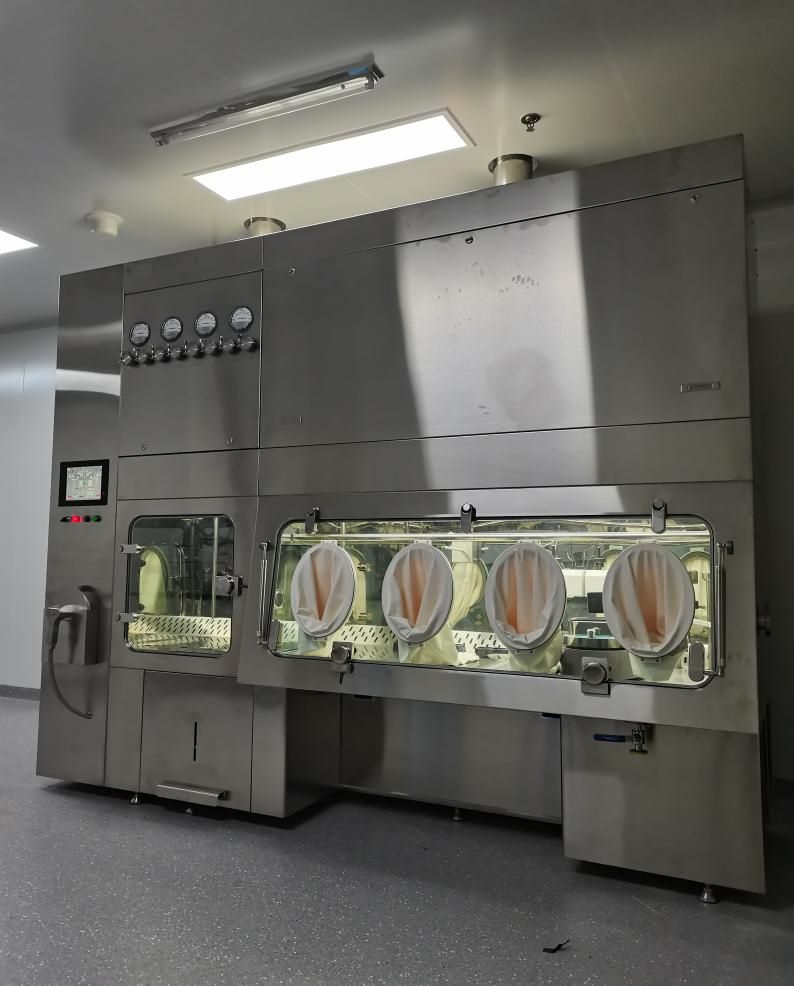
Sterility Test Isolators: Eliminating False Positives for Compendial Sterility Testing
Sterility testing has one dreaded failure mode: the false positive. Was the microorganism you recovered from t…
Read more →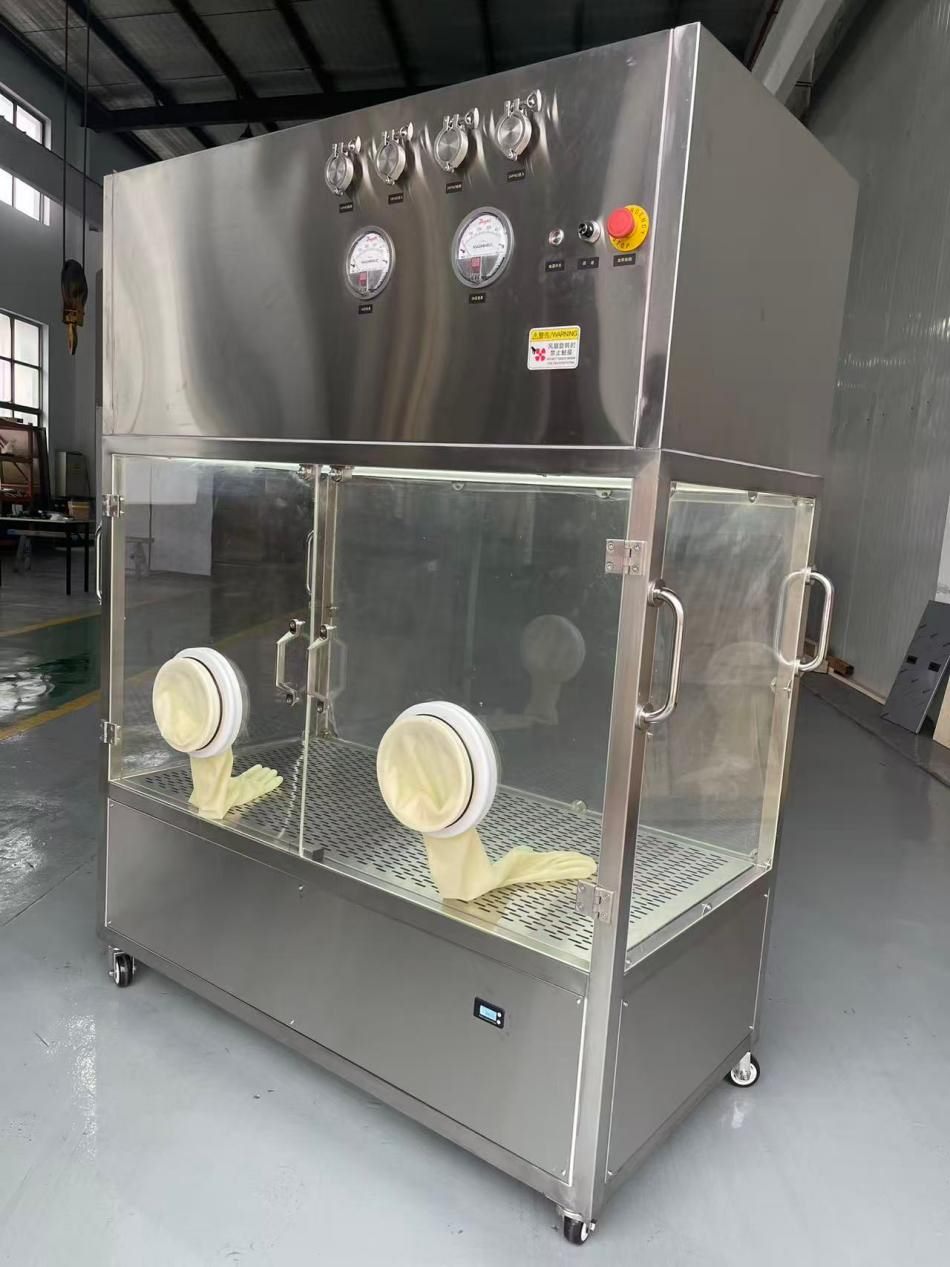
Mobile Laminar Flow Trolleys & Grade A Hoods: Local Protection for Aseptic Transfer & Open Handling
The moment a sterile product leaves the isolator or the cleanroom core, it is most at risk during exposed tran…
Read more →Garment & Hood Sterilization Chambers: VHP Decontamination for Positive-Pressure Suits & Hoods
In BSL-3/4 labs and sterile or containment operations, staff wear positive-pressure hoods, powered air suits a…
Read more →VHP Sterilization & Validation Services: What They Are, When to Use One, and How to Choose
When you only need an occasional or periodic validated decontamination of a room or piece of equipment —…
Read more →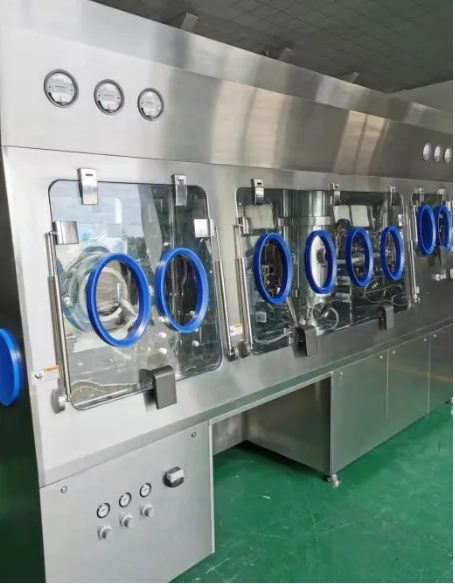
OEB4 / OEB5 High-Potency Containment Isolators: Negative-Pressure Isolator Selection & Applications
When you handle highly potent, highly toxic APIs (HPAPI), a trace of escaping dust can harm the operator. A hi…
Read more →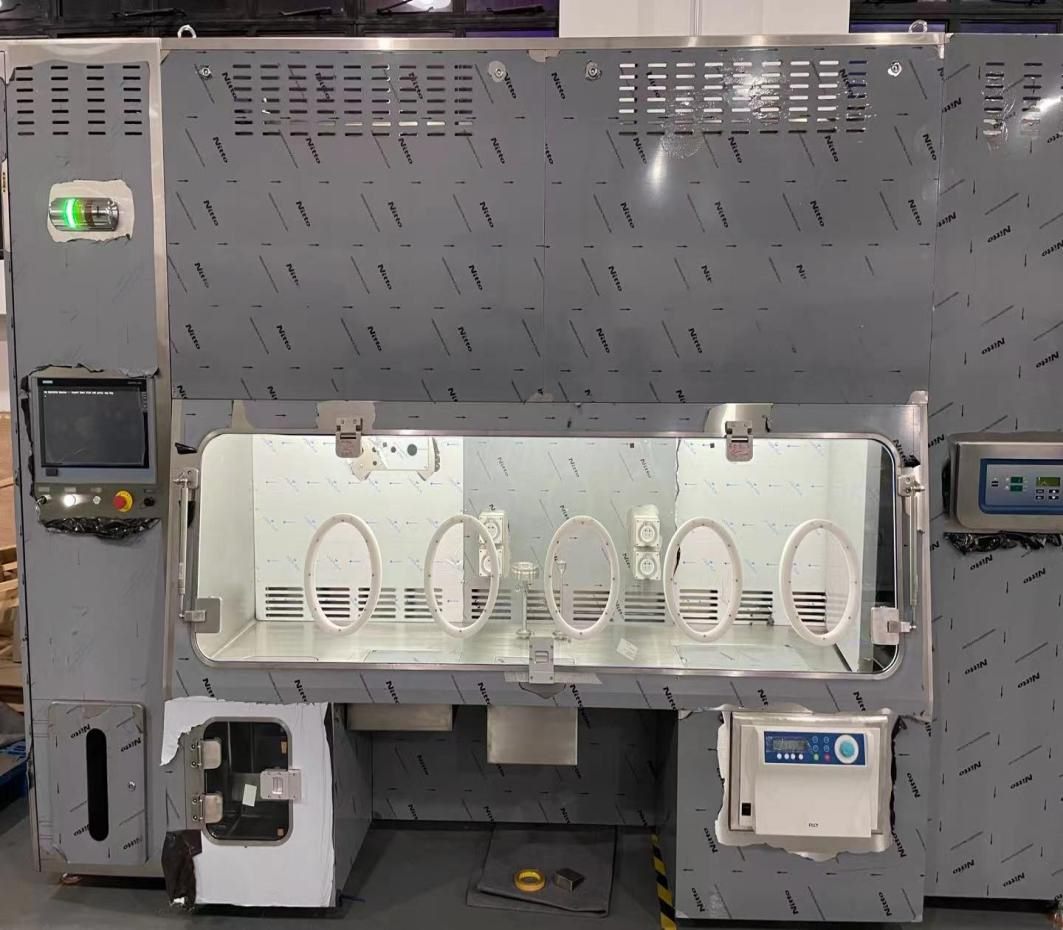
Cell Therapy Isolators: Aseptic Isolation for Cell Culture, Processing & Manufacturing
Cell and gene therapy (CGT) products are living cells — they cannot be terminally sterilized. The produc…
Read more →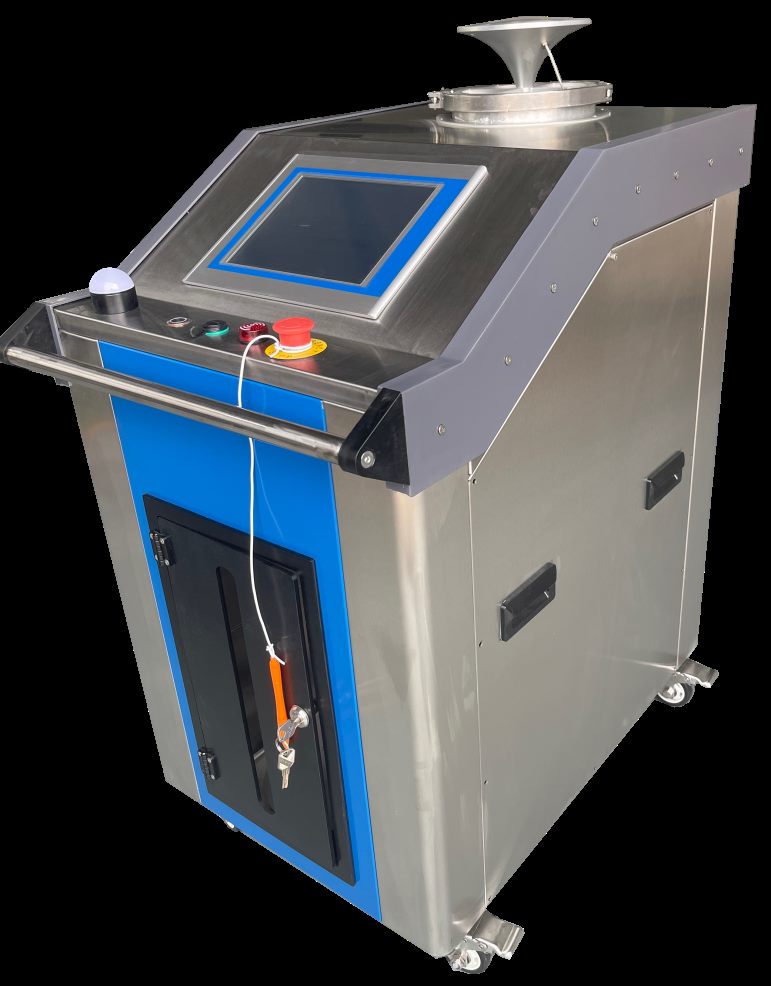
What Equipment and Spaces Need VHP Sterilization? Freeze Dryers, Biosafety Cabinets, BIBO Housings & Sterile Rooms
Vaporized hydrogen peroxide (VHP) sterilization is used across pharma and biotech because it is low-temperatur…
Read more →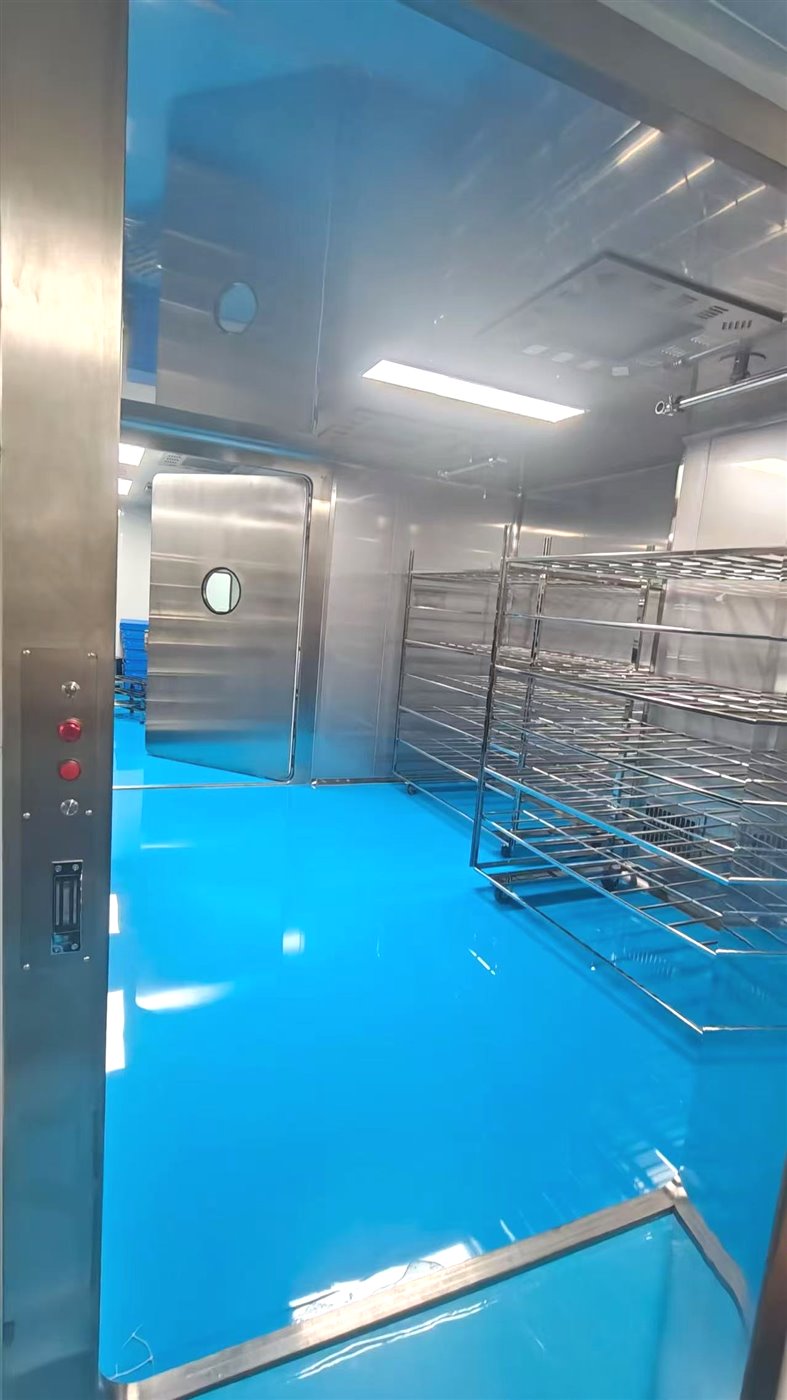
Biosafety Airtight Doors for BSL-3 / BSL-4 Containment
In a high-containment lab, the door is part of the containment barrier. A biosafety airtight door — a ga…
Read more →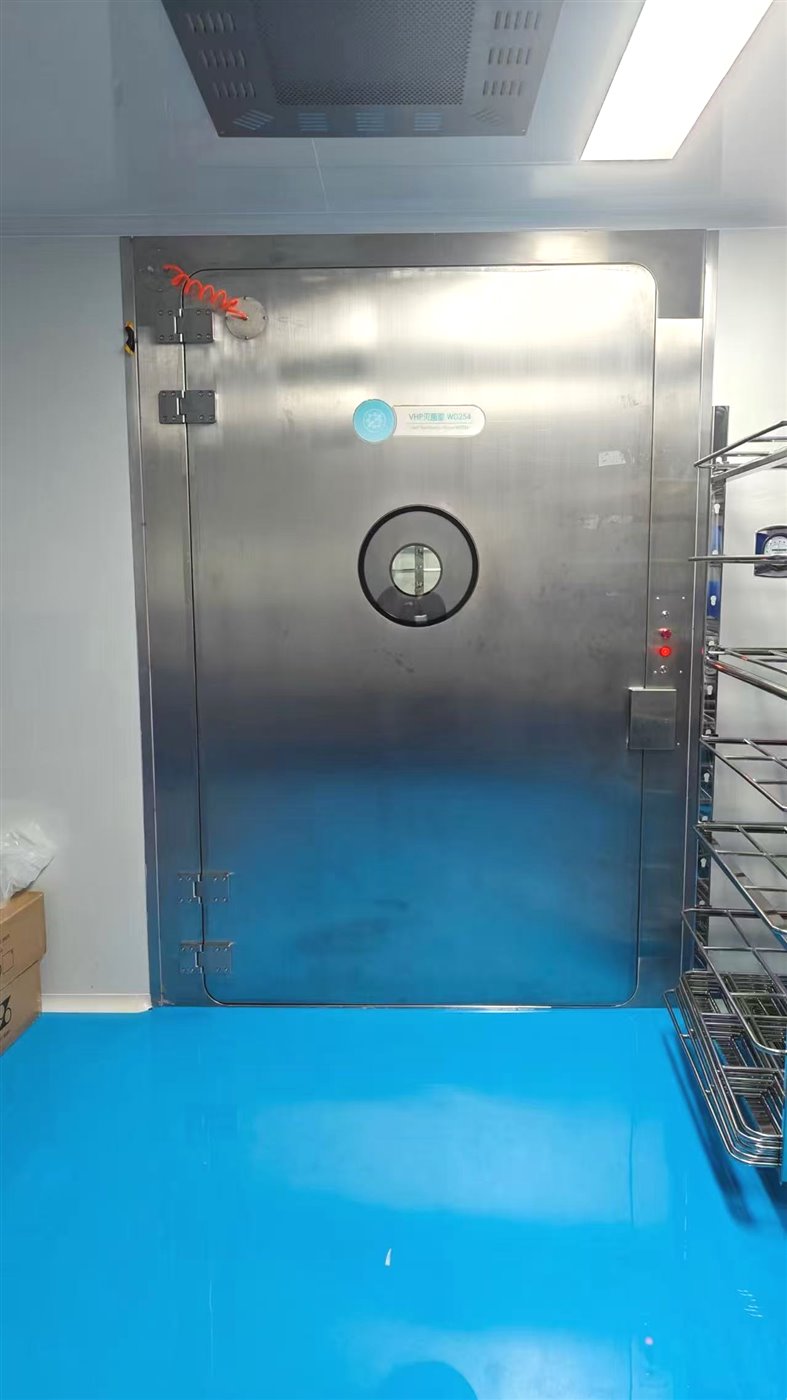
Airtight (Gastight) Doors for VHP Sterilization & Ozone Decontamination Rooms
When a whole room is decontaminated with a gas — VHP (vaporized hydrogen peroxide) or ozone (O₃) &…
Read more →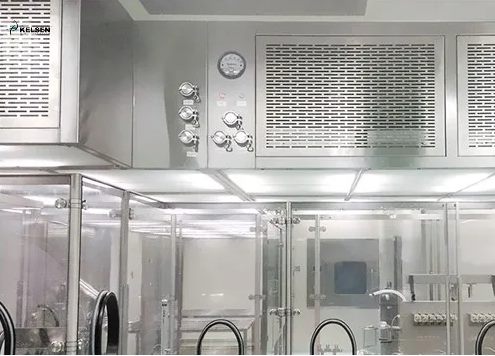
Laminar Air Flow (LAF) Units: Vertical vs Horizontal, Hood & Mobile
A laminar air flow (LAF) unit — also called a laminar flow hood, LAF cabinet or unidirectional airflow u…
Read more →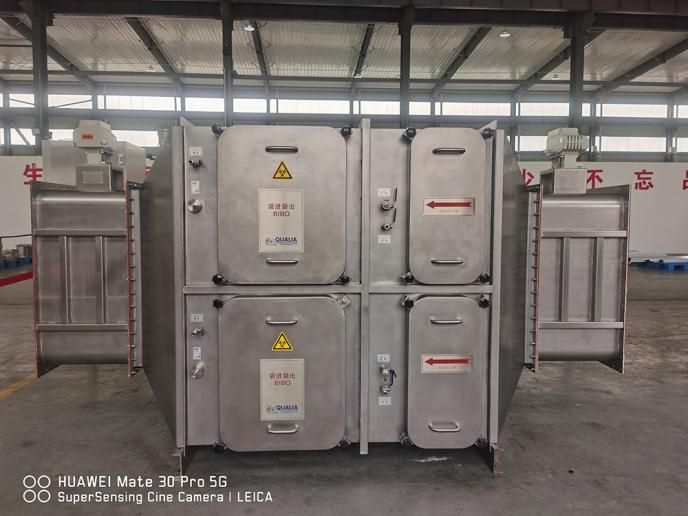
BIBO Filter Housing: Bag-In/Bag-Out HEPA Safe-Change Explained
A BIBO filter housing — bag-in/bag-out housing, or safe-change HEPA housing — lets a technician re…
Read more →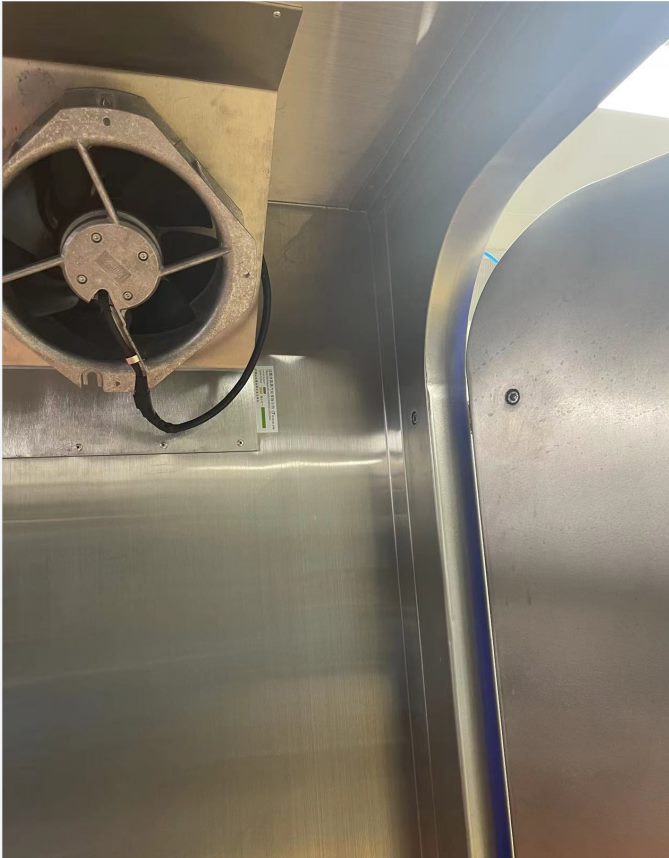
VHP Cycle Parameters: Concentration, Humidity, Saturation & Condensation
Whether a VHP (vaporized hydrogen peroxide) cycle actually works — and whether it corrodes your equipmen…
Read more →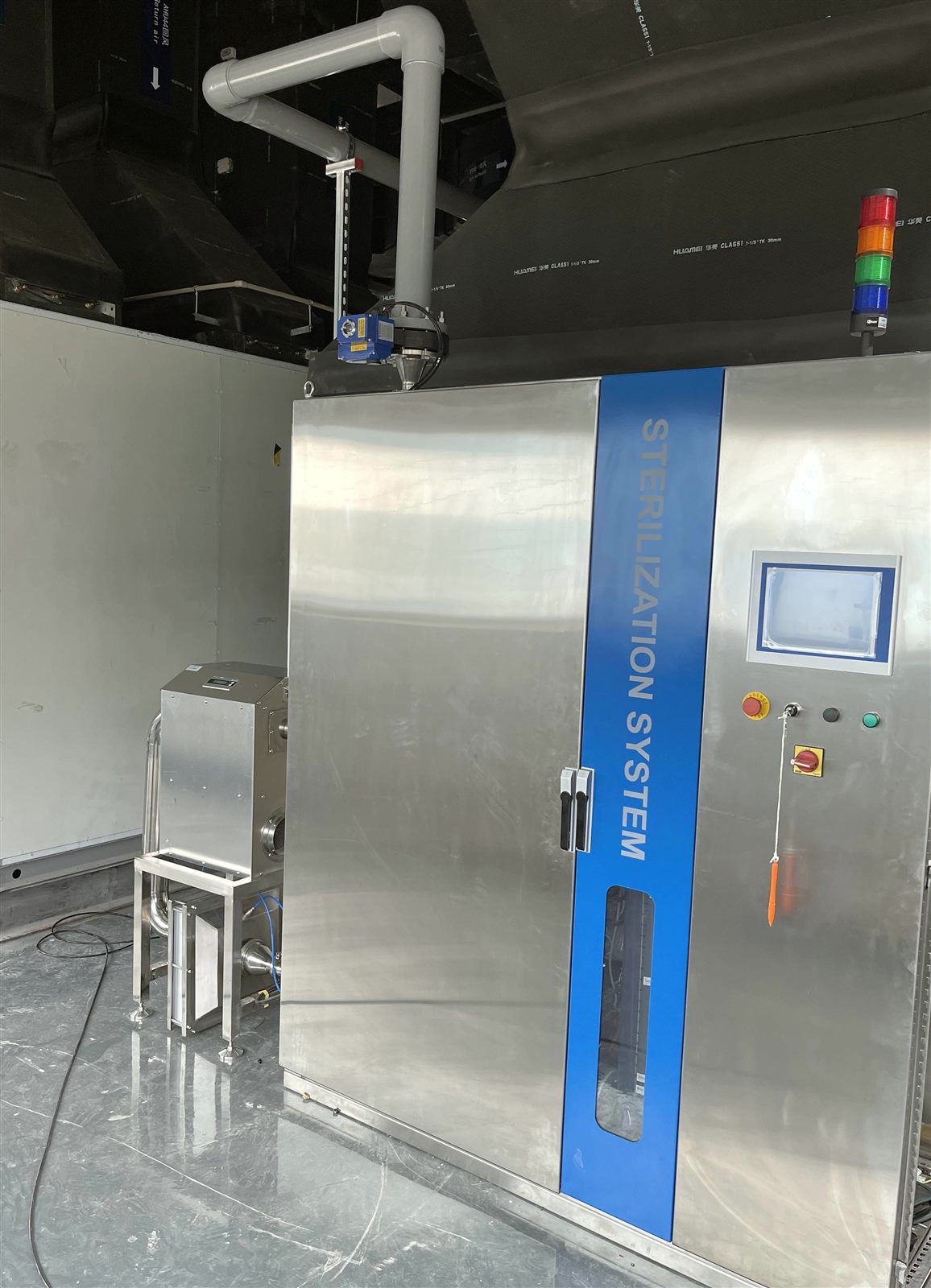
How a VHP Generator Works — and Integrates with Cleanroom HVAC
A VHP generator (vaporized hydrogen peroxide generator, or H₂O₂ vapour generator) turns liquid hyd…
Read more →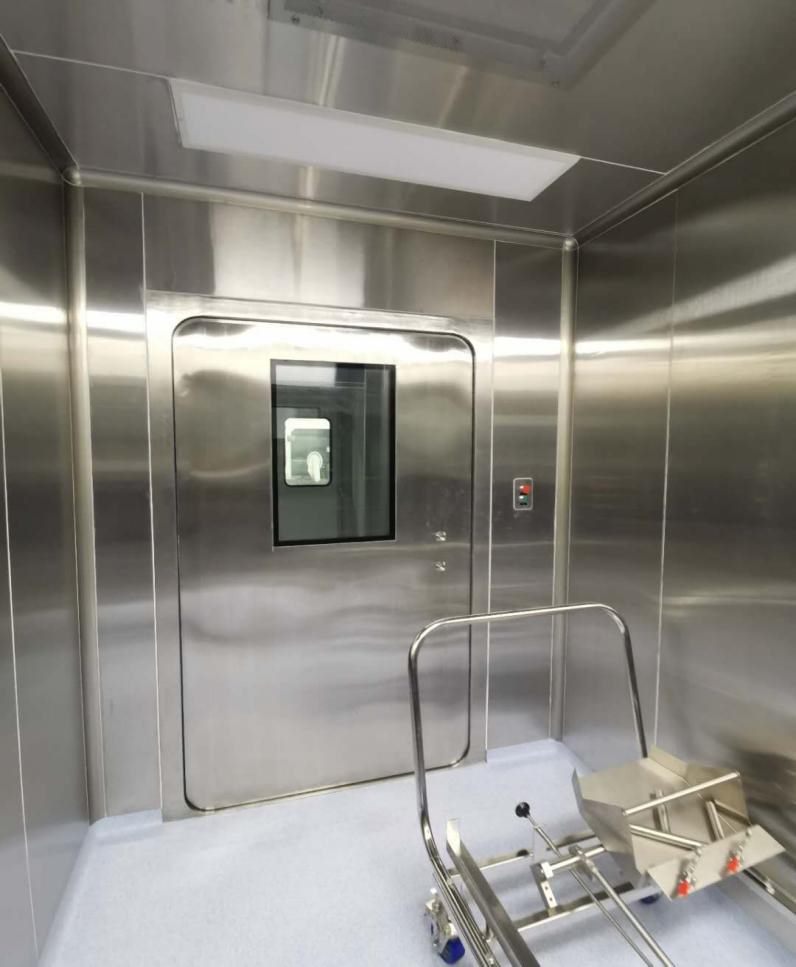
VHP Cycle Development & Qualification: CD, IQ/OQ/PQ and Rogue BI
A VHP (vaporized hydrogen peroxide) cycle cannot be validated the way a steam autoclave is. Its lethality is n…
Read more →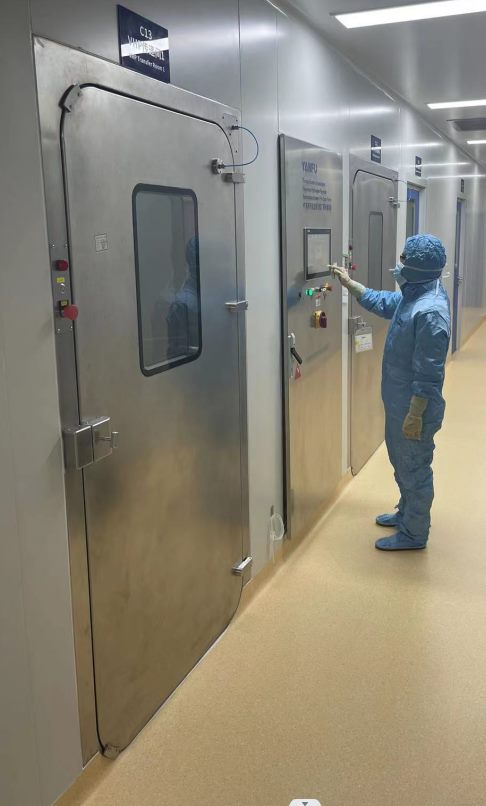
Moist Heat vs Dry Heat vs VHP Sterilization: A Practical Comparison
Not every load can go in an autoclave. The three sterilization methods most used in pharmaceutical manufacturi…
Read more →Rigid Isolators for Primary Containment: Design & Selection
A rigid isolator — also called a hard-wall isolator, a stainless-steel isolator, a glovebox or a contain…
Read more →Aseptic Isolators: Open vs Closed (PDA TR34)
An aseptic isolator — also called a sterile processing isolator, an aseptic processing isolator, or simp…
Read more →What Is an HPAPI? Highly Potent Active Pharmaceutical Ingredients Explained
A highly potent active pharmaceutical ingredient (HPAPI) — also called a high-potency API, a potent comp…
Read more →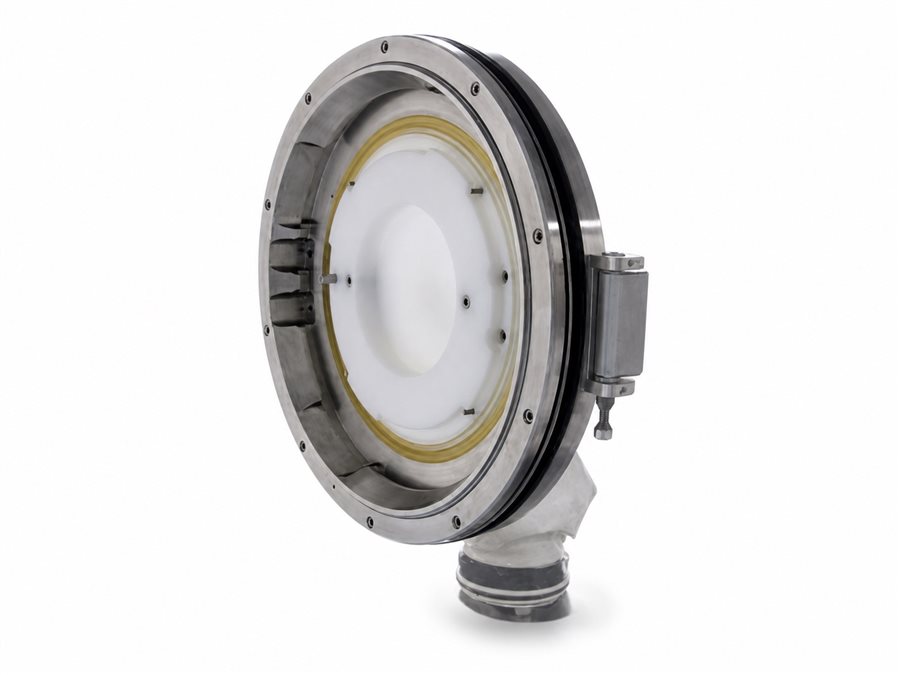
Contained Transfer Interfaces: Double O-Ring, Crimp & Heat Weld
Behind every flexible-film containment method — continuous liners, film-connection systems, glove-to-iso…
Read more →Continuous Liner Containment: How the Sausage System Works
A continuous liner is one of the simplest and most effective ways to get potent powder out of process equipmen…
Read more →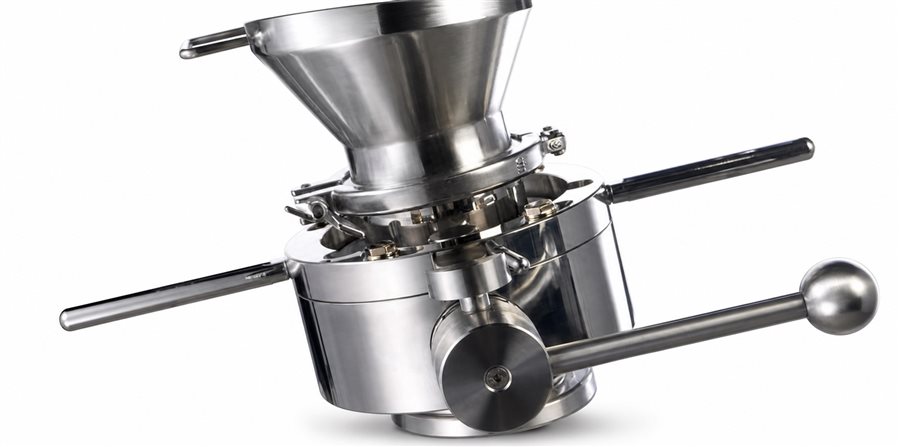
Split Butterfly Valves Explained: How Contained Powder Transfer Works
A split butterfly valve (SBV) makes dust-free charging and discharge of powder possible while protecting opera…
Read more →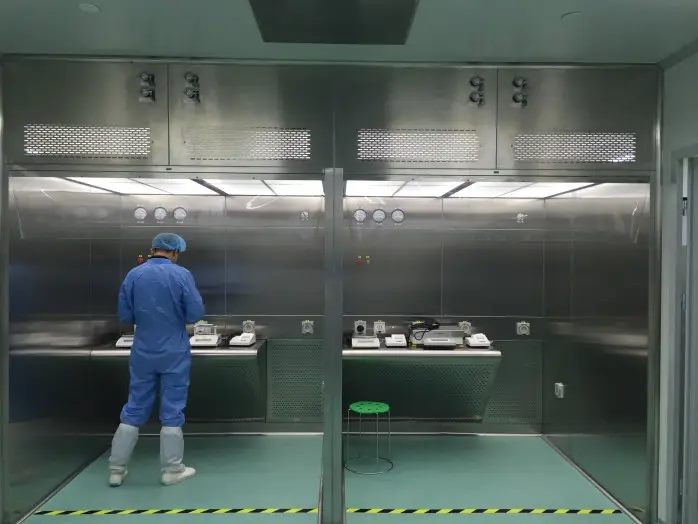
Contained Weighing & Dispensing of Potent APIs
Dispensing a defined quantity of material into batch containers — or straight into the process equipment…
Read more →Contained Reactor Charging: Isolators, Vacuum Transfer & FIBC Feeding
Charging a reactor with a potent API is one of the highest-exposure steps in powder processing. Material can b…
Read more →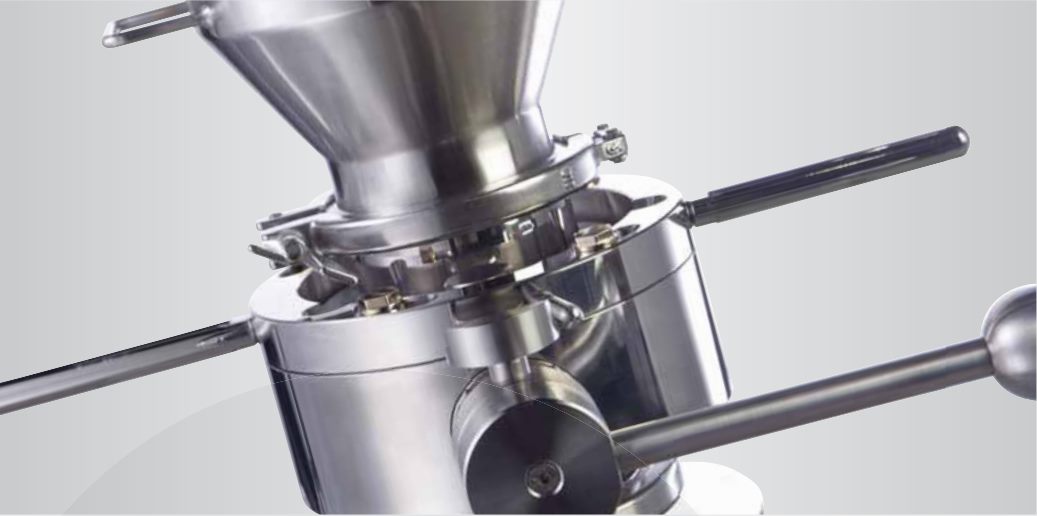
Sieving & Screening Containment: Keeping Potent Powders Enclosed
After milling, powders are usually sieved (screened) to deliver a uniform, consistent particle size and to bre…
Read more →Containment for Milling & Micronization: Isolators, Split Butterfly Valves & BIBO
Milling or micronizing a purified API is a routine step between drug-substance production and formulation &mda…
Read more →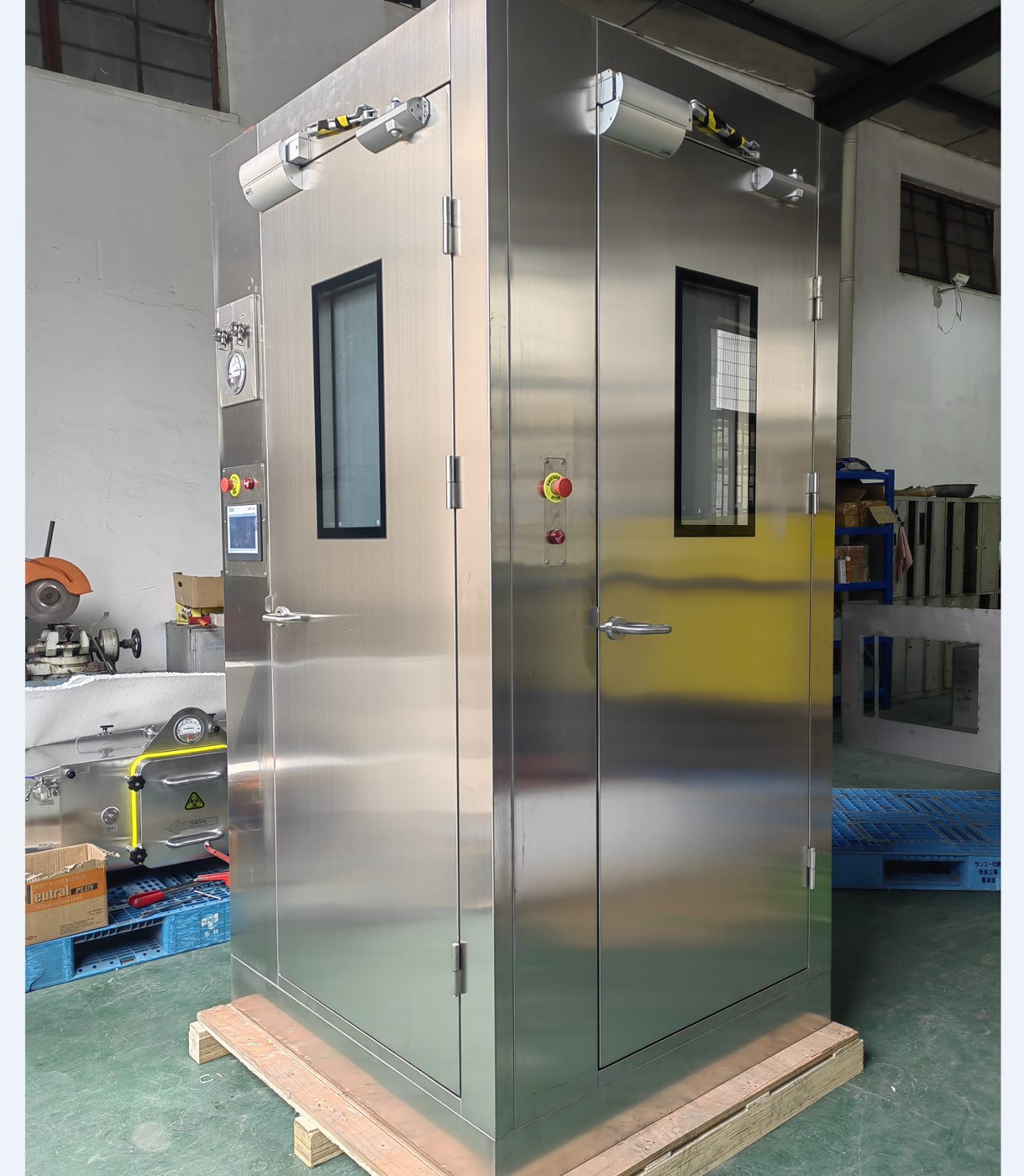
Personnel Decontamination Showers: Deluge vs Mist for Potent Compounds
Where there is a reasonable risk that workers and their garments become contaminated during a task, personnel …
Read more →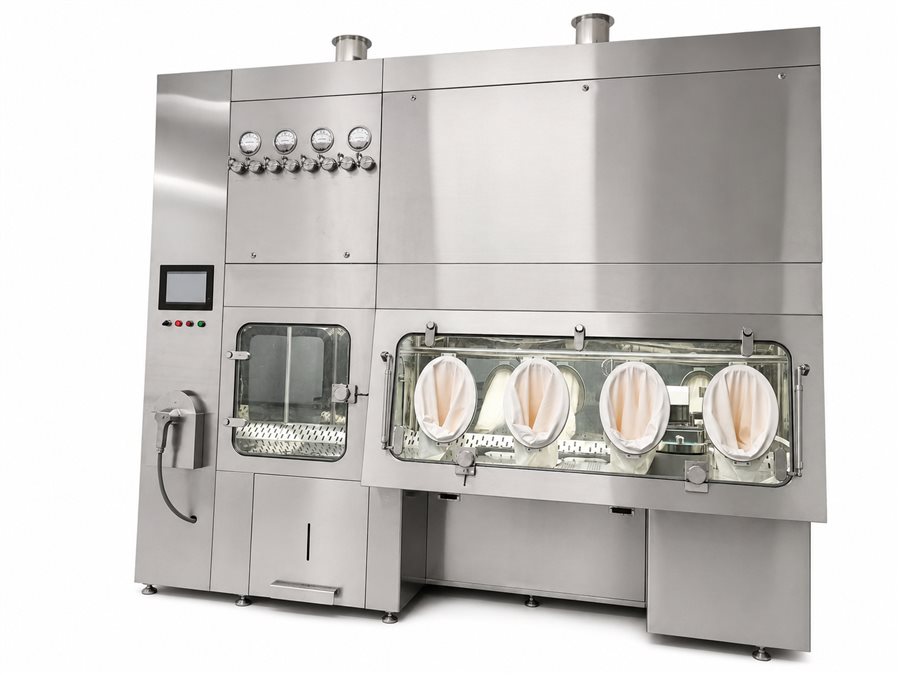
Isolator HVAC Design: The Four Operating Modes (and Passive vs Active RABS)
Choosing between an isolator and a RABS is only the first decision — the barrier you pick then drives th…
Read more →
HVAC-Integrated VHP Sterilization System – Technical Solution (Saudi Arabia)
A technical solution prepared for a pharmaceutical facility in Saudi Arabia: an HVAC-integrated vaporized hydr…
Read more →How to Choose a Pharmaceutical Isolator: A Practical Buyer’s Guide
"Isolator" covers a whole family of barrier systems that look similar but do very different jobs. Choosing the…
Read more →
How a VHP Cycle Is Validated: Biological Indicators and the 6-Log Standard
In a GMP environment, a VHP biodecontamination cycle is only as good as the evidence behind it. It is not enou…
Read more →Positive vs Negative Pressure Isolator: Which Do You Need?
An isolator looks much the same whether it runs at positive or negative pressure — but that single choic…
Read more →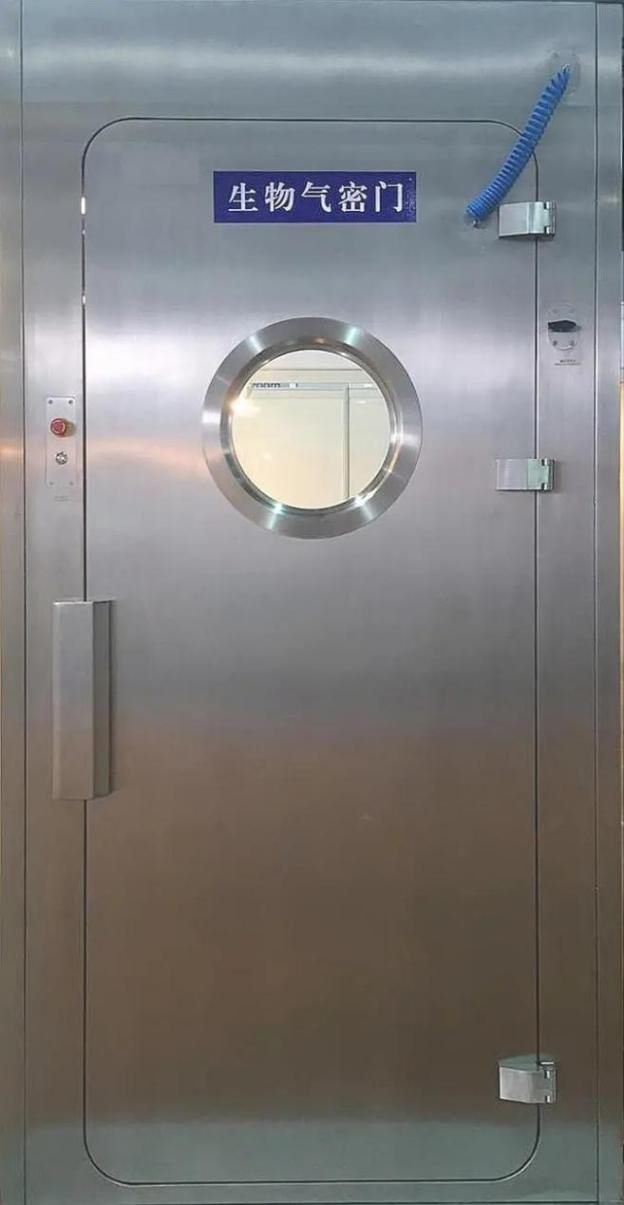
Airtight Doors: Inflatable-Seal vs Mechanical-Compression
In high-containment facilities — BSL-3/4 laboratories, animal containment (ABSL) and high-potency pharma…
Read more →OEB and OEL Explained: Containment Levels for Potent Compounds
As more drugs become highly potent — oncology APIs, hormones, cytotoxics and other HPAPIs — protec…
Read more →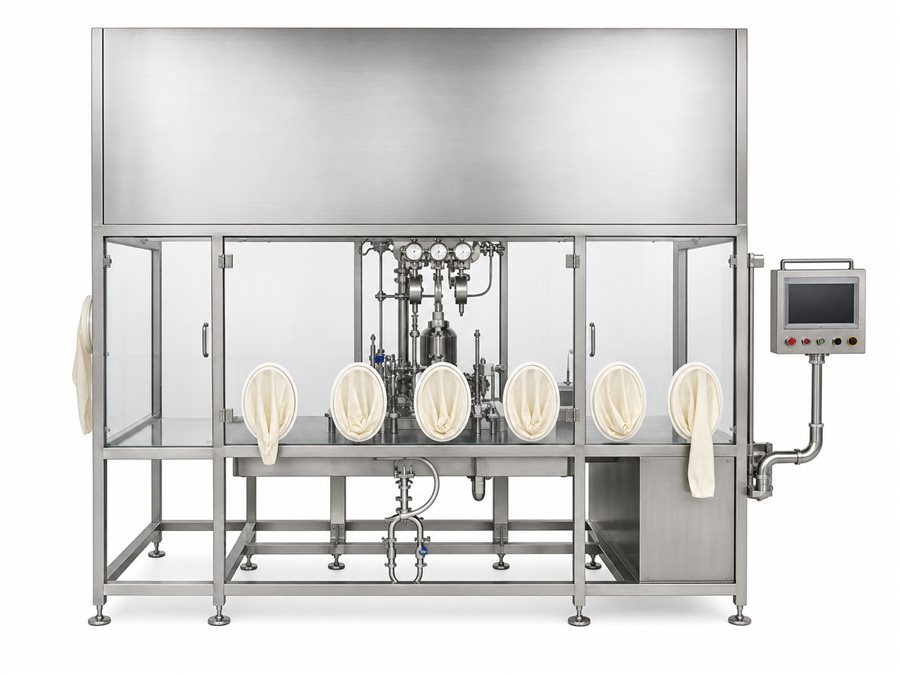
HEPA H13 vs H14: What’s the Difference for Cleanrooms?
HEPA filters are the last line of defence protecting a cleanroom, isolator or laminar-flow zone from airborne …
Read more →
EU GMP Annex 1: What It Means for Isolators, RABS and Cleanroom Equipment
EU GMP Annex 1 — "Manufacture of Sterile Medicinal Products" — is the reference standard for steri…
Read more →Isolator vs RABS (oRABS vs cRABS) for Aseptic Filling
For aseptic filling, the barrier that separates the operator from the sterile product is the single biggest dr…
Read more →What Is VHP Decontamination and How It Works
Vaporized hydrogen peroxide (VHP) is a low-temperature, residue-free method for biodecontaminating cleanrooms,…
Read more →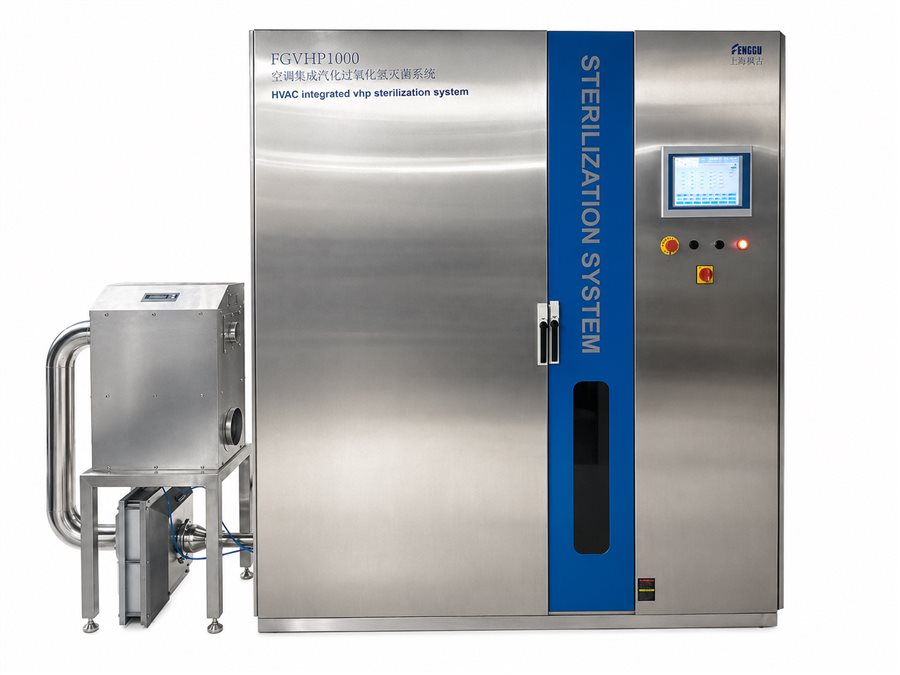
Vaporized vs Aerosolized Hydrogen Peroxide: Which Biodecontamination Method?
When a cleanroom, isolator or cell-culture suite needs biodecontamination without leaving chemical residue, hy…
Read more →How to Choose a VHP Generator: Portable vs Integrated
Vaporized hydrogen peroxide (VHP) is the standard method for biodecontaminating cleanrooms, isolators and pass…
Read more →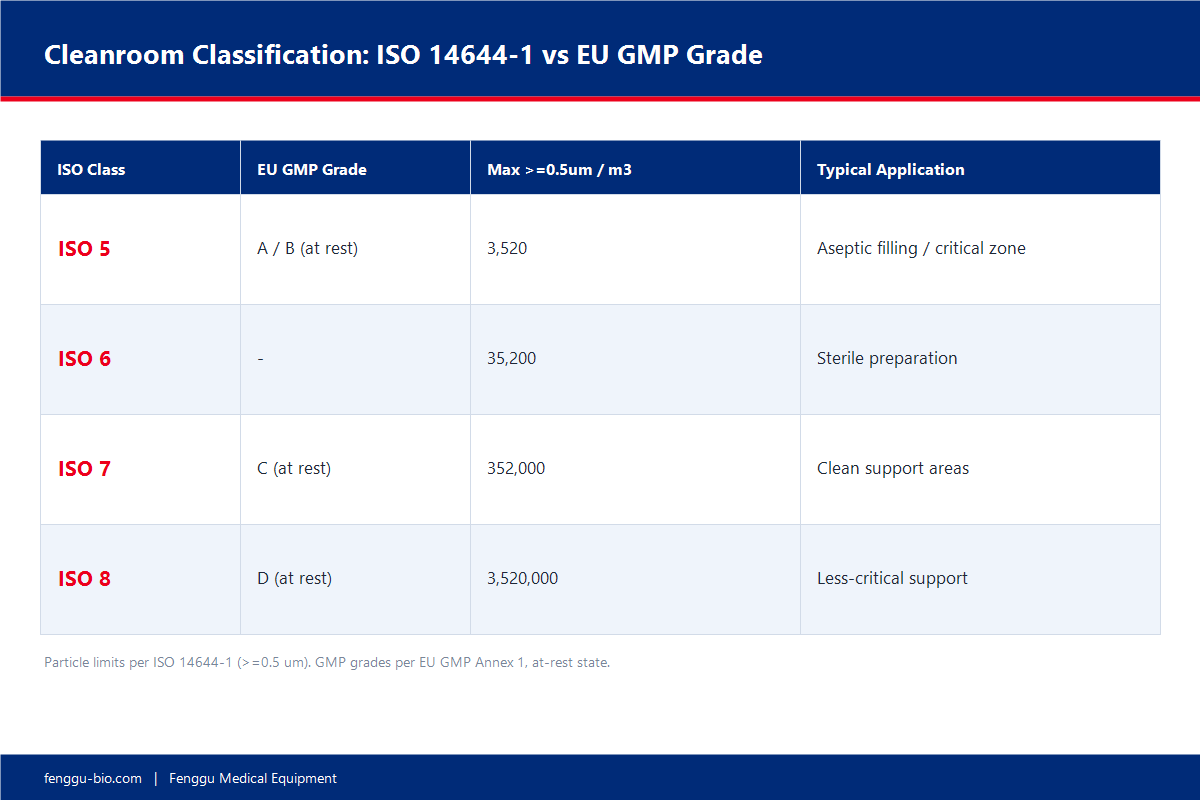
ISO 14644-1 Cleanroom Classification Explained (with EU GMP Grade Comparison)
In pharmaceutical and biotech manufacturing, the cleanroom class defines how clean the air has to be — and tha…
Read more →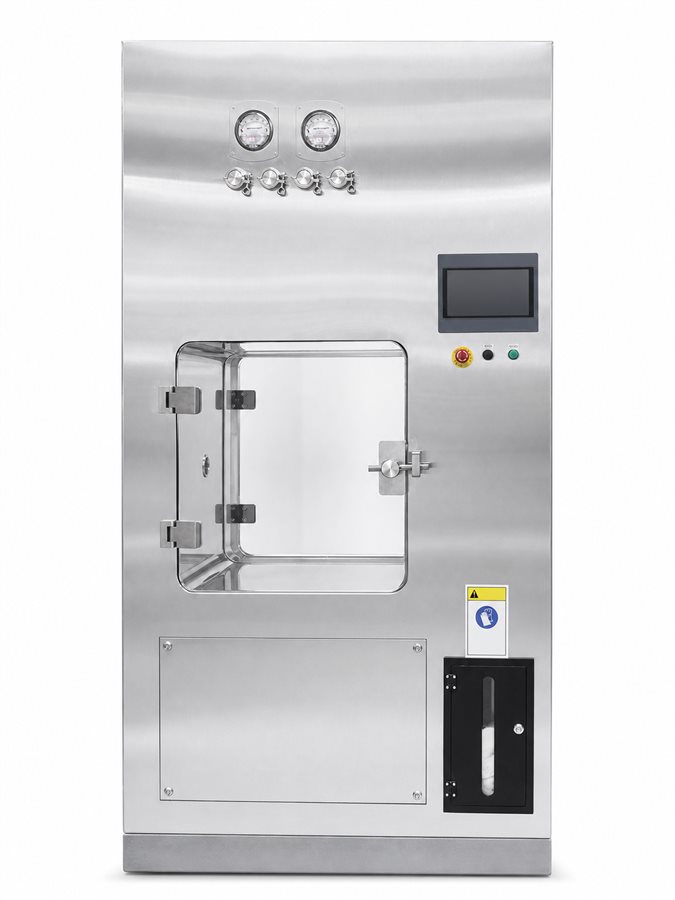
VHP Pass Box vs Dynamic Pass Box: Which to Choose for Your Cleanroom
Both a VHP pass box and a dynamic pass box move materials between cleanroom zones without opening a door to an…
Read more →