








Biosafety Airtight Doors for BSL-3 / BSL-4 Containment
In a high-containment lab, the door is part of the containment barrier. A biosafety airtight door — a gastight door built for BSL-3 and BSL-4 suites — does two jobs at once: it holds the negative-pressure boundary that keeps pathogens in, and it seals the room gastight so the whole suite can be fumigated between campaigns. This guide explains what a biosafety gastight door is, why the inflatable seal matters, and how it fits a containment suite.
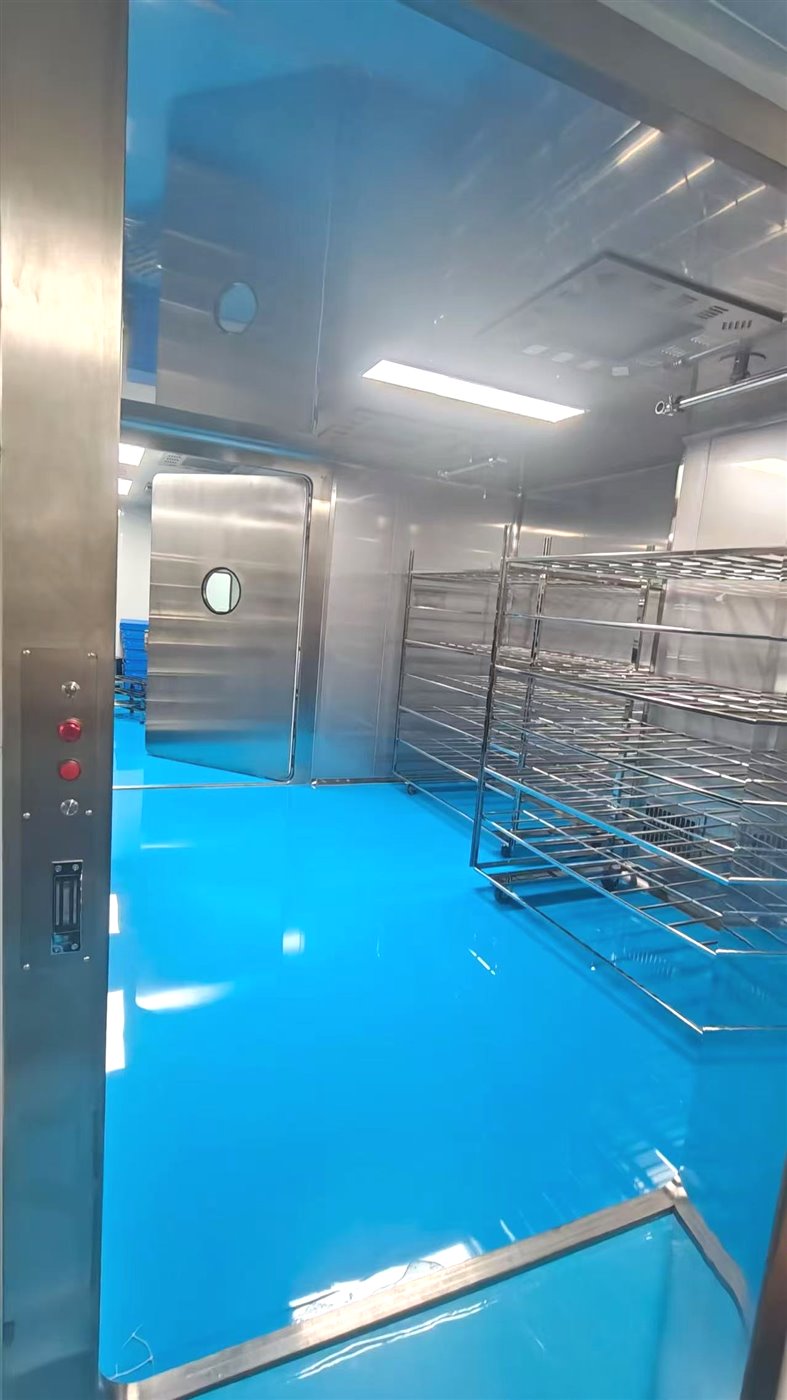
Two jobs: contain the pathogen, and seal for fumigation
A biosafety airtight door has to do more than a normal cleanroom door:
- Hold containment. BSL-3/BSL-4 suites run at negative pressure so air — and anything airborne — is drawn inward. The door must keep that pressure boundary tight, with a low, stable leak rate, or the cascade is compromised.
- Seal for gas decontamination. Between projects a containment suite is fumigated — with VHP, formaldehyde or another sporicidal gas — to a validated kill. That only works if the room holds the gas, which means every door must close gastight.
An ordinary door does neither reliably. A biosafety gastight door is engineered for both.
Why the inflatable seal fits containment
These doors seal with an inflatable silicone gasket: an air line inflates a hollow gasket around the frame so the closed door is gastight, then deflates so the door opens freely. In a containment suite that is decisive — the gasket is only compressed during the fumigation cycle, so it does not wear out from daily door use, yet it delivers a true gastight seal exactly when the room is being gassed. The mechanical-compression alternative clamps the gasket by handle and suits lower-frequency fumigation; for the full trade-off see Airtight Doors: Inflatable-Seal vs Mechanical-Compression.
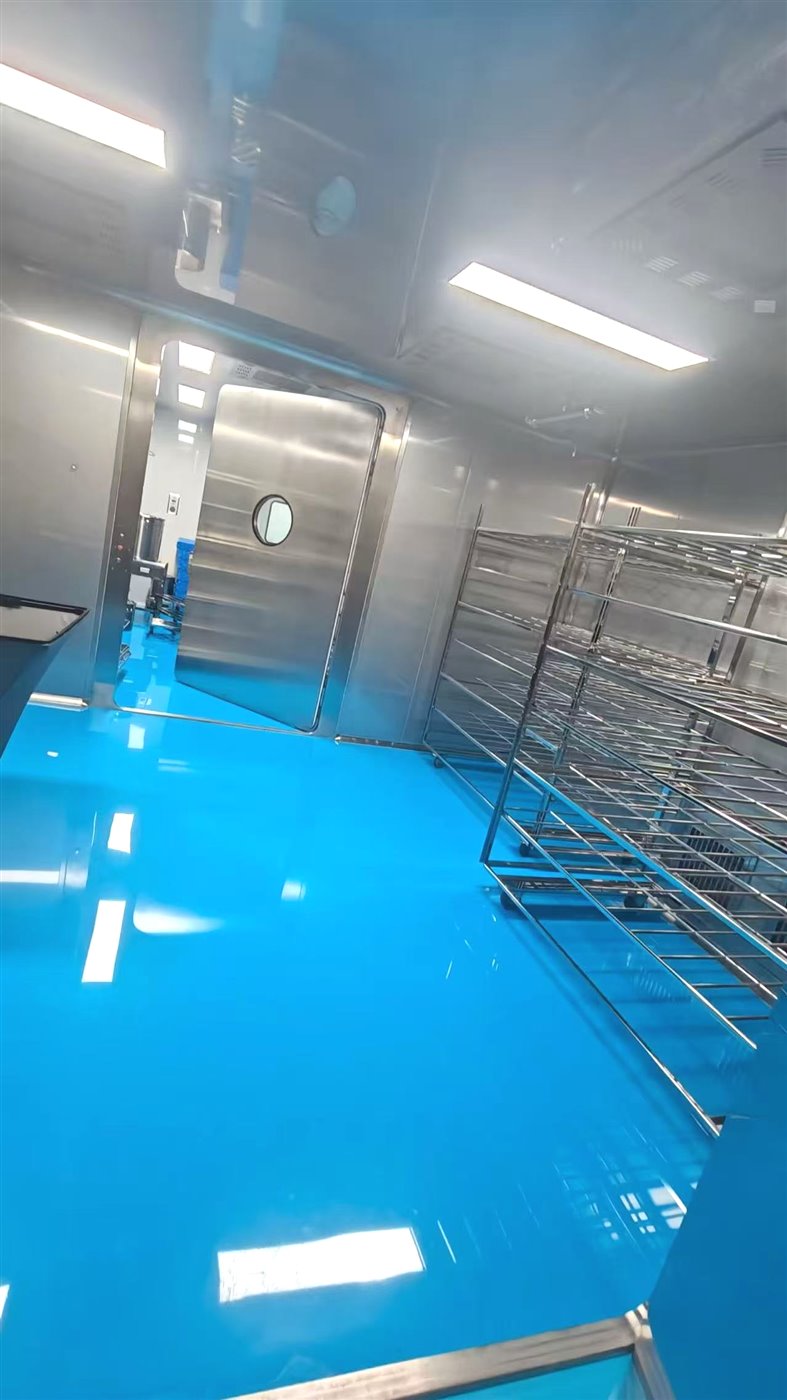
How a biosafety gastight door is built
| Feature | Detail |
|---|---|
| Material | 316L / 304 stainless steel, smooth, crevice-free, resistant to VHP / formaldehyde / chlorine dioxide decontaminants. |
| Seal | Inflatable silicone gasket (gastight when inflated); mechanical-compression option for lower frequency. |
| Interlock | Electromechanical airlock interlock — both doors of an entry lock are never open at once, so containment is never broken. |
| Window & monitoring | Flush gasketed window; pressure/status indication and alarm. |
| Partners in the barrier | Pairs with a gastight biosafety isolation damper on the HVAC and a biosafety pass box for material transfer. |
| Also called | Biosafety airtight door, bio-safety gastight door, BSL-3/BSL-4 containment door, inflatable-seal gastight door. |
The door is one part of a sealed boundary
A gastight door only contains if the rest of the boundary is gastight too. In a BSL suite the door works with a bubble-tight isolation damper that seals the HVAC duct during fumigation, a biosafety pass box for gastight material transfer, and gastight penetrations throughout. Designed together, they let the whole room be sealed, gassed and validated as one. For the fumigation gas itself, see What Is VHP Decontamination; for the same doors on pharma gas-decon rooms, see Airtight Doors for VHP & Ozone Decontamination Rooms.
FAQ
What makes a door “biosafety” rather than just airtight?
It is built to hold a negative-pressure containment boundary and to seal gastight for whole-room fumigation, with airlock interlocks and decontaminant-resistant 316L construction — to the containment standard of the suite.
Inflatable or mechanical seal for BSL-3/4?
Inflatable suits suites decontaminated frequently (no per-use gasket wear); mechanical compression suits lower frequency. See the comparison.
Does the door alone make the room gastight?
No — it must be designed with gastight dampers, pass boxes and penetrations so the whole boundary holds during fumigation.
Related Products
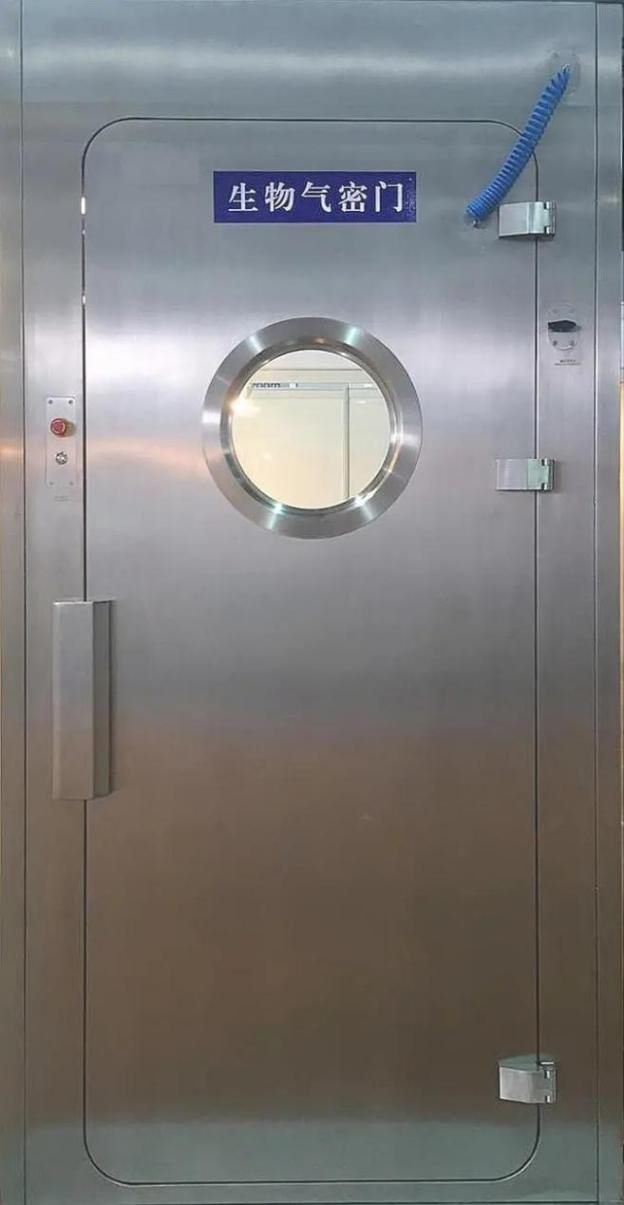 Inflatable-Seal Airtight DoorInflatable-gasket gastight door for BSL-3/4 fumigation rooms.Transfer & Containment
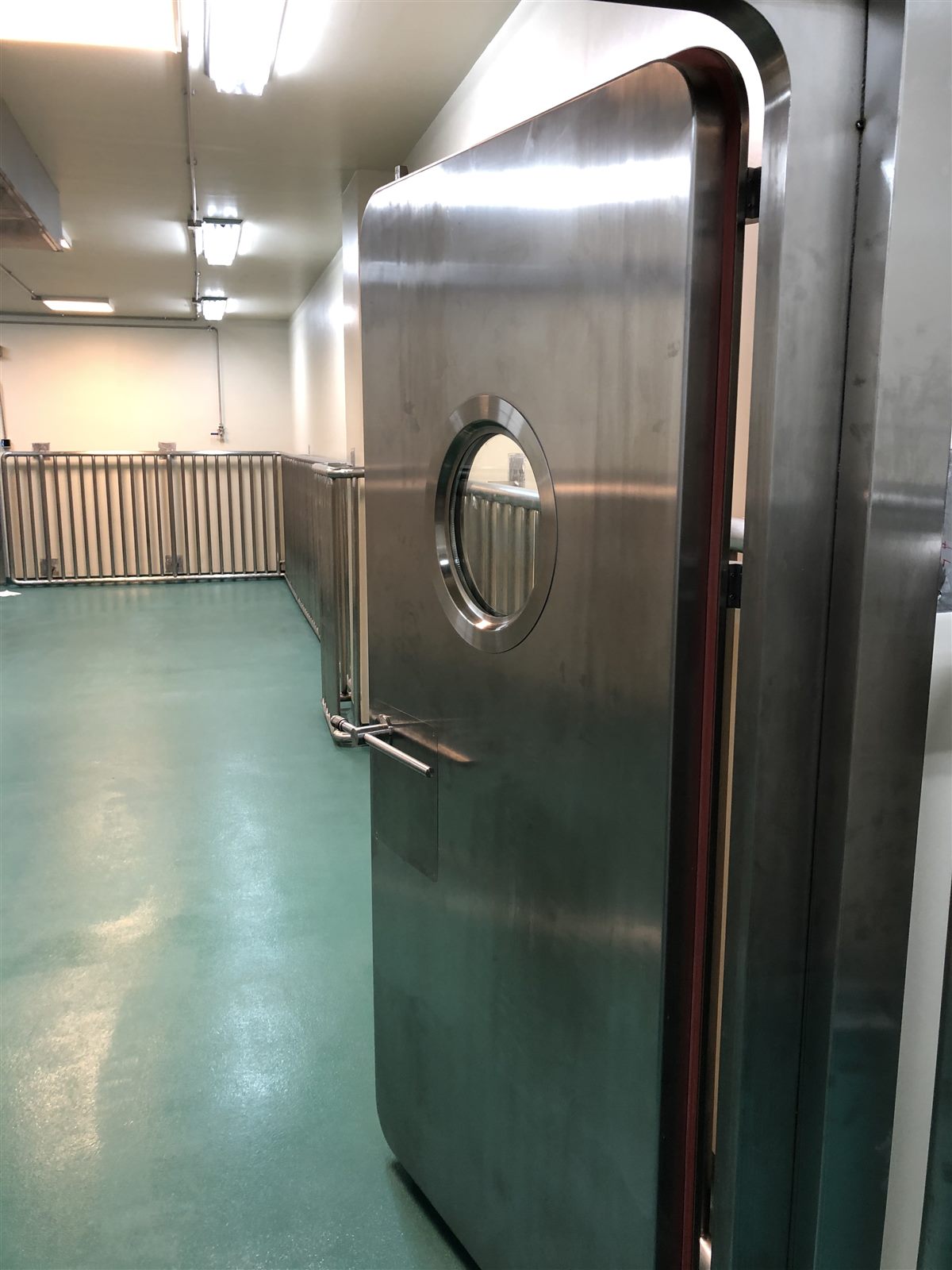 Mechanical-Compression Airtight DoorMechanically clamped gastight door for BSL-2 to BSL-4.Transfer & Containment
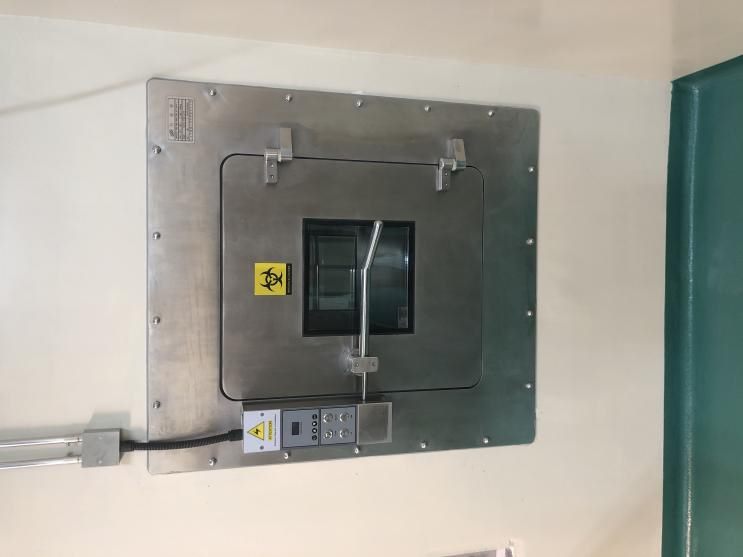 Biosafety Pass BoxMechanically sealed, gas-decontaminatable chamber for BSL-2/3/4.Transfer & Containment
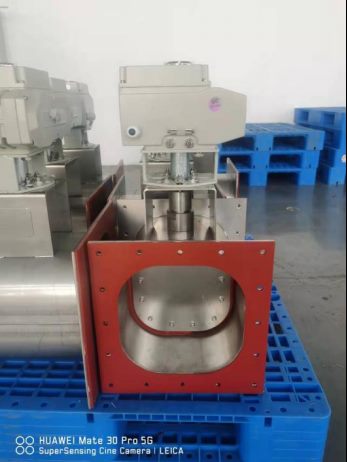 Biosafety Isolation DamperAirtight damper isolating HVAC ducts during decon and BIBO change.Transfer & Containment
Building a BSL-3 / BSL-4 containment suite?
Tell us the biosafety level, room layout and decontamination method, and our engineers will specify the gastight doors, isolation dampers and pass boxes as one sealed, validatable boundary.