








VHP Pass Box: How It Works, Single vs Double-Door, and How to Choose
A VHP pass box (also called a sterile transfer hatch, VHP transfer chamber, or vaporized hydrogen peroxide pass-through) solves one specific problem: how do you move material from a lower-grade area into an aseptic core without opening a door that connects the two, and without leaving viable bioburden on the surface? This article focuses on how it actually works and how to choose between single-door and double-door configurations — for the comparison against dynamic pass boxes or non-VHP biosafety pass boxes, see the further reading links at the end.
How It Works: From Generator to Release Decision
A VHP pass box does not generate sterilant itself — it’s a sealed chamber with a cycle interface. The actual vaporized hydrogen peroxide comes from an external VHP generator, delivered through a hose into an injection port on the chamber. Once material is loaded and both doors are closed, a complete cycle runs through four stages:
- Dehumidification — chamber humidity is pulled down first, so the sterilant doesn’t condense prematurely into a liquid film on the load.
- Conditioning — vaporized hydrogen peroxide is injected and concentration ramps up to the setpoint, distributing evenly through the chamber.
- Sterilization (hold) — concentration and dwell time are held at the validated setpoint; this is the stage that determines whether the cycle actually achieves a 6-log reduction.
- Aeration — residual hydrogen peroxide is catalytically broken down and purged to a safe concentration (typically ≤1 ppm) before the inner door is permitted to unlock.
Concentration sensors and the control system monitor the whole run and will not release the load on a failed cycle — this is the real distinction between a VHP pass box and an ordinary pass-through: it’s not just a transfer point, it’s a repeatable, verifiable decontamination step every single time.
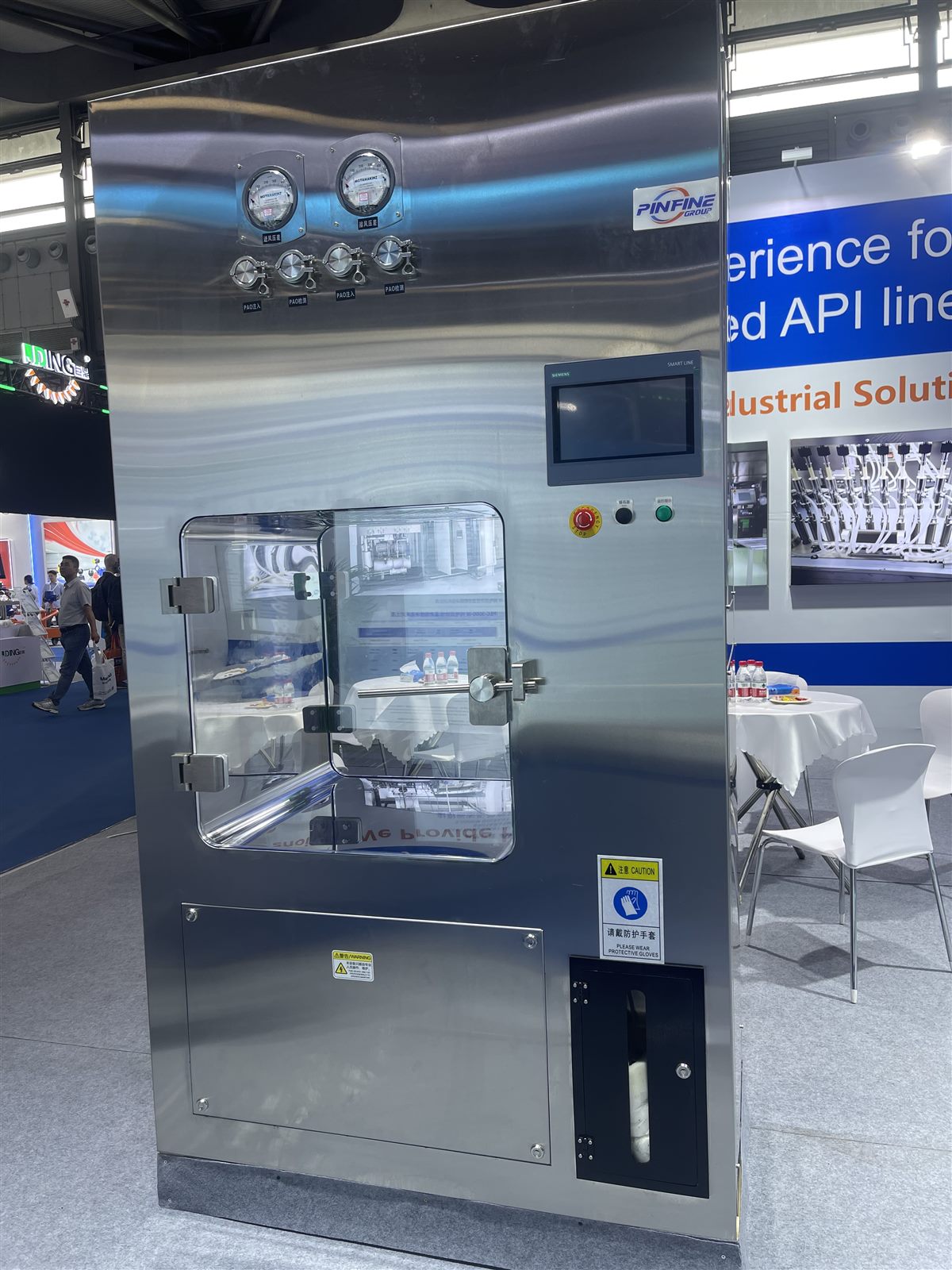
Single-Door Static Chamber vs Double-Door Interlocked Pass Box
| Configuration | When to use it |
|---|---|
| Single-door static | Only one door; material is loaded, the door is closed, the cycle runs, and the same door is opened for removal. Used within a single cleanroom grade for small-item decontamination, not for crossing between two grades. Simpler and lower cost. |
| Double-door interlocked | A door on each side, with an electromagnetic interlock that guarantees the two doors are never open at the same time. Used to cross between two cleanroom grades (e.g. Grade C into a Grade A/B aseptic core) — the outer door opens for loading, closes, the cycle runs, and only after a pass result does the inner door unlock. This is the standard configuration for aseptic processing. |
| Floor-standing / large volume | For larger or higher-frequency loads, choose the floor-standing VHP pass box. |
| Automatic door | For high-frequency transfer or where manual door operation should be minimized, choose the automatic-door VHP pass box — open/close is program-controlled, reducing operator-dependent variability. |
How to Choose
Three questions settle the configuration: which two grades does the transfer cross (decides whether you need a double-door interlock), what size and weight is the typical load (standard bench-top vs floor-standing), and how frequent is the transfer (high frequency favors an automatic door to reduce manual handling steps). Fenggu’s VHP pass box line covers bench-top, floor-standing and automatic-door configurations, all fed by the same VHP generator platform, with cycle parameters (dehumidification/conditioning/sterilization/aeration duration, target concentration) configurable to your validation protocol.
FAQ
Can a VHP pass box be used interchangeably with an ordinary pass-through?
No. An ordinary pass-through has no sterilization cycle — it’s purely a physical transfer point. A VHP pass box runs a verifiable decontamination cycle on every transfer, with a different containment rating and control system; the two are not interchangeable.
How long does one cycle take?
It depends on chamber volume, target concentration and your validation requirements — typically somewhere between ten minutes and half an hour. The exact duration should be set by your IQ/OQ/PQ protocol; see VHP Cycle Development & Qualification for how that’s established.
Can the two doors accidentally open at the same time?
No. The electromagnetic interlock enforces this at both the hardware and control-logic level, independent of operator judgment — this is the core safety design of any double-door pass box.
Further reading: VHP Pass Box vs Dynamic Pass Box · Biosafety Airtight Pass Box (non-VHP mechanical seal)
Related Products
VHP Pass BoxWall-mounted transfer chamber with an integrated VHP cycle.Transfer & Containment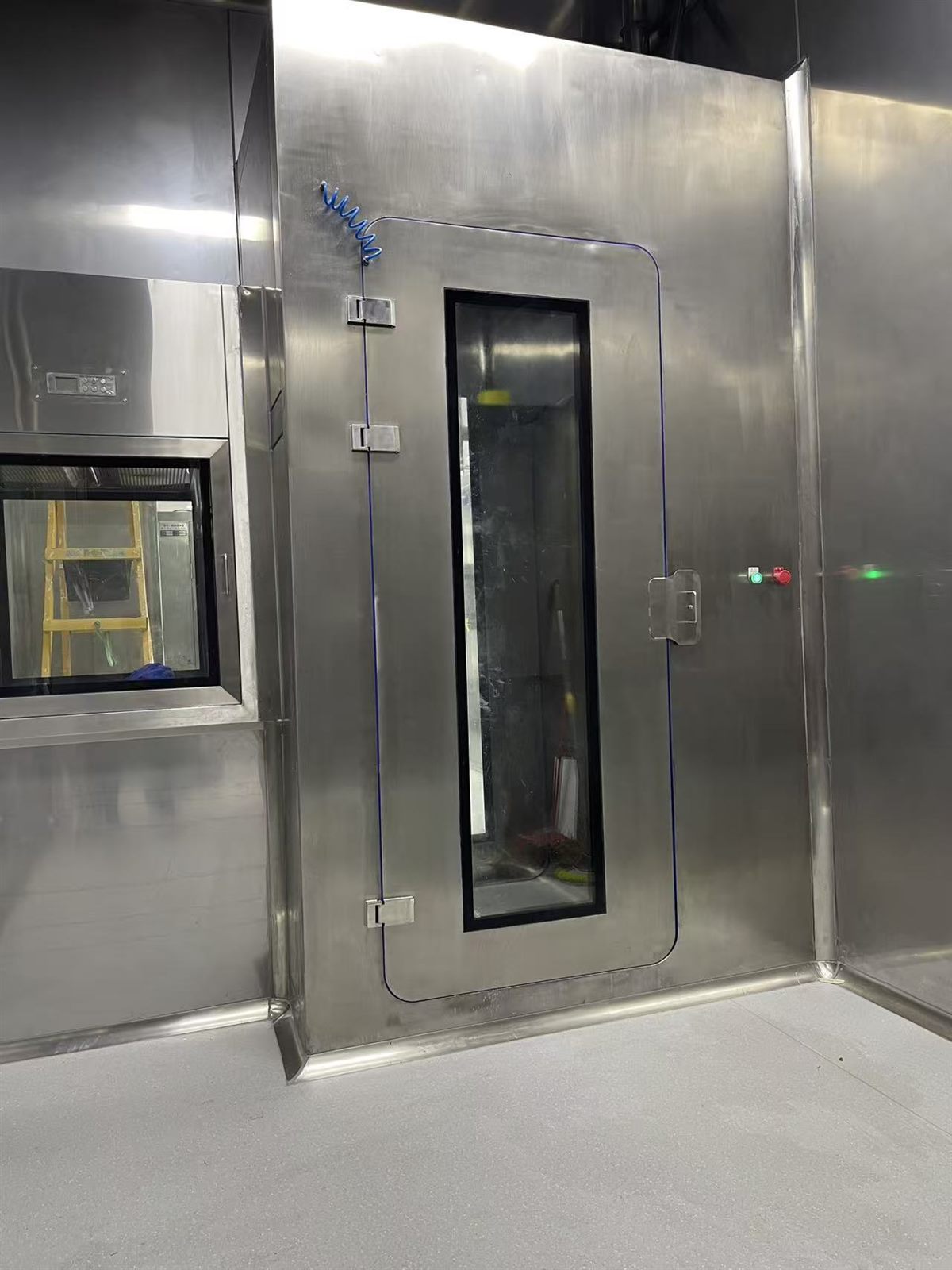 Floor-Standing VHP Pass BoxHigh-capacity floor chamber for trolleys, drums and bulky loads.Transfer & Containment
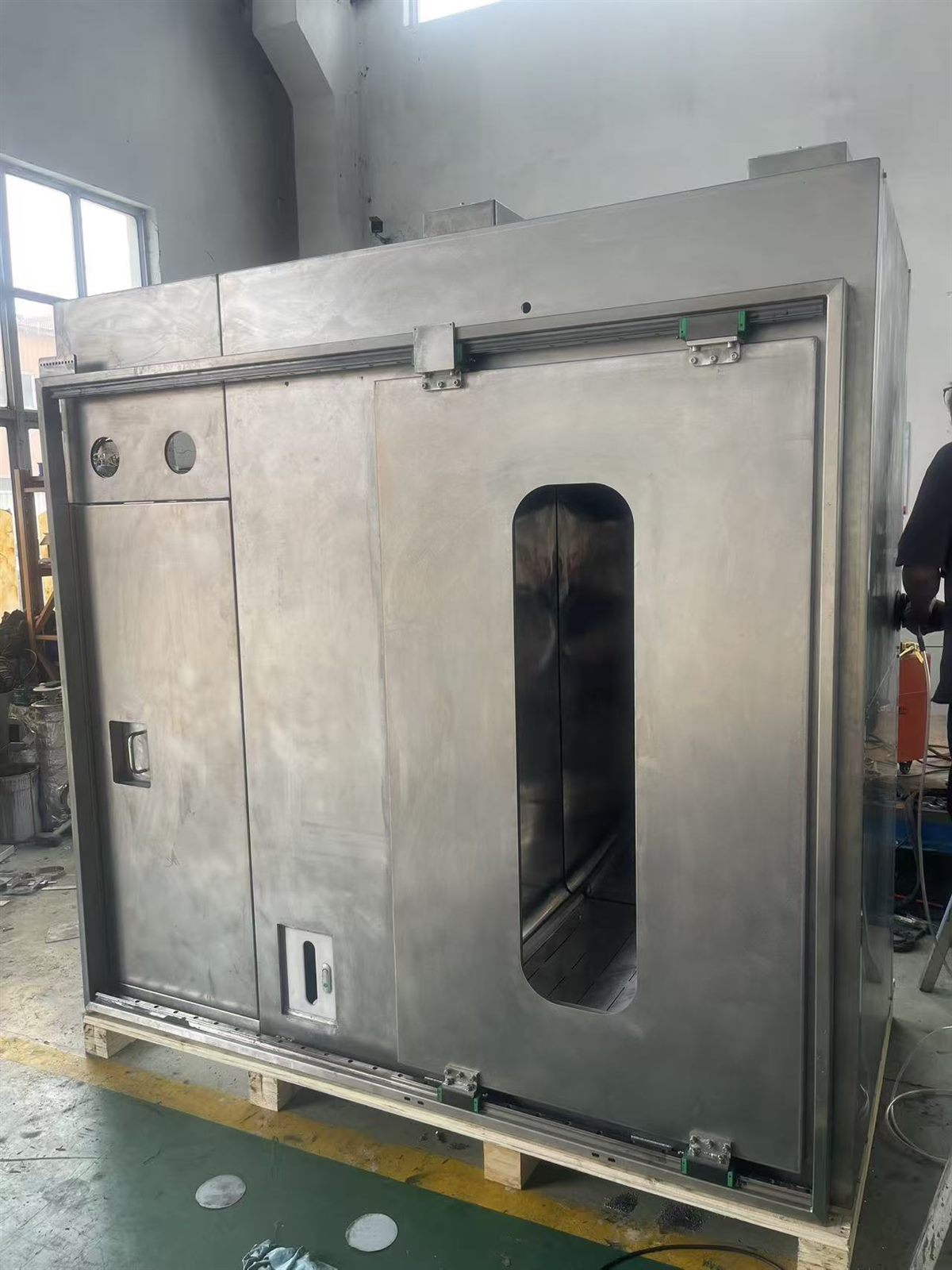 Automatic-Door VHP Pass BoxMotorised interlocked doors for hands-free, contamination-safe transfer.Transfer & Containment
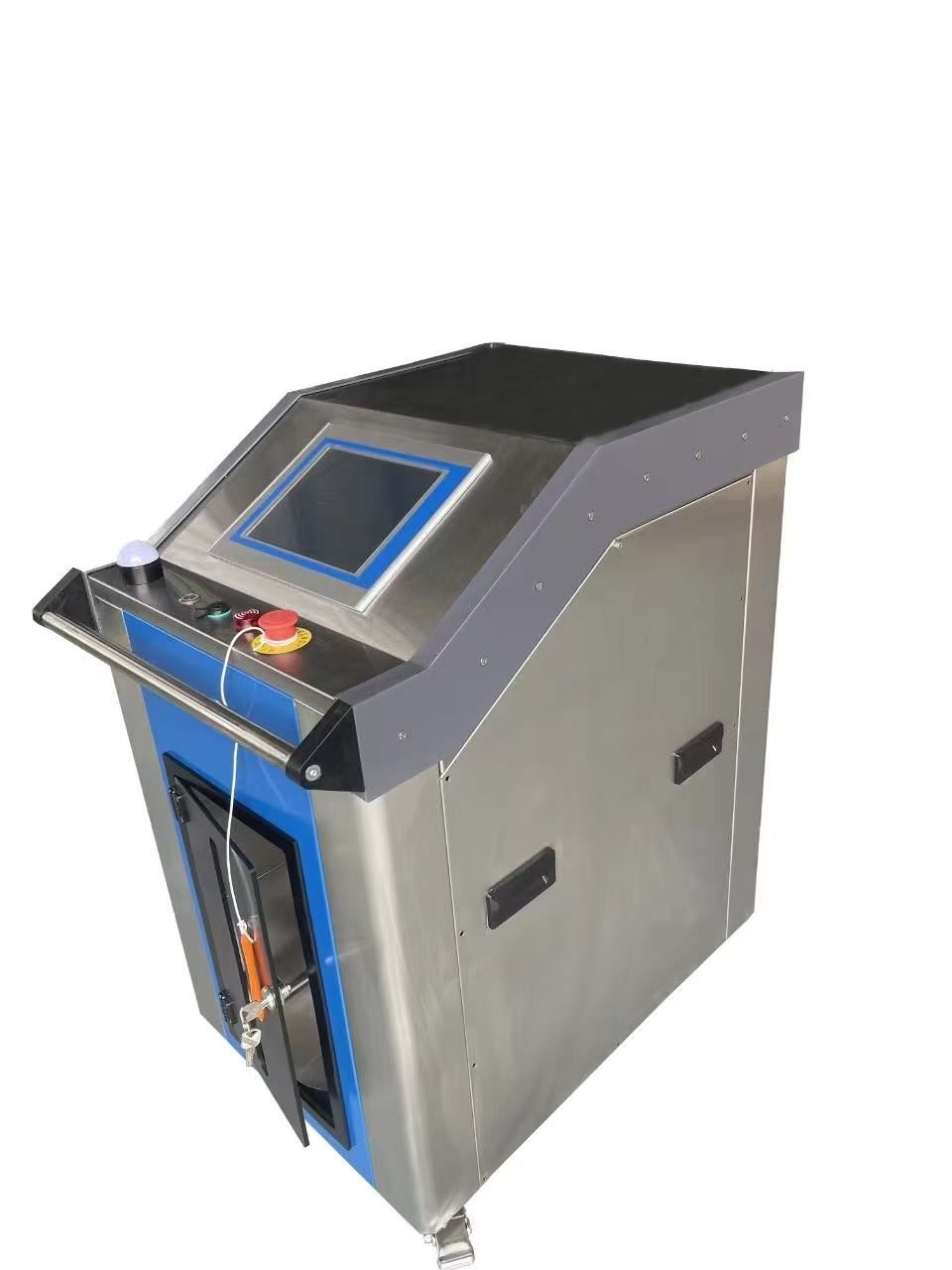 Pulsed-Vacuum VHP GeneratorPulsed-vacuum cycling drives VHP into hard-to-reach equipment interiors.VHP Sterilization
Need a VHP Pass Box?
Tell us which cleanroom grades you’re crossing, your typical load size, and transfer frequency — Fenggu configures the VHP pass box cycle parameters and door configuration to your validation protocol.