








Biosafety Airtight Pass Box: Mechanically Sealed Transfer for BSL-2/3 & ABSL-3/4 Labs
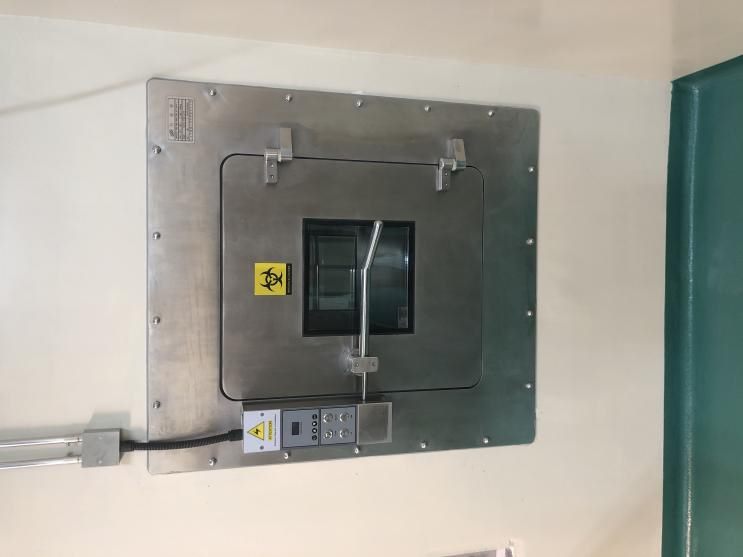
Material transfer in a high-containment lab faces a different problem than aseptic pharma transfer — sterility isn’t the point, not leaking is. A biosafety airtight pass box uses a mechanically sealed chamber so materials can move in and out without ever breaking the lab’s negative-pressure boundary or its decontamination readiness. This guide covers just this category — how it differs from a pharma VHP pass box, how the seal is engineered, and how interlocking keeps the boundary intact.
How it differs from a pharma VHP pass box
The two look similar but are engineered for different goals:
- Pharma VHP pass box — built for aseptic processing. Its core is an integrated VHP generator that delivers a validated biodecontamination before each transfer, targeting sterility. See VHP Pass Box vs Dynamic Pass Box.
- Biosafety airtight pass box — built for containment. Its core is the mechanical seal itself, targeting an airtight, non-leaking boundary; gas decontamination on every transfer isn’t always required (it depends on the lab’s biosafety level and SOPs, though higher-level labs often add a fumigation or UV port).
In short: a VHP pass box asks “is the material clean?”; a biosafety airtight pass box asks “is any gas leaking?” That’s also why it’s commonly paired with a biosafety airtight door — both exist to hold the same sealed boundary.
How the seal is engineered
| Element | Detail |
|---|---|
| Sealing method | Usually mechanical compression (a handle clamps a silicone gasket) — simple, doesn’t depend on a gas supply, and suits scenarios that don’t need gas decontamination on every cycle. An inflatable-seal option exists too; see the trade-off in Airtight Doors: Inflatable-Seal vs Mechanical-Compression. |
| Door interlock | Electromagnetic interlock ensures the inner and outer doors are never open at the same time — only one side of the sealed boundary is ever breached during a transfer, never both. |
| Construction | 316L / 304 stainless steel, corrosion-resistant, smooth and crevice-free for easy wipe-down. |
| Viewing & status | Viewing window plus door-status indication; some models add differential pressure display to confirm the chamber’s sealed state. |
| Optional decon port | A fumigation or UV decontamination feature can be added to the chamber depending on the lab’s biosafety level, for extra surface treatment before transfer. |
| Also called | Biosafety airtight pass box, biosafety pass box, airtight pass box, BSL airtight transfer chamber, biosafety transfer hatch. |
Where it’s used: BSL-2/3 and ABSL-3/4
Biosafety airtight pass boxes are widely used for material transfer in BSL-2 and BSL-3 laboratories and ABSL-3/4 animal facilities — samples, consumables and small instruments move between the containment zone and the outside without breaking negative pressure or the sealed boundary. Together with a biosafety isolation damper (sealing HVAC ducts) and a biosafety airtight door (sealing the personnel route), it forms the complete sealed boundary of a BSL suite — all three are necessary, since one unsealed point breaks containment for the whole room.
How to choose
When selecting a biosafety airtight pass box, start with two things: your lab’s biosafety level (which sets the sealing standard and whether a decon port is needed) and the size and frequency of the materials you transfer (which sets chamber volume and door size). For high-frequency transfer, mechanical compression is usually the better fit (no wear, simple maintenance); if every transfer needs gas decontamination, consider an integrated fumigation port or move to a VHP pass box instead. Ask your supplier for a configuration matched to your biosafety level and SOPs rather than a standard off-the-shelf box.
FAQ
Does a biosafety airtight pass box need VHP decontamination?
Not necessarily. Its core function is mechanical containment; whether gas decontamination is needed depends on the lab’s biosafety level and SOPs — a fumigation or UV port can be added, or a VHP pass box used instead.
How is it different from a regular (non-airtight) pass box?
A regular pass box only handles basic material transfer with limited sealing; an airtight pass box is engineered to hold a negative-pressure/sealed boundary, with much stricter sealing grade and interlock reliability, for settings like BSL labs where gas leakage can’t be tolerated.
Can both doors open at once and cause a leak?
No. The electromagnetic interlock mechanically guarantees only one door can open at any time — this is the key safety design that sets an airtight pass box apart from a regular one.
Related Products
Biosafety Pass BoxMechanically sealed, gas-decontaminatable chamber for BSL-2/3/4.Transfer & Containment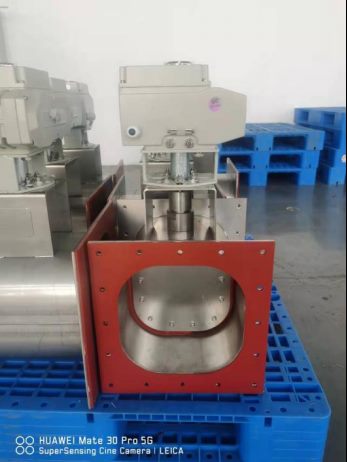 Biosafety Isolation DamperAirtight damper isolating HVAC ducts during decon and BIBO change.Transfer & Containment
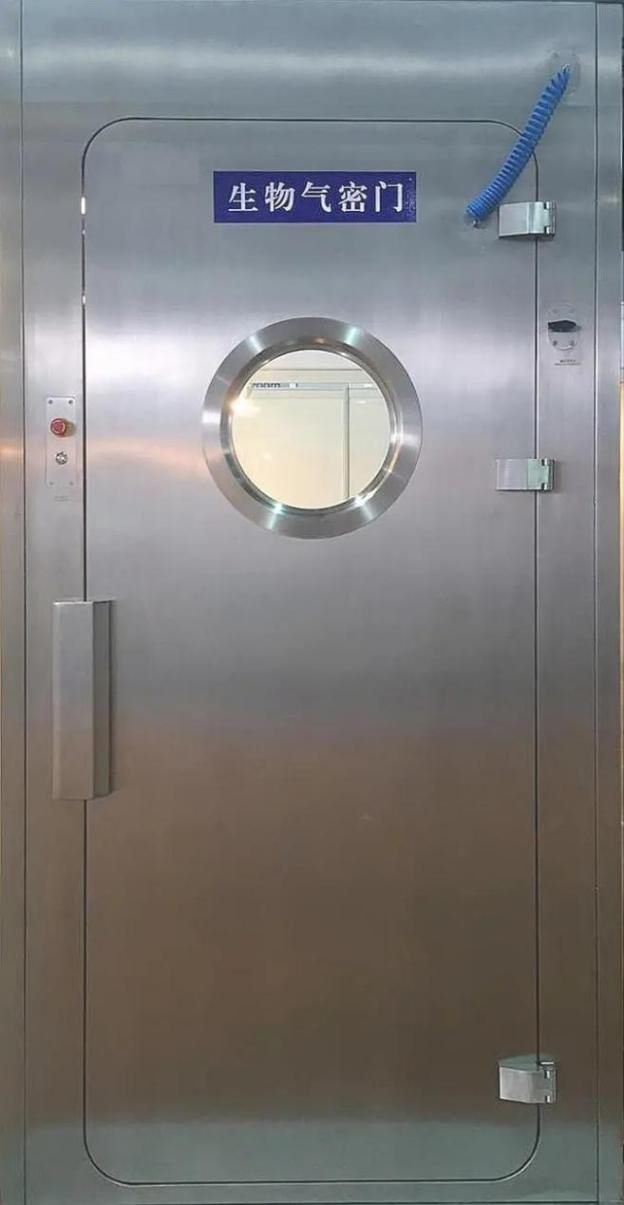 Inflatable-Seal Airtight DoorInflatable-gasket gastight door for BSL-3/4 fumigation rooms.Transfer & Containment
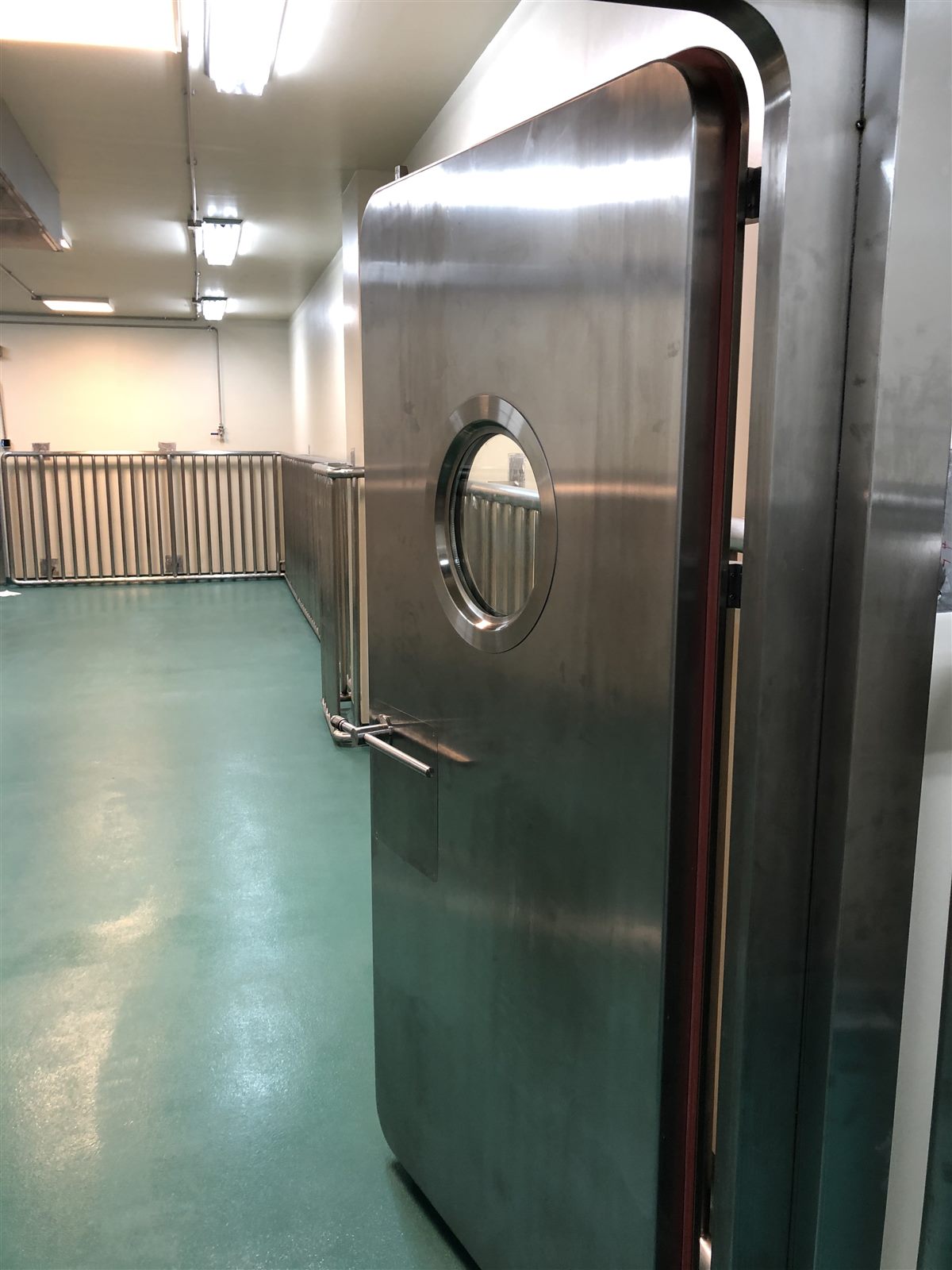 Mechanical-Compression Airtight DoorMechanically clamped gastight door for BSL-2 to BSL-4.Transfer & Containment
Need an airtight pass box for a BSL laboratory?
Tell us your biosafety level, the materials you transfer and how often, and Fenggu will configure a biosafety airtight pass box — sealing method, interlock and optional decontamination port designed as one.