








Vaporized vs Aerosolized Hydrogen Peroxide: Which Biodecontamination Method?
When a cleanroom, isolator or cell-culture suite needs biodecontamination without leaving chemical residue, hydrogen peroxide (H₂O₂) is the standard agent — but it is delivered in two physically different ways. Aerosolized (nebulized) hydrogen peroxide (aHP) disperses a fine liquid mist of tiny droplets; vaporized hydrogen peroxide (VHP) delivers H₂O₂ as a true gas. That single difference in physical state drives everything that matters downstream: how deeply the agent penetrates, how evenly it covers a space, and whether the cycle can be validated to a defined log reduction. This guide compares the two so you can match the method to the room.
The Contamination Problem Both Methods Target
Cell and gene therapy and sterile biomanufacturing are unusually sensitive to microbial contamination, and three culprits are especially hard to eliminate. Mycoplasma are sub-micron organisms that are difficult to detect and can quietly compromise cell expression. Bacteriophages are viruses that infect bacteria — they can lyse engineered production strains and contaminate viral-vector processes, and they survive well on surfaces. Mold spores are highly resistant, colonize readily and are notoriously difficult to fully clear once established.
The problem is that the equipment these organisms hide in — CO₂ incubators (water pans, inner walls, HEPA housings, fans), biosafety cabinets (work zone, exhaust filters, drain trays) and laminar-flow benches (aging filters, work surface, supply plenum) — is full of shadowed niches. A decontamination method is only as good as its ability to reach those niches, which is exactly where vapor and aerosol part ways.
What Aerosolized (Nebulized) Hydrogen Peroxide Is
Aerosolized H₂O₂ nebulizes a liquid peroxide solution into micro-droplets — typically around 1–10 µm — and disperses them with a fan so they settle on and wet exposed surfaces. The equipment is comparatively simple and low-cost, and a cycle is easy to run in an open room without much sealing. Because it is a wet, droplet-based process, its coverage is strongest on line-of-sight surfaces; penetration into shadowed areas, filter media and tight geometries is more limited, droplet settling can leave the distribution uneven, and the added humidity/wetting has to be managed. It is well suited to routine surface decontamination where full, repeatable validation is not the priority.
What Vaporized Hydrogen Peroxide (VHP) Is
VHP delivers H₂O₂ as a true vapor — gas-phase molecules far smaller than any droplet — so it behaves like a gas: it fills the enclosure, reaches shadowed and complex geometries, and distributes evenly, either through a sealed chamber or through an HVAC supply. A controlled cycle (condition → gassing → dwell → aeration) with in-cycle monitoring makes VHP repeatable and validatable to a defined log reduction — commonly a 6-log kill against bacterial spores — which is why it is the standard for GMP isolators, airlocks and critical production rooms. The trade-offs are that it needs a well-sealed space, more sophisticated equipment and a controlled cycle to run properly.
Vaporized vs Aerosolized H₂O₂: Key Differences
| Criteria | Aerosolized (aHP) | Vaporized (VHP) |
|---|---|---|
| Physical state | Liquid micro-droplets (~1–10 µm) | True gas-phase vapor (molecular) |
| Penetration | Line-of-sight surfaces; limited in shadows, filters, tight geometry | Reaches shadowed areas, filter media and complex geometry |
| Distribution uniformity | Variable — droplets settle unevenly | Very even — behaves as a gas |
| Validatable kill | Harder to validate consistently | Repeatable, validatable (e.g. 6-log spores) |
| Room sealing | More forgiving of leaks | Requires a well-sealed space |
| Equipment cost | Lower | Higher |
| Best fit | Small-lab surface decon, budget-limited | GMP production, isolators, sealed chambers |
Which Method Should You Choose?
Choose aerosolized H₂O₂ if you run a small research lab, are working to a tight budget, and mainly need surface decontamination of an open room where a fully validated log reduction is not required. It is quick to deploy and the equipment is inexpensive. For that role, see our aHP fogging machine.
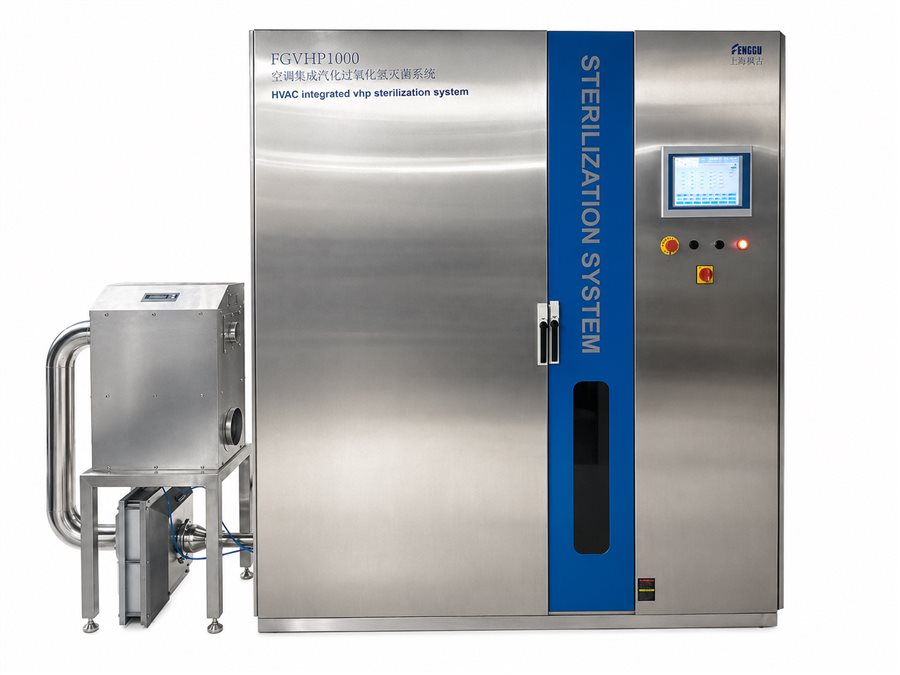
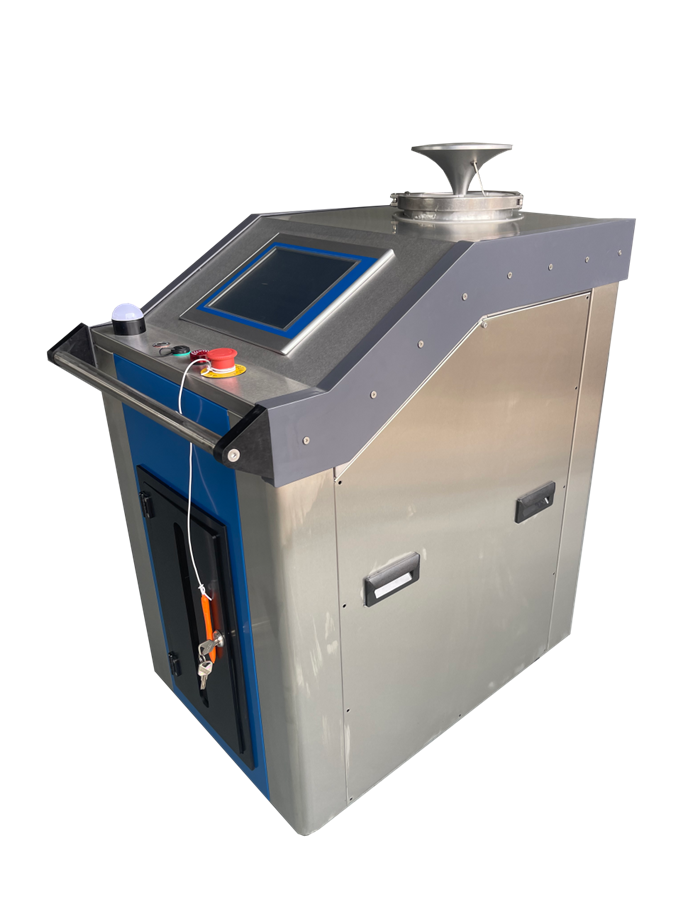
Choose VHP if the space is GMP-critical — cell and biopharma production, aseptic areas, isolators and airlocks — or whenever you need to reach shadowed geometry and demonstrate a validatable kill. It is also the method to reach for in an emergency against persistent contaminants like mycoplasma, bacteriophage or mold, where penetration and a documented log reduction matter most. Depending on the space, that can mean an HVAC-integrated VHP system for a fixed, high-use room, a portable VHP generator or mobile VHP room sterilizer for treating several spaces, an airlock VHP system for transfer points, a VHP pass box for sealed material transfer, or a VHP BIBO sterilizer for safely decontaminating contaminated exhaust filters.
In practice, many facilities standardize on VHP for anything GMP-critical and reserve aerosolized peroxide for lower-stakes surface work. If you have already decided on VHP, the next question is what generates and delivers it — see our guide on choosing a portable vs integrated VHP generator.
Related Products
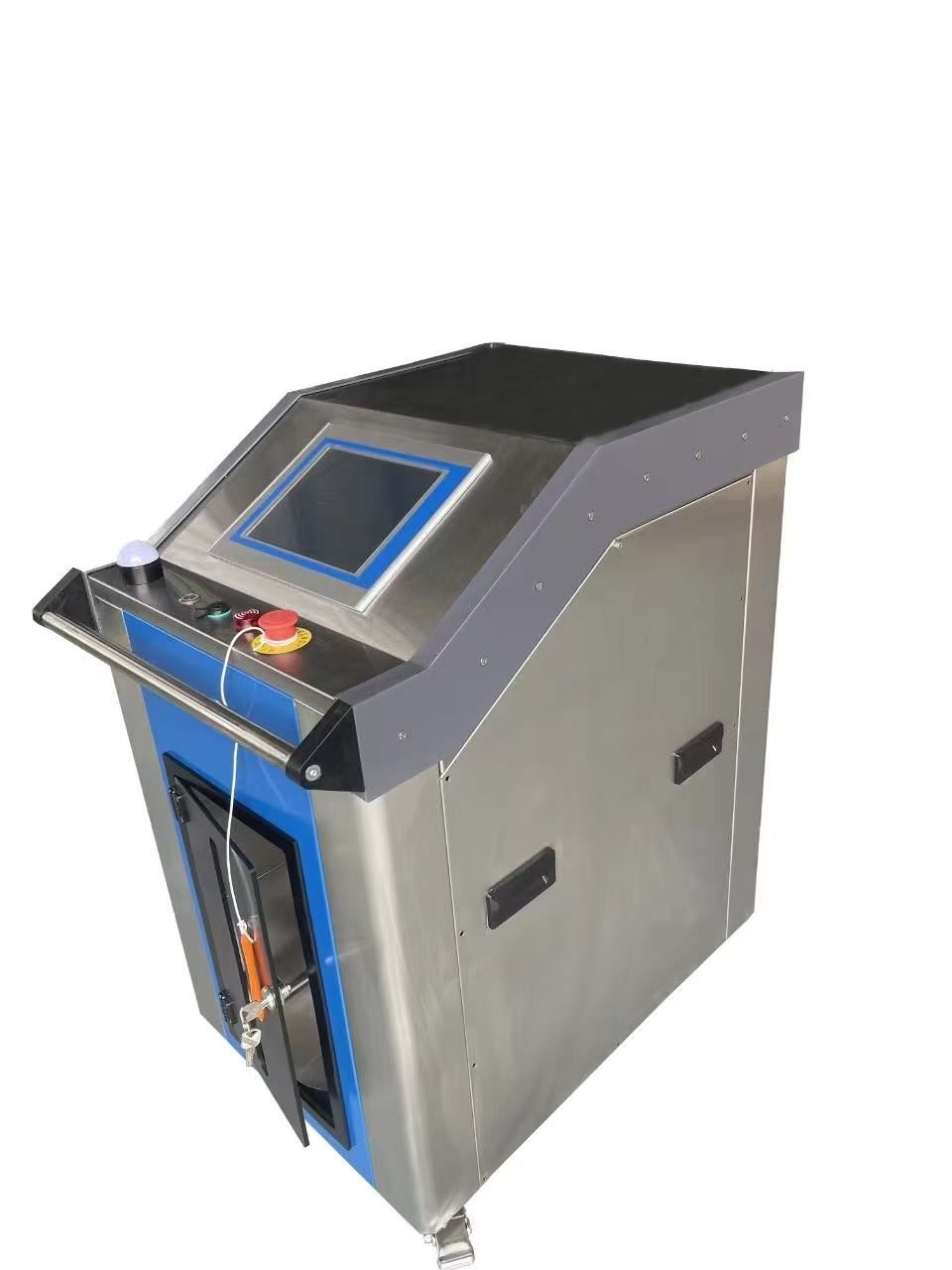 Pulsed-Vacuum VHP GeneratorPulsed-vacuum cycling drives VHP into hard-to-reach equipment interiors.VHP Sterilization
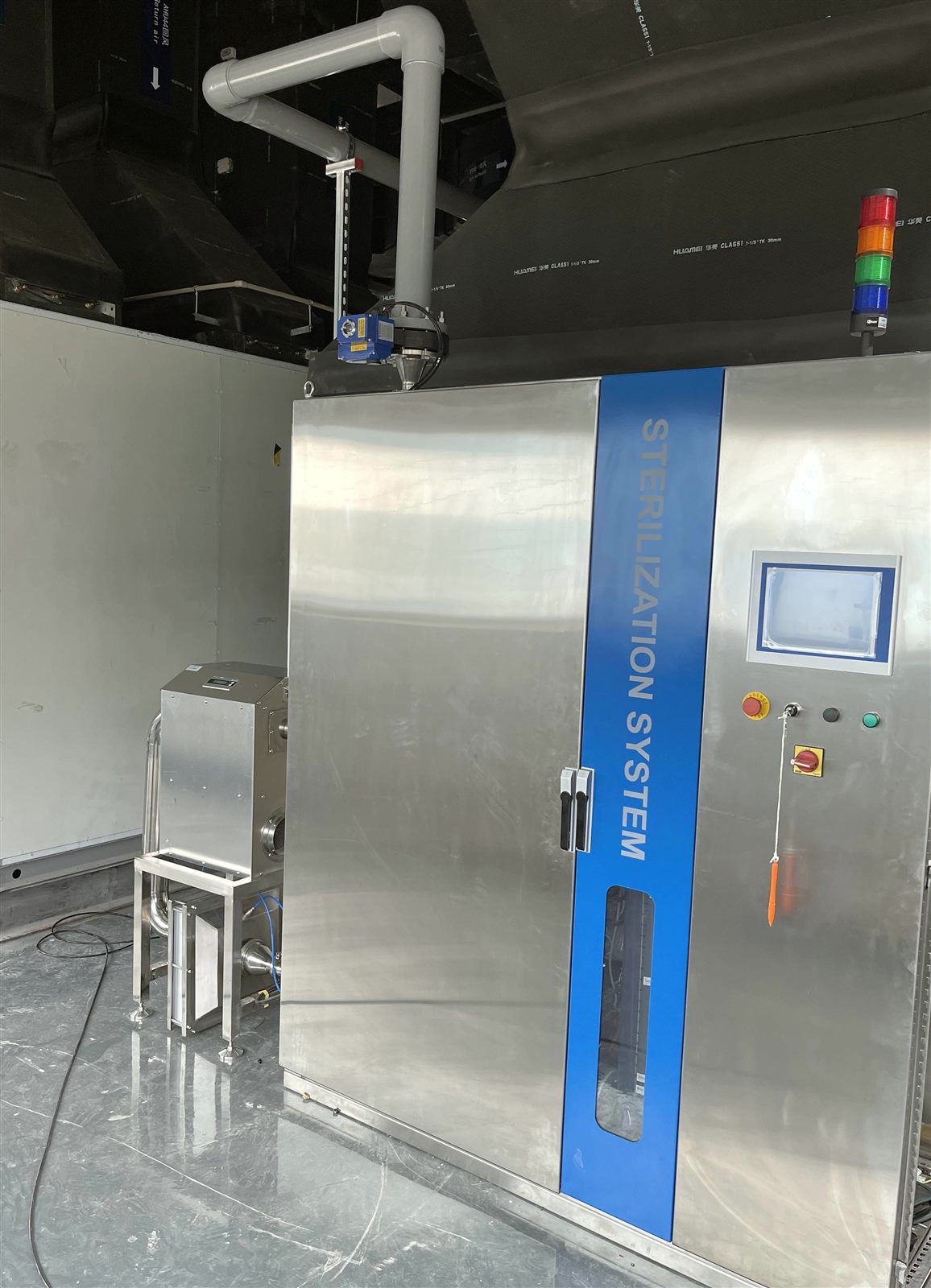 HVAC-Integrated VHP SystemCouples VHP to existing air handling to decontaminate suites and ductwork.VHP Sterilization
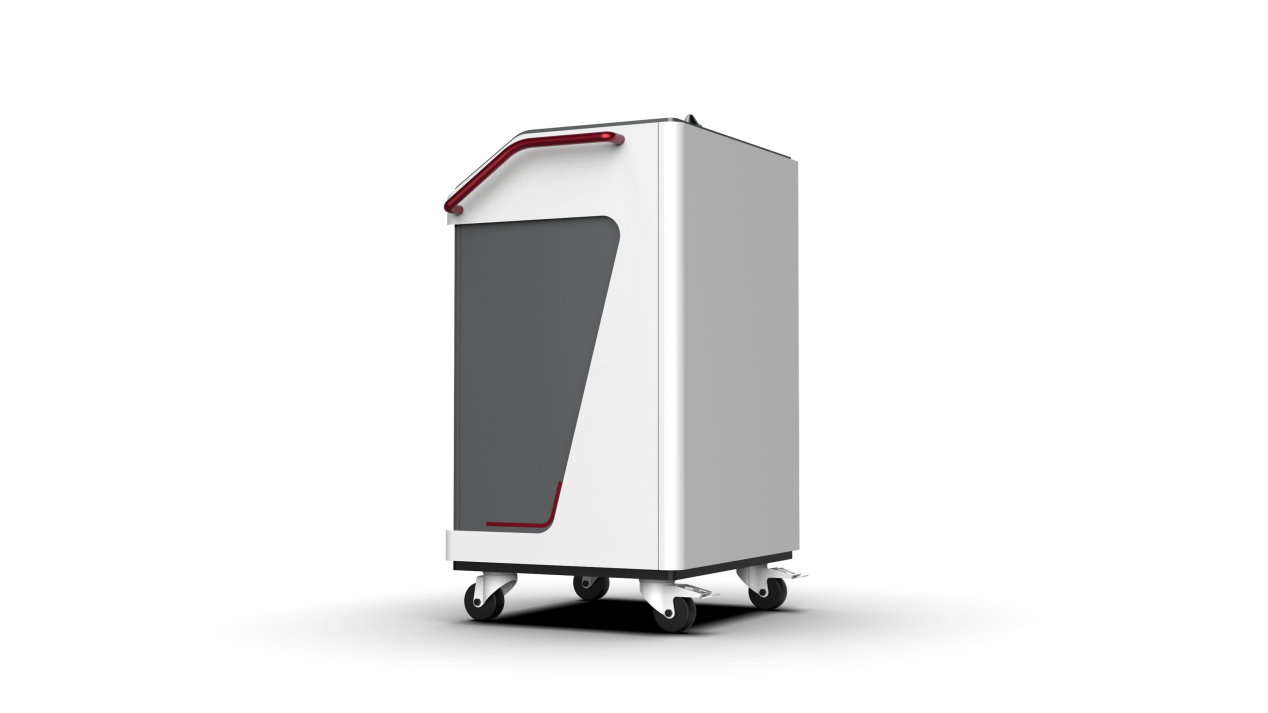 aHP Fogging MachineDry-fog aerosolized hydrogen peroxide; networkable for spaces up to 5,000 m³.VHP Sterilization
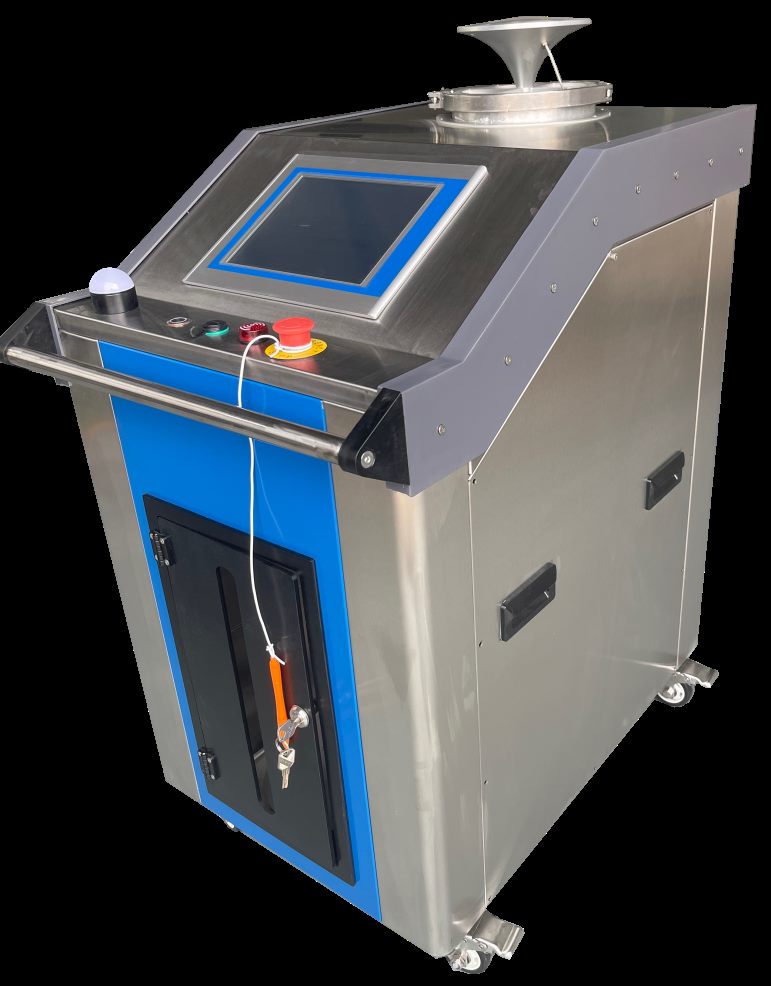 Mobile VHP Room SterilizerWheeled unit bio-decontaminating rooms up to 300 m³.VHP Sterilization
Need a validatable VHP solution for your facility?
Tell us the room or equipment you need to decontaminate and its GMP requirements, and our engineers will recommend the right VHP configuration.