








Aseptic Isolators: Open vs Closed (PDA TR34)
An aseptic isolator — also called a sterile processing isolator, an aseptic processing isolator, or simply a pharmaceutical barrier isolator — is a decontaminated enclosure that holds ISO 5 / Grade A conditions inside while staying completely separated from the room around it. PDA Technical Report 34 (TR34) classifies these isolators as open or closed, running at positive or negative pressure. This guide explains the difference, the background environment they allow, and the surface biodecontamination that makes them work.
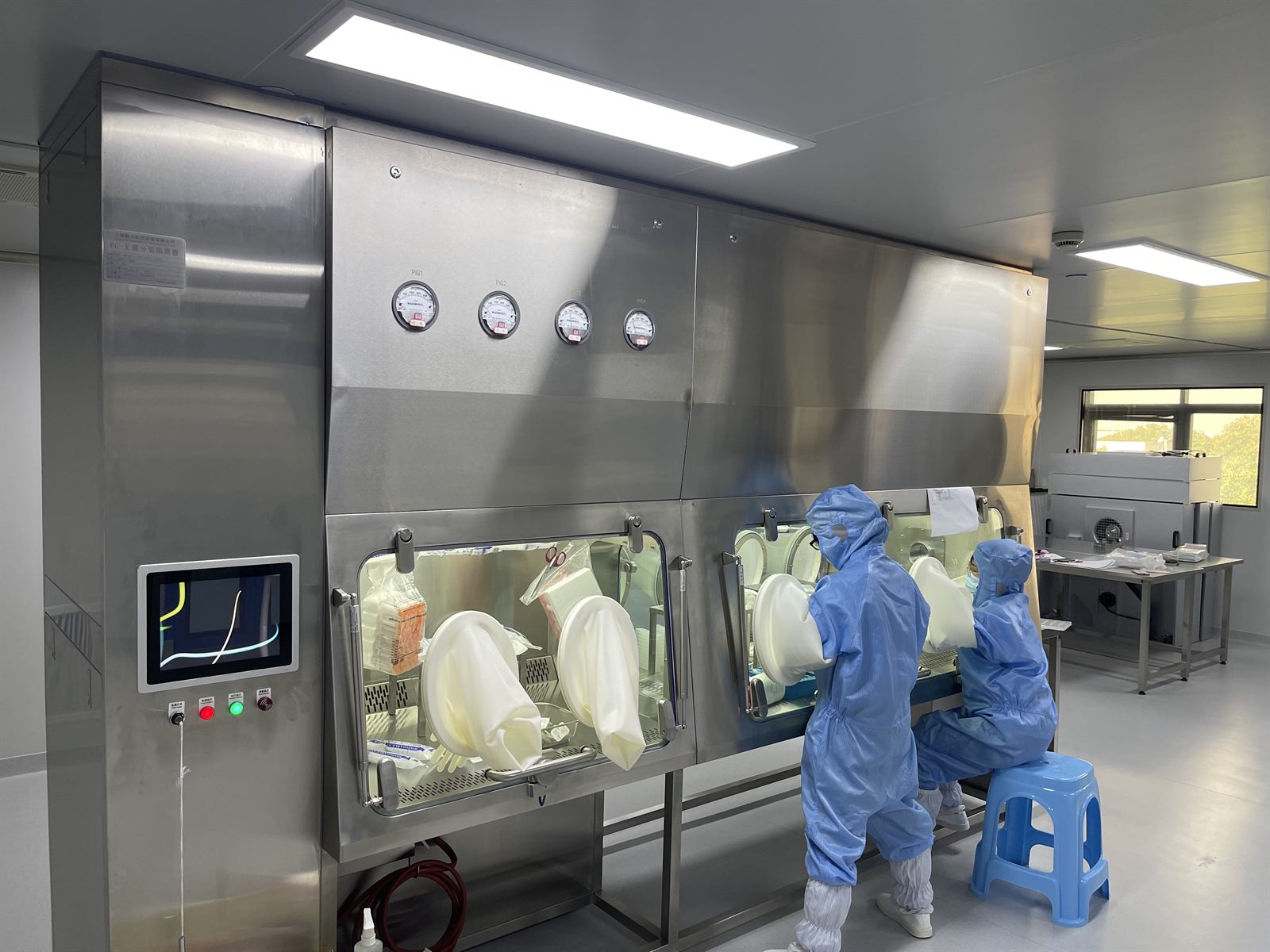
What is an aseptic isolator?
An aseptic (sterile) isolator is defined as a decontaminated device whose interior meets ISO 5 / Grade A conditions and does not break those conditions for a defined period, because it achieves complete separation from the surrounding environment. It is the highest-assurance way to protect a sterile product from the single biggest contamination source in a cleanroom — people. Depending on the process it can run at positive pressure (to protect the product) or negative pressure (to protect the operator from a potent product).
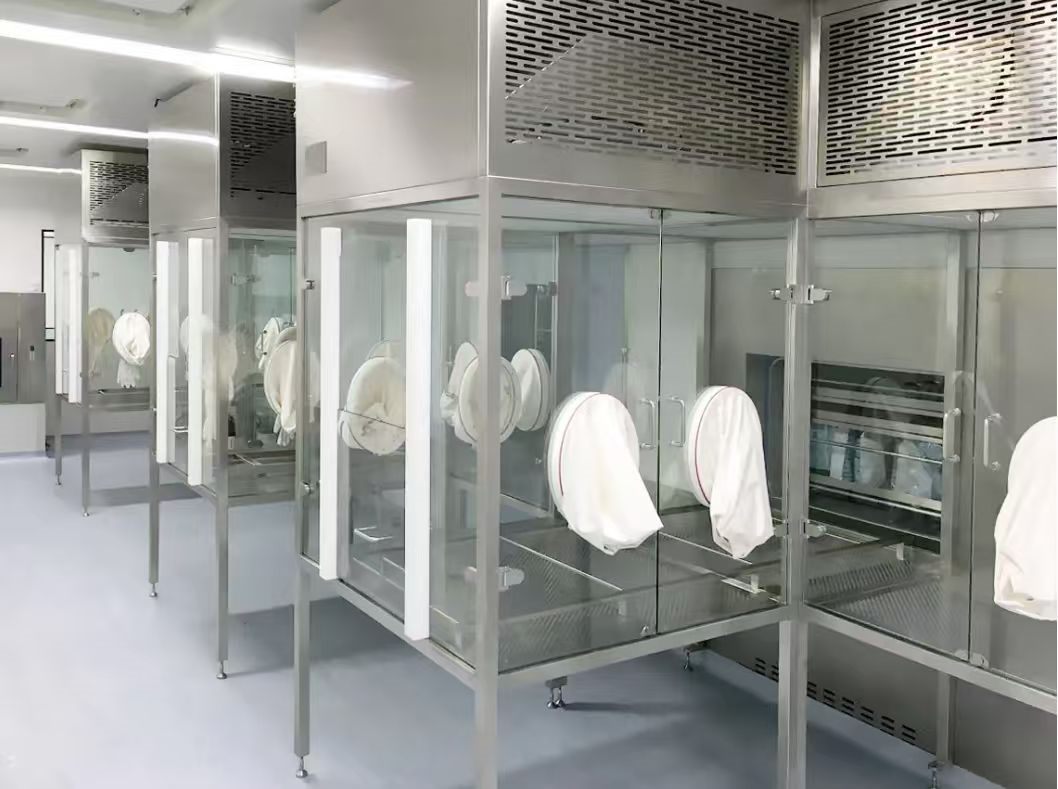
Open vs closed isolators (per PDA TR34)
Under PDA TR34, an isolator is open or closed depending on how it operates:
| Closed isolator | Open isolator | |
|---|---|---|
| Air exchange | Exchanges air with the room only through microbial-retentive filters. | Passes air directly to the room through openings (e.g. mouseholes), which must exclude viable and non-viable particles. |
| Typical use | Batch processes that don’t need large amounts of component handling — formulation, sterility testing. | Continuous processes. |
| Material entry | Loaded before the decon cycle runs, or passed in through a decontamination airlock. | Material is fed in continuously through appropriate decontamination or sterilisation devices. |
| Airflow control | Sealed, positive/negative pressure held against the room. | A pressure-differential zoning concept maintains a continuous outward airflow. |
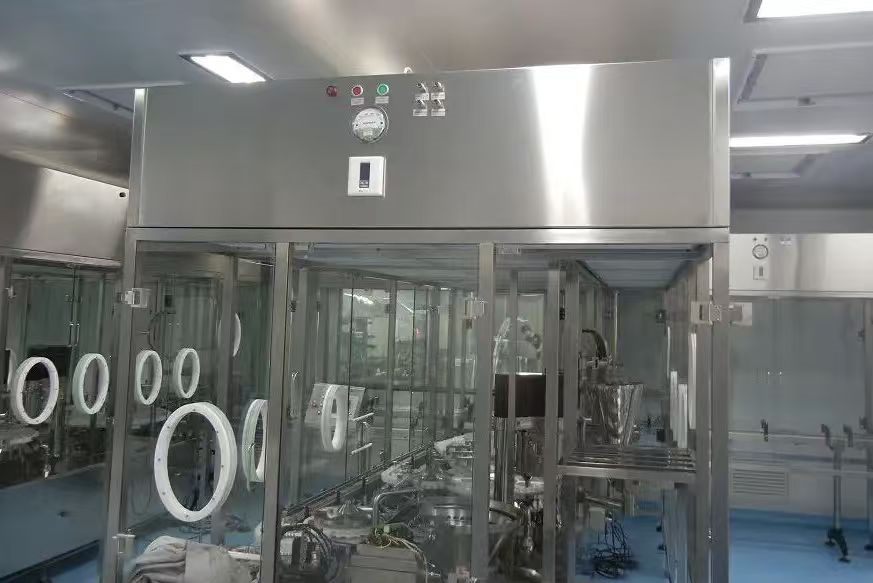
The background environment
Because a validatable isolator delivers such a high level of separation, it can be operated in an ISO 8 / Grade C background (for sterility testing, even a Grade D or an unclassified-but-controlled area), while still providing ISO 5 / Grade A inside — provided the surface decontamination step is completed. That is what makes isolators attractive: a lower-grade, cheaper-to-run surrounding room.
Surface biodecontamination
The surface decontamination cycle typically achieves a 6-log reduction of spores, and should be run every time the isolator is opened to the surrounding environment. All material entering the ISO 5 / Grade A zone should be surface-decontaminated before it goes in, so the critical zone is never compromised. The cycle uses a sporicidal agent — typically vaporised hydrogen peroxide (VHP); see What Is VHP Decontamination.
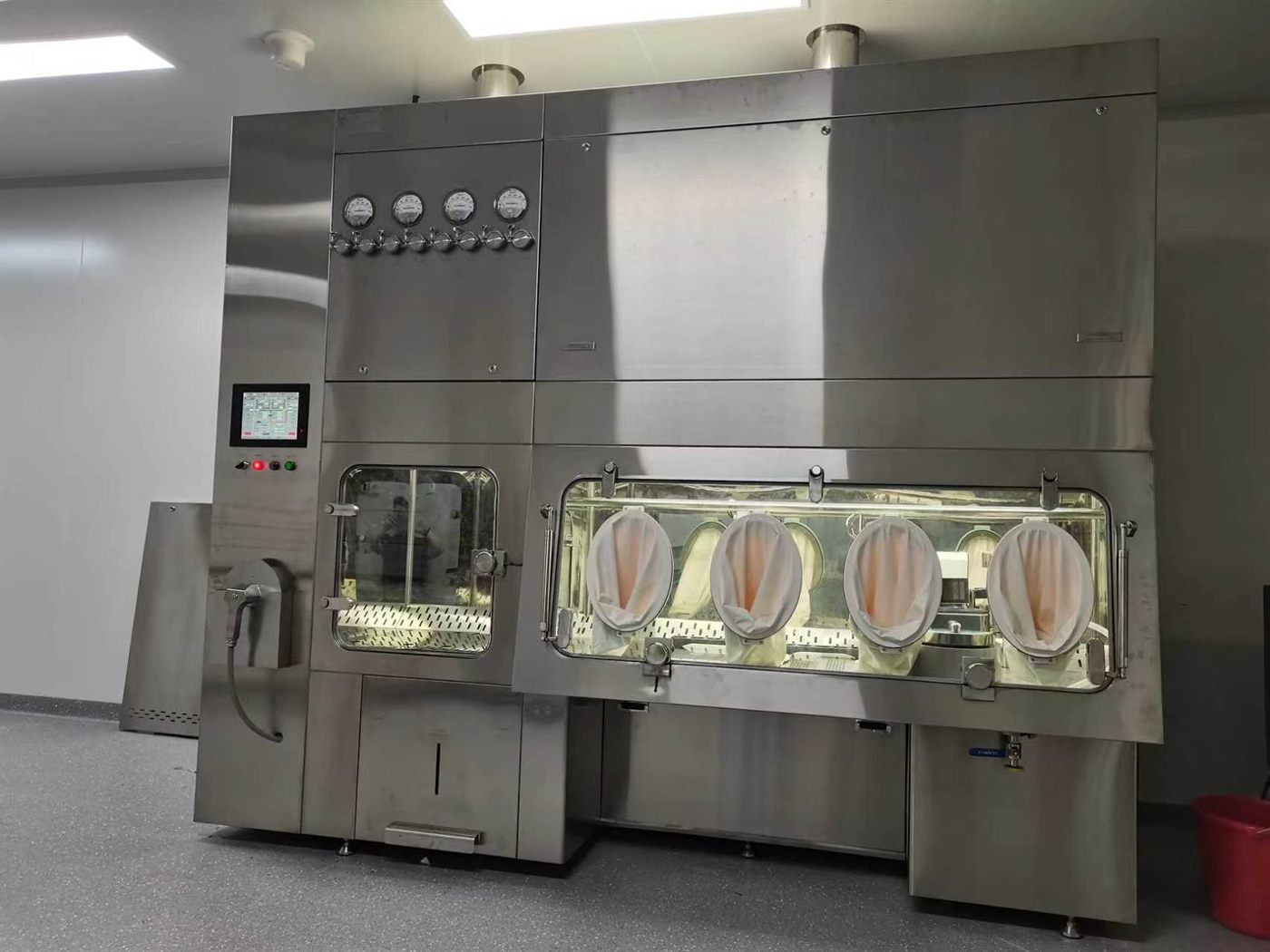
Design points for an aseptic isolator
- Use a sporicide (e.g. hydrogen peroxide) for a proper, validatable surface decontamination.
- Hold a continuous positive pressure inside a product-protection isolator; use negative pressure where the product is also potent (a risk analysis decides positive vs negative — see Positive vs Negative Pressure Isolator).
- Maintain a glove management programme — glove integrity and glove decontamination.
- Design transfer systems (RTPs, pass-throughs) so they never compromise the isolator’s cleanliness.
- Clean thoroughly after every batch to a repeatable standard, so the next surface decontamination is effective.
Beyond filling, the same concept protects quality control: a sterility test isolator gives a stable Grade A environment for pharmacopoeia sterility testing. For how an isolator compares to a RABS, see Isolator vs RABS.
FAQ
Is a closed isolator the same as a containment isolator?
Not exactly. “Closed” (per TR34) describes the airflow behaviour; a containment isolator is a negative-pressure isolator built to protect the operator. A closed isolator can be positive (aseptic) or negative (containment).
What Grade room does an isolator need?
Typically ISO 8 / Grade C, and for sterility testing even lower — far less demanding than the Grade B a RABS requires.
Related Products
Aseptic Filling IsolatorGrade A (ISO 5) barrier for sterile filling, stoppering and capping.Isolators & Barrier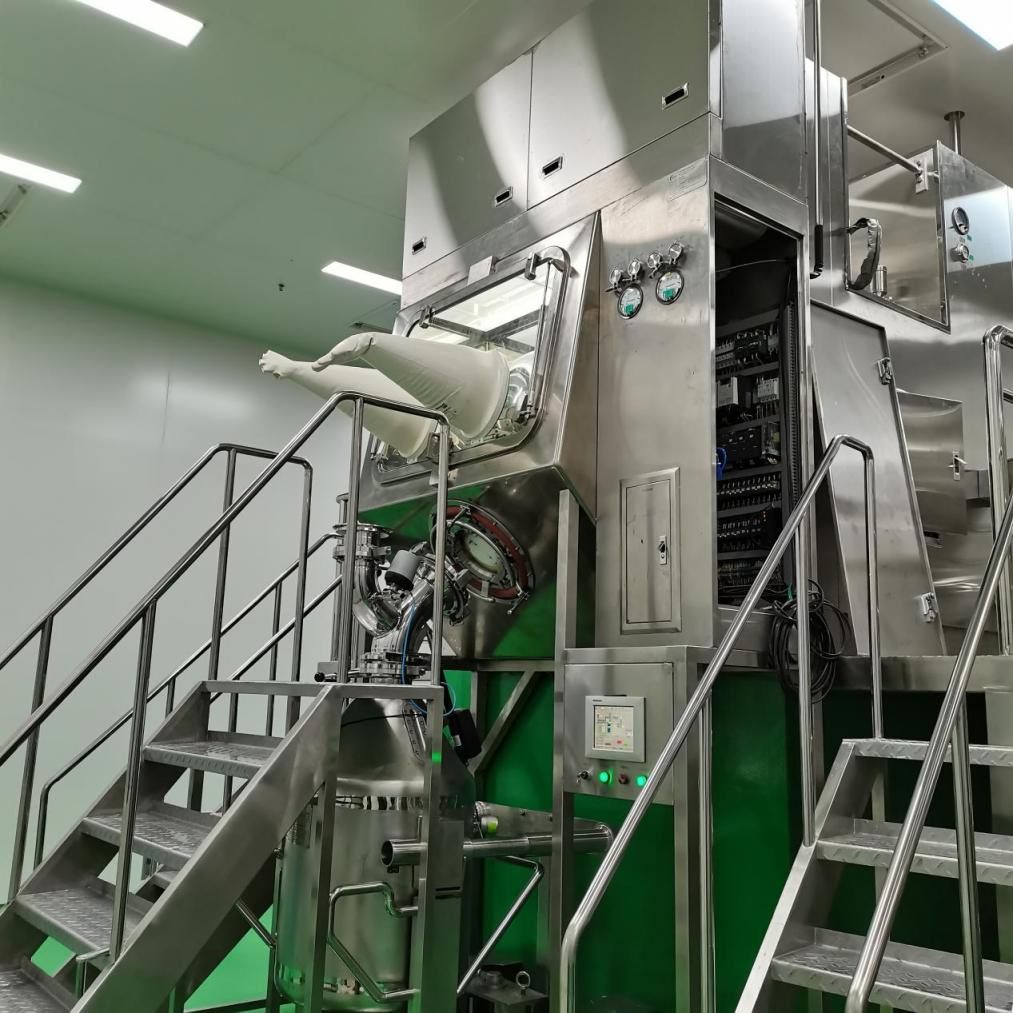 Dispensing & Containment Isolator (OEB5)Negative-pressure barrier for weighing, charging and sampling HPAPI.Isolators & Barrier
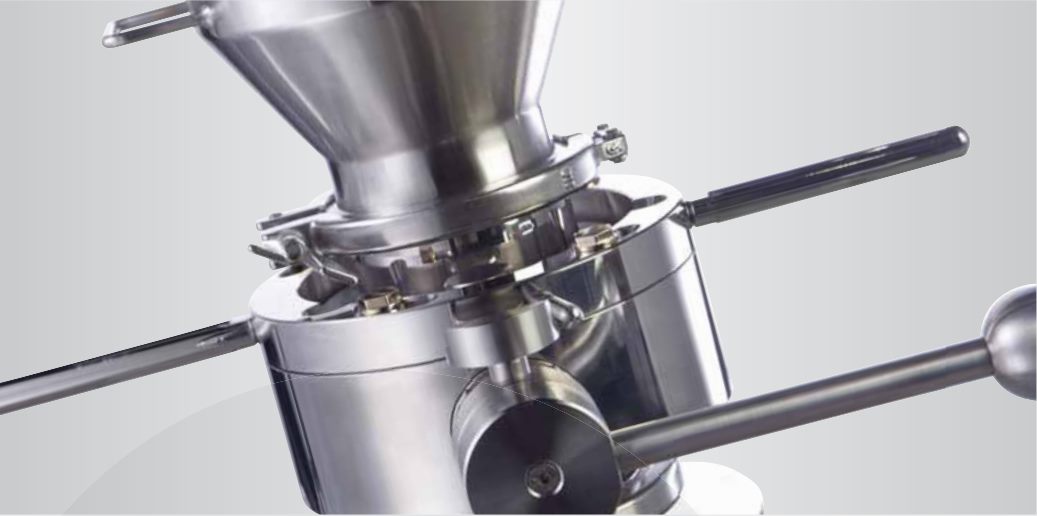 Alpha-Beta Split Butterfly ValveSplit butterfly valve for contained, dust-free transfer of potent powders.Transfer & Containment
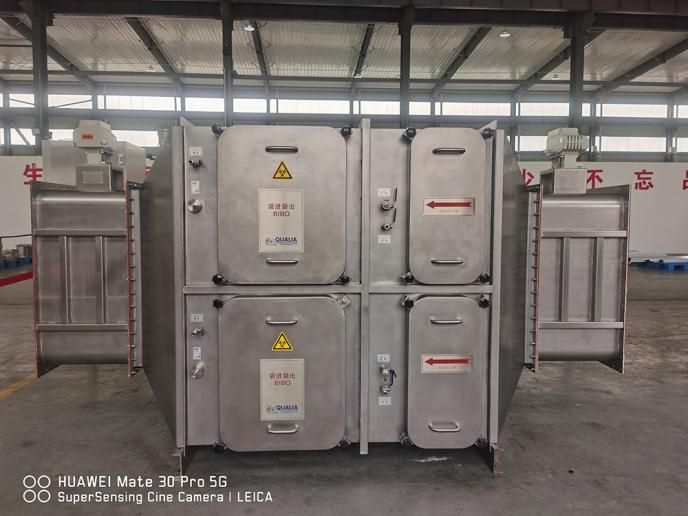 BIBO Filter HousingBag-in/bag-out HEPA housing for safe filter change in P3/P4 labs.Air Handling
Specifying an aseptic isolator?
Tell us your process, fill format and background cleanroom, and our engineers will recommend an open or closed, positive- or negative-pressure isolator with a validatable VHP cycle.