








VHP Pass Box vs Dynamic Pass Box: Which to Choose for Your Cleanroom
Both a VHP pass box and a dynamic pass box move materials between cleanroom zones without opening a door to an adjacent area — but they solve two different problems. One sterilizes the surface of what passes through; the other only cleans it of particles. Choosing the wrong one can either leave a contamination risk in place or add cost and cycle time you don’t need.
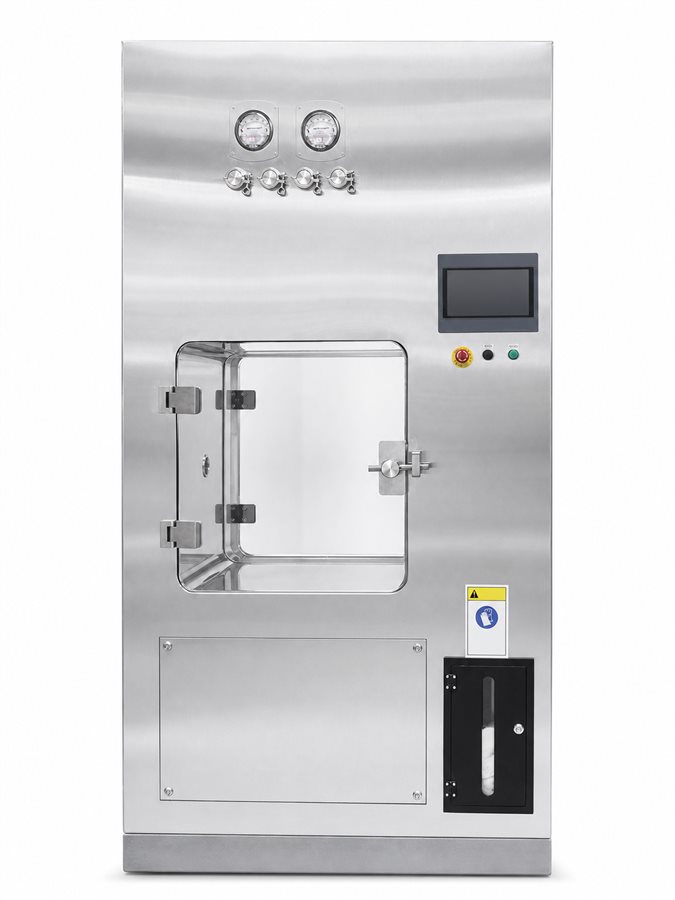
What Is a VHP Pass Box?
A VHP pass box is a transfer hatch that runs a vaporized hydrogen peroxide (VHP) cycle on every load. Items are placed inside, both doors interlock shut, and 30–35% H₂O₂ is flash-vaporized and circulated through the chamber. The oxidizing gas destroys the cell membranes, proteins and nucleic acids of bacteria, fungi, viruses and spores, achieving a 6-log (99.9999%) sporicidal reduction. After the cycle the peroxide breaks down into water vapor and oxygen, leaving no toxic residue.
Because it actually sterilizes surfaces, a VHP pass box is used where material must move into an aseptic or high-containment area — for items that cannot tolerate the heat or moisture of an autoclave.
What Is a Dynamic Pass Box?
A dynamic pass box (laminar-flow pass box) is fitted with a HEPA-filtered fan unit that creates a downward laminar airflow, and often an air-shower function. As items sit inside, filtered air sweeps particles off their surfaces before they enter the higher-grade zone. It removes particulate contamination — it does not sterilize. A cycle is fast (an air rinse of tens of seconds), and running cost is low.
Dynamic pass boxes are the workhorse for routine transfers between cleanroom grades where particle control — not sterility — is the requirement.
VHP Pass Box vs Dynamic Pass Box: Key Differences
| Criteria | VHP Pass Box | Dynamic Pass Box |
|---|---|---|
| Decontamination method | Vaporized H₂O₂ — chemical sterilization | HEPA-filtered laminar airflow / air shower |
| What it achieves | Surface sterilization, 6-log spore kill | Particle removal only (no sterilization) |
| Typical use | Transfer into aseptic / BSL / high-containment areas | Routine transfer between cleanroom grades |
| Cycle time | Longer (full VHP cycle + aeration) | Fast (seconds of air rinse) |
| Heat / moisture on load | Low-temperature, dry process | Ambient, dry |
| Relative cost | Higher | Lower |
| Residue | None (H₂O₂ → water + oxygen) | None |
Which One Should You Choose?
Choose a VHP pass box if materials must enter an aseptic filling suite, a sterility-test isolator, or a BSL-3/4 laboratory, and their surfaces must be demonstrably sterile before transfer. It is the right tool wherever a validated log reduction — not just “cleaner” — is required.
Choose a dynamic pass box if you are moving items between graded cleanroom areas where the goal is to control particle carry-over, and full surface sterilization is not needed. It is faster and more economical for high-frequency routine transfers.
Many facilities use both: dynamic pass boxes for general grade-to-grade transfers, and VHP pass boxes at the critical entry points to aseptic or containment zones. If material also needs a mechanically airtight barrier — for fumigation-sealed rooms — an airtight biosafety pass box may be specified alongside them.
Related Products
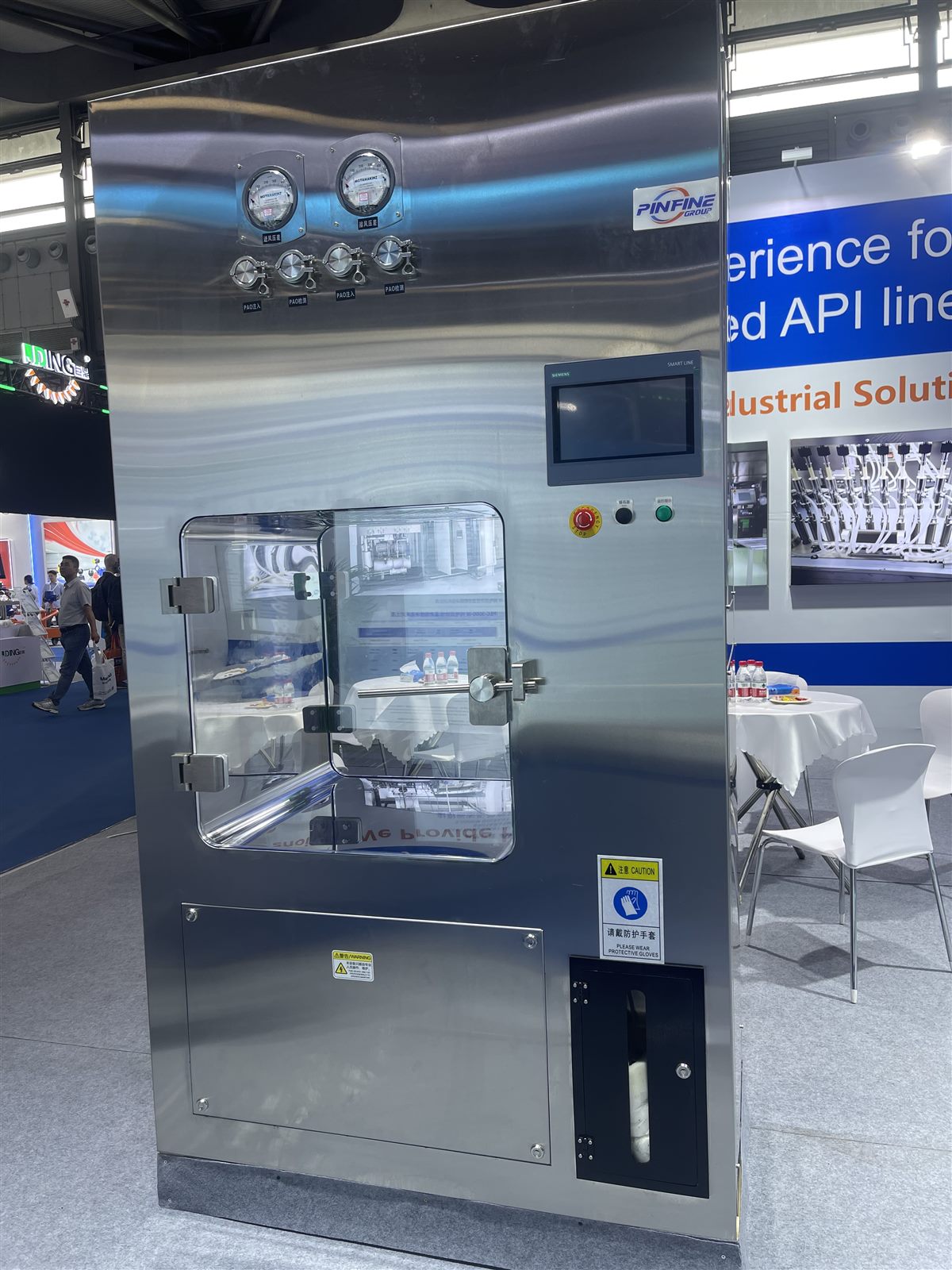 VHP Pass BoxWall-mounted transfer chamber with an integrated VHP cycle.Transfer & Containment
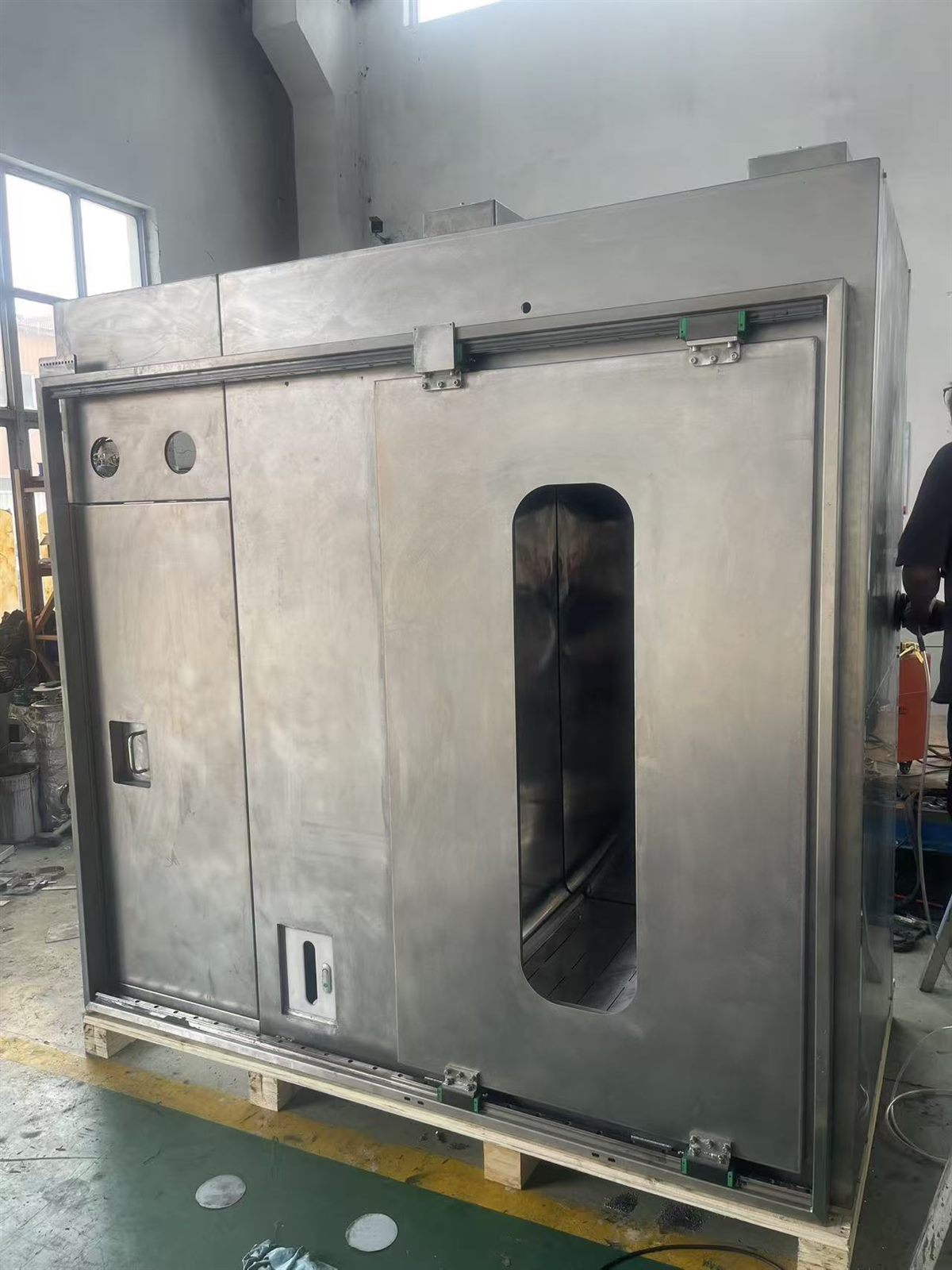 Automatic-Door VHP Pass BoxMotorised interlocked doors for hands-free, contamination-safe transfer.Transfer & Containment
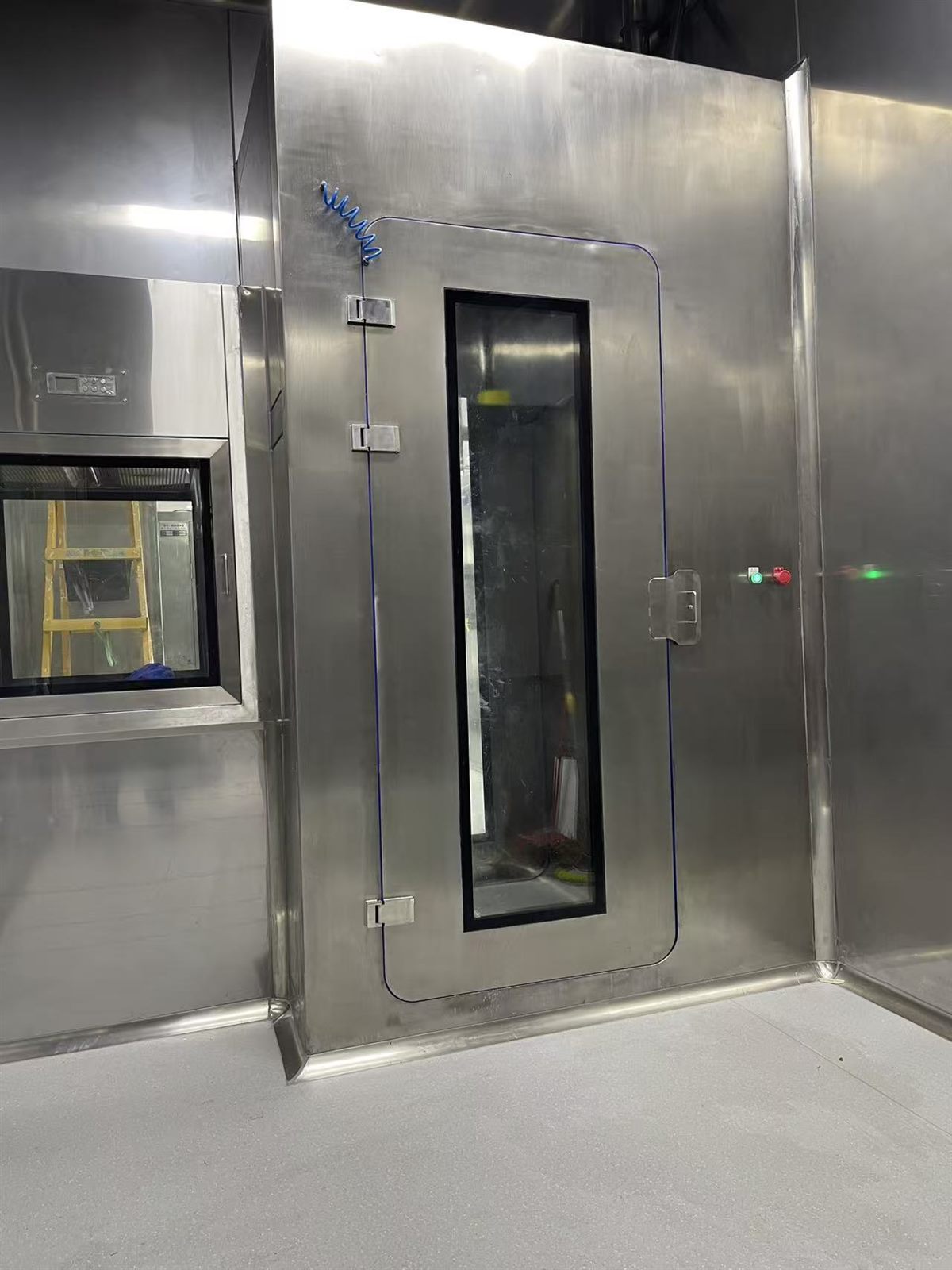 Floor-Standing VHP Pass BoxHigh-capacity floor chamber for trolleys, drums and bulky loads.Transfer & Containment
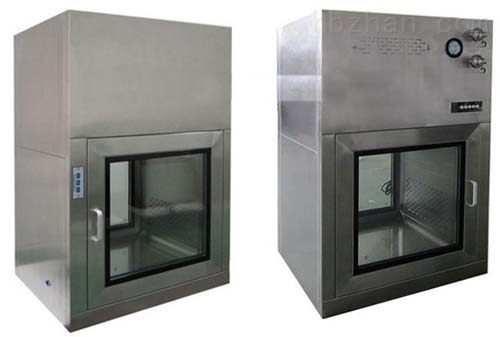 Laminar Flow Pass BoxDynamic hatch holding Grade B with H14 HEPA laminar airflow.Transfer & Containment
Need help specifying the right pass box?
Tell us your transfer scenario — containment level, throughput and validation requirements — and our engineers will recommend the right configuration.