








Positive vs Negative Pressure Isolator: Which Do You Need?
An isolator looks much the same whether it runs at positive or negative pressure — but that single choice decides what it protects. A positive pressure isolator protects the product from the outside world; a negative pressure isolator protects the operator (and the room) from what’s inside. Getting the direction right is fundamental to a safe, compliant process. This guide explains the difference and how to choose.
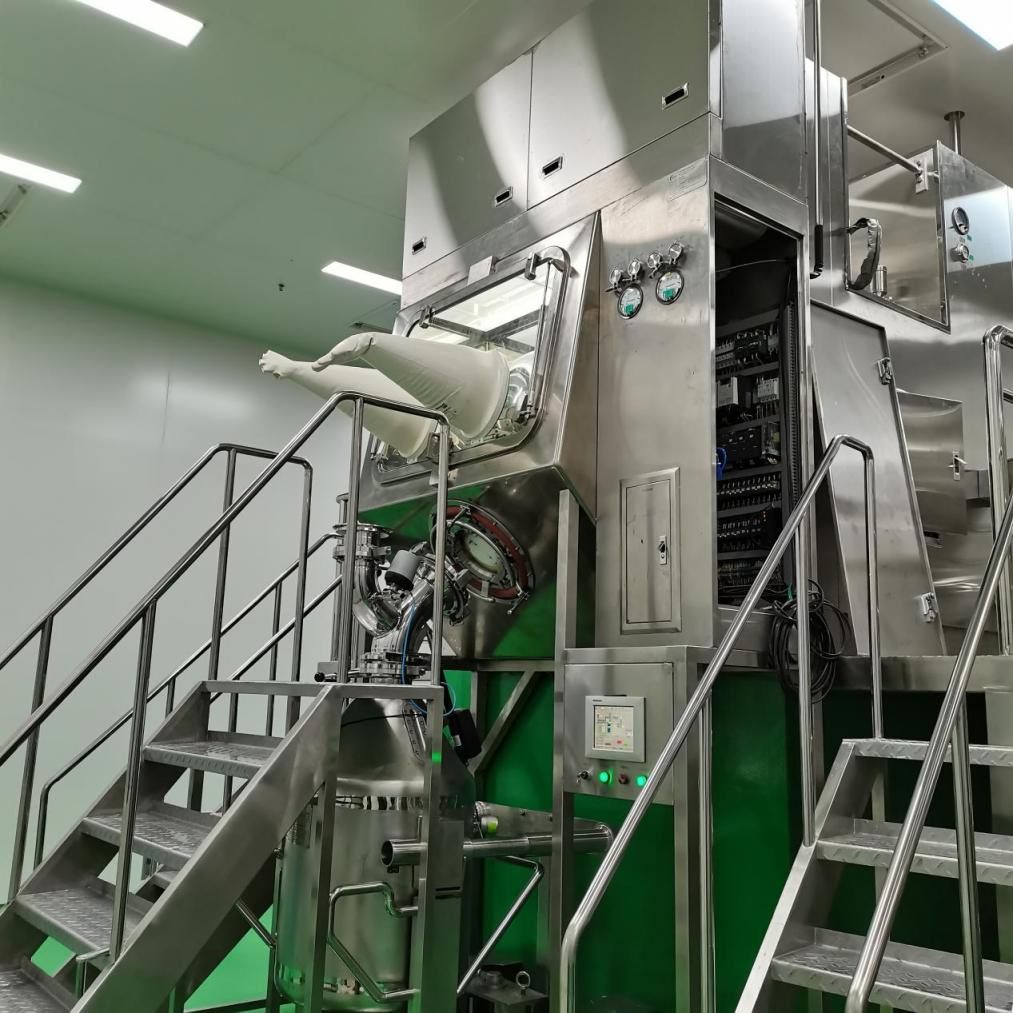
It comes down to which way the air leaks
An isolator maintains a pressure difference between its sealed interior and the surrounding room. If a tiny leak occurs — through a glove, a seal or a transfer — air flows from high pressure to low. That direction is the whole point:
- Positive pressure (interior higher than room): any leak flows outward, so room air — and its particles and microbes — can never get in. The product is protected.
- Negative pressure (interior lower than room): any leak flows inward, so whatever is inside can never get out. The operator is protected.
Positive pressure isolator: protect the product
Positive pressure is used for aseptic work, where the enemy is contamination getting in. A sterility test isolator and an aseptic filling isolator hold a Grade A / ISO 5 interior above room pressure so sterile product and open containers stay protected. A cell processing isolator works the same way to keep cells in a clean, controlled atmosphere.
Negative pressure isolator: protect the operator
Negative pressure is used for containment, where the enemy is a hazardous material getting out. A negative pressure isolator keeps operators safe from potent, sensitizing, infectious or radionuclide-contaminated substances, and a negative-pressure containment isolator handles highly potent APIs to OEB5. The containment target is defined by the compound’s exposure band — see OEB and OEL explained.
Positive vs negative at a glance
| Factor | Positive pressure | Negative pressure |
|---|---|---|
| Protects | The product | The operator / environment |
| Leak direction | Outward | Inward |
| Guards against | Contamination getting in | Hazard getting out |
| Typical use | Aseptic filling, sterility testing, cell processing | HPAPI handling, cytotoxics, infectious agents |
| Exhaust | HEPA-filtered supply, Grade A | HEPA-filtered one-way exhaust |
What if you need both?
Some applications must protect the product and the operator — for example, filling a sterile but cytotoxic drug. This calls for a containment aseptic isolator that combines Grade A conditions with negative-pressure containment (often with pressure sinks and cascades within the isolator). Some isolators are also pressure-adjustable: a sterility test isolator can run positive to protect the sample, or negative to protect the operator from the tested product, over a range such as −80 to +80 Pa.
How to choose
- Only the product is at risk (sterile, non-hazardous) → positive pressure isolator.
- Only the operator is at risk (potent or hazardous, non-sterile) → negative pressure isolator, specified to the OEB.
- Both (sterile and hazardous) → a containment aseptic isolator that does both.
Whichever way the pressure runs, the isolator still relies on a validatable biodecontamination cycle — usually VHP — and correct integration into the cleanroom.
Related Products
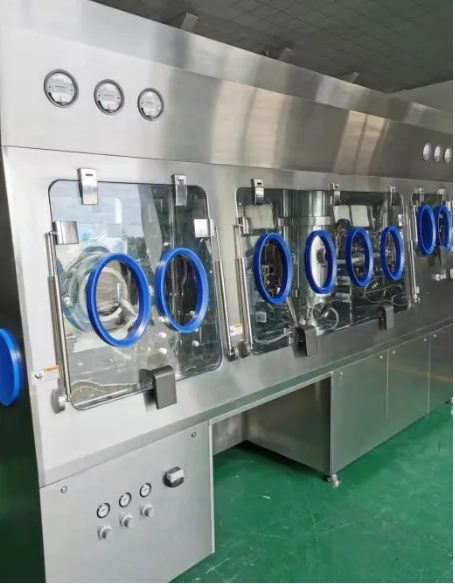 Negative Pressure IsolatorOEB5 containment at controlled negative pressure.Isolators & BarrierDispensing & Containment Isolator (OEB5)Negative-pressure barrier for weighing, charging and sampling HPAPI.Isolators & Barrier
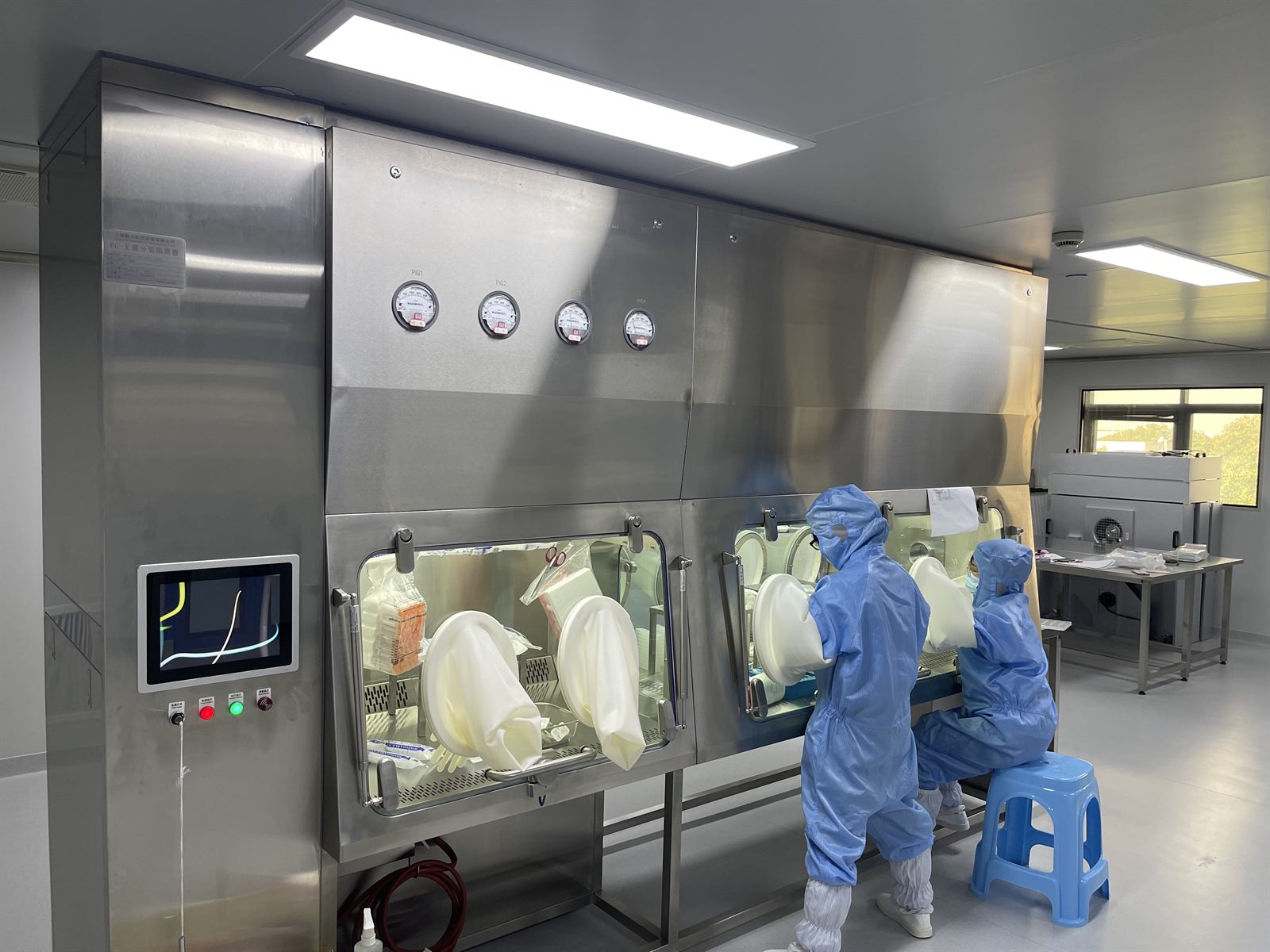 Aseptic Filling IsolatorGrade A (ISO 5) barrier for sterile filling, stoppering and capping.Isolators & Barrier
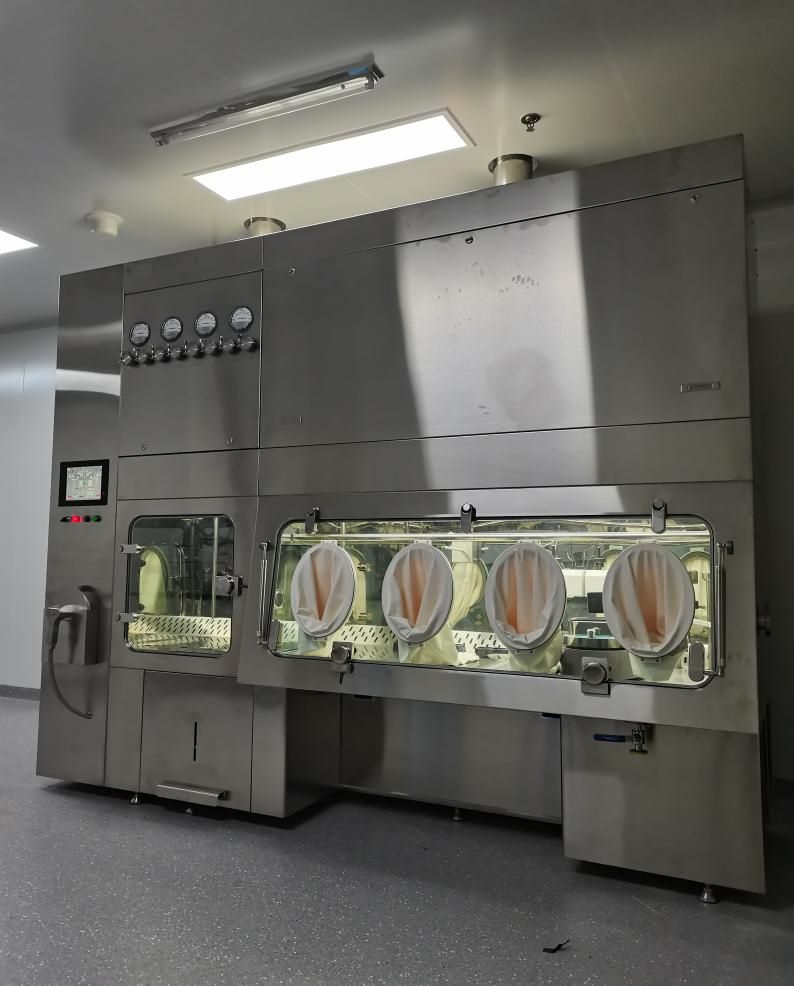 Sterility Test IsolatorGrade A barrier for pharmacopoeia sterility testing.Isolators & Barrier
Not sure which pressure regime you need?
Tell us what you’re protecting — product, operator or both — and your compound or process, and our engineers will specify the right isolator.