








Isolator HVAC Design: The Four Operating Modes (and Passive vs Active RABS)
Choosing between an isolator and a RABS is only the first decision — the barrier you pick then drives the design of your HVAC and control system. An isolator cycles through four distinct HVAC operating modes, while a RABS effectively runs in one. This guide explains each mode, how passive and active RABS connect to the air system, and the airflow best practices that keep a Grade A / ISO 5 zone reliable.
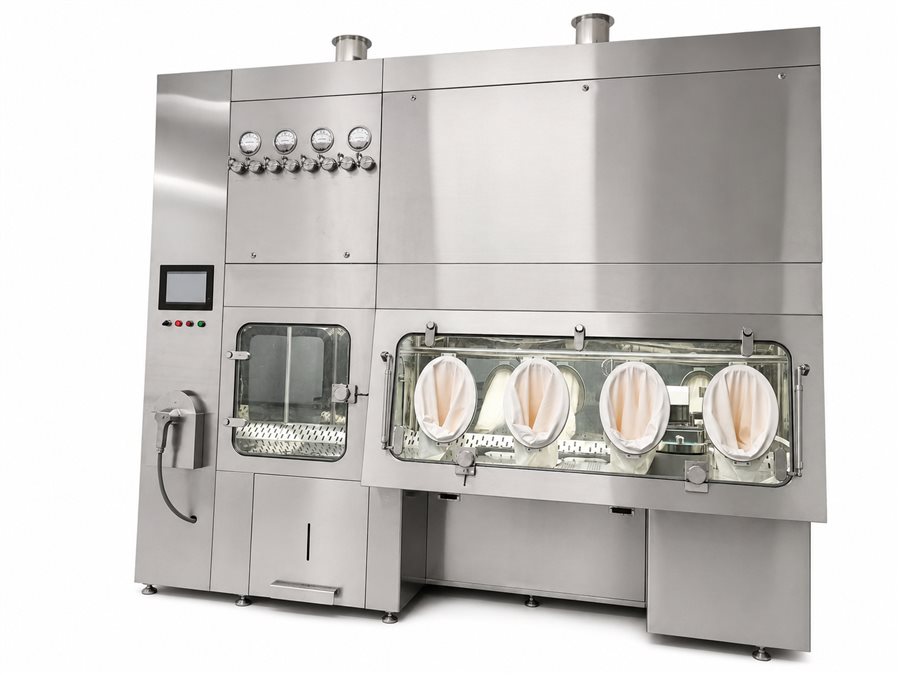
New to the isolator-versus-RABS decision itself? Start with our overview, Isolator vs RABS for aseptic filling, then come back here for the HVAC detail.
Why the barrier choice drives HVAC design
Open filling under unidirectional airflow (UAF) with mechanical guards or curtains cannot reliably isolate an exposed sterile product during operator intervention. A barrier system keeps the operator outside the critical zone, with interventions made through glove ports, rapid transfer ports (RTPs) or robotics. How that barrier exchanges air with the room — and whether it decontaminates itself — determines what the HVAC system has to do.
The four HVAC operating modes of an isolator
Unlike a simple cleanroom terminal, an isolator moves between four defined HVAC states across a production cycle:
| Mode | What happens | Purpose |
|---|---|---|
| Outflow | HEPA-filtered air flows through the critical zone and out through open doors into the surrounding room. | Dust settling, cleaning and equipment set-up. |
| Decontamination | The isolator is held airtight to the room while gaseous sterilant (VHP) is recirculated inside. | Validated biodecontamination of the enclosure. |
| Aeration | HEPA-filtered air flows out and is discharged through an exhaust. | Stripping residual sterilant down to a safe level. |
| Operation | HEPA-filtered air flows into the surrounding room through the mouseholes. | Maintaining Grade A / ISO 5 during aseptic processing. |
Whether the air comes from a dedicated air handling unit (AHU) or from the surrounding room, the AHU capacity, controls and — critically — its response to these mode changes all have to be engineered for the transitions between states. The biodecontamination step behind “Decontamination” and “Aeration” mode is explained in What Is VHP Decontamination.
RABS and HVAC: passive vs active
From an HVAC point of view a RABS has essentially one operating mode. But the two basic RABS types connect to the air system in different ways:
- Passive RABS — takes HEPA-filtered air directly from the facility’s ceiling-mounted HEPA terminals to maintain the Grade A / ISO 5 zone. It has no fans of its own.
- Active RABS — draws room supply air and recirculates it through its own HEPA filters into the Grade A zone, then releases it back into the room below working height.
Airflow best practices that make — or break — performance
- Return air low, not high. For both passive and active RABS, air should leave the room through low-level return grilles, not high-mounted side inlets on the unit. High-mounted inlets on some active RABS can seriously disturb the airflow pattern around the unit.
- Model it with CFD. Computational fluid dynamics (CFD) modelling is recommended to confirm the airflow pattern behaves as intended before the system is built.
- Avoid large cleaning gaps in passive RABS. Big openings between panels let air cross the gap and can draw Grade B / ISO 7 air into the Grade A / ISO 5 zone. A close-fitting but demountable top panel — sealing to the ceiling system yet removable for filter testing and replacement — is best practice; a gap between panel and ceiling lets Grade B air migrate through the space between HEPA filters into Grade A.
- Protect the door zone. The area around RABS doors should be protected by an enhanced local environment (e.g. LP/GAAS) so contaminants are controlled during cleaning or open-door interventions.
Don’t forget the background environment
Both isolators and RABS are typically operated within a Grade B / ISO 7 background, and the whole scheme still depends on a correctly classified cleanroom — see ISO 14644-1 cleanroom classification. For personalized, small-batch therapies such as cell and gene therapy, barrier-protected filling — often isolator-based — is increasingly the norm even for single-patient batches.
Related Products
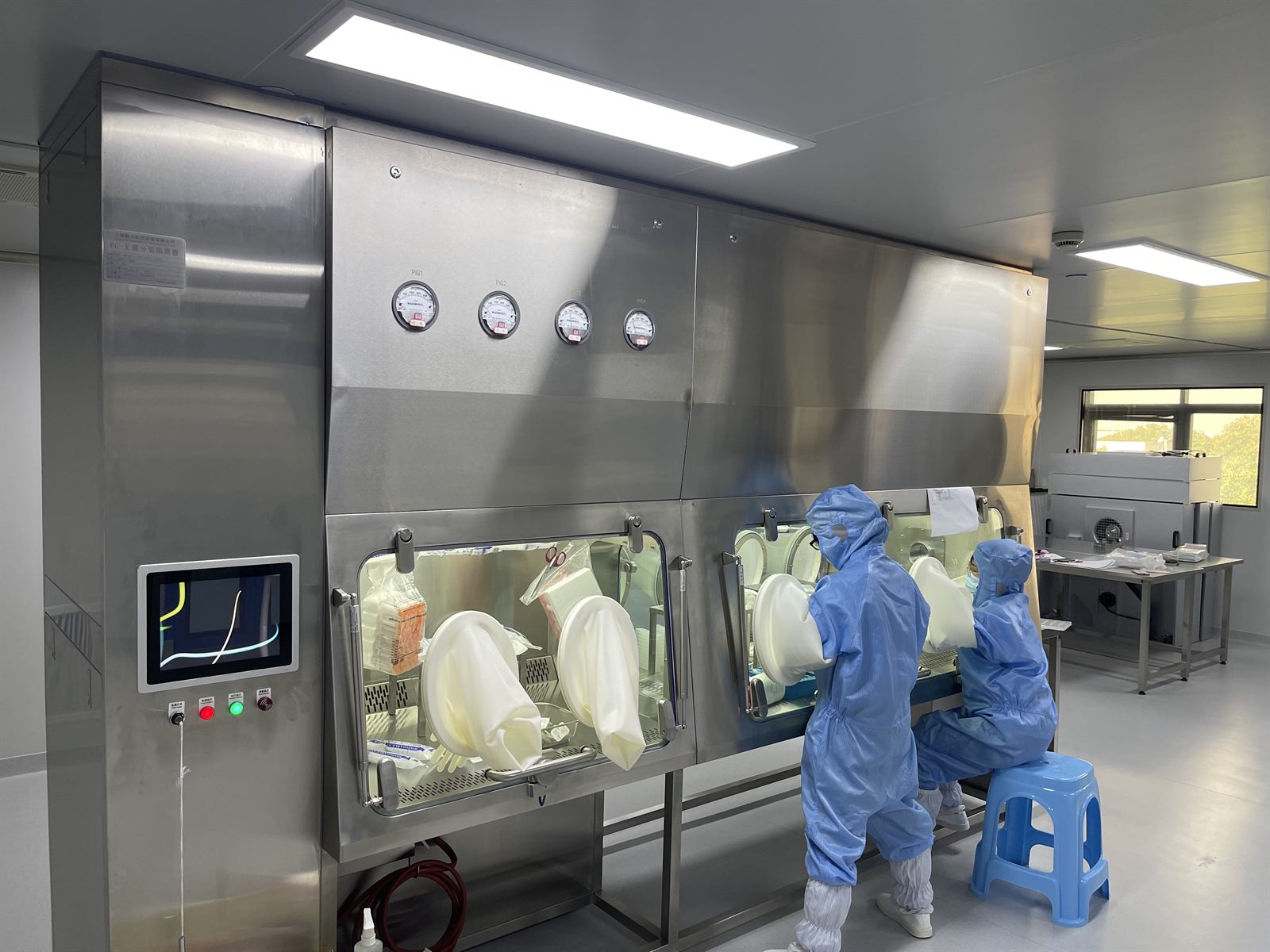 Aseptic Filling IsolatorGrade A (ISO 5) barrier for sterile filling, stoppering and capping.Isolators & Barrier
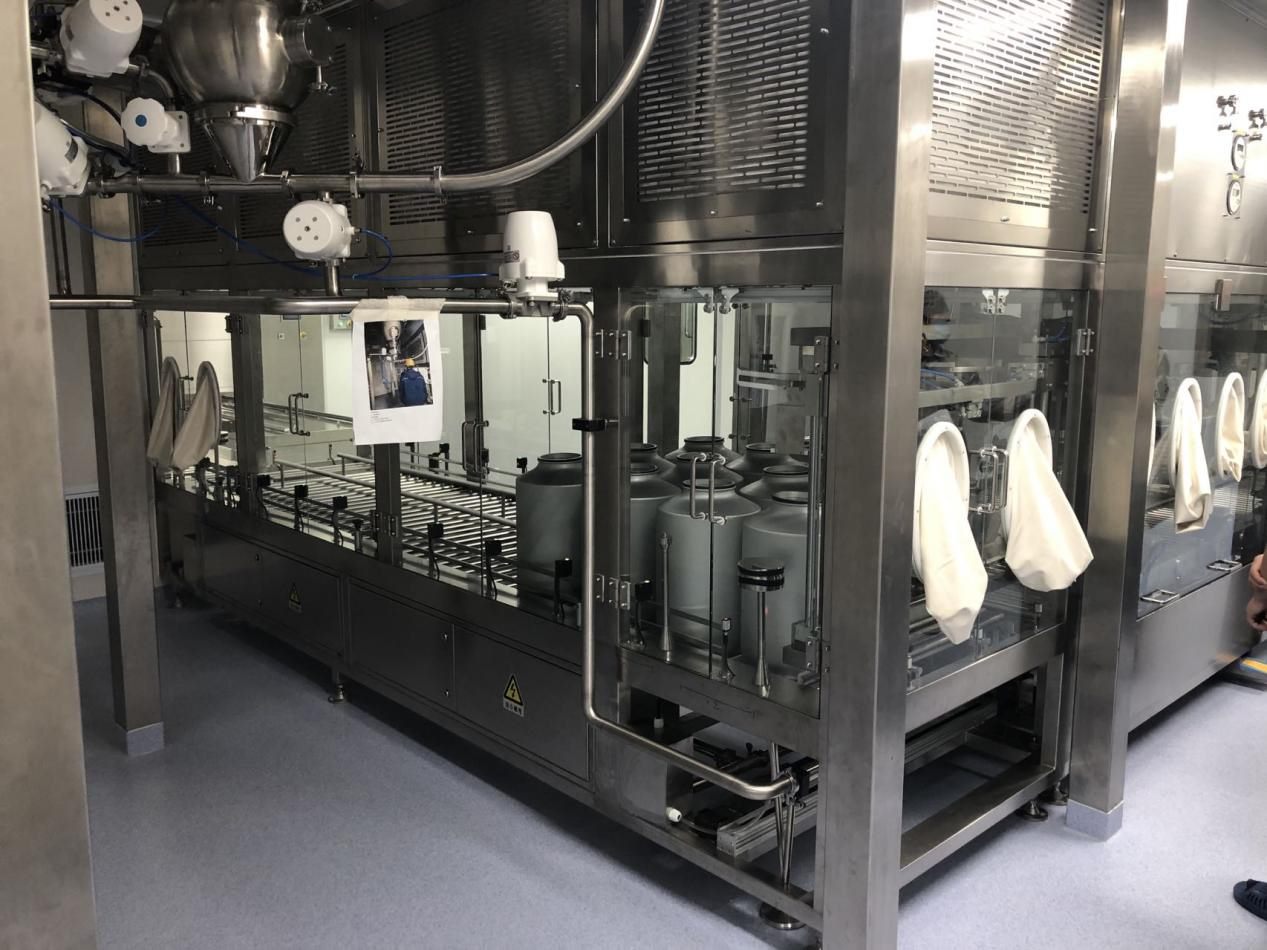 Open RABS (oRABS)Grade A restricted-access barrier system for filling lines.Isolators & Barrier
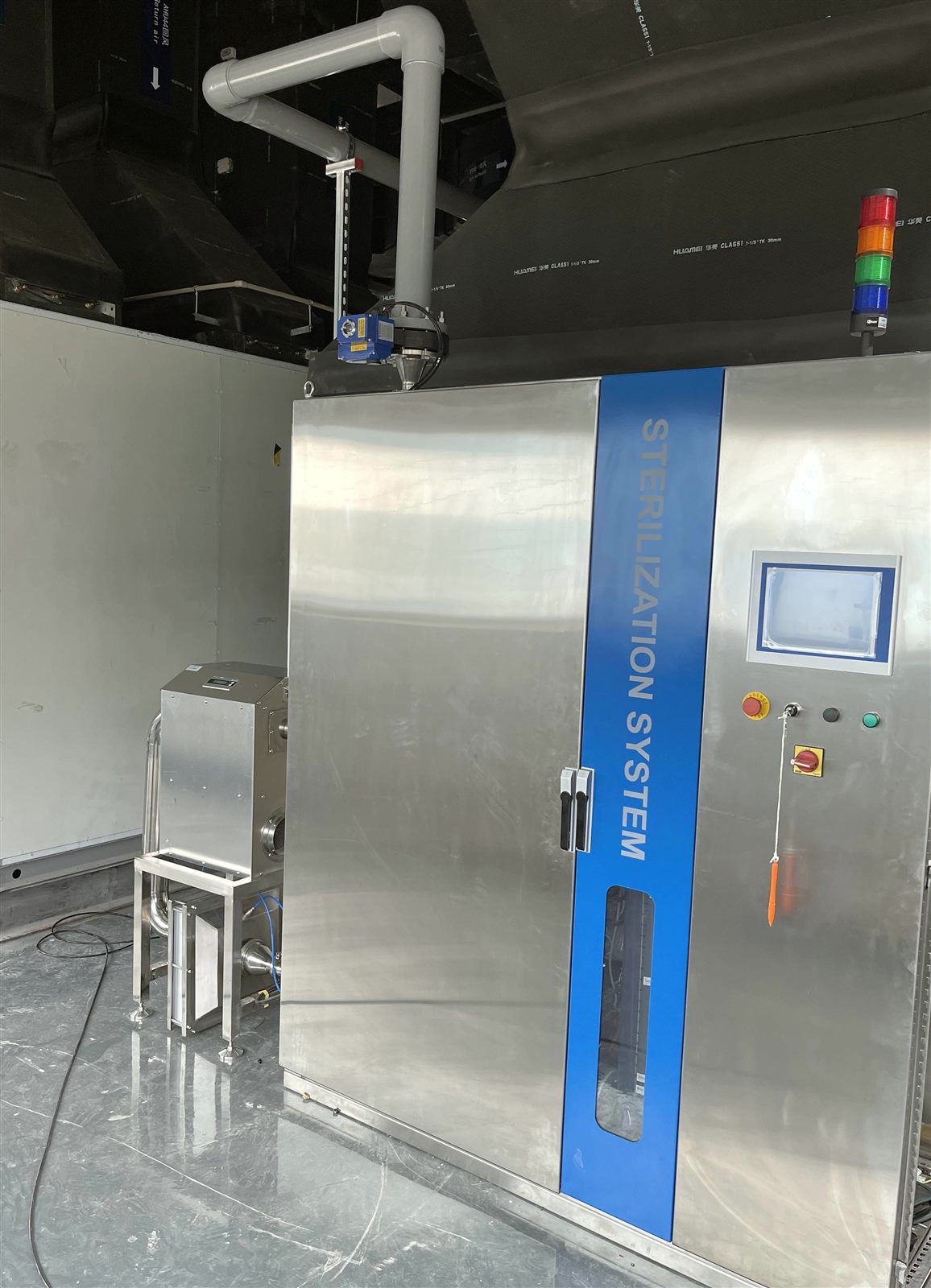 HVAC-Integrated VHP SystemCouples VHP to existing air handling to decontaminate suites and ductwork.VHP Sterilization
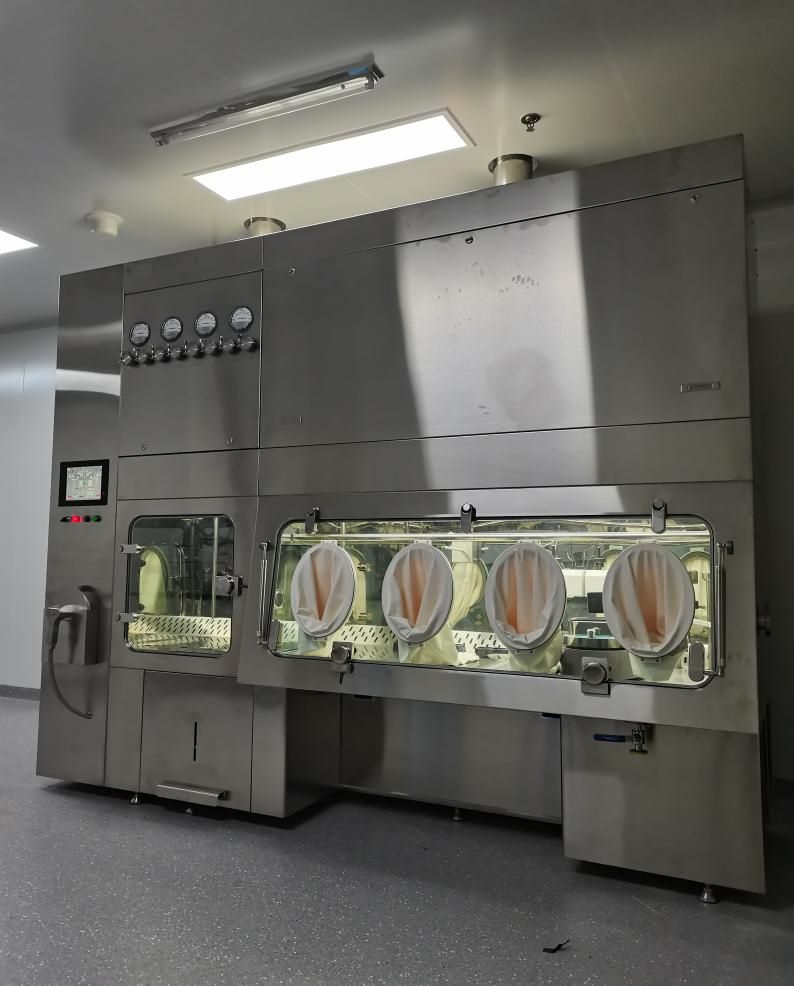 Sterility Test IsolatorGrade A barrier for pharmacopoeia sterility testing.Isolators & Barrier
Designing the HVAC around your barrier system?
Tell us your process and cleanroom layout, and our engineers will help specify the isolator or RABS airflow scheme — modes, AHU sizing and controls — that fits your validation requirements.