








Freeze Dryer VHP Sterilization: Why It’s Hard, Condensation Control, and Cycle Development
A freeze dryer (lyophilizer) is one of the hardest pieces of equipment on an aseptic filling line to VHP-sterilize — not because the chemistry is complicated, but because its structure and operating temperature work against VHP: multiple shelf levels, tight shelf stacks, and surfaces that run very cold. Every one of those makes gas distribution harder. Whether a freeze dryer VHP sterilization cycle (freeze dryer hydrogen peroxide sterilizer) is done right often decides whether a batch passes release. This guide focuses on the freeze dryer alone — why it’s hard, how to control condensation, how the cycle is developed and validated, and how it interfaces with the filling line.
Why a freeze dryer is harder than typical equipment
VHP sterilization comes down to “concentration × time,” and a freeze dryer’s structure works against both:
- Multiple shelves, uneven gas distribution. A lyophilizer chamber usually has several horizontal shelf levels; the gas must reach every level and corner evenly, so load mapping naturally needs more points than a single-cavity chamber.
- Cold shelves, high condensation risk. Freeze dryer shelves run very cold in refrigeration mode, and VHP condenses into liquid hydrogen peroxide the moment it touches a cold surface — condensation not only extends aeration time afterward, but residual liquid peroxide can corrode surfaces. This is the biggest difference between freeze dryer VHP sterilization and decontaminating an ordinary equipment cavity.
- Connected to filling, complex validation boundaries. Many freeze dryers connect directly to an aseptic filling line, so the VHP cycle has to cover not just the chamber itself but the interface with the transfer tunnel and load port — an unclear boundary leaves a decontamination blind spot.
Controlling condensation: raise the shelf temperature first
Condensation control isn’t really about the VHP generator — it’s about raising the shelf temperature to a safe range before the cycle starts. The shelf surface temperature typically needs a margin above the cycle’s target dew point so VHP vapor doesn’t liquefy on the shelf surface. Standard practice:
- Warm the shelves before injecting VHP, and only start the cycle once they reach the target temperature;
- Monitor shelf temperature and dew point in real time throughout the cycle, automatically slowing injection or pausing if approaching the condensation threshold;
- Use a recirculating VHP generator that actively circulates gas through the chamber rather than passive diffusion — circulation reduces local pooling at dead spots.
For general VHP cycle parameters (concentration, humidity, saturation, condensation), see VHP Cycle Parameters; what makes a freeze dryer different is that the cold source is inside the chamber itself, making control harder than an ordinary cleanroom.
Cycle development and validation: where to map
| Element | Detail |
|---|---|
| BI placement | At least one biological indicator per shelf level, weighted toward the coldest position and the point farthest from the gas inlet, to prove a ≥6-log kill. |
| Chemical indicators | Support distribution mapping and quickly flag circulation dead zones. |
| Temperature/dew point logging | Record shelf temperature curves through the whole cycle as direct evidence against condensation risk. |
| Aeration & residual | Extended aeration after the cycle, with residual peroxide down to a safe level (commonly ≤1 ppm) before loading. |
| Also called | Freeze dryer VHP sterilization, freeze dryer hydrogen peroxide sterilizer, lyophilizer VHP sterilization, freeze dryer VHP decontamination. |
For the full cycle development and IQ/OQ/PQ process see VHP Cycle Development & Qualification; the general 6-log validation approach is in How a VHP Cycle Is Validated.
What to watch when connecting to the filling line
When a freeze dryer connects directly to an aseptic filling line, the VHP cycle needs to cover the entire transfer path between the chamber and the filling isolator/RABS, not just the chamber itself. Plan it together with the aseptic filling isolator’s own cycle so concentration and contact time both meet spec on either side of the interface, with no blind spot left uncovered.
FAQ
Does VHP always cause condensation in a freeze dryer?
Not necessarily. As long as shelf temperature is raised to a safe range before the cycle and dew point is monitored throughout, condensation risk can be controlled to a low level; real problems come from skipping the warm-up or the monitoring step.
How long does freeze dryer VHP sterilization take?
It depends on chamber volume, number of shelf levels and target concentration; it usually takes longer than decontaminating an ordinary equipment cavity because it has to balance condensation control with multi-shelf coverage — the exact time should come from cycle development data.
Can a mobile VHP unit be used for a freeze dryer?
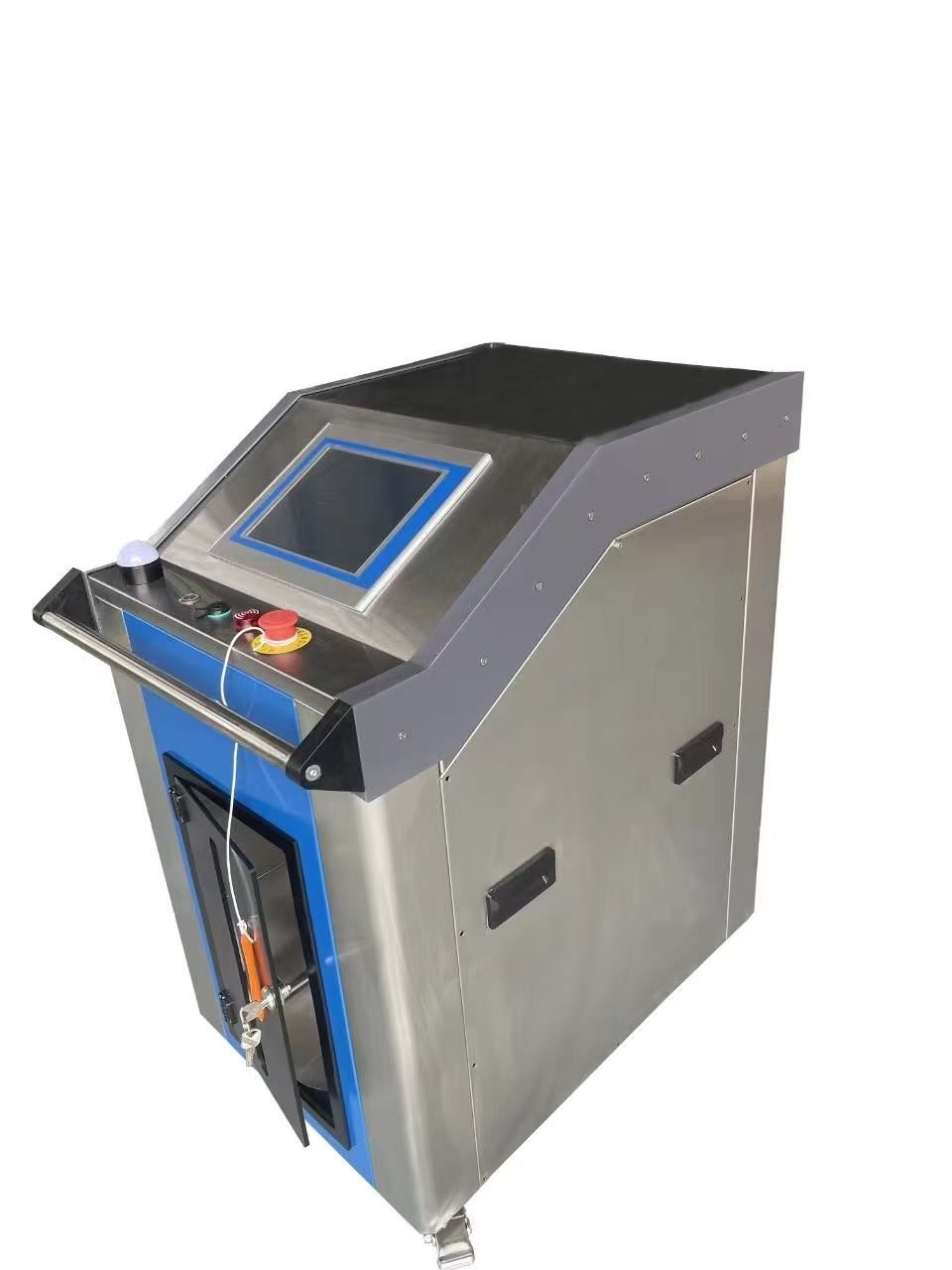
Freeze dryer chamber decontamination is usually done with a recirculating generator that injects gas directly into the chamber for precise concentration and flow control; mobile units are more suited to room-level space decontamination — same principle, different form.
Related Products
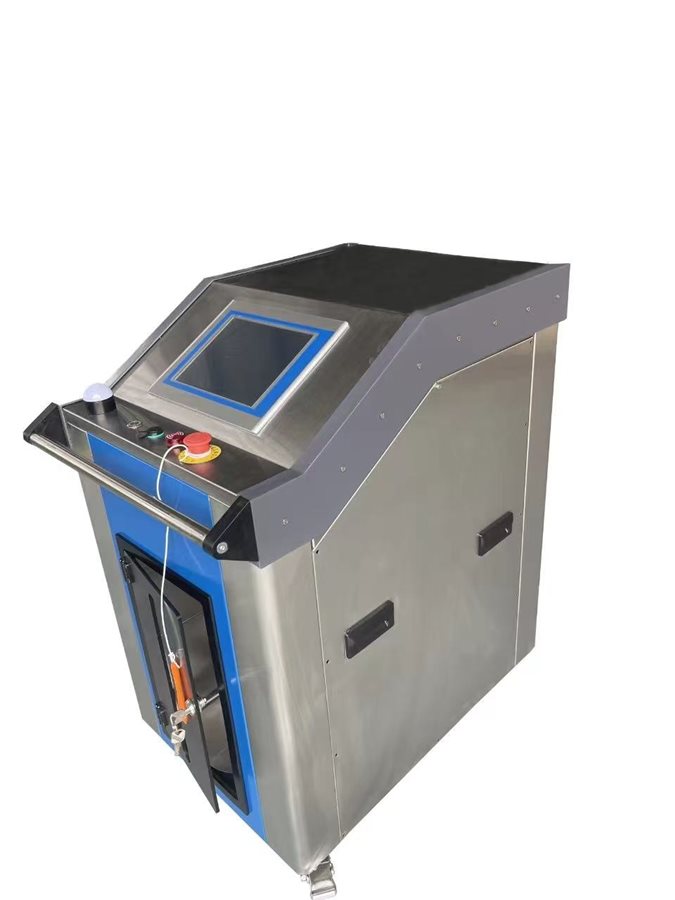 Recirculating VHP GeneratorRecirculating VHP for interior decon of BSCs, lyophilizers and fermenters.VHP SterilizationPulsed-Vacuum VHP GeneratorPulsed-vacuum cycling drives VHP into hard-to-reach equipment interiors.VHP Sterilization
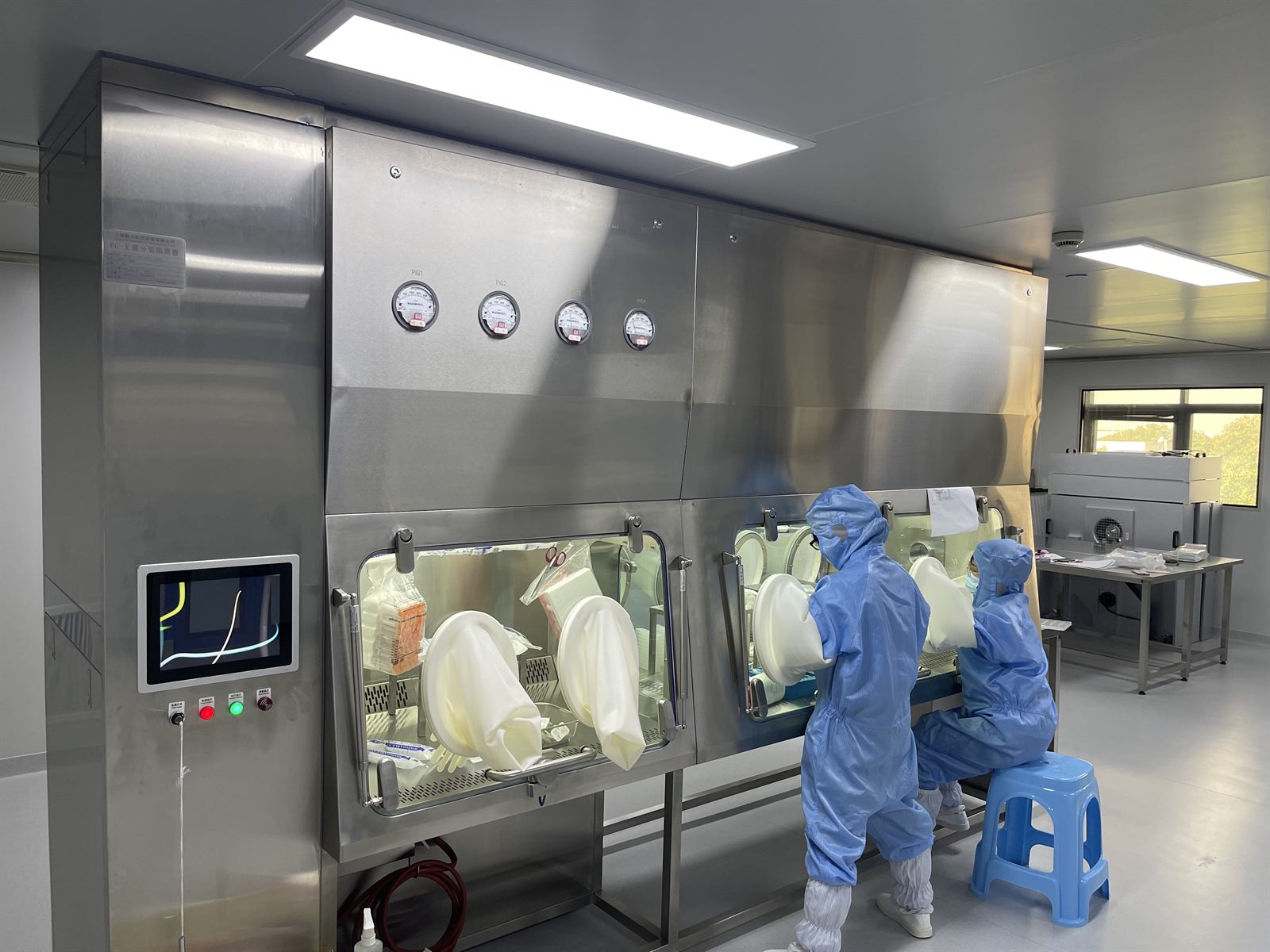 Aseptic Filling IsolatorGrade A (ISO 5) barrier for sterile filling, stoppering and capping.Isolators & Barrier
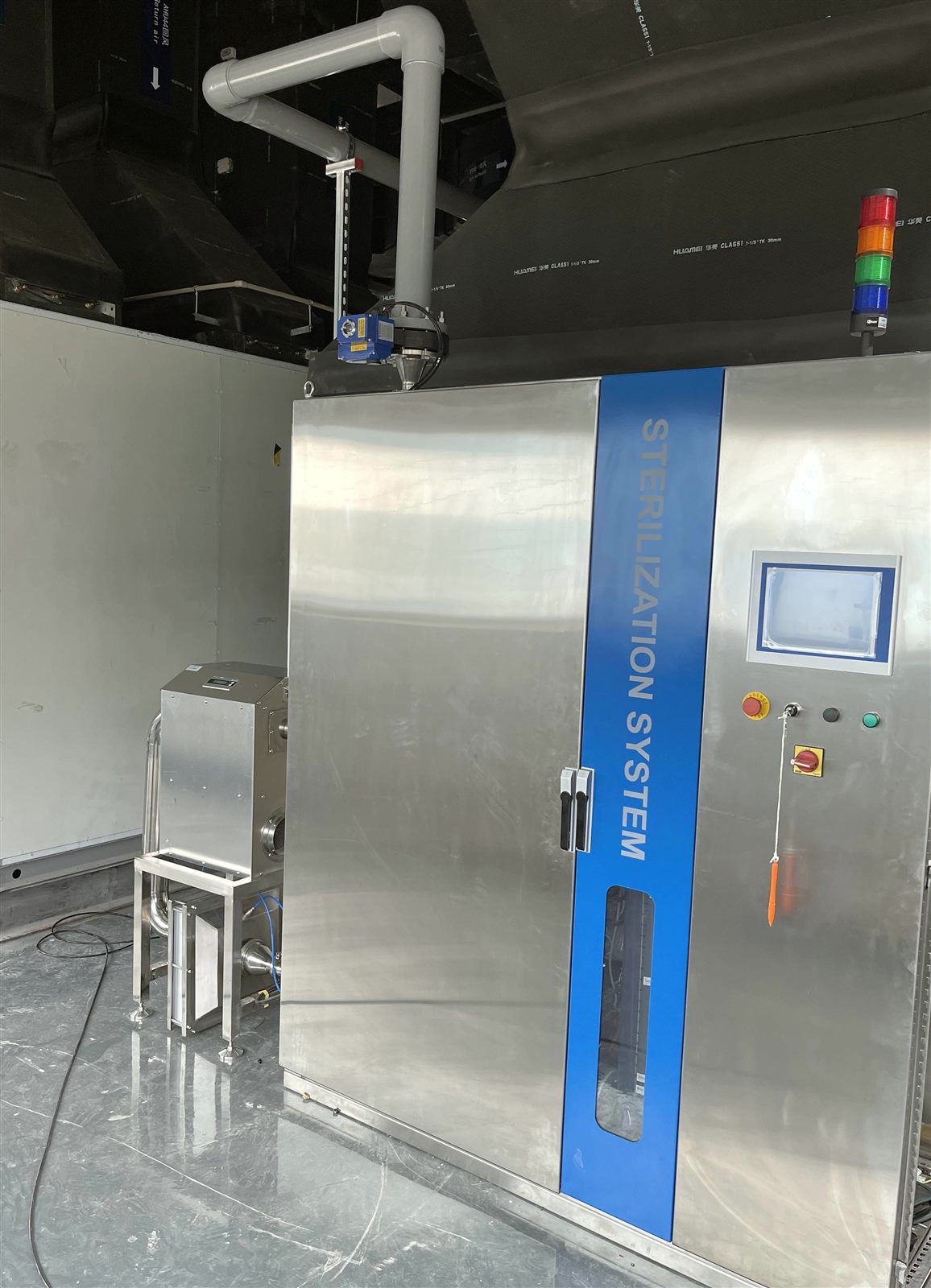 HVAC-Integrated VHP SystemCouples VHP to existing air handling to decontaminate suites and ductwork.VHP Sterilization
Need a validated VHP cycle for your freeze dryer?
Tell us your freeze dryer model, number of shelf levels and whether it connects to a filling line, and Fenggu will develop a targeted VHP cycle — condensation control, load mapping and filling-line interface designed as one.