








What Is a Rapid Transfer Port (RTP)? Alpha/Beta Docking Explained
A Rapid Transfer Port (RTP) answers a specific problem in isolator and RABS workflows: material has already been sterilized somewhere else — how do you get it inside the barrier without breaking the barrier’s own sterility? RTP solves this with a docking system built like a special door: a fixed frame and a matching, movable door-with-lid. This article covers how it actually works, and how it’s genuinely different from the two products it’s most often confused with — VHP pass boxes and split butterfly valves.
How It Works: Why “Frame and Lid” Is the Right Mental Model
The easiest way to understand an RTP is to picture it as a special kind of door:
- Alpha (fixed port) — permanently mounted on the isolator, glovebox, RABS or cleanroom wall, like a door frame. It never moves.
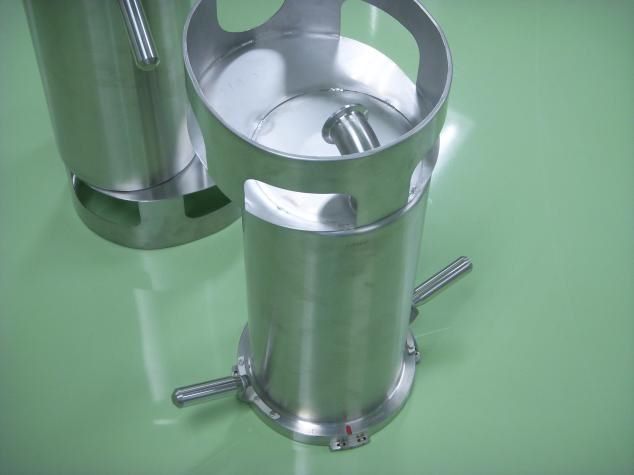
- Beta (mobile port) — mounted on a transfer canister, bin or sterile bag, like a door with its own lid, that can travel with the material.
In practice: material is loaded into the canister and the Beta valve is closed; the whole canister goes through offline sterilization (typically a pulsed-vacuum cycle); once released, the canister is wheeled up to the isolator and the Beta port is aligned with the Alpha port — a manual rotation of roughly 60° completes the physical connection and lock, and a lip seal forms a continuous sterile boundary at that moment. The interlock guarantees Beta must be correctly docked before Alpha can be opened at all — only then can an operator, working through isolator gloves, open both doors together from the inside and retrieve the sterilized material. At no point is the Alpha frame itself exposed to the outside environment, so the isolator’s internal sterility is never breached.
RTP vs VHP Pass Box vs Split Butterfly Valve
| Product | Core difference |
|---|---|
| RTP | Transfers discrete items — components, tooling, sampling vessels, pre-filled syringe parts. Sterilization happens offline, beforehand; the RTP itself runs no sterilization cycle, it only handles the docking step. See the technical parameters below. |
| VHP Pass Box | The chamber runs its own VHP sterilization cycle in place — load goes in, dehumidification/conditioning/sterilization/aeration happen right there. Sterilization and transfer are the same event; no separate offline sterilizer is needed. |
| Split Butterfly Valve (SBV) | Transfers continuously flowing powder (weighing, charging) through a rotating valve disc. It’s built for ongoing potent-powder process operations, not for a one-off discrete-item transfer. |
In short: is the material a solid item or a flowing powder, and does sterilization need to happen in the chamber or has it already happened elsewhere? Answer those two questions and the right product follows.
Technical Parameters
| Item | Specification |
|---|---|
| System | RTP alpha port + matching beta transfer canister |
| Valve body material | 316L stainless steel |
| Standard seal | Fluoroelastomer; silicone and other options available |
| Nominal sizes | 105, 190, 270, 350 mm — selected by transferred-item dimensions |
| Documented containment level | OEB5 |
| Canister sterilization | Offline (pulsed-vacuum cycle, with sterilizing filter) |
| Optional accessories | Container opening tool, mobile trolley, removable inner container |
Typical Applications
RTPs are widely used as the material-entry point on aseptic filling isolators and RABS — moving sampling vessels, pre-filled syringe components and sterilized small tooling into the barrier core. It’s one of the most common transfer methods on sterile API and biologics lines. The exact port diameter and seal material should be confirmed against your largest transferred item, your sterilization method, and the chamber size of your existing sterilizer.
FAQ
Does an RTP need its own VHP generator?
No. An RTP doesn’t sterilize anything itself — the canister is sterilized beforehand in a separate sterilizer (typically a pulsed-vacuum unit). The RTP only handles the sterile docking step.
Can the Alpha port get contaminated from the outside?
No. The interlock guarantees Beta must dock and seal correctly before Alpha can open at all, and when it does open, both doors move together into the isolator’s interior — the outside environment never directly contacts the isolator’s inner surface.
How do I choose the port size?
Base it on the largest item you need to transfer. Fenggu offers 105/190/270/350 mm — give your engineer both the item dimensions and your existing sterilizer’s chamber size to confirm the right configuration.
Related Products
RTP — Rapid Transfer PortRapid transfer port for sterile, contained transfer into isolators.Transfer & Containment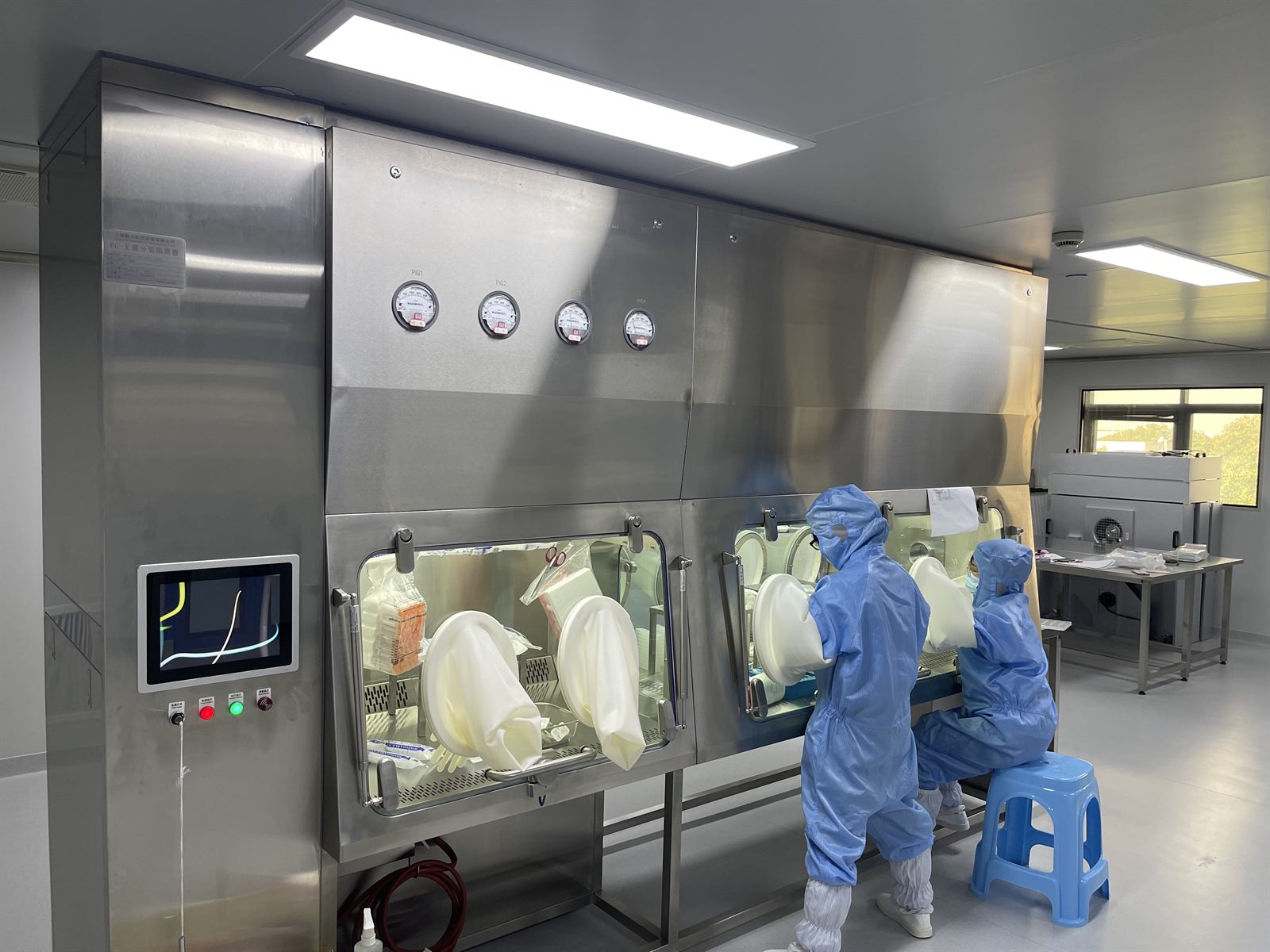 Aseptic Filling IsolatorGrade A (ISO 5) barrier for sterile filling, stoppering and capping.Isolators & Barrier
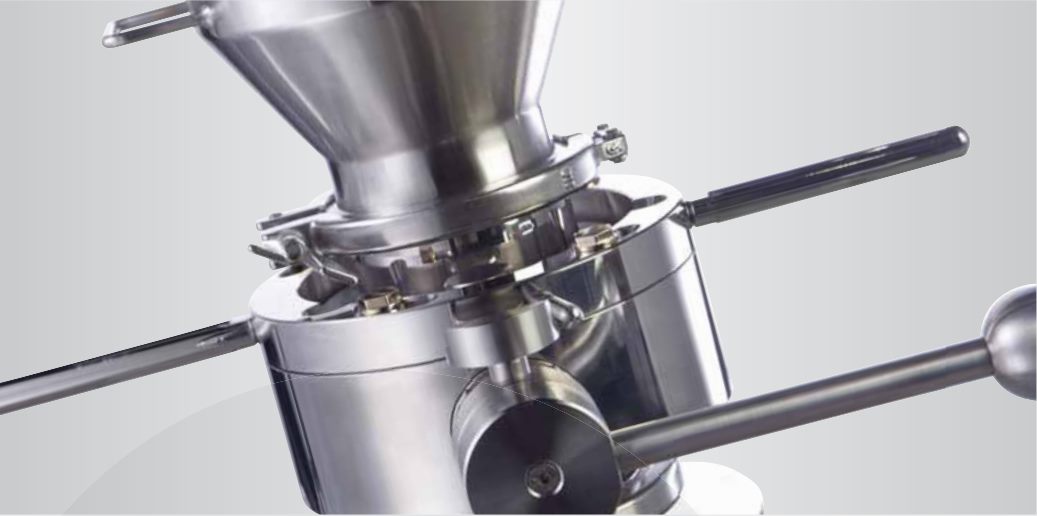 Alpha-Beta Split Butterfly ValveSplit butterfly valve for contained, dust-free transfer of potent powders.Transfer & Containment
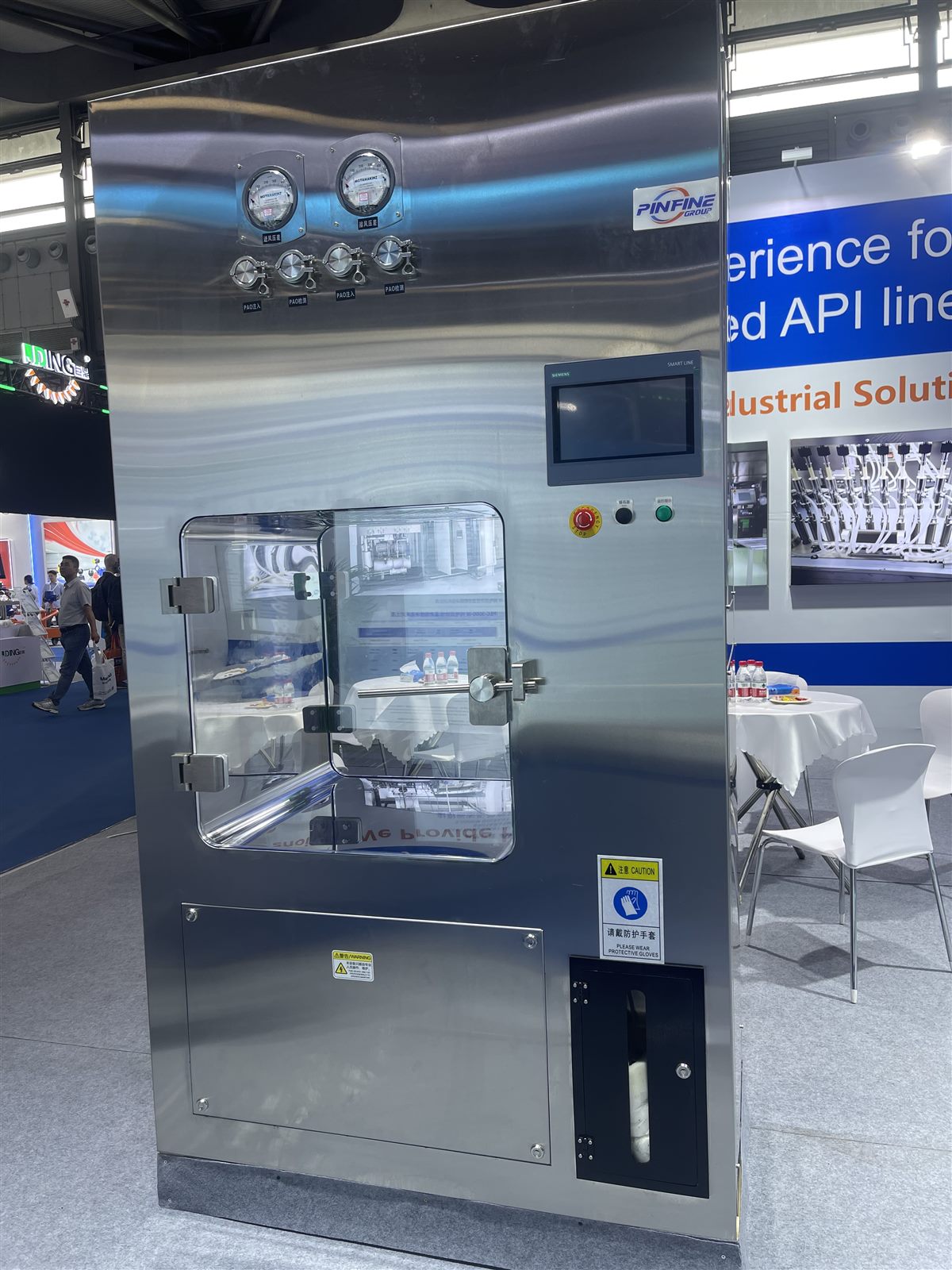 VHP Pass BoxWall-mounted transfer chamber with an integrated VHP cycle.Transfer & Containment
Need an RTP Transfer System?
Tell us your item size, sterilization method, and the isolator/RABS model you’re docking to — Fenggu’s engineers will confirm port size and seal material.