








What Is VHP Decontamination and How It Works
Vaporized hydrogen peroxide (VHP) is a low-temperature, residue-free method for biodecontaminating cleanrooms, isolators, pass boxes and enclosed equipment. It delivers hydrogen peroxide (H₂O₂) as a true vapor that reaches every exposed surface, inactivates bacteria, fungi, viruses and — critically — resistant bacterial spores, then breaks down into water and oxygen. This guide explains what VHP is, how a cycle works, why it can be validated to a 6-log reduction, and where it is used in pharmaceutical manufacturing.
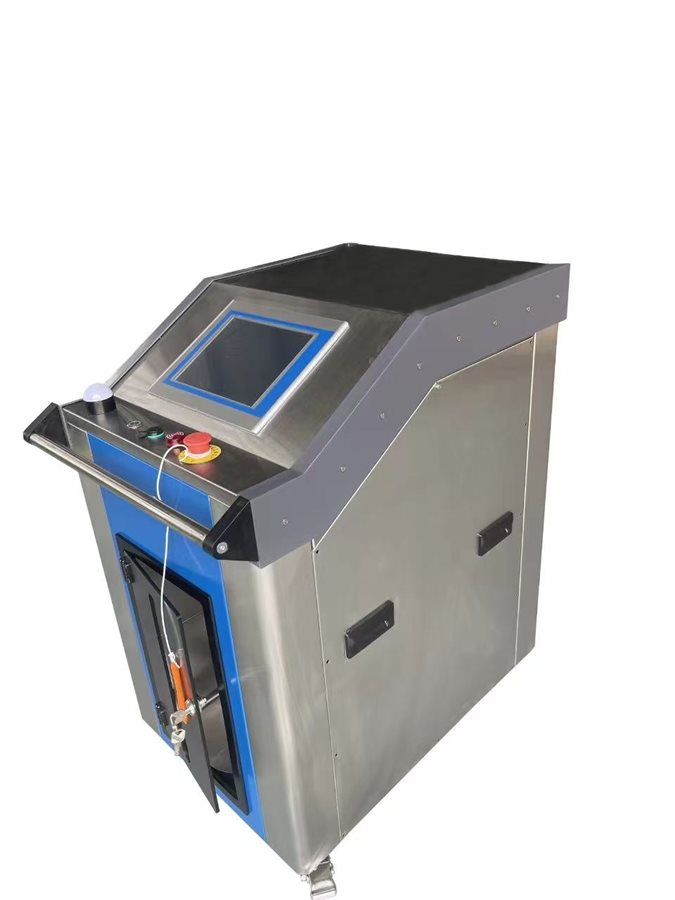
What is VHP?
VHP stands for vaporized hydrogen peroxide — hydrogen peroxide (typically a 30–35% aqueous solution) converted into a gas-phase vapor by a VHP generator. Unlike liquid disinfectants or aerosolized “dry fog” droplets, a true vapor behaves like a gas: it diffuses to fill a space and contacts every exposed surface, including shadowed areas a spray or wipe would miss. Because H₂O₂ decomposes into only water vapor and oxygen, VHP leaves no toxic residue — a decisive advantage over agents such as formaldehyde.
“VHP” is sometimes used loosely, so it helps to distinguish it from aerosolized hydrogen peroxide (aHP), which disperses fine liquid droplets rather than a vapor. The two differ in penetration and validatability; we compare them in Vaporized vs Aerosolized Hydrogen Peroxide.
How a VHP decontamination cycle works
A VHP cycle runs in four automated phases:
- 1. Dehumidification. The space or chamber is dried to a controlled low humidity so that peroxide vapor stays in the gas phase instead of condensing prematurely.
- 2. Conditioning. The generator flash-vaporizes H₂O₂ solution and raises the peroxide concentration to the target level, saturating the environment.
- 3. Decontamination. Concentration is held at the sporicidal level (typically a few hundred ppm) for a set exposure time. The oxidizing vapor attacks the lipids, proteins and DNA of micro-organisms, inactivating them on every contacted surface.
- 4. Aeration. Peroxide is broken down — by catalytic converters and/or fresh-air exchange — until the residual falls to a safe level, typically ≤ 1 ppm, so operators can re-enter.
Two delivery strategies exist: pulsed-vacuum systems cycle chamber pressure to drive vapor into hard-to-reach internal geometry, while recirculating systems use fans and ductwork to circulate vapor through a room or enclosure. See pulsed-vacuum and recirculating VHP generators, or the guide on portable vs integrated generators.
Why VHP achieves a 6-log reduction
The benchmark for sporicidal efficacy is a 6-log₁₀ reduction (99.9999%) of a resistant biological indicator — usually Geobacillus stearothermophilus spores. Biological indicators are placed at challenging locations, a cycle is run, and the indicators are incubated to confirm no growth. Because the cycle parameters (concentration, exposure time, temperature, humidity) are measured and repeatable, VHP can be validated to a defined log reduction under a DQ/IQ/OQ/PQ protocol — which is why it is accepted for GMP-critical biodecontamination. Stated efficacy is always established by the project’s own validation protocol and report.
Typical VHP parameters
| Parameter | Typical range |
|---|---|
| Sterilant | 30–35% hydrogen peroxide solution |
| Process temperature | 25–35 °C (low-temperature, material-friendly) |
| VHP concentration | ~150–700 ppm, depending on load and method |
| Sporicidal efficacy | ≥ 6-log₁₀ (subject to validation) |
| Post-aeration residual | ≤ 1 ppm |
| By-products | Water vapor and oxygen — no toxic residue |
Where VHP is used
- Isolators and RABS — routine biodecontamination of sterility test and aseptic filling isolators between batches.
- Material transfer — a VHP pass box surface-decontaminates items moving between cleanroom grades.
- Whole rooms and suites — a HVAC-integrated VHP system or a mobile room sterilizer decontaminates entire cleanrooms.
- Enclosed equipment — biosafety cabinets, lyophilizers, centrifuges, fermenters and tunnel ovens, using a portable generator.
VHP vs other decontamination methods
| Method | Residue | Temperature | Notes |
|---|---|---|---|
| VHP | None (water + O₂) | Low, 25–35 °C | Validatable, material-friendly, fast aeration |
| Formaldehyde | Toxic residue | Needs heat/humidity | Being phased out; carcinogen, slow, leaves residue |
| Ethylene oxide (EtO) | Toxic residue | Low | For sealed loads; long aeration, flammable/toxic |
| Chlorine dioxide | Minimal | Ambient | Gas-phase; corrosion considerations |
Related Products
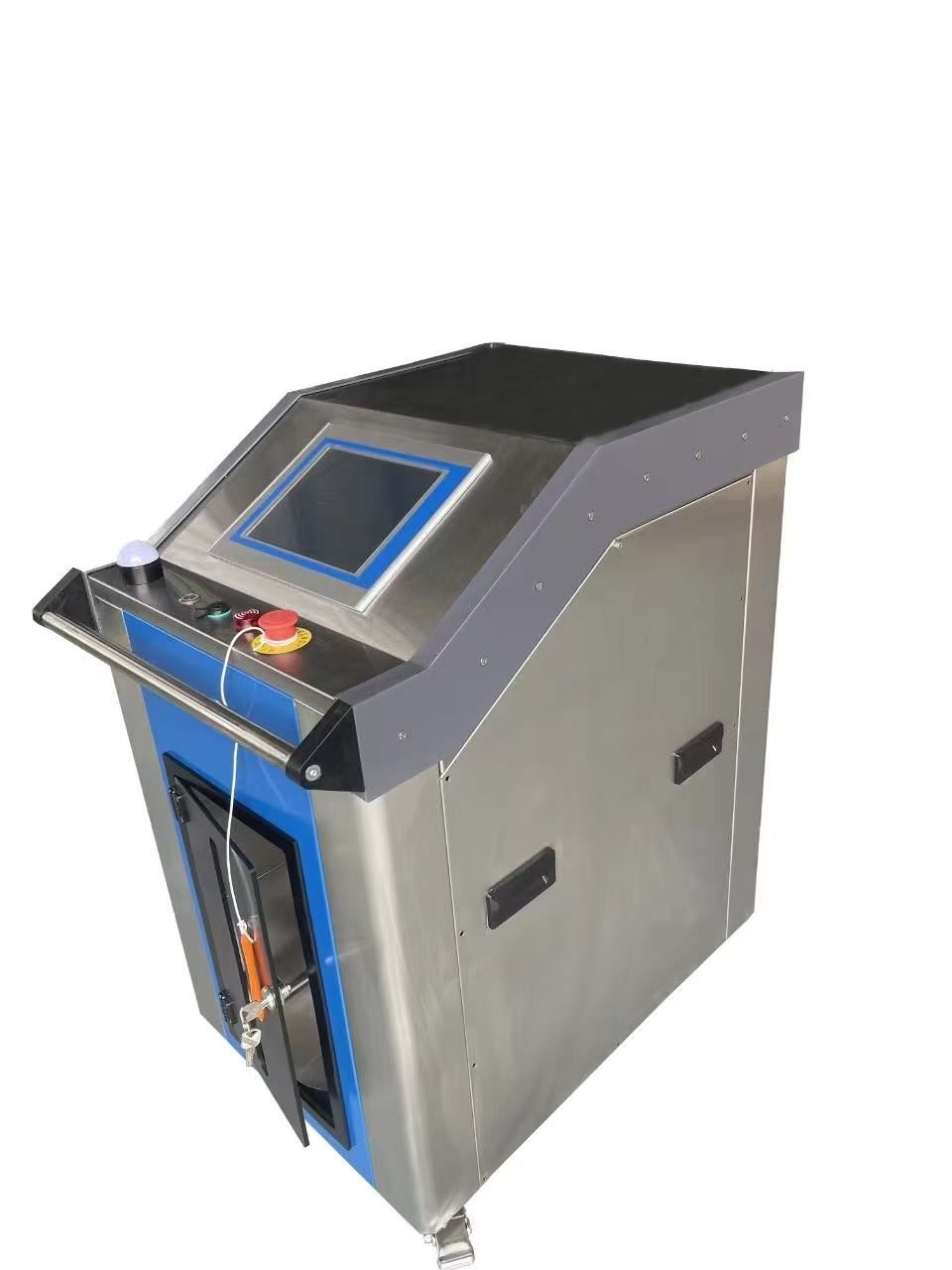 Pulsed-Vacuum VHP GeneratorPulsed-vacuum cycling drives VHP into hard-to-reach equipment interiors.VHP Sterilization
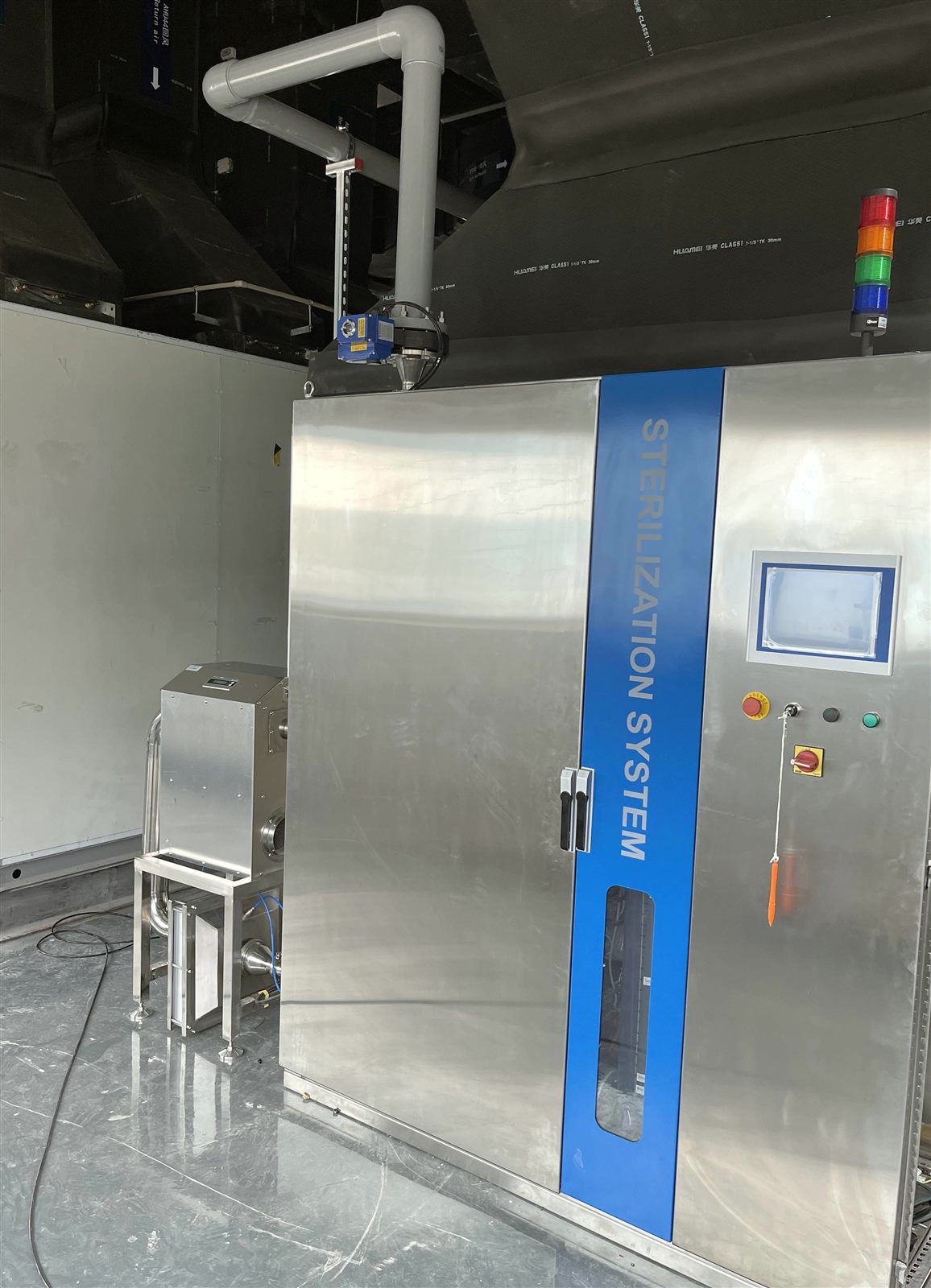 HVAC-Integrated VHP SystemCouples VHP to existing air handling to decontaminate suites and ductwork.VHP Sterilization
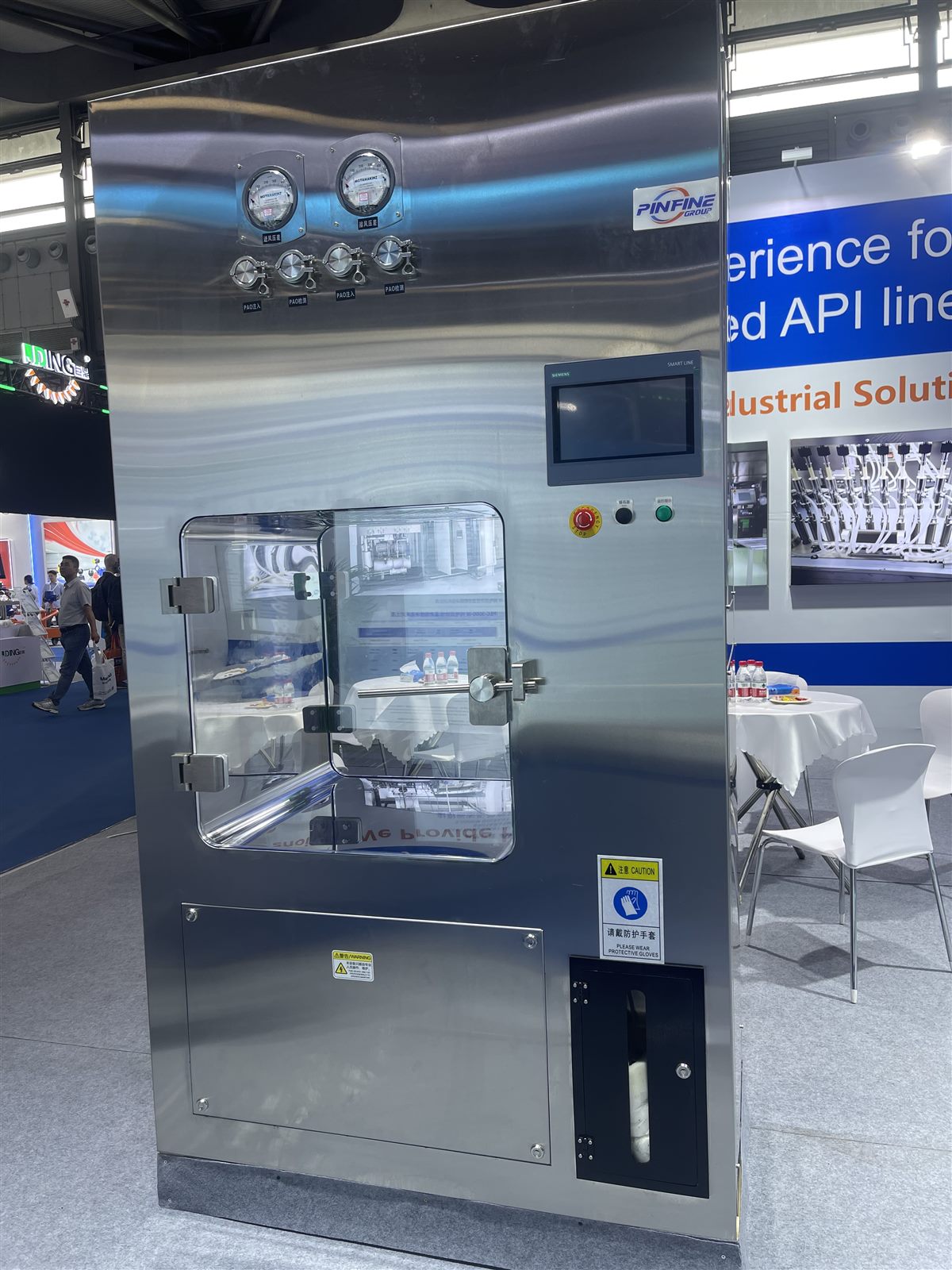 VHP Pass BoxWall-mounted transfer chamber with an integrated VHP cycle.Transfer & Containment
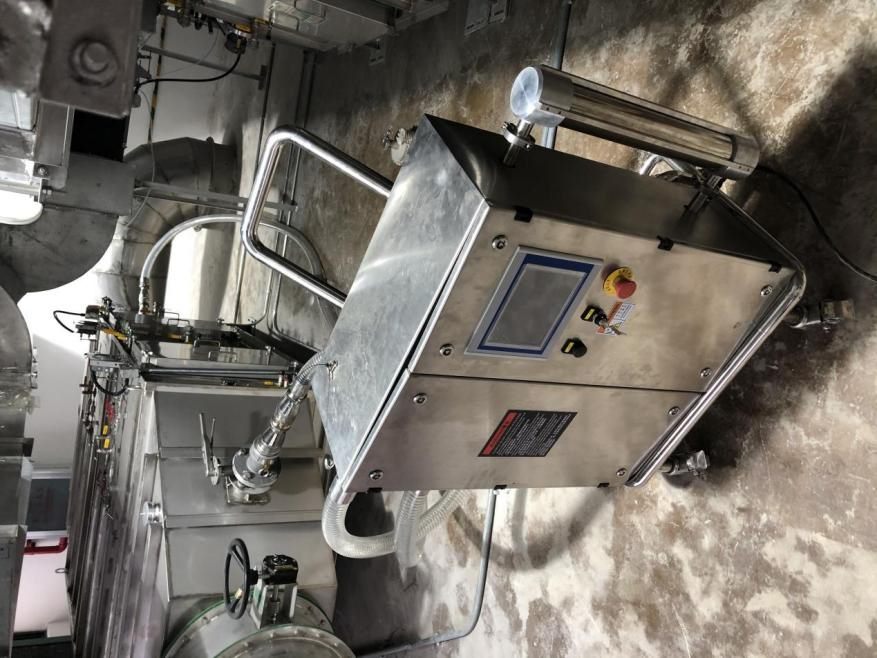 VHP BIBO SterilizerDedicated unit for decontaminating BIBO filter housings.VHP Sterilization
Planning VHP biodecontamination for your facility?
Tell us the room, isolator or equipment you need to decontaminate and your GMP requirements, and our engineers will recommend a validatable VHP configuration.