








Aseptic Filling Isolators: A Grade A Barrier for Vials & Pre-Filled Syringes
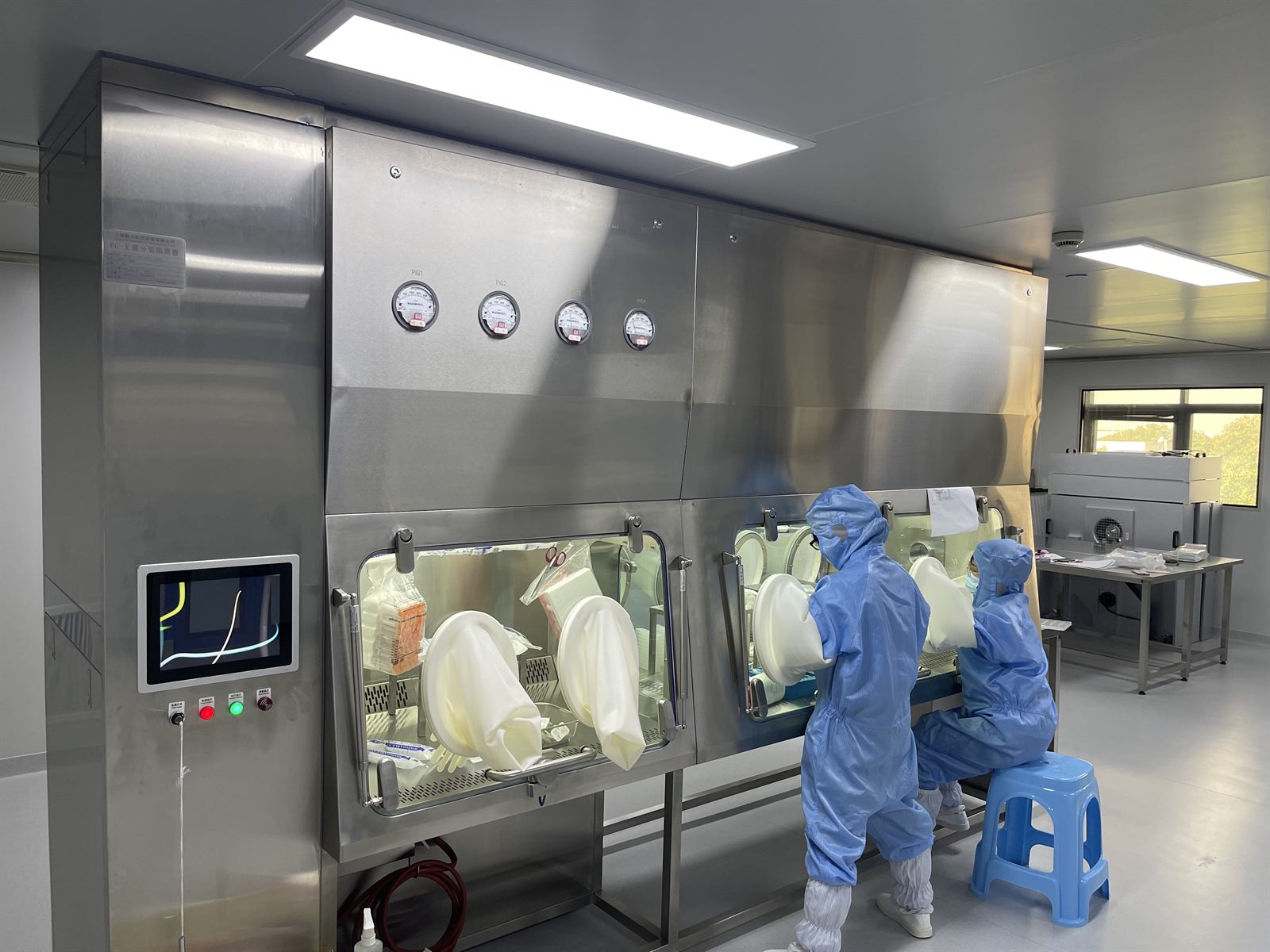
Aseptic filling is the highest-risk step in the whole production chain — the moment the drug solution is exposed, dosed, and stoppered. Any contamination here goes straight into the product. An aseptic filling isolator — also called a sterile filling isolator or fill-finish isolator — wraps filling, stoppering and capping inside a closed Grade A (ISO 5) barrier, moving sterility assurance from “relying on room class” to “relying on a physical barrier.” This guide explains what it is, how it’s configured, how filling equipment is integrated, and how it compares to RABS.
Why filling needs an isolator
Filling is the moment a sterile product goes from sealed, to exposed, to sealed again — from the moment the solution leaves the needle to the moment the stopper seats, it is fully exposed to the environment. The traditional approach relies on room classification plus operator technique, but risk rises with people and movement. An aseptic filling isolator takes a different approach: a physical barrier encloses filling, stoppering and capping inside a closed Grade A environment; operators work through glove ports and never enter the sterile zone, so contamination sources are excluded systematically. This is why EU GMP Annex 1 lists isolators as the preferred technology for aseptic processing — see EU GMP Annex 1: What It Means for Isolators.
How an aseptic filling isolator is configured
| Element | Detail |
|---|---|
| Cleanliness | Closed Grade A (ISO 5) unidirectional flow, positive pressure to protect the product and the filling zone. |
| Decontamination | Integrated VHP generator for a validated 6-log biodecontamination between batches. See What Is VHP Decontamination. |
| Filling line integration | Fill, stopper and cap stations built into the chamber, or interfaced to external filling equipment without breaking Grade A airflow. |
| Aseptic transfer | Vials, stoppers and pre-filled syringes enter/exit through a rapid transfer port (RTP) or a VHP pass box. |
| Monitoring | Differential pressure, airflow velocity, viable/non-viable monitoring supporting batch records and EM. |
| Also called | Aseptic filling isolator, sterile filling isolator, fill-finish isolator, barrier filling system. |
Container formats it handles
An aseptic filling isolator covers a wide range of container formats: vials (lyophilized powder or liquid), ampoules, pre-filled syringes (PFS), and cartridges. Glove-port layout and in-line weight/inspection integration differ by format — pre-filled syringes usually need finer needle positioning and stopper control, while vials emphasize crimp-capping after stoppering. Selection should factor in container type, batch size, and whether the line connects to a freeze dryer (see What Equipment and Spaces Need VHP Sterilization).
Aseptic filling isolator vs RABS: which to choose
Filling can also be protected with an open RABS (restricted access barrier system). The key difference is containment level: an isolator is fully enclosed with between-batch VHP decontamination and offers the highest protection; RABS is semi-open, relies on the background cleanroom, and costs less to build but offers somewhat less protection. Full comparison: Isolator vs RABS for Aseptic Filling. Pressure choice: Positive vs Negative Pressure Isolator. Overall selection framework: How to Choose a Pharmaceutical Isolator.
FAQ
Can an aseptic filling isolator handle both vials and pre-filled syringes?
A switchable or dual-configured line is possible, but glove-port layout and weight/inspection modules are usually optimized for the primary container; dual-format compatibility should be specified at the design stage.
Does the chamber need a new VHP cycle between batches?
Usually yes, especially on product changeover or between batches — a between-batch VHP cycle minimizes cross-contamination risk and provides validatable records.
How does the isolator interface with external filling equipment?
The filling machine can sit fully inside the chamber, or interface through a sealed sleeve to external equipment — the key is keeping airflow undisturbed at the interface so Grade A is maintained.
Related Products
Aseptic Filling IsolatorGrade A (ISO 5) barrier for sterile filling, stoppering and capping.Isolators & Barrier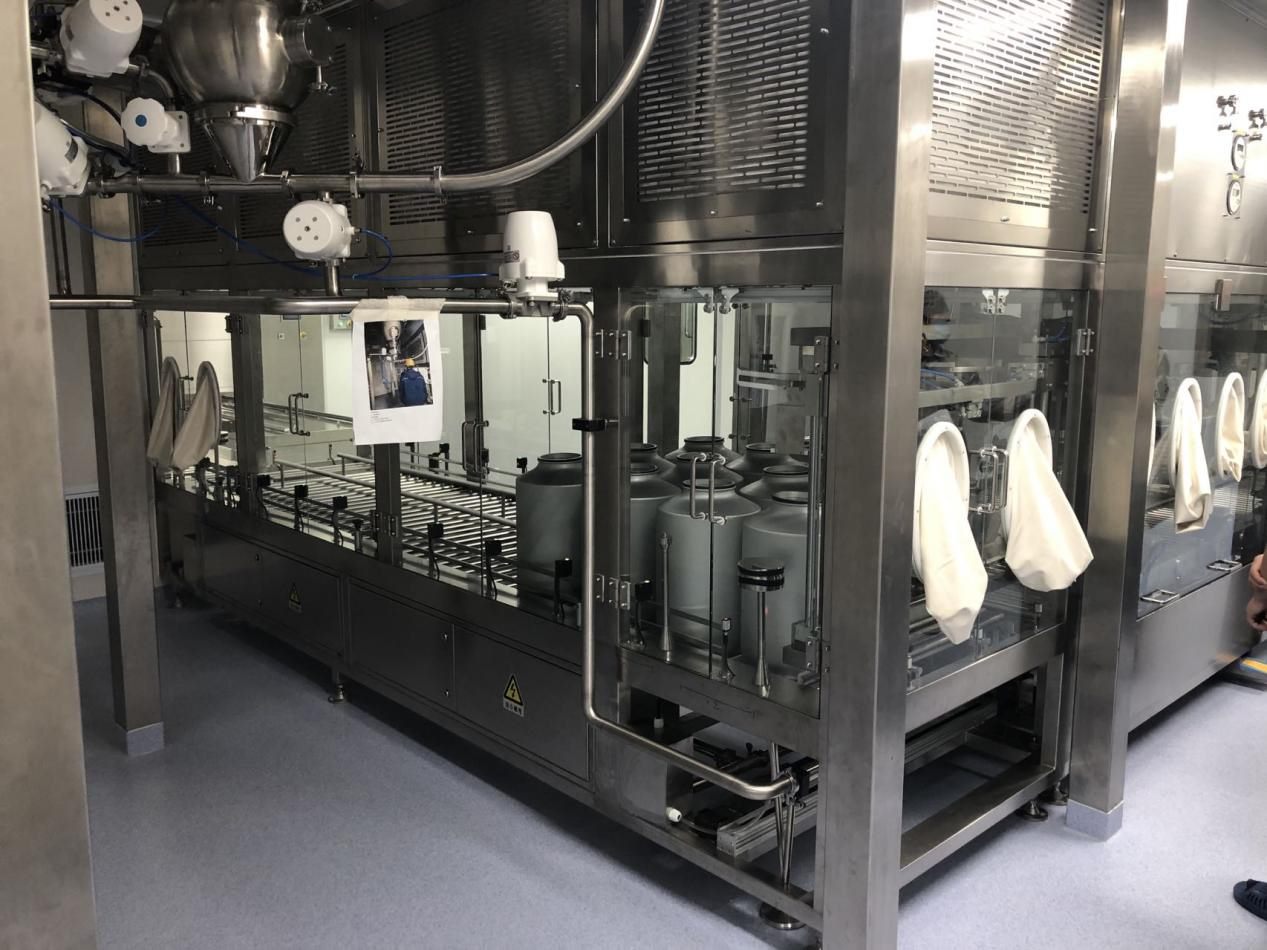 Open RABS (oRABS)Grade A restricted-access barrier system for filling lines.Isolators & Barrier
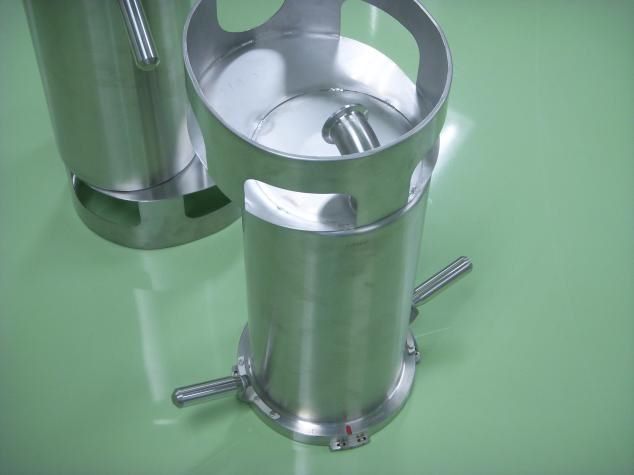 RTP — Rapid Transfer PortRapid transfer port for sterile, contained transfer into isolators.Transfer & Containment
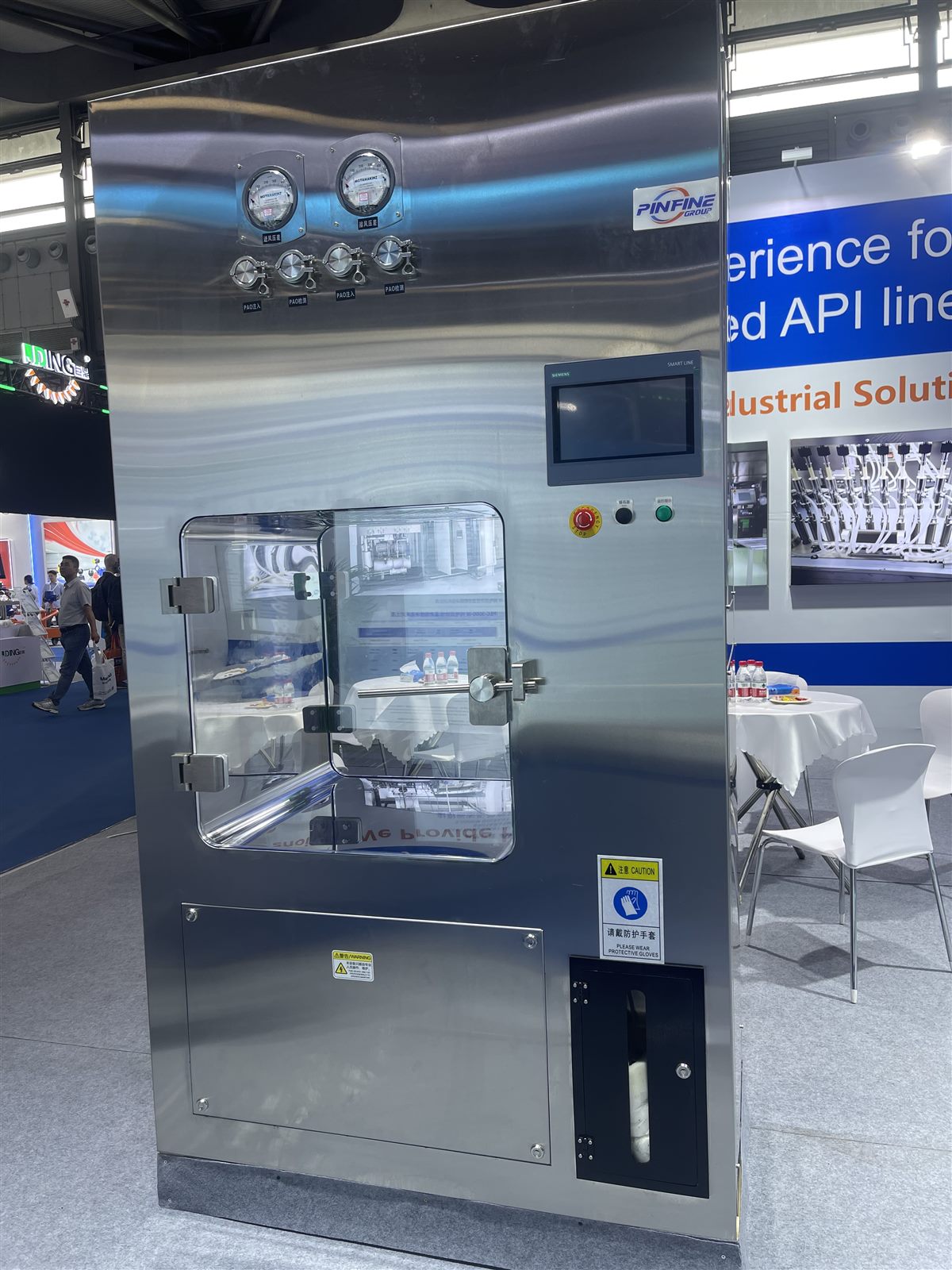 VHP Pass BoxWall-mounted transfer chamber with an integrated VHP cycle.Transfer & Containment
Need an aseptic filling solution for vials or pre-filled syringes?
Tell us your container type, batch size and existing filling equipment, and Fenggu will configure an aseptic filling isolator — Grade A barrier, VHP decontamination, aseptic transfer and filling-line integration designed as one.