








Isolator vs RABS (oRABS vs cRABS) for Aseptic Filling
For aseptic filling, the barrier that separates the operator from the sterile product is the single biggest driver of contamination risk — and of cost. The two main options are the isolator and the Restricted Access Barrier System (RABS), the latter available as an open (oRABS) or closed (cRABS) design. They deliver different levels of sterility assurance, need different background environments, and carry very different price tags. This guide explains how each works and how to choose.
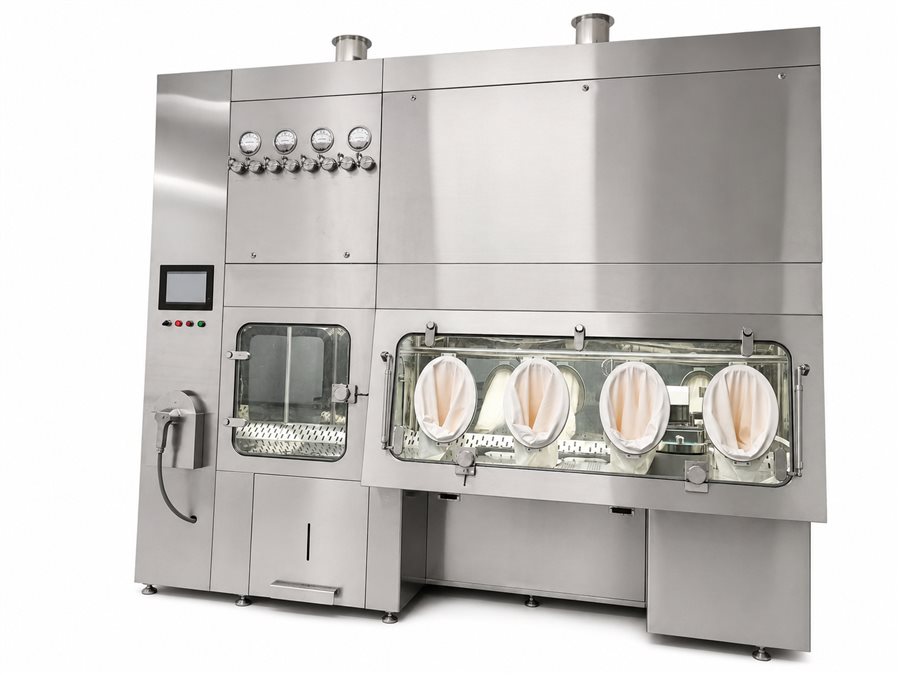
What is an isolator?
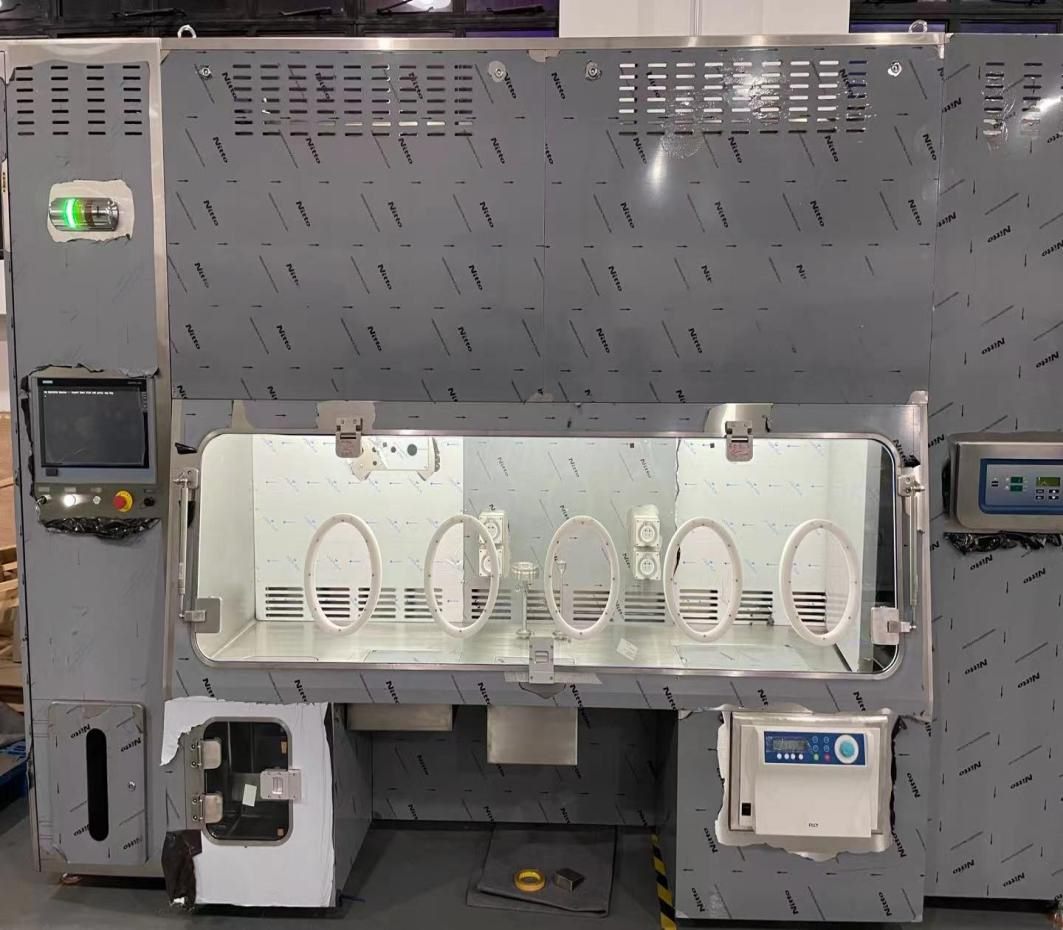
An aseptic filling isolator is a fully sealed, leak-tight enclosure that maintains a Grade A / ISO 5 environment and is biodecontaminated by its own automated VHP cycle. Because it is closed and validated to a defined log reduction, the operator is completely separated from the critical zone by glove ports and rapid transfer ports (RTPs). This gives the highest sterility assurance and, importantly, allows the surrounding room to be a lower classification (typically Grade C or even D), which reduces cleanroom running costs.
What is a RABS?
A RABS surrounds the filling line with a rigid barrier and Grade A unidirectional airflow, but — unlike an isolator — it shares the Grade B background of the room and is not a sealed, self-decontaminating enclosure. Access is restricted to glove ports during operation. A RABS is faster to deploy, more flexible for line changes, and lower cost than an isolator, at the price of a higher-grade (and more expensive) background room and slightly lower assurance.
Open RABS vs closed RABS
- Open RABS (oRABS) — the barrier overspills Grade A air into the surrounding Grade B room; doors may be opened for defined interventions under strict procedures. See the Fenggu Open RABS.
- Closed RABS (cRABS) — the enclosure stays closed during processing and often includes a biodecontamination step, moving it closer to isolator-level assurance while still sitting in a Grade B room.
Isolator vs RABS at a glance
| Factor | Isolator | Open RABS | Closed RABS |
|---|---|---|---|
| Background room | Grade C/D | Grade B | Grade B |
| Biodecontamination | Automated VHP, validated | Manual cleaning/sanitization | Often VHP-assisted |
| Sterility assurance | Highest | High | Very high |
| Capital cost | Higher | Lower | Medium |
| Room running cost | Lower (lower grade) | Higher (Grade B) | Higher (Grade B) |
| Line changeover | Slower | Faster / flexible | Medium |
How to choose
There is no single “best” — the right choice follows your contamination-control strategy, product risk and budget:
- Choose an isolator for the highest assurance and the lowest long-term room cost, especially for high-value or high-risk products and long production campaigns.
- Choose an open RABS when you need flexibility for frequent format changes, a faster project, or you already operate a Grade B suite.
- Choose a closed RABS as a middle path — near-isolator assurance with more line flexibility.
Whichever barrier you select, the surrounding cleanroom must still be correctly classified — see ISO 14644-1 cleanroom classification — and any isolator or cRABS will rely on a validatable biodecontamination cycle, explained in What Is VHP Decontamination. For how the barrier you choose then shapes your air system, see Isolator HVAC Design: the four operating modes.
Sterility testing uses isolators too
Beyond filling, the isolator concept also protects quality-control work: a sterility test isolator gives a stable Grade A environment for pharmacopoeia sterility testing, protecting both the sample from false positives and the operator from the product.
Related Products
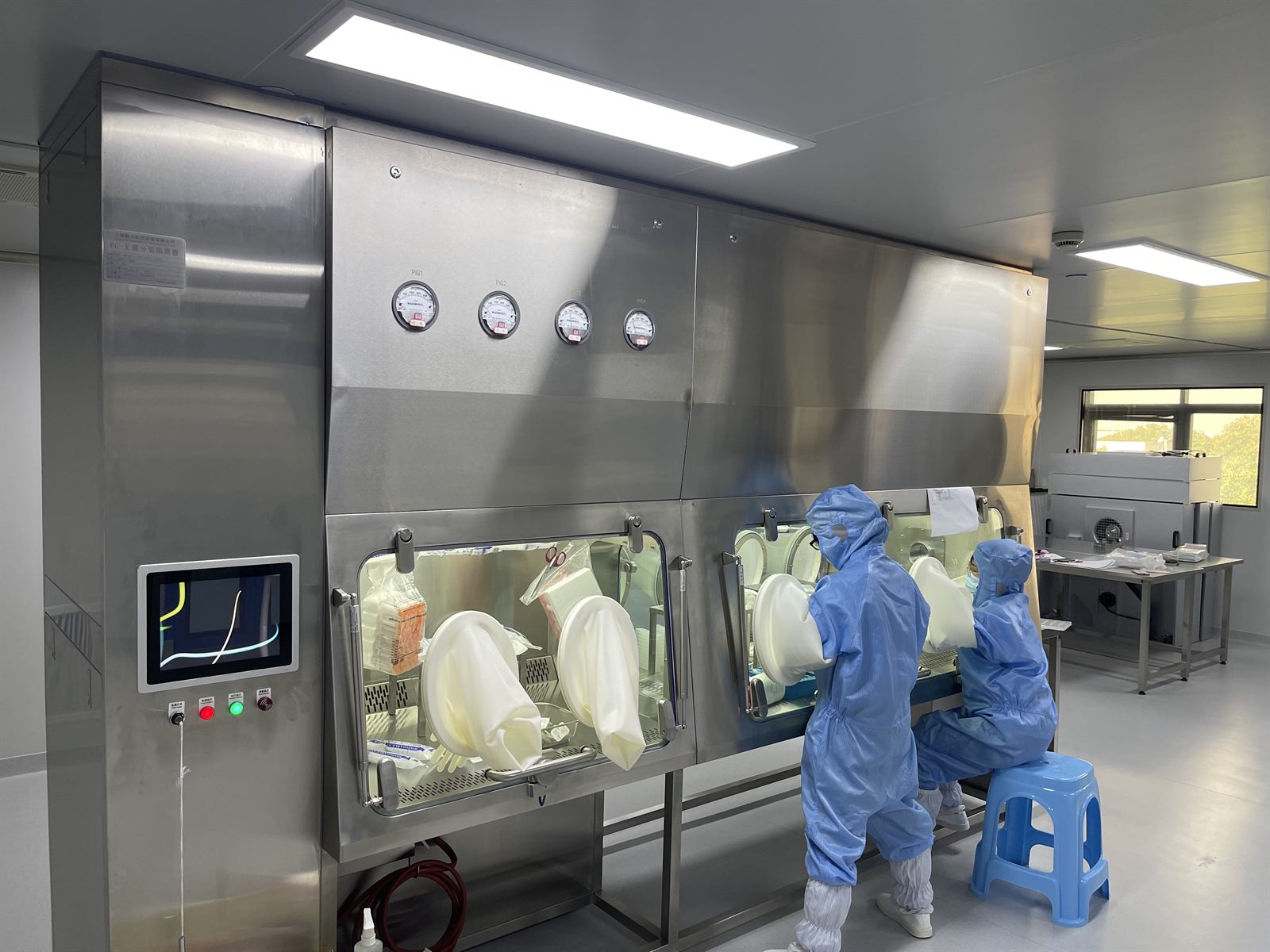 Aseptic Filling IsolatorGrade A (ISO 5) barrier for sterile filling, stoppering and capping.Isolators & Barrier
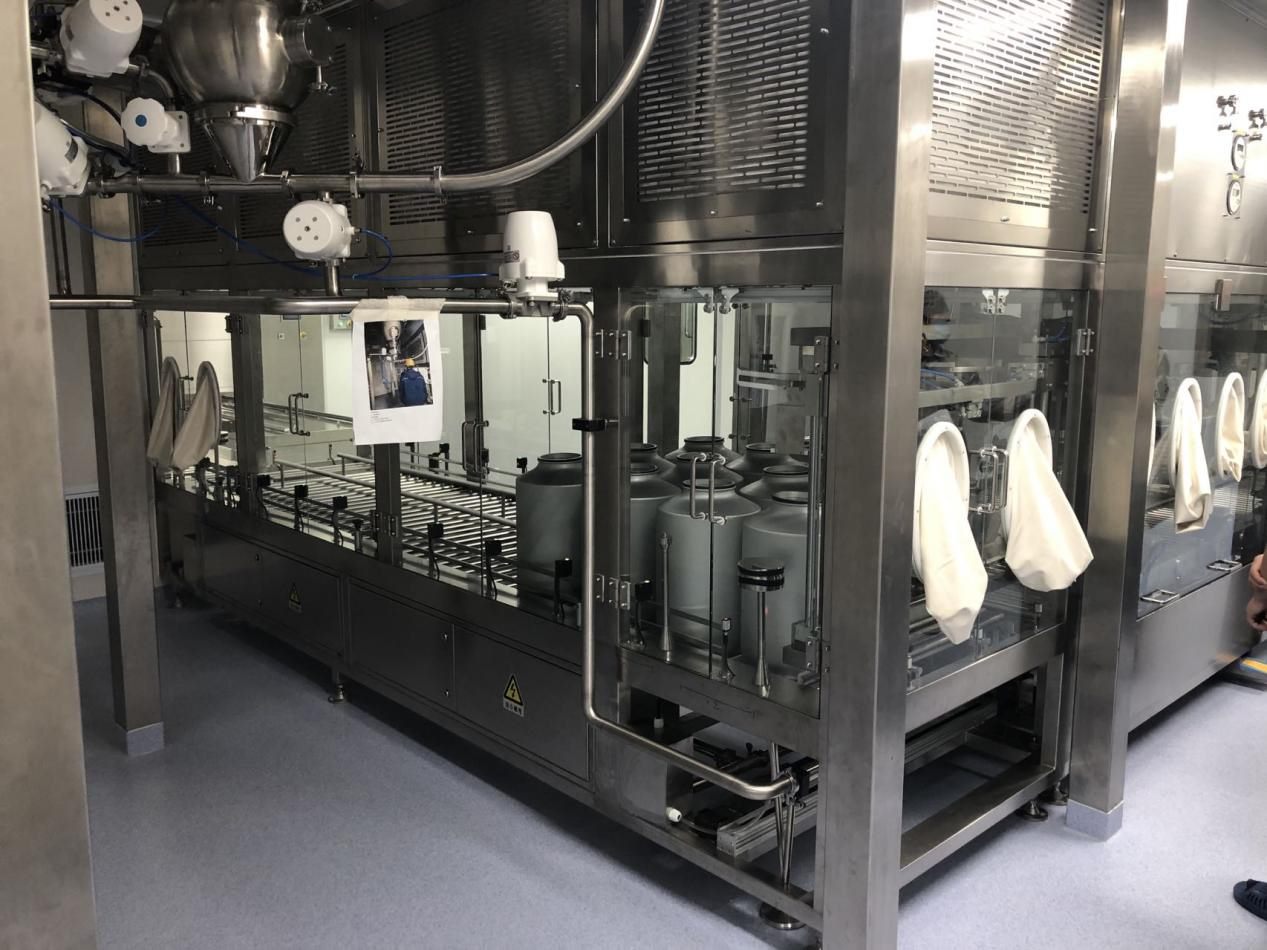 Open RABS (oRABS)Grade A restricted-access barrier system for filling lines.Isolators & Barrier
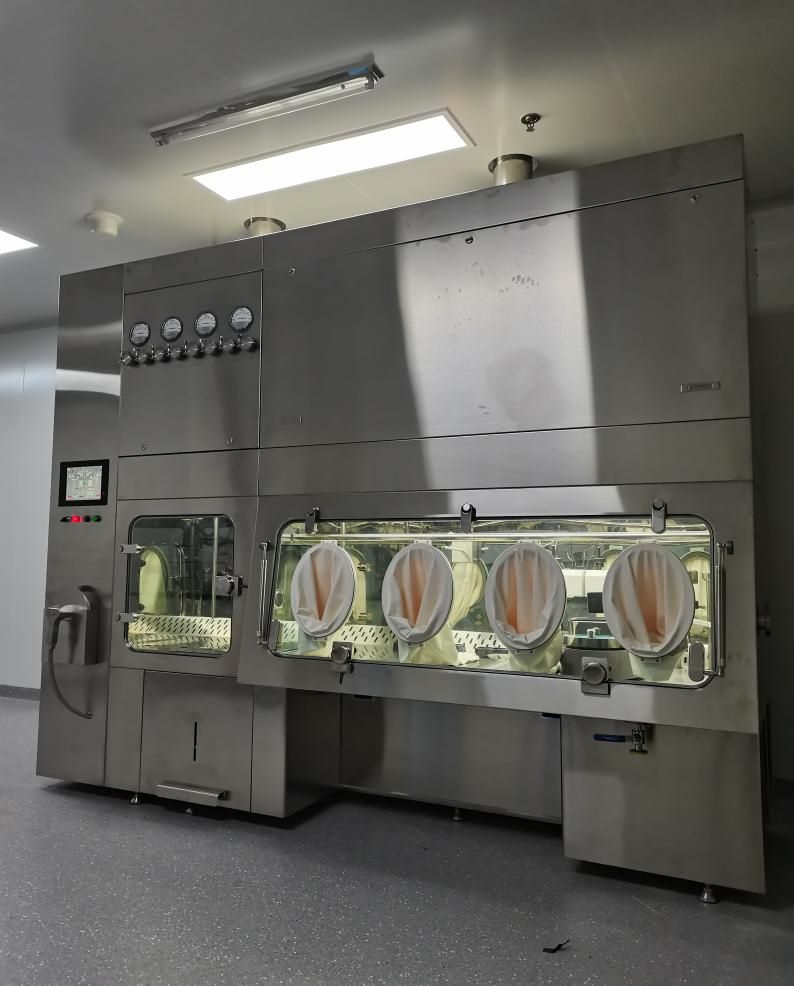 Sterility Test IsolatorGrade A barrier for pharmacopoeia sterility testing.Isolators & Barrier
 Cell Processing IsolatorClosed Grade A environment for cell-therapy processing.Isolators & Barrier
Deciding between an isolator and a RABS?
Tell us your product, fill format and cleanroom situation, and our engineers will recommend the barrier system that fits your risk profile and budget.