








Sieving & Screening Containment: Keeping Potent Powders Enclosed
After milling, powders are usually sieved (screened) to deliver a uniform, consistent particle size and to break up or remove oversize agglomerates. Like milling, screening is a dusty operation — and when the powder is a potent API, every point where it is exposed has to be contained. This guide follows on from milling and micronization containment and covers where the risk sits in sieving, and how isolators, split butterfly valves and BIBO filtration keep it closed.
Why screening needs containment
Sieving produces fine, dry, free-flowing powder with a large surface area, which becomes airborne easily. With a potent compound, that means operator exposure risk at four points in particular: charging powder onto the sieve, access to the sieve deck, discharging the sifted product, and — the one most often underestimated — screen changeover and cleaning. The right containment level follows the compound’s potency band; see OEB and OEL Explained.
Contained sieving approaches
- Enclose the sieve in a negative-pressure isolator. For potent compounds, mounting the sifter inside a containment isolator keeps dust in and lets the operator work through glove ports. A negative pressure regime ensures any leakage is inward — see the Negative Pressure Isolator.
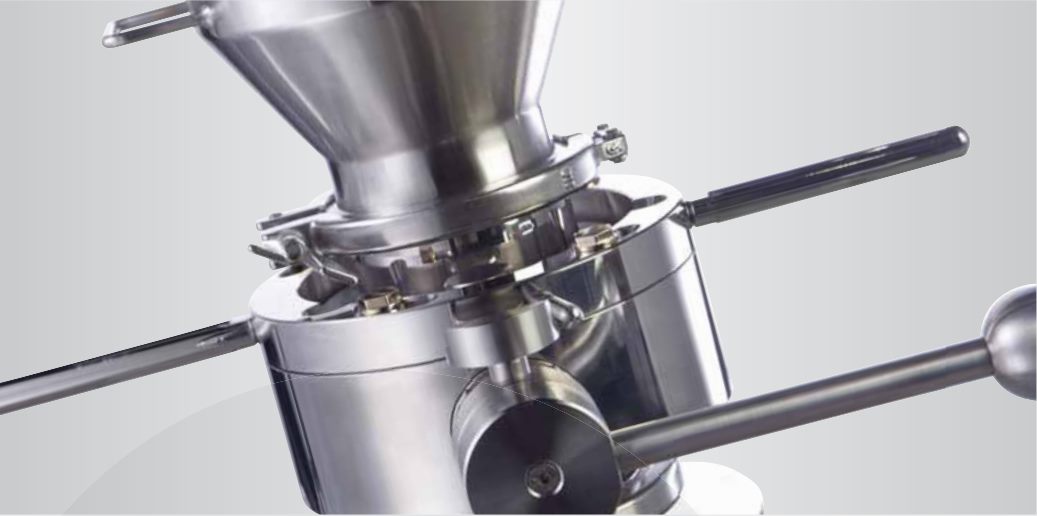
- Charge and discharge closed. Feed the sieve through an alpha-beta split butterfly valve or from within the isolator, and collect the sifted product into a closed liner or container through a split valve or continuous liner.
- Plan for the screen change. Changing or cleaning the mesh is the biggest exposure point, because it opens the powder path. Do it through gloves inside the isolator, or specify a contained, quick-clean sieve designed for tool-free screen removal.
Dust, static and explosion risk
Fine powders carry a dust-explosion risk. A low minimum ignition energy (MIE) calls for inert-gas (usually nitrogen) protection, together with proper earthing and bonding of the sieve to dissipate static. A filtered vent should balance the pressure created as air is displaced during charging and discharge, rather than letting the enclosure pressurize.
Cleaning and filtration
Where the geometry allows, a CIP/WIP pre-clean or wetting comes first, followed by dismantling and manual cleaning of the screens and smaller removable parts — consider whether that manual step itself needs ventilated protection. Any exhaust filter is typically HEPA-grade and must allow safe change through Bag-In/Bag-Out (BIBO) or a push-push method, so a loaded filter is never handled openly.
Selection considerations
- Scale of operation — R&D or production?
- Potency band (OEB) and the containment target it sets.
- Throughput, screen mesh size, and whether the process is dry or wet.
- Agglomerate handling — whether de-lumping is needed alongside screening.
- Weight of the screen decks and ease of handling — a real driver of isolator ergonomics.
Related Products
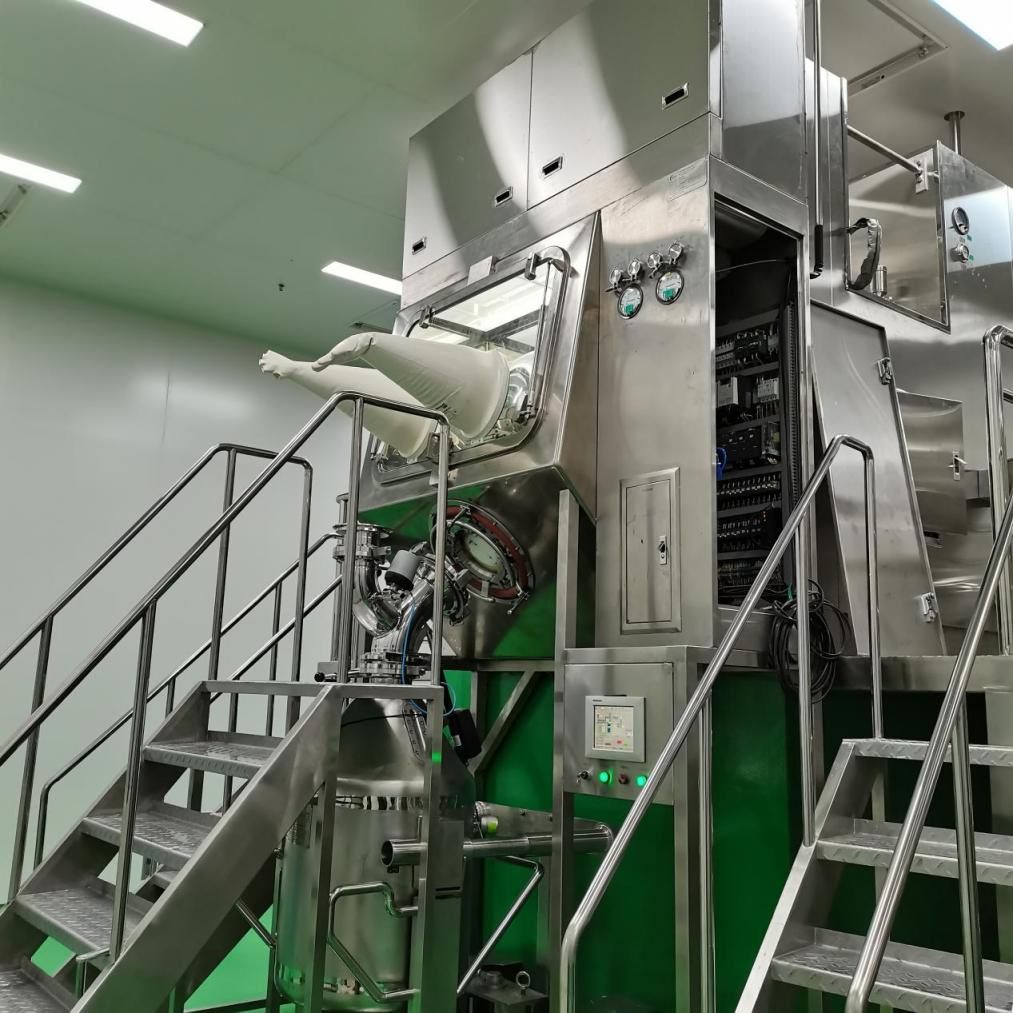 Dispensing & Containment Isolator (OEB5)Negative-pressure barrier for weighing, charging and sampling HPAPI.Isolators & BarrierAlpha-Beta Split Butterfly ValveSplit butterfly valve for contained, dust-free transfer of potent powders.Transfer & Containment
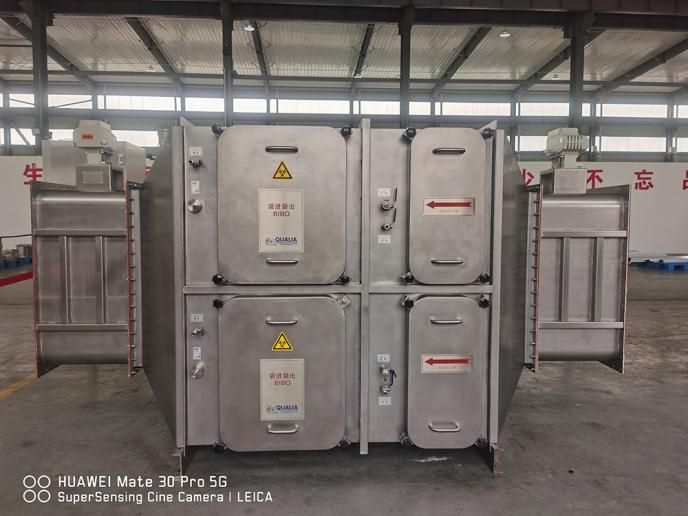 BIBO Filter HousingBag-in/bag-out HEPA housing for safe filter change in P3/P4 labs.Air Handling
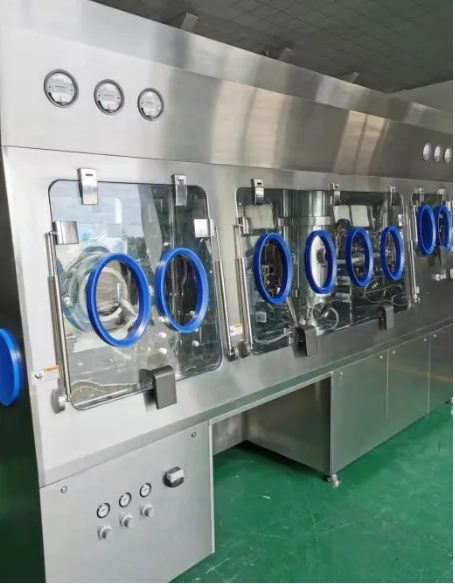 Negative Pressure IsolatorOEB5 containment at controlled negative pressure.Isolators & Barrier
Containing a sieving or screening step?
Tell us your API potency band, sieve type and throughput, and our engineers will specify the isolator, split-valve transfers and BIBO filtration to keep the process closed and cleanable.