








How to Choose a VHP Generator: Portable vs Integrated
Vaporized hydrogen peroxide (VHP) is the standard method for biodecontaminating cleanrooms, isolators and pass-throughs without leaving chemical residue. The equipment that generates and delivers it, though, comes in two very different forms: a portable VHP generator you wheel to the room that needs treating, and a permanently integrated VHP system built into the HVAC or room itself. The right choice depends on how many rooms you decontaminate, how often, and how much you can build into the facility up front.
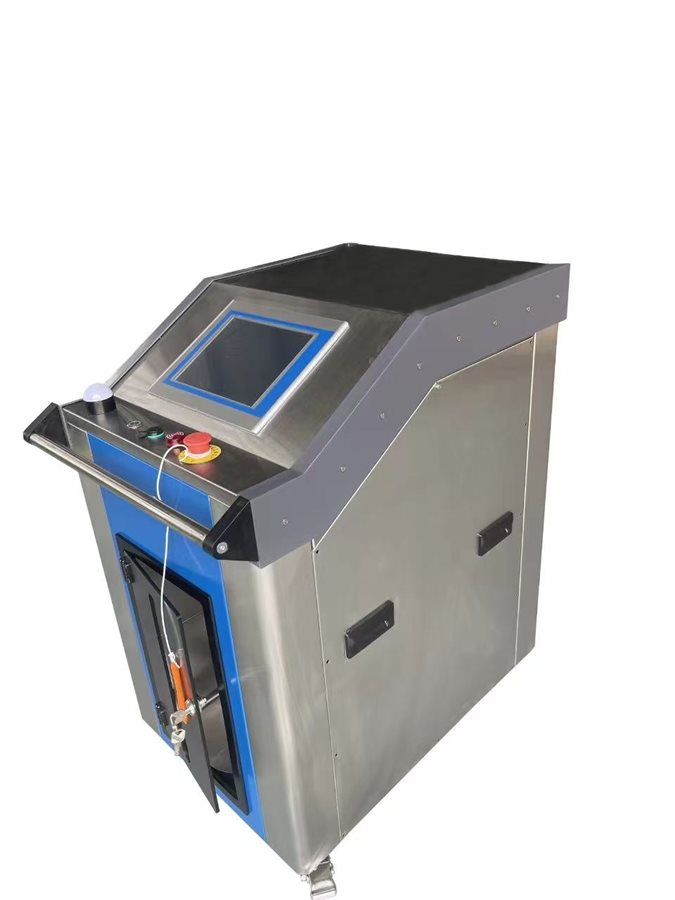
What a Portable VHP Generator Is
A portable VHP generator is a self-contained, mobile unit — its own H₂O₂ vaporizer, injection hose, aeration/catalytic breakdown module and control panel on a wheeled chassis. You bring it to the room, connect the injection and return hoses, run the biodecontamination cycle (condition → gas → dwell → aeration), and then move it to the next room, isolator or airlock. Because it is not tied to any one space, one generator can service an isolator suite, a set of airlocks and an incoming-material room in the same shift.
What an Integrated VHP System Is
An HVAC-integrated VHP system is plumbed directly into a room’s air-handling ductwork or built into a fixed enclosure, with injection nozzles, sensors and controls permanently installed. There is no equipment to wheel in, connect or remove — the cycle is triggered from a fixed control panel or the BMS, and VHP is distributed through the room’s own air supply for even, repeatable coverage. It is purpose-built for one room (or a small number of ducted rooms) rather than for moving between spaces.
Portable vs Integrated VHP: Key Differences
| Criteria | Portable Generator | Integrated System |
|---|---|---|
| Deployment | Wheeled between multiple rooms | Fixed to one room / duct run |
| Best for | Multiple rooms, occasional or as-needed cycles | One high-use room needing frequent, scheduled cycles |
| Setup per cycle | Connect hoses, seal room, position unit | None — triggered from panel/BMS |
| Capital cost | Lower (one unit covers many rooms) | Higher (dedicated hardware + ducting) |
| Coverage uniformity | Good, depends on room geometry & unit placement | Very even — distributed through HVAC supply |
| Operator involvement | Higher — setup, monitoring, teardown each cycle | Lower — automated, schedulable |
| Facility footprint | None permanent — stored between uses | Permanent ductwork/panel installation |
Which One Should You Choose?
Choose a portable VHP generator if you need to decontaminate several different spaces — isolators, airlocks, material transfer rooms — and don’t want to install dedicated hardware in each one. It is also the practical choice when the decontamination need is intermittent rather than continuous, or when the facility layout wasn’t designed with VHP ducting in mind. For sealed transfer equipment specifically, our VHP pass box or a BIBO-style VHP sterilizer may be a simpler fit than either generator type.
Choose an integrated VHP system if one room — an aseptic filling suite, a high-throughput airlock, or a critical production area — needs frequent, scheduled biodecontamination and you want it fully automated with no manual setup. The higher upfront cost is offset by lower labor per cycle and more consistent, validatable distribution once it’s commissioned.
Many pharmaceutical sites run both: an integrated system on the highest-frequency critical room, and a portable generator on standby for everything else — isolators, incoming-goods airlocks, and rooms used less often. If cycle frequency is very high and the room is dedicated to VHP treatment, our mobile VHP room sterilizer sits between the two, offering integrated-style cycle control in a still-relocatable cabinet.
Related Products
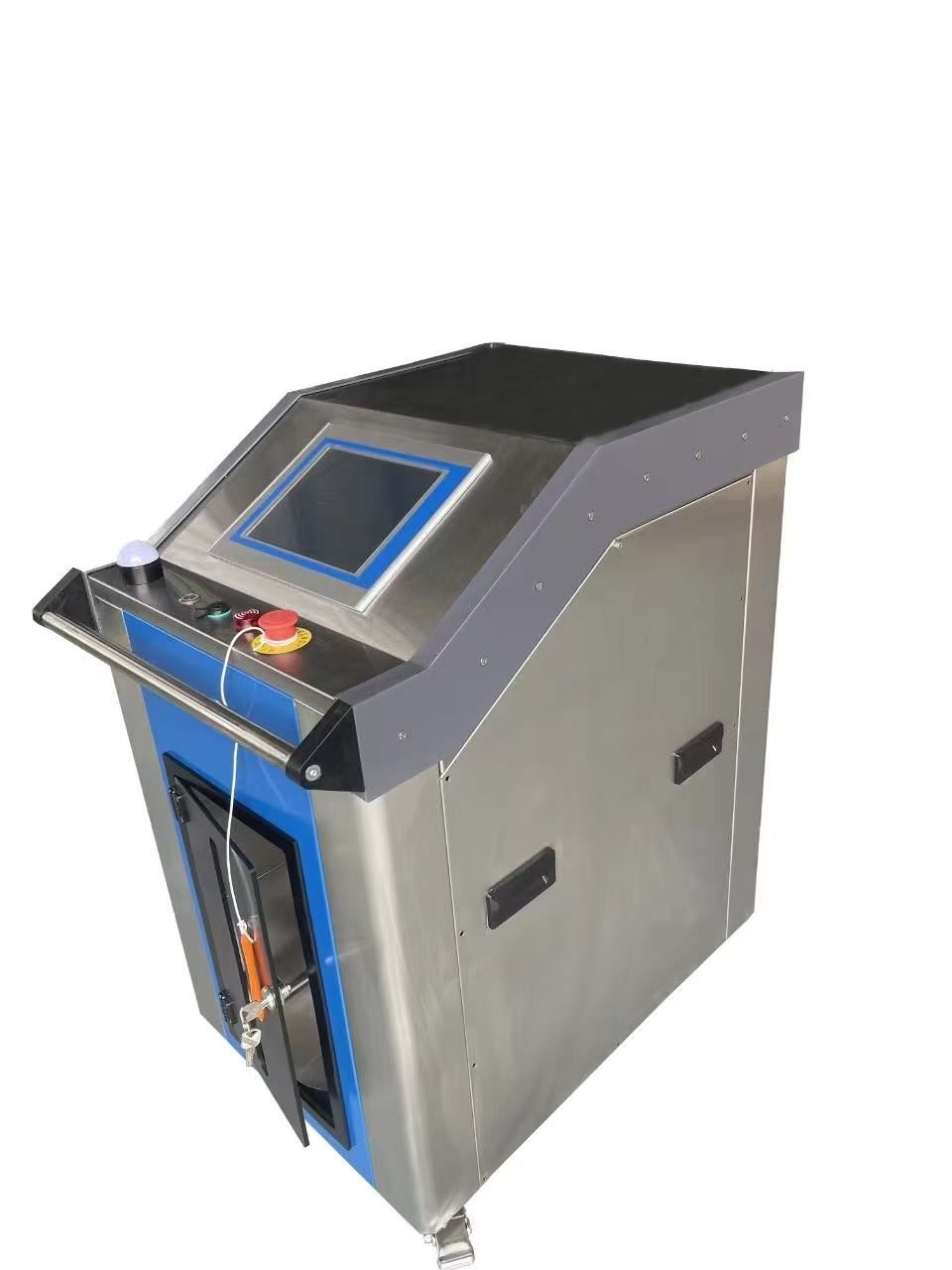 Pulsed-Vacuum VHP GeneratorPulsed-vacuum cycling drives VHP into hard-to-reach equipment interiors.VHP Sterilization
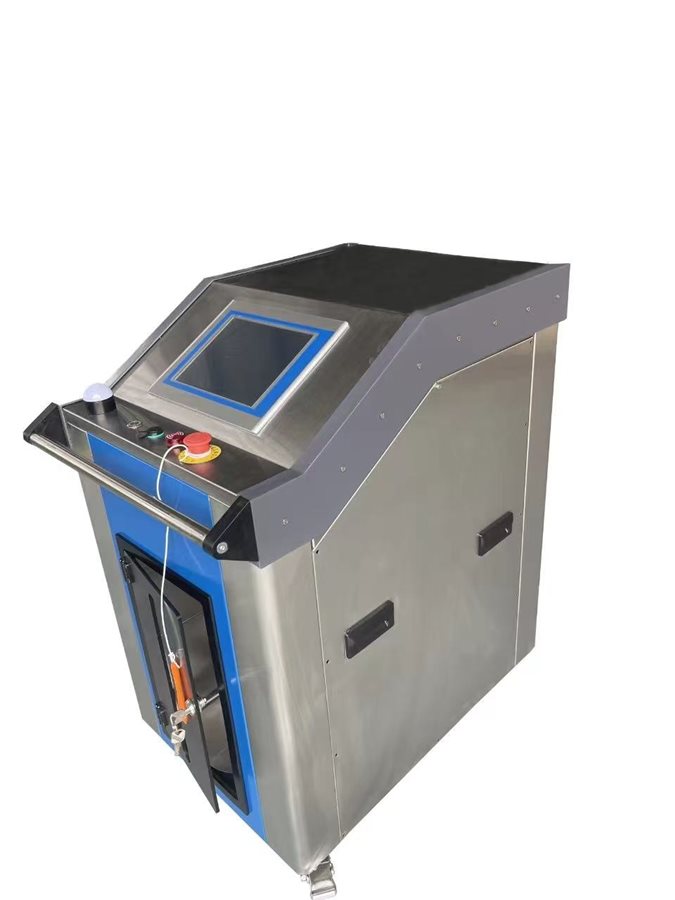 Recirculating VHP GeneratorRecirculating VHP for interior decon of BSCs, lyophilizers and fermenters.VHP Sterilization
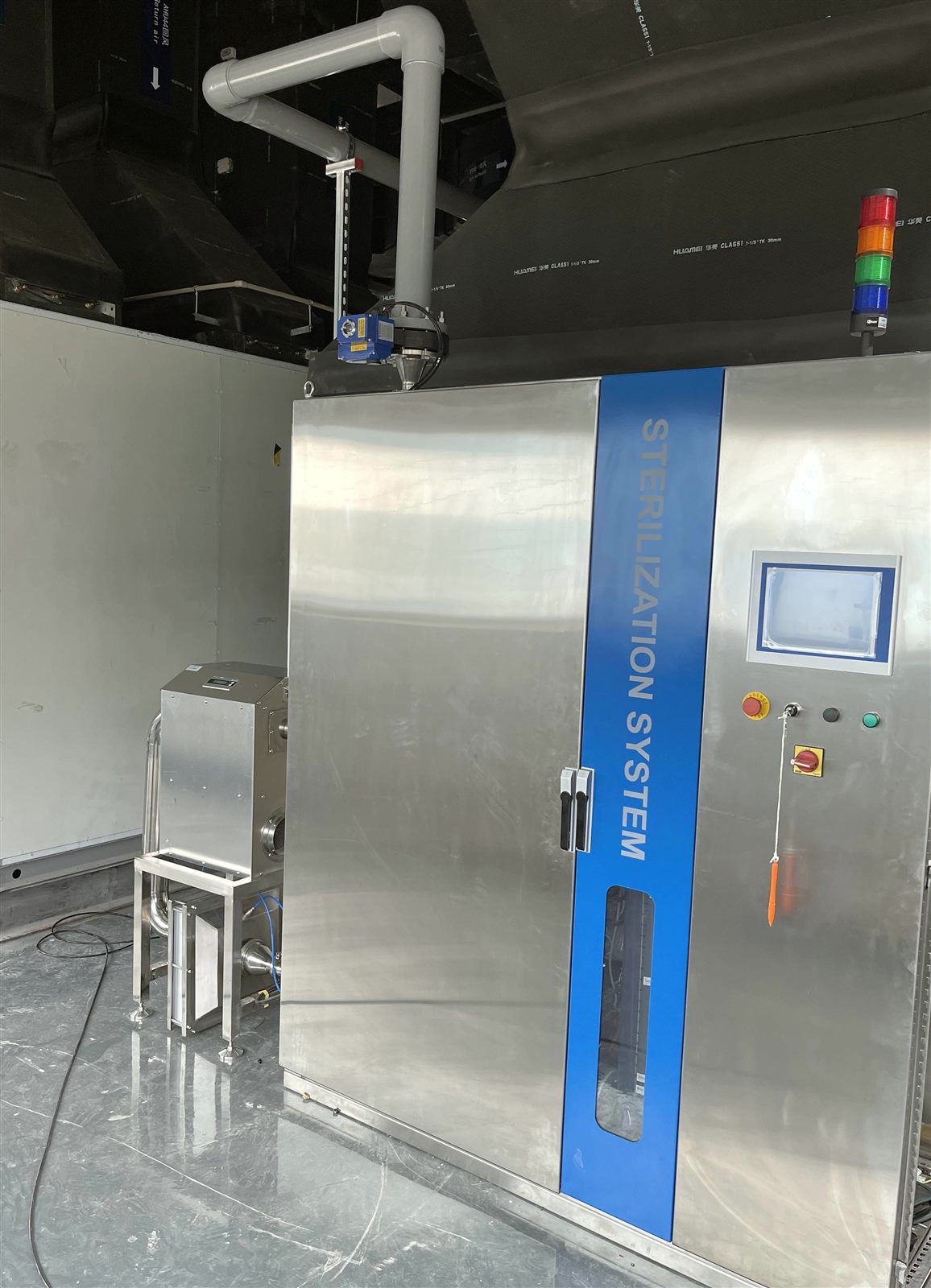 HVAC-Integrated VHP SystemCouples VHP to existing air handling to decontaminate suites and ductwork.VHP Sterilization
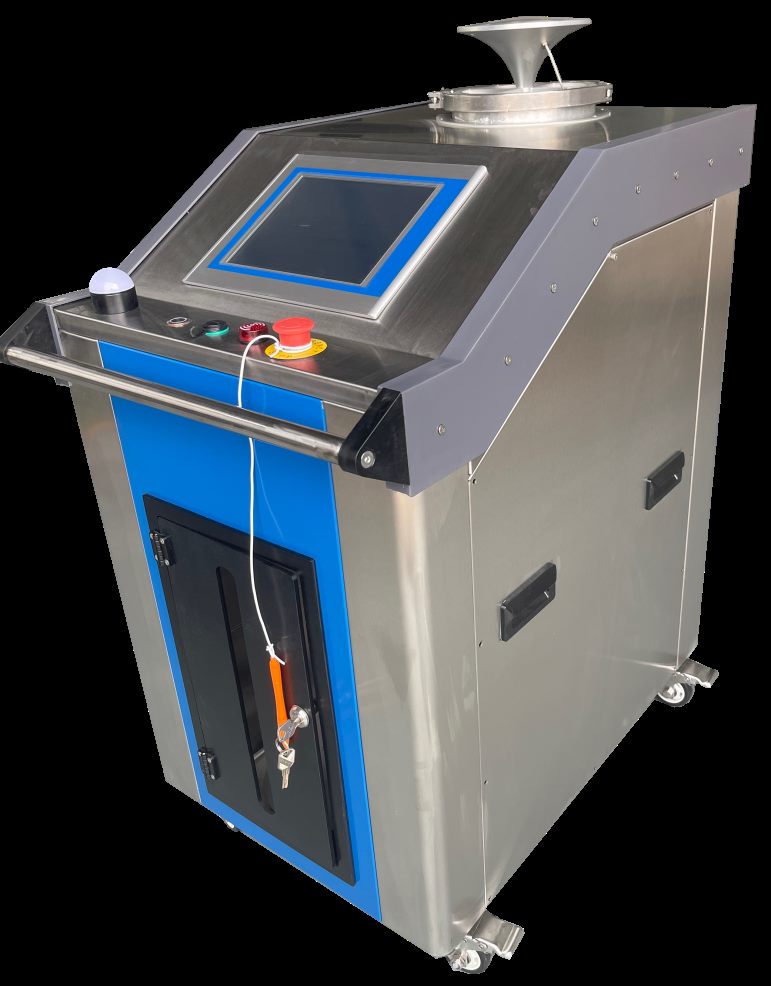 Mobile VHP Room SterilizerWheeled unit bio-decontaminating rooms up to 300 m³.VHP Sterilization
Not sure which VHP configuration fits your facility?
Tell us how many rooms need treating and how often, and our engineers will recommend a portable, integrated or hybrid VHP setup.