








Cell Therapy Isolators: Aseptic Isolation for Cell Culture, Processing & Manufacturing
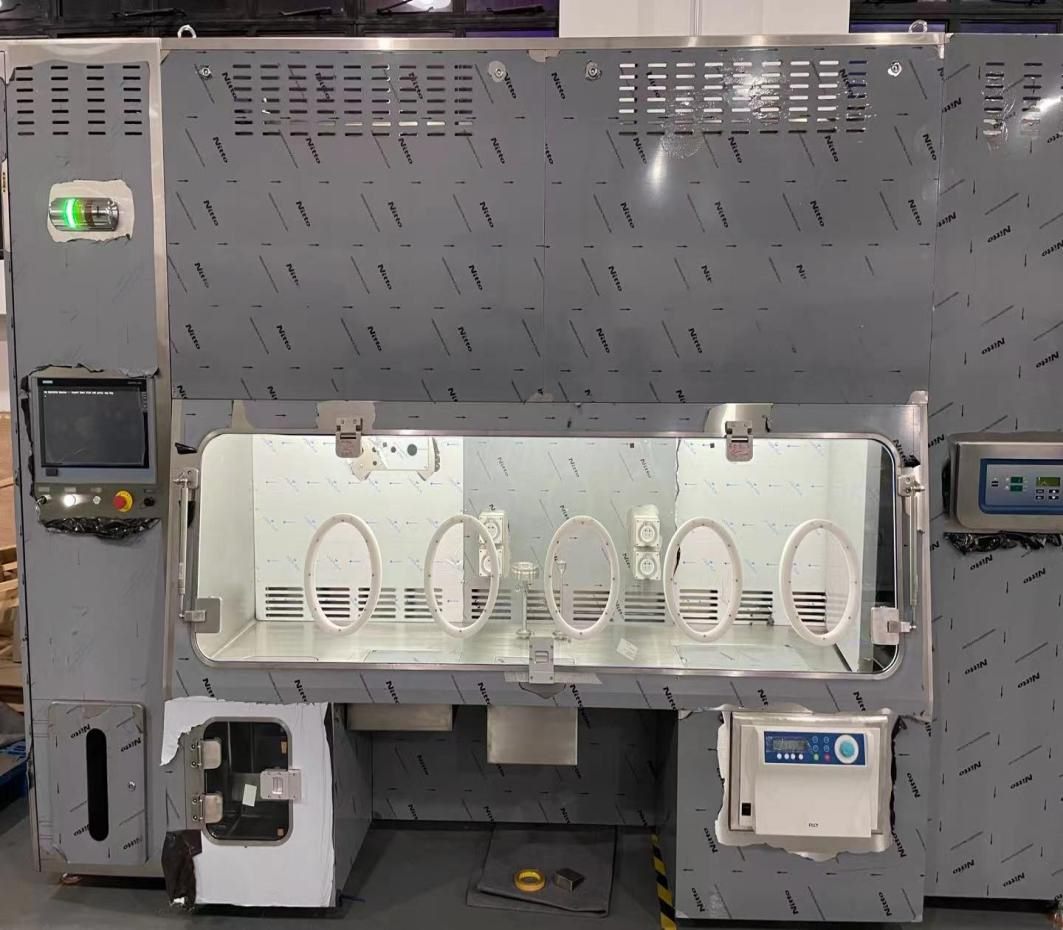
Cell and gene therapy (CGT) products are living cells — they cannot be terminally sterilized. The product is exposed from collection through processing to fill, and its sterility rests entirely on the environment. A cell therapy isolator — also called a cell processing isolator, cell culture isolator or cell manufacturing isolator — gives the whole workflow a closed Grade A (ISO 5) aseptic environment and decontaminates with VHP between batches, driving cross-contamination and batch-to-batch bioburden to a minimum. This guide explains why CGT uses an isolator rather than a biosafety cabinet, how these aseptic cell processing systems are configured, and how culture, processing and fill differ.
Why CGT uses an isolator, not a biosafety cabinet or cleanroom
Cell therapy is often autologous, single-batch, patient-specific — one batch is one patient’s treatment. A contamination scraps the product and can cost the patient their treatment window, a far higher stake than a conventional drug. The traditional “biosafety cabinet + Grade B/C cleanroom” combination has two weaknesses: the environment is open and depends on operator technique to stay aseptic, so risk travels with the person; and it is hard to fully decontaminate between different patient batches, leaving a cross-contamination path.
A cell therapy isolator uses a physical barrier to close the Grade A environment: operators work through glove ports, never entering the aseptic space directly, and VHP delivers a validated decontamination between batches to eliminate the previous batch’s residue. This matches EU GMP Annex 1’s steer toward isolators as the preferred technology for aseptic work, and fundamentally shifts sterility assurance from “relying on people” to “relying on the system.” For the open-vs-closed trade-off see Aseptic Isolators: Open vs Closed (PDA TR34) and Isolator vs RABS for Aseptic Filling.
How a cell therapy isolator is configured
A cell culture isolator / cell processing isolator for CGT is built around “hold sterility, protect people and product, decontaminate between batches”:
| Element | Detail |
|---|---|
| Cleanliness | Closed Grade A (ISO 5) unidirectional flow, stable cleanliness and velocity inside the chamber. |
| Pressure regime | Positive pressure to protect the product for ordinary cells; negative or switchable positive/negative when handling viral vectors or lentivirus with biohazard, to protect the operator too. See Positive vs Negative Pressure Isolator. |
| Between-batch decon | Integrated VHP generator for a validated 6-log biodecontamination between batches, removing cross-contamination. |
| Aseptic transfer | Materials, reagents and cells enter and leave through a rapid transfer port (RTP) or a biosafety pass box without breaking the chamber. |
| Process integration | Incubator, centrifuge, pipetting and fill equipment integrated into the chamber or isolators linked in series to cut exposed transfers. |
| Also called | Cell therapy isolator, cell processing isolator, cell culture isolator, cell manufacturing isolator, aseptic cell processing workstation. |
Culture, processing, fill: different emphasis per step
Cell culture
A cell culture isolator brings the incubator inside the closed Grade A environment, so cells are never exposed to an open cleanroom during expansion — cutting contamination risk over long culture runs.
Cell processing
A cell processing isolator / workstation covers separation, washing, transduction and centrifugation — the most exposure-intensive step, with the highest demands on glove-port ergonomics and aseptic transfer.
Cell manufacturing & fill
A cell manufacturing isolator handles final fill of the product, on the same logic as an aseptic filling isolator: fill and stopper under closed Grade A. For how to tie the whole workflow together to aseptic requirements, see How to Choose a Pharmaceutical Isolator.
Selection and manufacturer
When choosing a cell therapy isolator manufacturer / cell processing isolator supplier, the point is not “is there a standard unit” but whether it can be configured to your process: is the pressure regime set by material risk, can the VHP cycle be developed and qualified for your chamber, does the airflow still meet Grade A once equipment is integrated. CGT processes are highly individual — a fitting aseptic isolation system is designed back from your process flow, not the other way round. For the relevant requirements see EU GMP Annex 1: What It Means for Isolators.
FAQ
Does a cell therapy isolator run positive or negative pressure?
Positive to protect the product when the cells carry no biohazard; negative or switchable when handling viral vectors and similar biohazardous material, to protect the operator too. It is set by the material’s risk.
How is it different from an ordinary aseptic isolator?
Both are closed Grade A barriers, but a cell therapy isolator emphasizes process-equipment integration (incubator, centrifuge), ergonomics for long operations, and thorough decontamination between autologous single batches.
How is cross-contamination prevented between batches?
Through the integrated VHP generator, which performs a validated biodecontamination to a 6-log kill of the previous batch’s residue before the next begins.
Related Products
Cell Processing IsolatorClosed Grade A environment for cell-therapy processing.Isolators & Barrier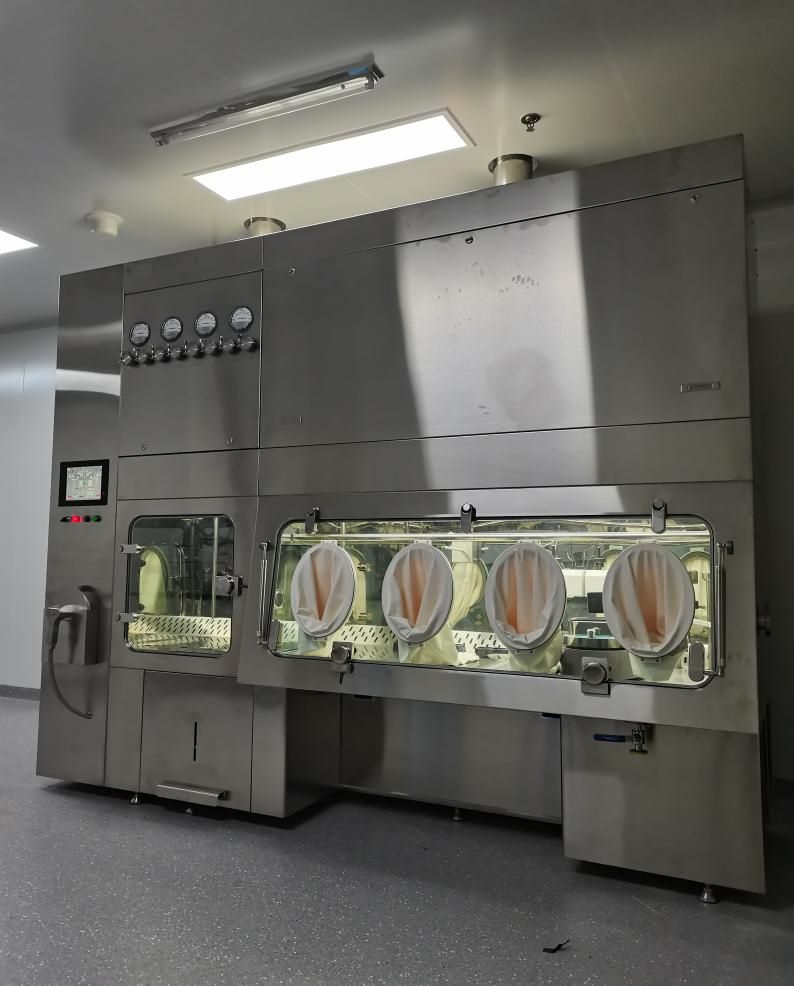 Sterility Test IsolatorGrade A barrier for pharmacopoeia sterility testing.Isolators & Barrier
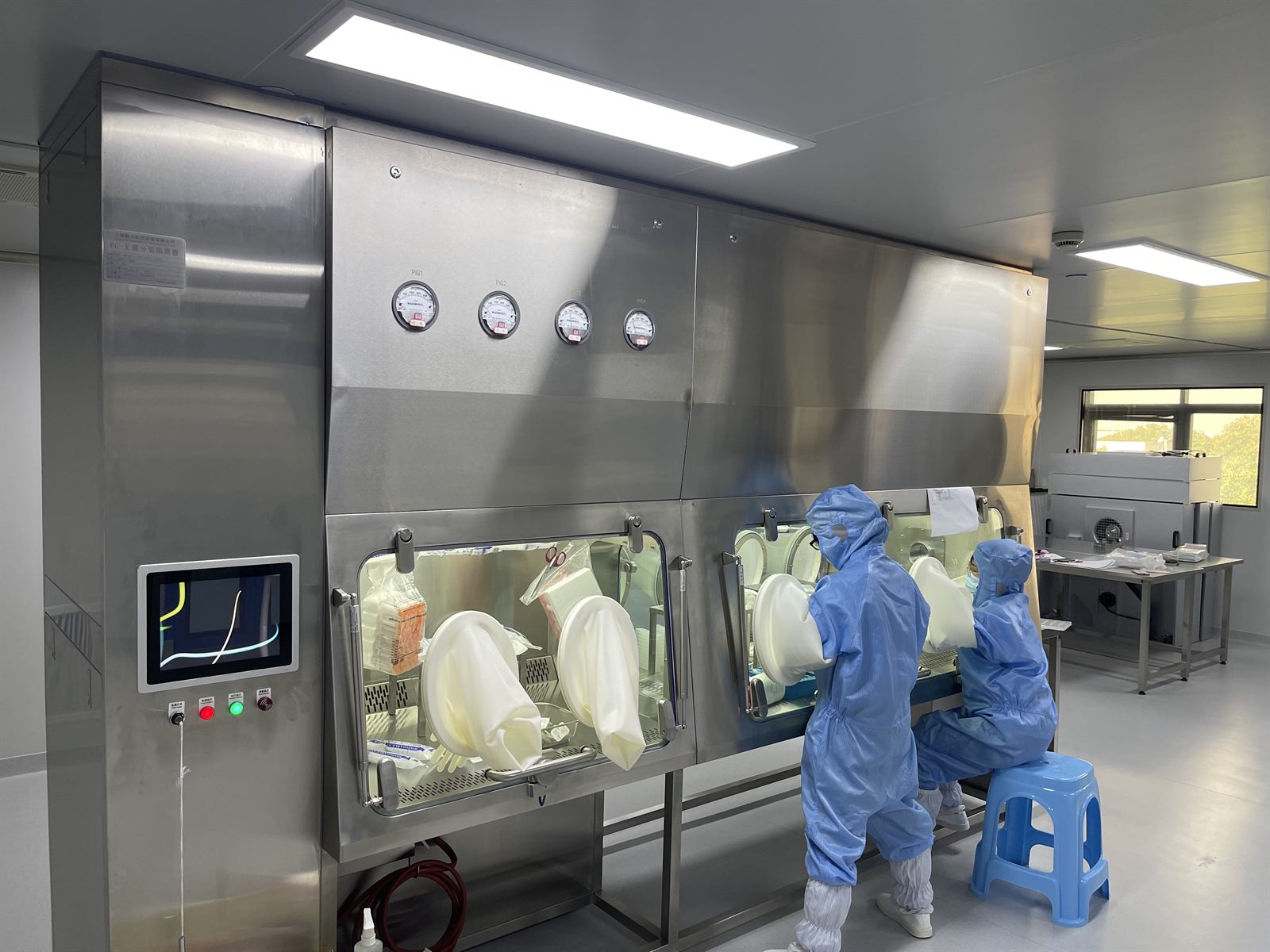 Aseptic Filling IsolatorGrade A (ISO 5) barrier for sterile filling, stoppering and capping.Isolators & Barrier
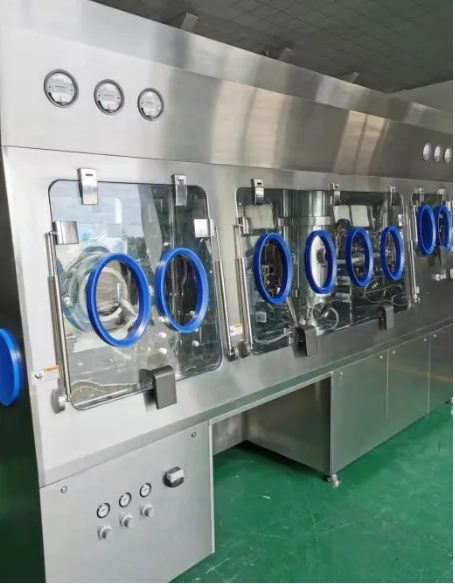 Negative Pressure IsolatorOEB5 containment at controlled negative pressure.Isolators & Barrier
Planning aseptic isolation for cell therapy?
Tell us your workflow (culture / processing / fill), cell type and whether viral vectors are involved, and our engineers will configure the right cell therapy isolator — pressure regime, VHP decontamination and process integration designed as one.