








Mobile Laminar Flow Trolleys & Grade A Hoods: Local Protection for Aseptic Transfer & Open Handling
The moment a sterile product leaves the isolator or the cleanroom core, it is most at risk during exposed transfer and open handling. The answer is a blanket of local Grade A laminar flow: a mobile laminar flow trolley (laminar flow transfer cart) in transit, and a Grade A laminar flow hood over a fixed workstation. This guide explains how to choose between a mobile laminar flow trolley and a laminar flow hood, what “Grade A / Class 100 / ISO 5” means, and common variants such as the height-adjustable laminar trolley.
Why open handling and transfer need local laminar flow
In an aseptic process the product is protected inside the isolator or the Grade A core. But the moment it is handled on an open bench, or moved from one clean zone to another, it is exposed to the surrounding air. Local unidirectional (laminar) flow supplies a steady stream of HEPA-filtered air straight down over the product, sweeping surrounding particles and microbes away and holding Grade A (ISO 5) cleanliness over just that exposed spot. It does not rebuild the whole room — it protects the point where the product is. For cleanliness classes see ISO 14644-1 Cleanroom Classification.
Mobile laminar flow trolley / transfer cart
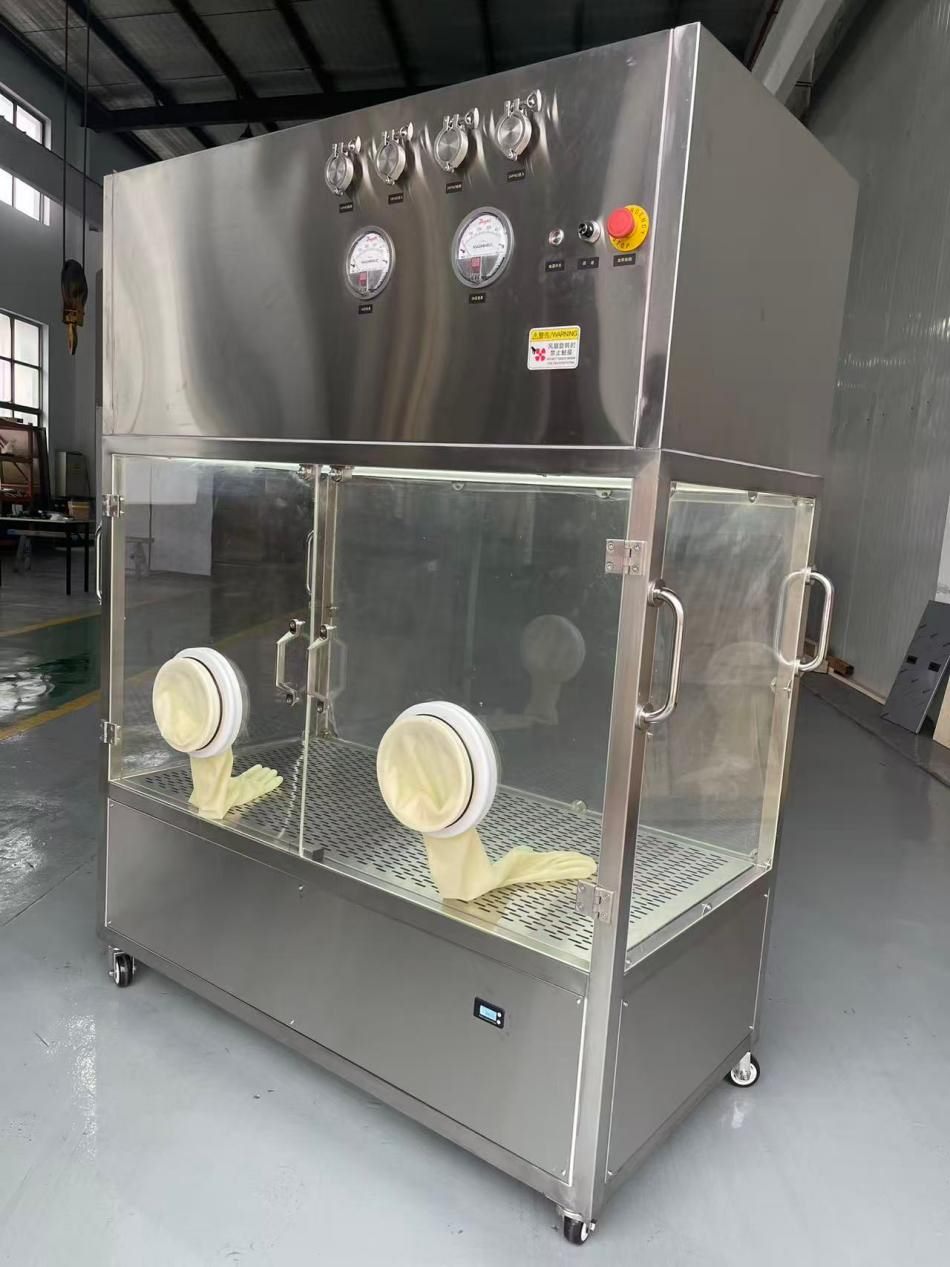
When sterile trays, filled product or culture vessels move between clean zones, use a mobile laminar flow trolley (laminar flow transfer cart): a top FFU supplies downward unidirectional flow, blanketing the product in a patch of Grade A air wherever it is wheeled, avoiding contamination in transit. Common forms and names:
- Grade A laminar cart / Class 100 transfer cart — the work zone holds Grade A (ISO 5), for the most demanding aseptic transfer.
- Height-adjustable laminar trolley — adjustable deck height for ergonomic docking to different workstations, see Height-Adjustable Laminar Flow Trolley.
- Portable / mobile laminar flow unit — general-purpose mobile laminar flow for routine clean transfer.
For the standard build see Laminar Flow Trolley.
Grade A laminar flow hood
For open handling at a fixed workstation, use a Grade A / Class 100 laminar flow hood: an FFU supply sits directly above the station and pushes unidirectional flow down, keeping inspection, weighing or filling under Grade A protection. For a filling-line canopy see Filling Line Laminar Flow Unit; for a general station see Laminar Flow Hood. For vertical vs horizontal and overall selection see Laminar Air Flow (LAF) Units.
Is “Grade A” the same as “Class 100”
They are two names for the same cleanliness. Class 100 is the old US standard (FS209E); Grade A is the EU GMP term; both map to ISO 5 in ISO 14644. So “Grade A hood,” “Class 100 hood” and “ISO 5 laminar flow” mean the same class. For the Annex 1 Grade A expectations see EU GMP Annex 1; for the HEPA at the supply face see HEPA H13 vs H14.
How to choose: mobile vs fixed
| Your need | Recommended |
|---|---|
| Transfer of exposed product between clean zones | Mobile laminar flow trolley / transfer cart (Grade A) |
| Adjustable working / docking height | Height-adjustable laminar trolley |
| Fixed-bench open handling | Grade A / Class 100 laminar flow hood |
| Protection over a filling line | Filling-line laminar flow unit (canopy) |
FAQ
Can a mobile laminar trolley reach Grade A (Class 100)?
Yes. A proper Grade A laminar cart holds ISO 5 / Class 100 unidirectional flow in the work zone for the most demanding exposed transfer; actual performance is confirmed by on-site particle and velocity testing.
Hood vs trolley — what’s the difference?
A hood is fixed above a workstation and protects a point of open handling; a trolley is wheeled and protects the product in transit. Same principle, one fixed, one mobile.
What’s the point of a height-adjustable trolley?
An adjustable deck docks to equipment and stations at different heights, improving ergonomics and reducing needless exposure.
Related Products
Laminar Flow TrolleyMobile Grade A laminar cart for open product transfer.Air Handling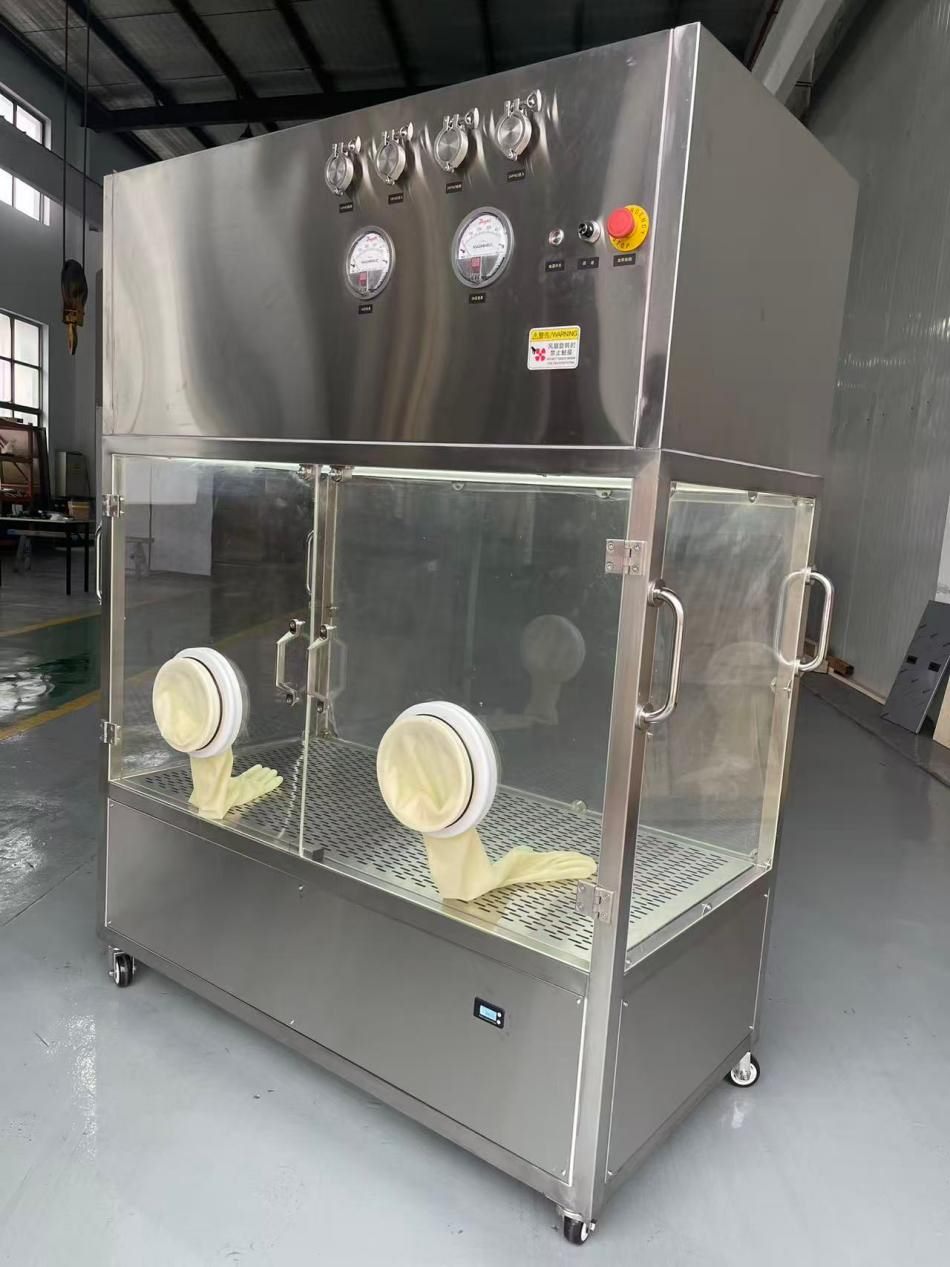 Height-Adjustable Laminar TrolleyLaminar trolley with adjustable working height for ergonomic handling.Air Handling
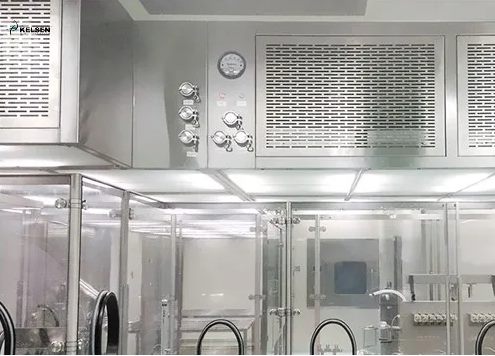 Laminar Flow HoodGrade A laminar airflow over open processing and inspection.Air Handling
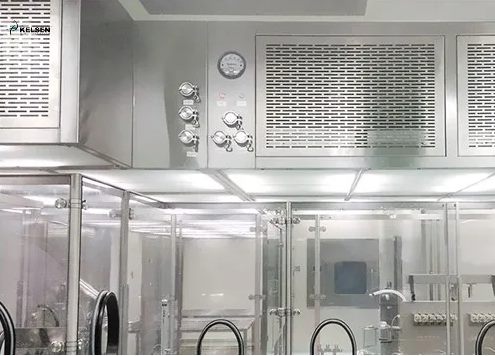 Filling Line Laminar Flow UnitGrade A laminar canopy over the filling zone.Air Handling
Need laminar protection for exposed transfer or open handling?
Tell us your transfer route, workstation and cleanliness requirement, and Fenggu will configure a mobile laminar flow trolley, height-adjustable trolley or Grade A hood that holds Grade A over the exposed point.