








VHP Cycle Parameters: Concentration, Humidity, Saturation & Condensation
Whether a VHP (vaporized hydrogen peroxide) cycle actually works — and whether it corrodes your equipment or fails to aerate — comes down to four interacting parameters: H₂O₂ concentration, humidity, relative saturation (RS) and temperature. Set them wrong and you get condensation, uneven kill, prolonged aeration, or corroded chambers. This guide explains how the parameters trade off, the RH-vs-RS distinction that trips people up, and how to keep a cycle just below the condensation line.
The whole game: staying just below condensation
35% hydrogen peroxide boils at about 108 °C, so at the 20–30 °C of a real isolator or cleanroom the peroxide is below its evaporation point — yet a usable amount of vapour-phase H₂O₂ still exists, constantly forming and decomposing. That is why a VHP cycle must continuously top up the vapour to hold the target concentration. The catch: push the vapour too high and the chamber crosses its saturation point and condenses — which corrodes surfaces and sensors, prolongs aeration, and makes the kill uneven. The entire art of a VHP cycle is holding the sweet spot: enough vapour to be sporicidal, but just below the condensation line.
RH vs RS — the distinction that trips people up
People assume gassing raises the humidity. It mostly doesn’t — and confusing the two terms is where cycles go wrong:
- Relative humidity (RH) is how much water vapour the air holds versus its saturation point at that temperature.
- Relative saturation (RS) is how much water plus hydrogen peroxide vapour the air holds versus saturation.
During the gassing phase you are adding H₂O₂ vapour, so it is the RS that climbs toward 100%, while RH stays roughly flat. Condensation happens at RS 100%, not RH 100%. This is exactly why the cycle starts with a dehumidification / conditioning phase: lowering the water vapour first leaves more headroom to inject H₂O₂ vapour before hitting RS 100%. Monitor and control RS, not RH.
The concentration–humidity trade-off
Concentration and humidity trade against each other. A low H₂O₂ concentration needs a higher humidity to kill well; a high concentration works at lower humidity. So the common, economical operating regimes are:
| Regime | H₂O₂ concentration | Humidity | Character |
|---|---|---|---|
| Dry | High (~800 ppm) | Low | No condensation; material-friendly; longer aeration of high peroxide. |
| Balanced | Medium (~600 ppm) | Medium | The usual choice for isolators — easy to control in a small volume. |
| Wet | Low (~400 ppm) | High | Micro-condensation aids kill; slower but efficient; gentler on walls. |
All three regimes live below the condensation line (RS 100%). The more water vapour you carry, the less peroxide vapour you can add before condensing — so the safe operating window slopes down:
Dry or wet: isolator vs room
The regime you pick follows the space:
- Isolators and small chambers → balanced (mid concentration, mid humidity). A small, sealed volume is easy to control, and going to very high concentration just makes aeration back down to ≤1 ppm take longer. Dry-leaning cycles also protect the electronics, coatings and seals inside.
- Rooms and large spaces → wet (low concentration, high humidity). Large volumes are pre-conditioned to ~40–60% RH before gassing; a low-concentration, higher-saturation cycle kills well, is gentler on wall coatings, and an overnight cycle-plus-aeration is perfectly workable. At the same concentration (say 180 ppm), a higher saturation gives a better kill.
For the dry-vs-wet definitions in the context of validation, and why RS is a critical process parameter, see VHP Cycle Development & Qualification.
Condensation: friend and enemy
A little condensation is not automatically bad. Research shows micro-condensation — sub-micron, invisible to the eye — is part of the kill in a wet cycle; because water condenses before peroxide, the condensed film is far more concentrated than the liquid solution. But over-condensation is the enemy: it corrodes chambers and sensors, drags out the aeration phase, and makes the kill inconsistent across the load. The rule is to keep the vapour unsaturated, or only near-saturated — never in visible condensation. In practice, saturation is harder to hold than the plan suggests: a room cycle that targets 40–60% can easily spike to 80–90% saturation, which is exactly why RS must be logged and controlled throughout.
What this means for BI placement and monitoring
Because VHP is a surface process with limited penetration, biological indicators are placed where vapour struggles to reach or where it is coldest — room corners, near return-air ducts, the farthest points from injection, the core zone, and at representative heights. Flooding a chamber with dozens of BIs adds little; a risk-based set at the true worst-case points is what proves the cycle. Log temperature, RH, H₂O₂ concentration (ppm) and RS throughout, and confirm the end-point by aerating to ≤1 ppm. Cycles are validated with the peroxide-resistant biological indicator Geobacillus stearothermophilus in an overkill approach — see How a VHP Cycle Is Validated.
FAQ
Should I control RH or RS?
RS. Condensation is governed by relative saturation (water + peroxide vapour), which rises during gassing while RH stays roughly flat. Controlling RH alone will let you condense unexpectedly.
Higher concentration is always better, right?
No. Higher concentration means longer aeration and more corrosion risk. In a small isolator a balanced mid-concentration cycle is usually the most practical; rooms often do better on low concentration and higher saturation.
Why does my room cycle take so long?
Usually aeration — high peroxide or over-condensation (absorbed by seals, cellulose, coatings) takes a long time to break down to ≤1 ppm. Lower the concentration, avoid condensation, and check for absorbent materials in the load.
Related Products
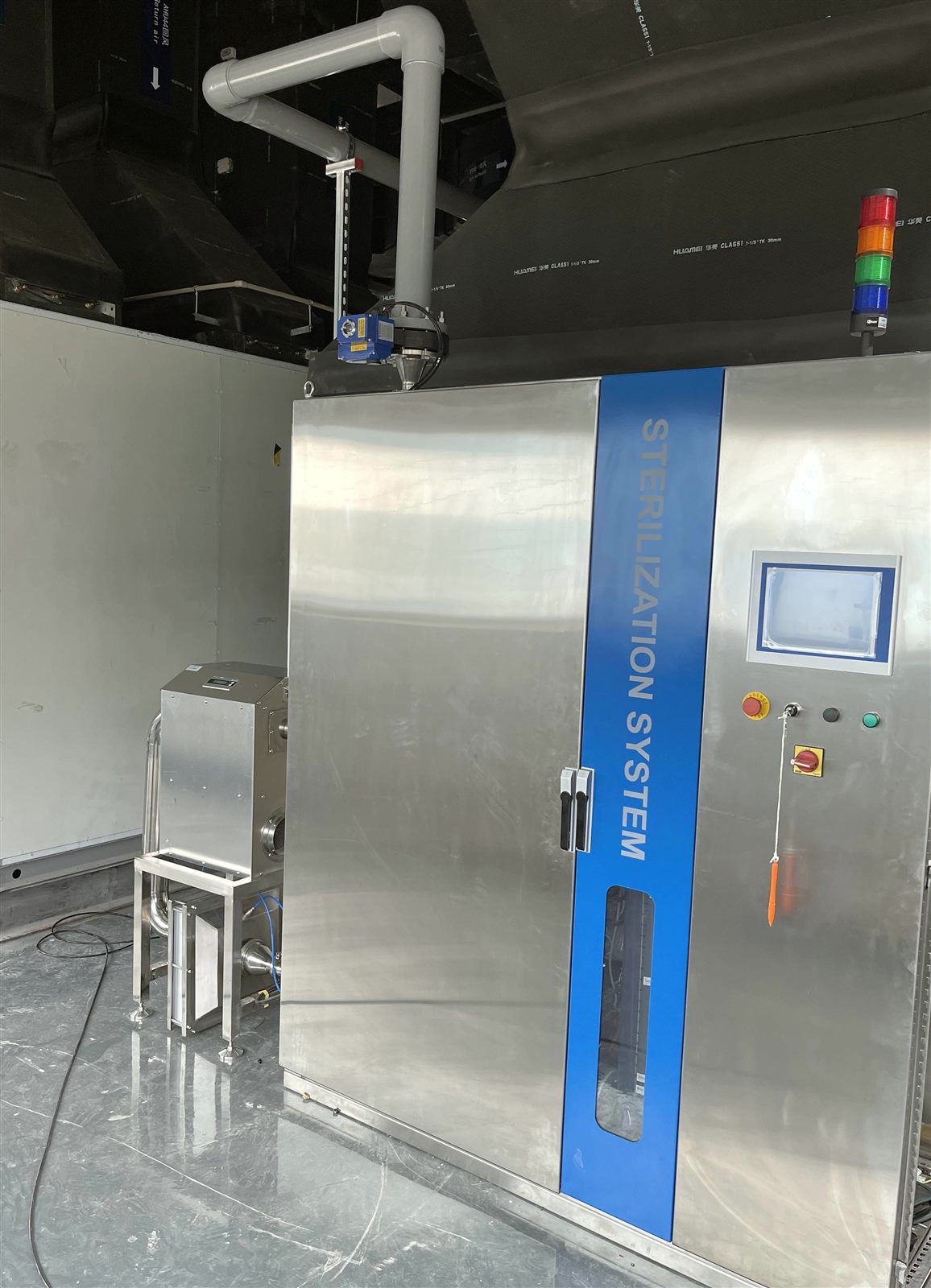 HVAC-Integrated VHP SystemCouples VHP to existing air handling to decontaminate suites and ductwork.VHP Sterilization
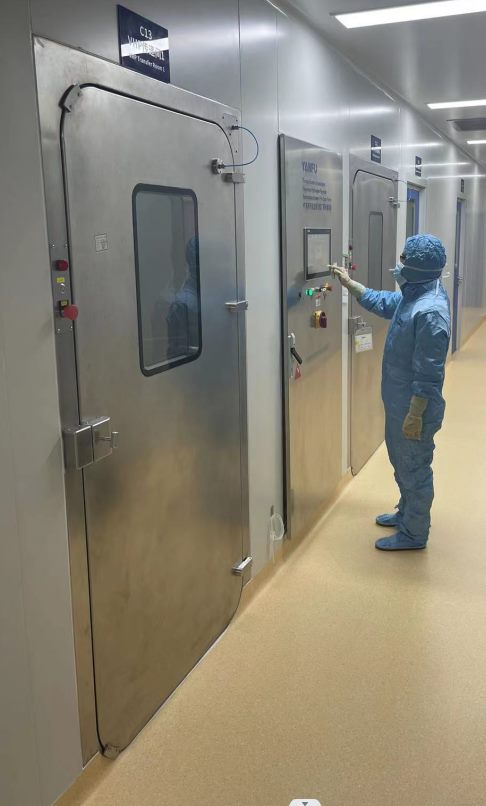 Airlock VHP SterilizationIntegrates VHP into a buffer/airlock to decon material entering Grade A/B.VHP Sterilization
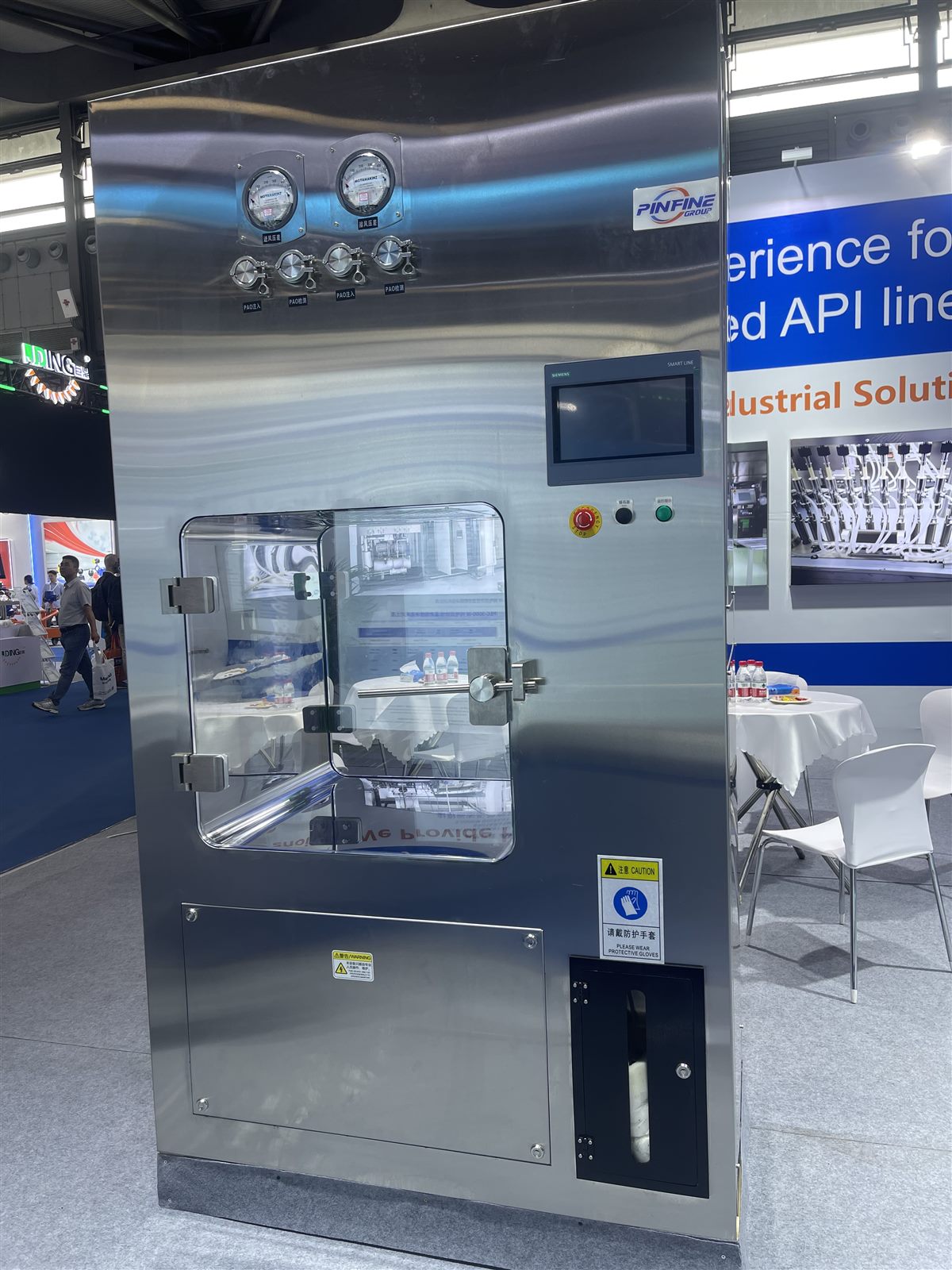 VHP Pass BoxWall-mounted transfer chamber with an integrated VHP cycle.Transfer & Containment
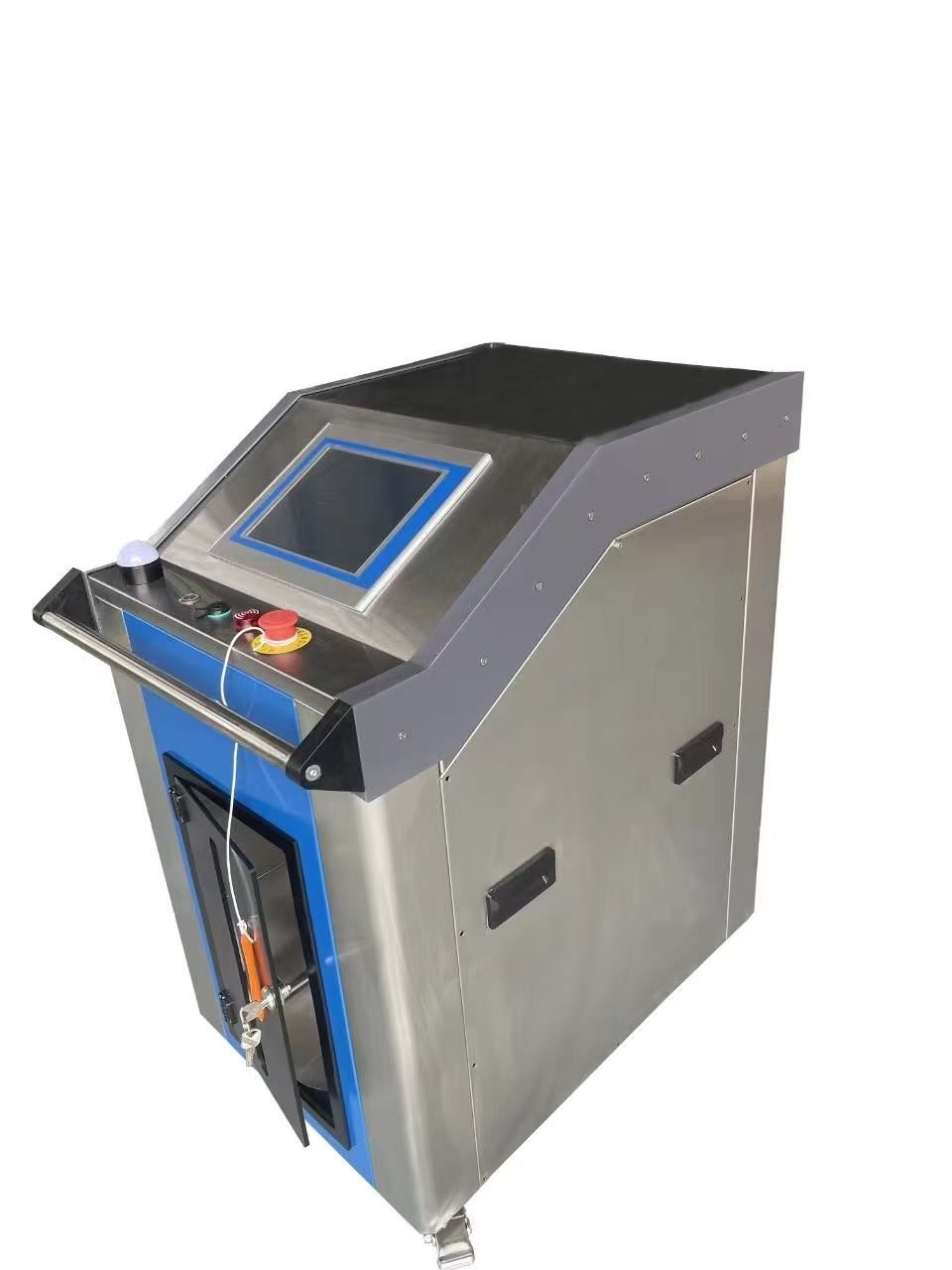 Pulsed-Vacuum VHP GeneratorPulsed-vacuum cycling drives VHP into hard-to-reach equipment interiors.VHP Sterilization
Dialling in a VHP cycle?
Tell us your enclosure or room volume and target grade, and our engineers will set a validatable VHP cycle — concentration, humidity and saturation tuned to kill reliably and aerate fast, without condensation.