








HVAC-Integrated VHP Sterilization System
Combining VHP equipment, HVAC and fixed piping with automated control into one unified sterilization solution
Project & Product Overview
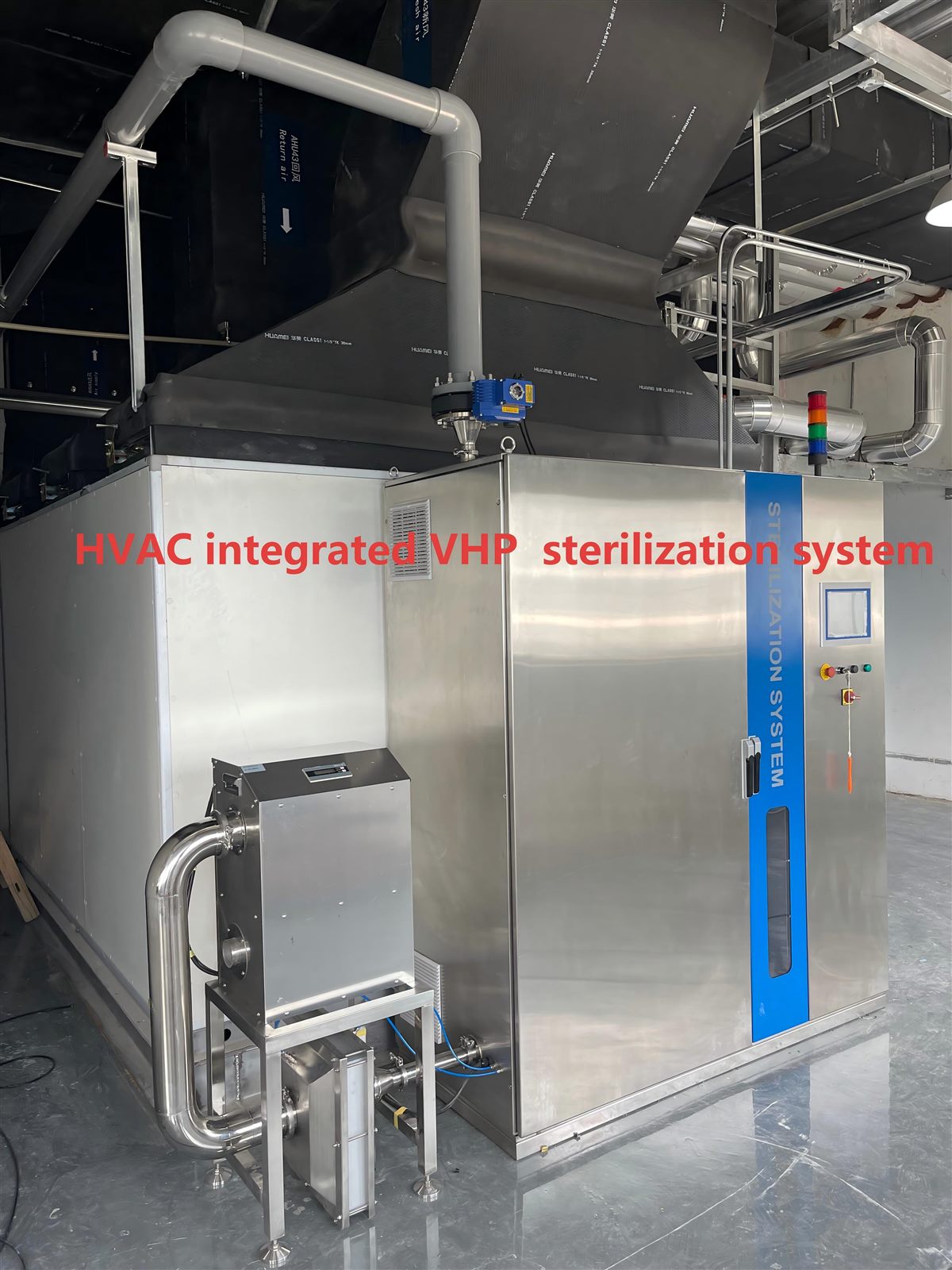
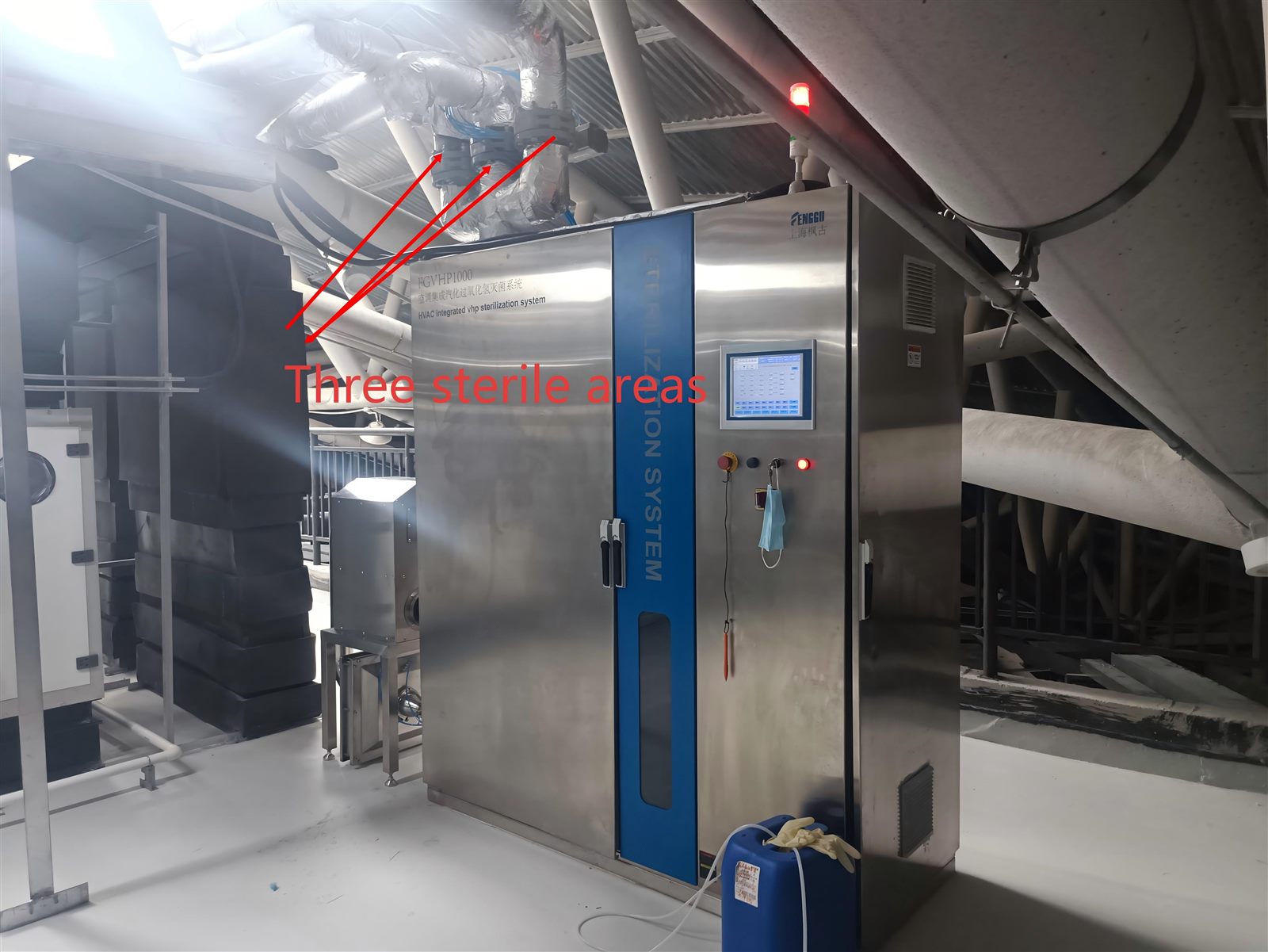
Fenggu Medical Equipment supplied the equipment and engineering integration for an HVAC-integrated VHP sterilization system. The project serves the Qinhuangdao mRNA vaccine manufacturing facility of CSPC Megalith Biopharmaceutical, deeply integrating VHP sterilization equipment with the site’s existing HVAC system. Using the HVAC air circulation, vaporized hydrogen peroxide is delivered evenly through the air-handling ductwork to the target spaces and duct interiors.
The system performs space biodecontamination across the entire aseptic area, the HVAC supply/return ductwork, and the section upstream of the HEPA filters, with automated control covering sterilization preparation, VHP injection, VHP hold/circulation, aeration and return to production mode — reducing how often personnel need to enter the cleanroom or handle equipment.
Typical applications: P2/P3 laboratories, aseptic formulation suites, biopharmaceutical production areas, and other spaces that require controlled-space sterilization.
How It Works: VHP Sterilization Mechanism
Vaporized hydrogen peroxide uses strong oxidizing action to break down the cell membranes, proteins and nucleic acid structures of microorganisms, providing broad-spectrum inactivation of bacteria, viruses and spores. After the cycle, the hydrogen peroxide breaks down into water and oxygen, leaving no toxic byproducts.
System Components
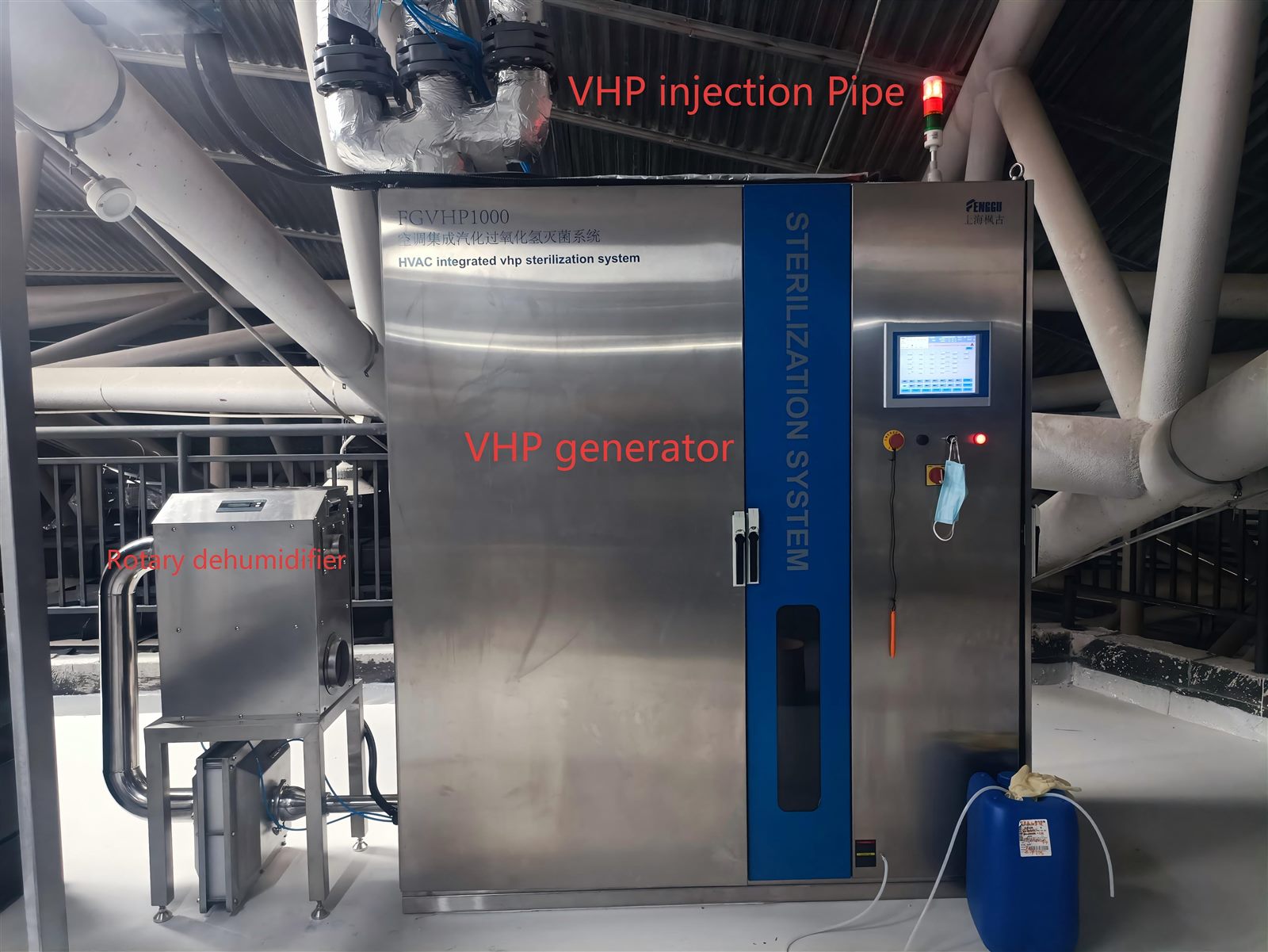
- Rotary dehumidifier — supplies dry process air for the VHP cycle
- High-efficiency filter — filters the process air entering the system
- High-pressure blower — provides stable delivery pressure for the VHP vapor
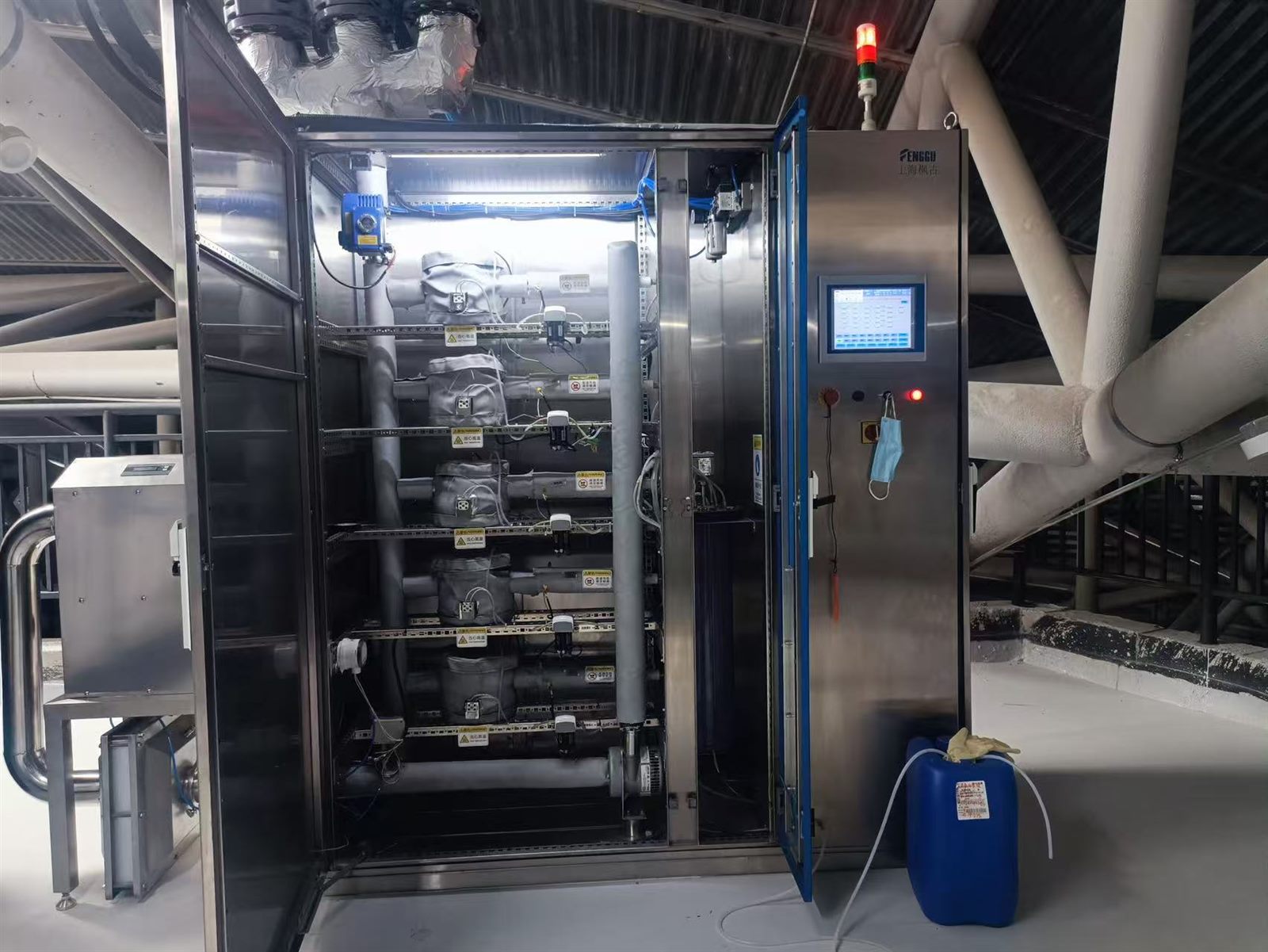
- VHP vaporization unit — vaporizes and controls injection of the H₂O₂ solution
- CPVC piping — carries VHP from the equipment into the HVAC system or target area
- Interlocked control system — integrates with the HVAC program to switch automatically between process stages
Why an Integrated Approach
Compared with mobile VHP sterilizers, an integrated system moves equipment from “wheeled into the cleanroom for every cycle” to “fixed equipment, fixed piping, centralized control.” For an aseptic area with multiple rooms, VHP can be delivered uniformly through HVAC ductwork and distribution piping, cutting down the setup, positioning, refilling and removal work that comes with running several mobile units.
Mobile: check, refill and wheel each unit into the area individually.
Integrated: fixed equipment and piping, prepared centrally.
Mobile: higher local concentration possible near each unit.
Integrated: delivered evenly to each room through ductwork.
Mobile: results can vary with unit placement.
Integrated: fan frequency, airflow and valve states can be fixed.
Mobile: personnel must enter the area to remove equipment after the cycle.
Integrated: aeration and production-mode recovery complete from the control panel.
Automated Sterilization Sequence
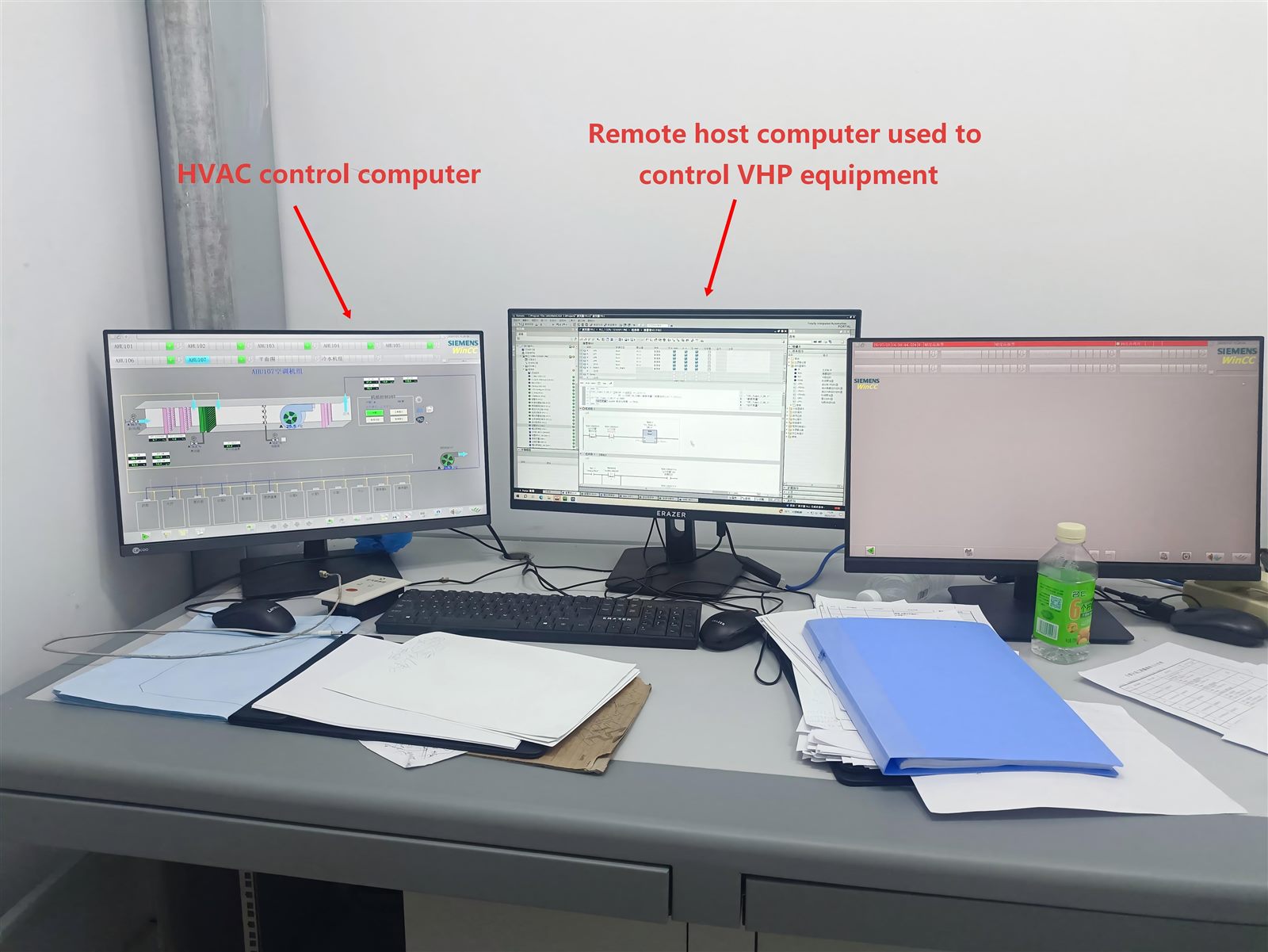
Before startup, there is no need to wheel multiple units into the cleanroom one by one. VHP injection runs through pre-installed piping, and the host computer can be located in the HVAC control area. Once linked to the HVAC program, the system can automatically complete preparation, circulation, aeration and mode recovery — and after the cycle, no one needs to gown up and enter the area to remove equipment.
Scalability & Project Value
An integrated system scales well. On projects with multiple aseptic areas, distribution can be handled through piping and valves, running each area’s automated cycle in sequence via preset programs. The system can also reserve VHP piping and control interfaces for future workshops — expansion then mainly means extending the sterilization piping and valve configuration, rather than purchasing another standalone unit.
One system manages the equipment, piping, valves and program.
Less manual handling, fewer per-unit startups and less time inside the cleanroom.
Fixed airflow, valve angles and control logic improve process repeatability.
Reserved interfaces support controlled areas added later.
From Mobile Equipment to System Engineering
The Qinhuangdao facility project illustrates an engineering path where VHP sterilization equipment, HVAC, fixed piping and automated control work together as one system, rather than as separate mobile units brought in for each cycle.
Illustrative Multi-Room Scenario
As a general illustration: a roughly 1,000 m³ Grade B area made up of 12 rooms would typically require at least 3 mobile VHP sterilizers to complete sterilization of the whole area. With an HVAC-integrated VHP system, one centralized unit paired with pre-installed piping can handle VHP injection and coverage across the area instead.
Operation & HVAC Integration
Before an integrated system starts a cycle, there is no need to wheel each unit into the aseptic area individually as with mobile VHP sterilizers. VHP is injected through pre-installed fixed piping, the remote host computer can sit in the HVAC control area, and operators complete the sterilization work from the control station.
Integrated with the HVAC system’s own program, the system can automatically complete sterilization preparation, VHP injection and circulation, VHP aeration, and mode recovery once the cycle ends. After sterilization, operators do not need to gown up again to enter the Grade B area and wheel mobile VHP units back out.
Labor, Local Concentration & Material Risk
With multiple mobile VHP sterilizers, each unit needs to be checked and refilled with hydrogen peroxide solution before startup, which adds manual preparation work. While a mobile unit is running, a higher hydrogen peroxide vapor concentration can build up near the equipment; repeated local high concentration can increase the risk of corrosion to surrounding materials such as color-coated steel panels.
An integrated system delivers hydrogen peroxide vapor to each room through HVAC ductwork and fixed distribution paths, which helps reduce localized high concentration around the equipment and gives each target room a more even VHP injection.
Process Repeatability & Future Expansion
Mobile VHP sterilization relies on manual positioning and operation, so differences in unit placement from one cycle to the next can affect results. An integrated system injects VHP through fixed ductwork and sets HVAC supply fan frequency, airflow and damper positions to fixed values, which helps improve the repeatability of the sterilization process.
Where a project has multiple aseptic areas, one integrated system can distribute VHP through piping and valves, running each area’s automated cycle in sequence via preset programs. The system can also reserve VHP piping and control interfaces for future new workshops, so new areas are added mainly by extending the sterilization piping rather than purchasing separate standalone units.
Related Products
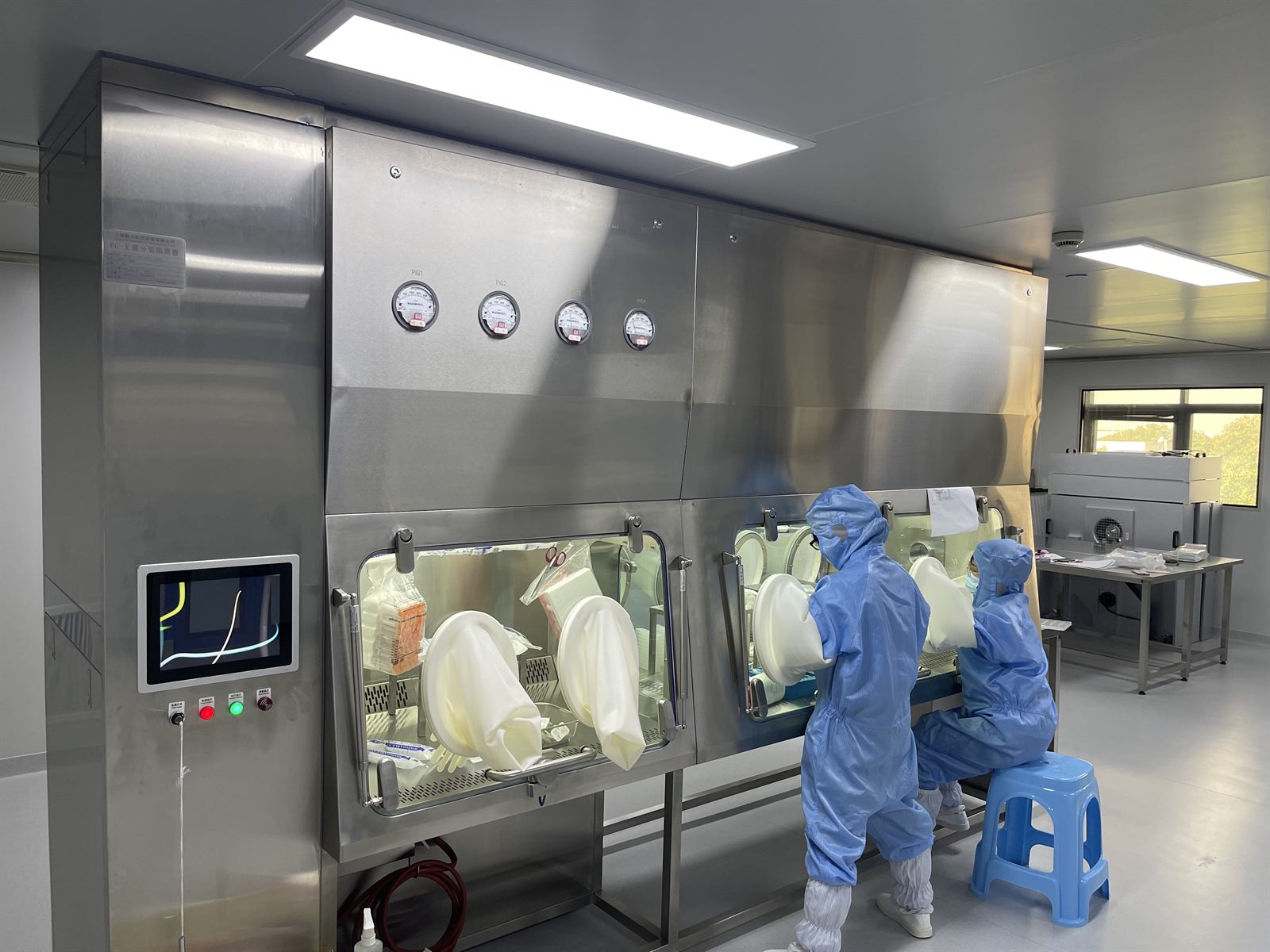 Aseptic Filling IsolatorGrade A (ISO 5) barrier for sterile filling, stoppering and capping.Isolators & Barrier
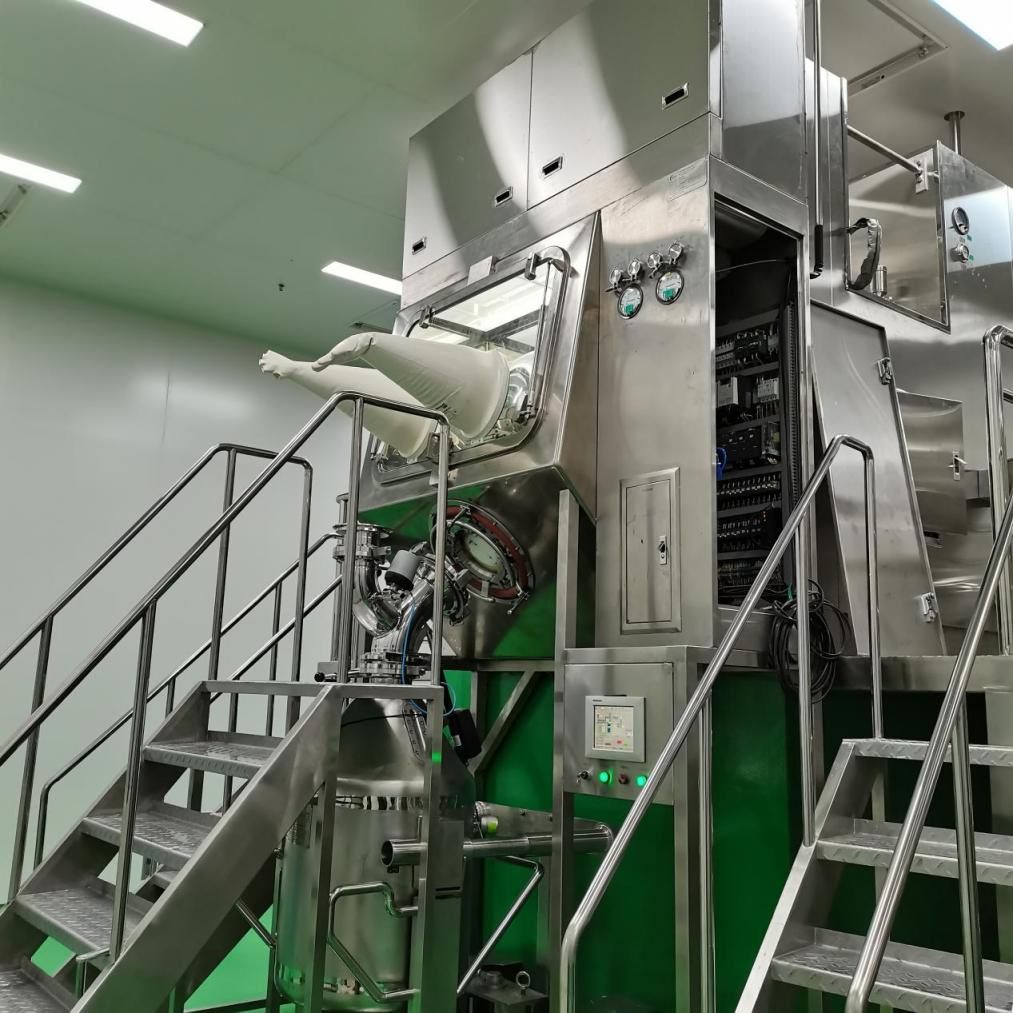 Dispensing & Containment Isolator (OEB5)Negative-pressure barrier for weighing, charging and sampling HPAPI.Isolators & Barrier
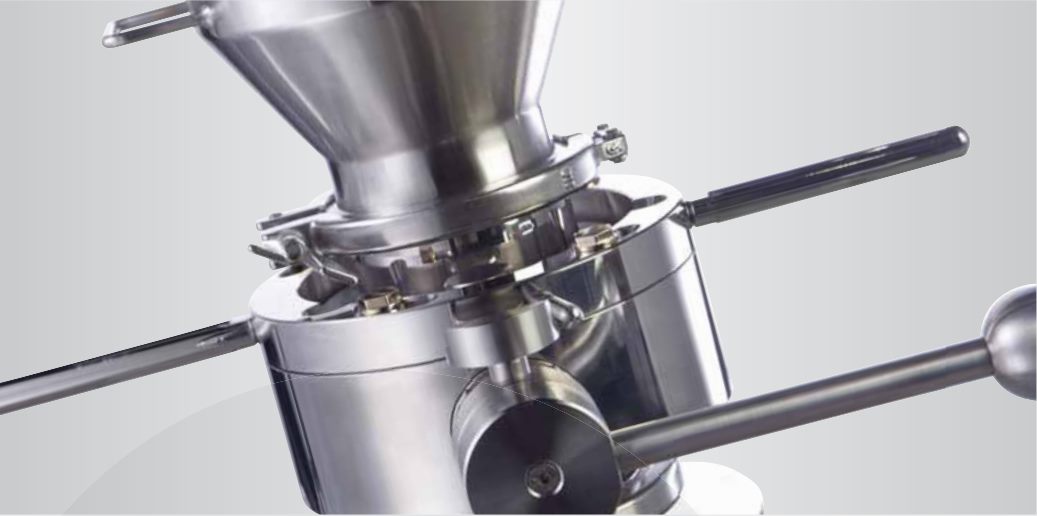 Alpha-Beta Split Butterfly ValveSplit butterfly valve for contained, dust-free transfer of potent powders.Transfer & Containment
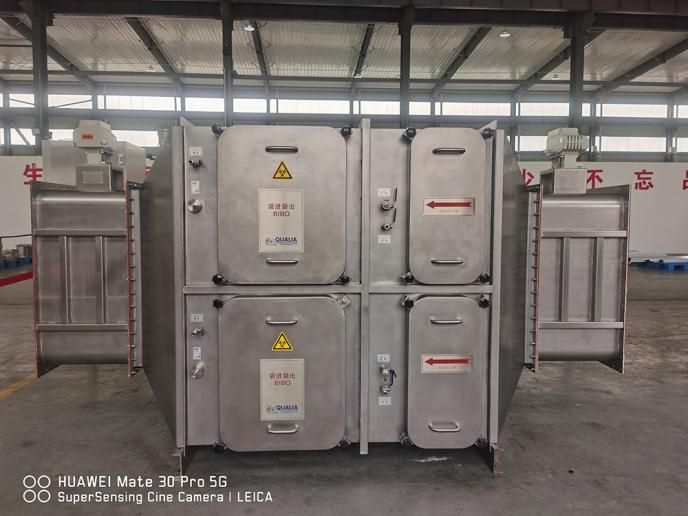 BIBO Filter HousingBag-in/bag-out HEPA housing for safe filter change in P3/P4 labs.Air Handling
Planning HVAC-integrated VHP for a multi-room facility?
Tell us your area layout and room count, and our engineers will recommend a piping and control configuration for your project.