








OEB and OEL Explained: Containment Levels for Potent Compounds
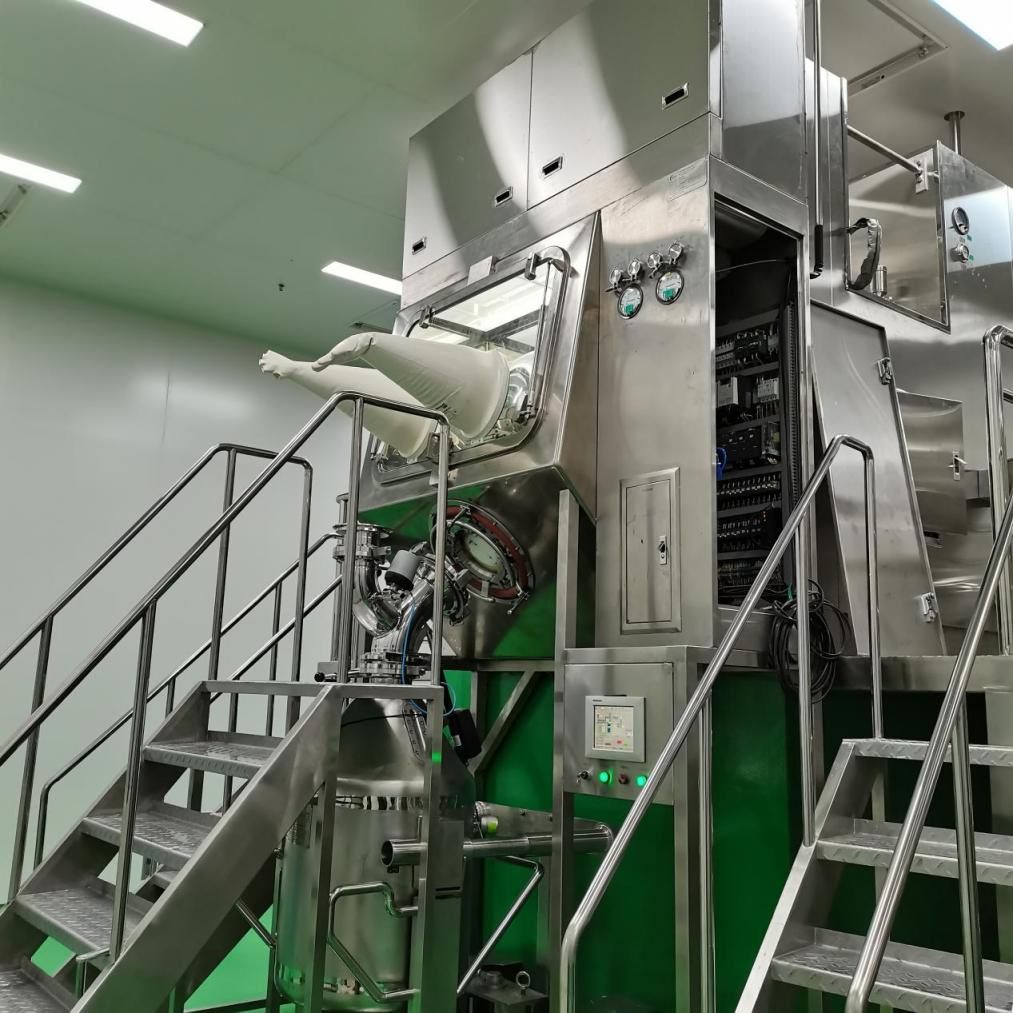
As more drugs become highly potent — oncology APIs, hormones, cytotoxics and other HPAPIs — protecting operators from tiny airborne quantities becomes a design problem, not just a housekeeping one. Two terms govern that design: the Occupational Exposure Limit (OEL) and the Occupational Exposure Band (OEB). Together they decide how much containment your equipment must provide. This guide explains both and maps them to the right containment hardware.
What is an OEL?
The Occupational Exposure Limit (OEL) is the maximum airborne concentration of a substance a worker may be exposed to, usually expressed as an 8-hour time-weighted average in µg/m³. A toxicologist derives it from a compound’s pharmacology and toxicology. The smaller the OEL, the more potent the compound — and the tighter the containment must be to stay below it.
What is an OEB?
Setting a precise OEL takes data and time. Until then — and for grouping compounds in practice — the industry uses Occupational Exposure Bands (OEBs): hazard categories, usually numbered 1 to 5, into which compounds are placed by potency. A higher band number means a more hazardous compound and a lower allowable exposure. OEB banding lets you specify equipment before every toxicology study is complete.
OEB bands and typical OEL ranges
| OEB | Typical OEL (8h TWA) | Potency |
|---|---|---|
| OEB 1 | > 1000 µg/m³ | Low |
| OEB 2 | 100–1000 µg/m³ | Moderate |
| OEB 3 | 10–100 µg/m³ | High |
| OEB 4 | 1–10 µg/m³ | Very high (potent) |
| OEB 5 | < 1 µg/m³ | Extreme (highly potent) |
The exact boundaries vary between companies — treat the table as the widely used convention, not a universal rule. What is consistent is the direction: each step up demands an order of magnitude more containment.
How OEB drives equipment choice
The band sets the containment strategy:
- OEB 1–2 — ventilated enclosures and downflow booths are often enough. A weighing & dispensing booth handles many lower-band powders.
- OEB 3 — booths with tighter controls, or negative-pressure enclosures, depending on task.
- OEB 4–5 — full isolation. A negative-pressure containment isolator or negative-pressure isolator keeps operator exposure below the OEL, with contained transfer via a split butterfly valve or rapid transfer port.
Proving containment: SMEPAC
A containment claim only counts if it is measured. The industry method is SMEPAC (Standardized Measurement of Equipment Particulate Airborne Concentration), an ISPE-based test that quantifies how much airborne material escapes during representative operations. A device rated to OEB5 should be SMEPAC-verified to keep exposure below roughly 1 µg/m³. Always confirm the tested containment performance against your compound’s OEL.
Getting the level right
Under-specify and you risk operator exposure; over-specify and you pay for containment you don’t need. Start from the compound’s OEL or OEB, then choose the booth, isolator and transfer components that are verified to that level. If you are also protecting the product (not just the operator), the same isolator platform can combine containment with an aseptic, VHP-decontaminated interior.
Related Products
Dispensing & Containment Isolator (OEB5)Negative-pressure barrier for weighing, charging and sampling HPAPI.Isolators & Barrier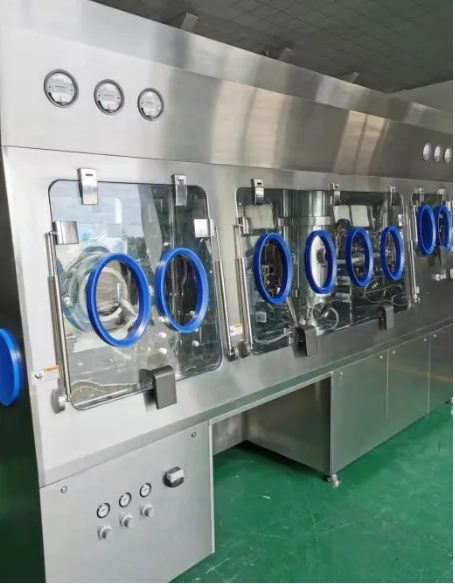 Negative Pressure IsolatorOEB5 containment at controlled negative pressure.Isolators & Barrier
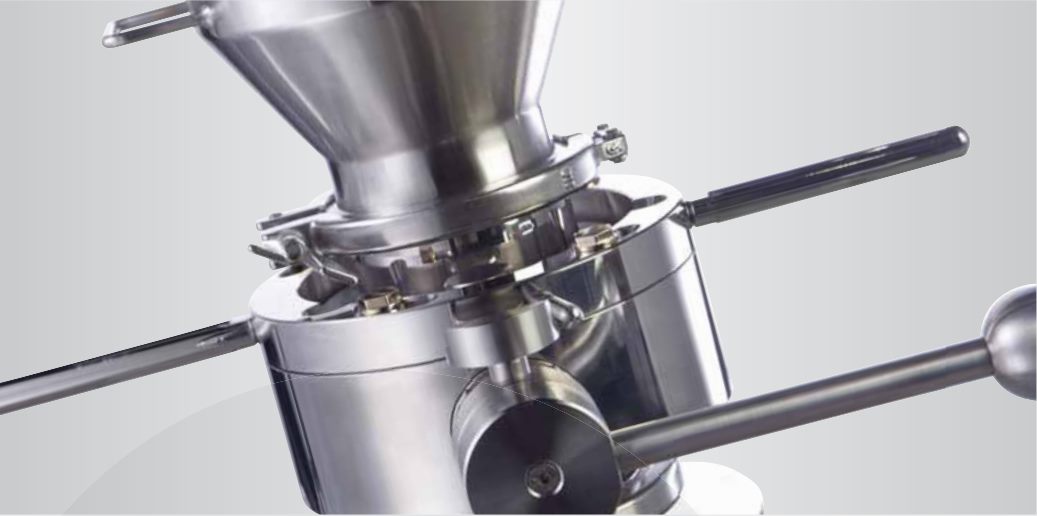 Alpha-Beta Split Butterfly ValveSplit butterfly valve for contained, dust-free transfer of potent powders.Transfer & Containment
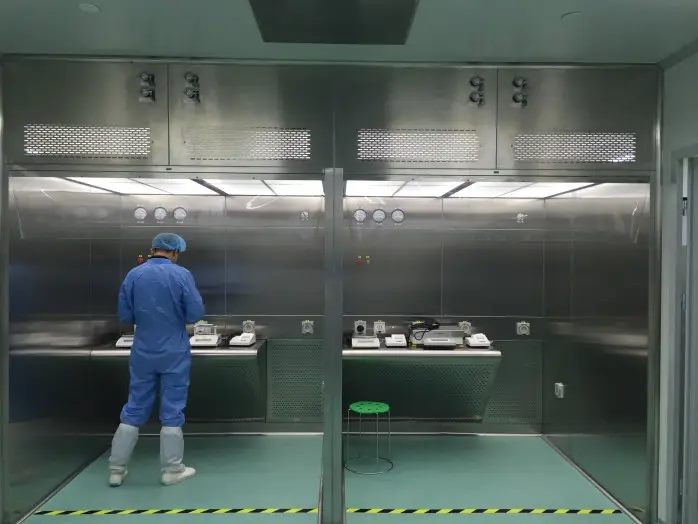 Weighing & Dispensing BoothNegative-pressure downflow booth for dust-controlled weighing.Air Handling
Handling a potent (OEB4/OEB5) compound?
Tell us your OEL or OEB and the task — weighing, dispensing, charging or sampling — and our engineers will recommend SMEPAC-verified containment.