








Hydrogen Peroxide Vapor Decontamination of Hospital Isolation Rooms
Manual cleaning after a patient with C. difficile, MRSA or Candida auris leaves an isolation room routinely misses surfaces. Hydrogen peroxide vapor is used as a no-touch step after cleaning to treat every exposed surface of the sealed room. This guide covers when it is worth the downtime, how the procedure runs and what goes wrong.
Key points
- Hydrogen peroxide vapor is an addition to manual terminal cleaning, not a replacement for it.
- It is used mainly at discharge of patients with spore-forming or persistent organisms, and for outbreak control.
- The room is cleaned, emptied of absorbent items, sealed, treated and aerated to below 1 ppm before release; a single room is typically out of use for a few hours.
- Negative-pressure isolation rooms need their exhaust isolated during the cycle and a plan for the containment that exhaust normally provides.
- Biological and chemical indicators at hard-to-reach points show the cycle reached the whole room.
Why manual cleaning is not enough
Organisms that cause healthcare-associated infections survive on surfaces for long periods — C. difficile spores for months. Manual terminal cleaning depends on staff reaching and wiping every surface with the right contact time, and audits with fluorescent markers repeatedly show that many surfaces are missed. Patients admitted to a room previously occupied by a colonised or infected patient carry a higher risk of acquiring the same organism.
No-touch disinfection technologies were developed to treat what cleaning misses. Hydrogen peroxide vapor (HPV) systems fill the sealed room with peroxide vapour that reaches every exposed surface, including behind and under equipment. Studies of HPV have reported large reductions in environmental contamination, and a prospective cohort study at a US academic hospital found a lower risk of patients acquiring multidrug-resistant organisms in rooms decontaminated with HPV.
Vapour, aerosol and UV-C
| Hydrogen peroxide vapor | Aerosolized hydrogen peroxide | UV-C | |
|---|---|---|---|
| How it reaches surfaces | Vapour throughout the sealed room | Fine mist that settles and evaporates | Line of sight only |
| Shadowed surfaces | Reached | Mostly reached | Not reached without repositioning |
| Room sealing | Required | Required | Not required |
| Turnaround | Hours, including aeration | Hours, including aeration | Minutes per position |
| Typical use | Discharge of high-risk patients, outbreaks | Similar, often lower-concentration products | Frequent use where turnaround matters |
The difference between vapour and mist is explained in vaporized vs aerosolized hydrogen peroxide.
When it is worth the downtime
- Discharge or transfer of a patient with C. difficile, Candida auris, carbapenem-resistant organisms, VRE or MRSA.
- Outbreak control, when cases continue despite enhanced cleaning.
- Rooms used for highly infectious diseases, after the patient leaves.
- Critical areas such as burns, haematology and transplant units, where the consequences of transmission are severe.
Most hospitals target HPV by risk rather than using it after every discharge, because the room is unavailable for hours and bed capacity is the constraint.
The procedure, step by step
- Discharge and manual clean. Remove the patient’s belongings and waste, then clean as normal. Peroxide vapour does not remove soil, and organic soil protects organisms — see cleaning before VHP.
- Remove or open absorbent items. Linen, paper, curtains and cardboard absorb peroxide and slow aeration. Open drawers and cupboards; leave mattresses and equipment in place with surfaces exposed.
- Isolate ventilation. Close or blank supply and exhaust grilles, or isolate them at the dampers. Agree in advance with engineering and the fire safety team how smoke detectors in the room are handled.
- Seal the room. Tape door gaps or use a door seal; check service penetrations. In rooms decontaminated often, an airtight door removes the taping step.
- Place indicators. Put biological and chemical indicators at hard-to-reach points: behind the bed head, under the bed, inside a cupboard, in the bathroom.
- Run the cycle. The generator dehumidifies if needed, injects to its programmed dose and holds. Staff outside monitor the door seal with a low-range peroxide sensor.
- Aerate and release. Peroxide is removed catalytically or by restoring ventilation until a handheld sensor reads below the exposure limit — typically 1 ppm — then the room is released and the indicators collected.
Negative-pressure isolation rooms
Airborne infection isolation rooms rely on continuous exhaust to stay negative. During a peroxide cycle that exhaust has to be isolated, otherwise vapour is drawn out and the concentration never builds. Two consequences need planning. First, the room is no longer negative during the cycle, so it must be empty and sealed, and the anteroom door kept shut. Second, restoring the exhaust is often the fastest aeration route, because the exhaust removes the vapour from the building. Agree the sequence with infection prevention and engineering before the first cycle.
Safety
Hydrogen peroxide vapour is an irritant; the US OSHA permissible exposure limit is 1 ppm as an 8-hour average. Nobody is in the room during the cycle. Signage and a locked door prevent entry, and the door seal is checked with a sensor during the first minutes. Storage and handling of the 30–35% sterilant is covered in handling hydrogen peroxide sterilant safely.
Proving it worked
Chemical indicators give an immediate colour change showing peroxide reached each point. Biological indicators — usually Geobacillus stearothermophilus spores — are incubated and show whether a 6-log reduction was achieved there. Hospitals typically use biological indicators during commissioning and periodically afterwards, and chemical indicators on every cycle. The roles of each are compared in chemical, enzyme and biological indicators.
Check local regulations before buying: in several countries the sterilant and system used for room disinfection must be registered for that use.
Fenggu Equipment for This
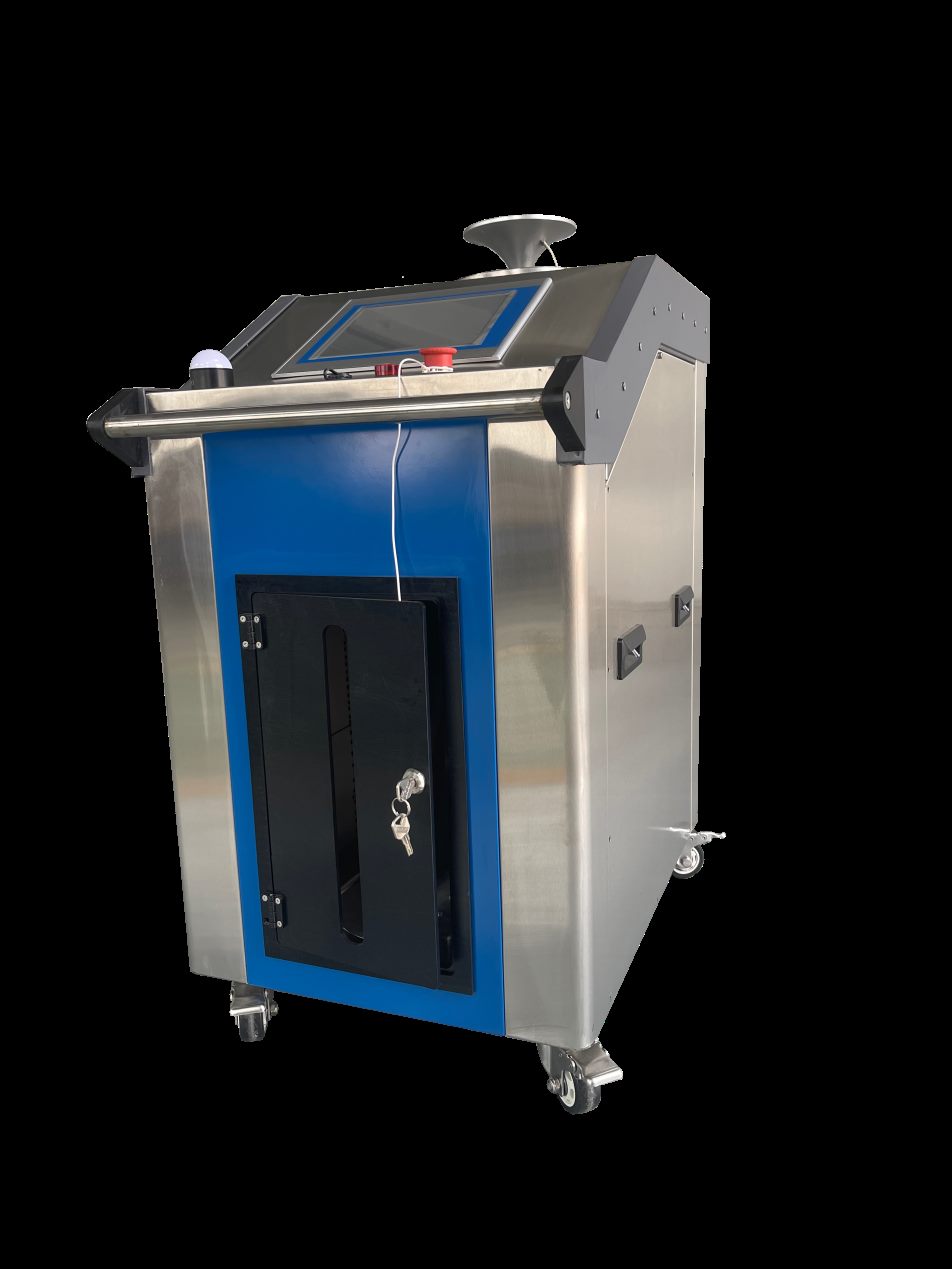
- Mobile VHP room sterilizer (FG-VHP-M500) — wheeled unit for spaces up to 300 m³.
- Inflatable-seal airtight door (FG-LOCK-GDI) — for containment and decontamination rooms.
FAQ
Does hydrogen peroxide vapor replace cleaning of hospital rooms?
No. The room must be cleaned first; vapour does not remove soil, and soil protects organisms. Hydrogen peroxide vapor treats the surfaces manual cleaning misses.
How long is a room out of use for hydrogen peroxide vapor decontamination?
A typical single isolation room is out of use for a few hours, covering preparation, the cycle and aeration to below 1 ppm. Aeration usually takes the longest.
Is hydrogen peroxide vapor effective against C. difficile spores?
Yes. Validated hydrogen peroxide vapor cycles are sporicidal and are routinely proven with bacterial spore indicators, which are more resistant than C. difficile spores.
Can equipment stay in the room during the cycle?
Most medical equipment, monitors and furniture can stay, with surfaces exposed. Remove linen, paper and cardboard, which absorb peroxide, and check any sensitive equipment against the manufacturer’s compatibility data.
What about negative-pressure isolation rooms?
The exhaust has to be isolated during the cycle so that the vapour concentration can build. The empty, sealed room is not negative while the cycle runs; restoring the exhaust is then often the quickest way to aerate.
References
- Passaretti CL et al., An evaluation of environmental decontamination with hydrogen peroxide vapor for reducing the risk of patient acquisition of multidrug-resistant organisms, Clin Infect Dis 2013;56:27–35
- CDC, Guidelines for Environmental Infection Control in Health-Care Facilities (2003, updated 2019)
- EN 17272:2020, Methods of airborne room disinfection by automated process
- US OSHA permissible exposure limits, 29 CFR 1910.1000
Related Products
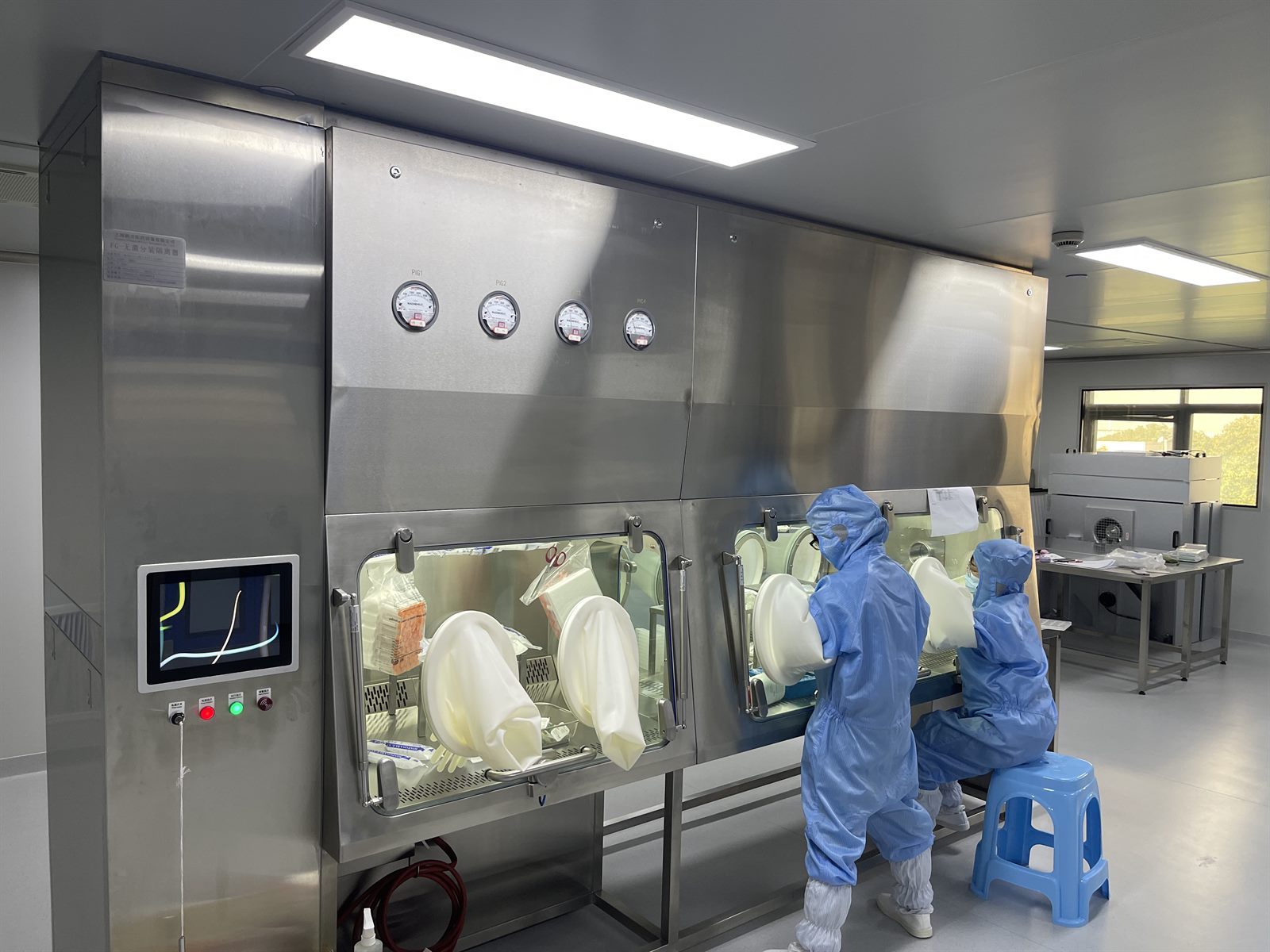 Aseptic Filling IsolatorGrade A (ISO 5) barrier for sterile filling, stoppering and capping.Isolators & Barrier
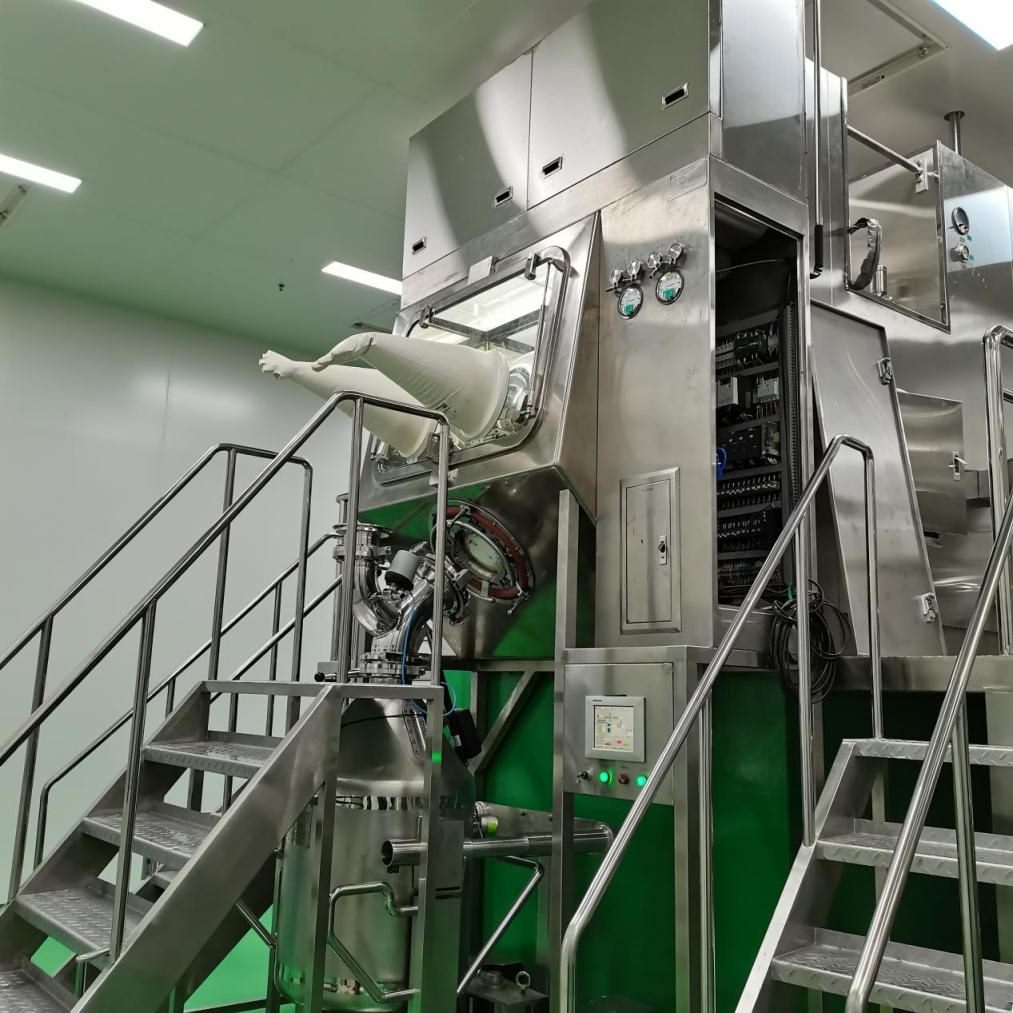 Dispensing & Containment Isolator (OEB5)Negative-pressure barrier for weighing, charging and sampling HPAPI.Isolators & Barrier
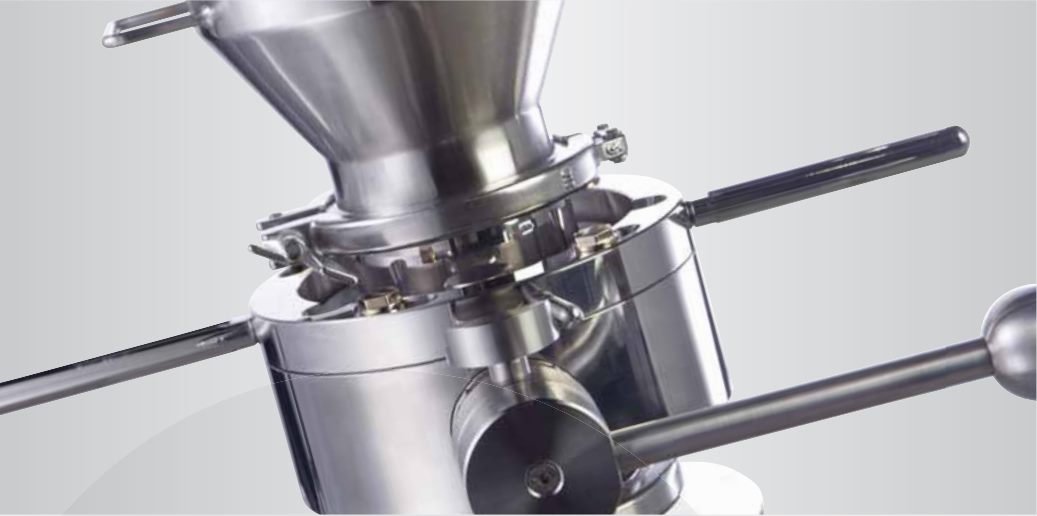 Alpha-Beta Split Butterfly ValveSplit butterfly valve for contained, dust-free transfer of potent powders.Transfer & Containment
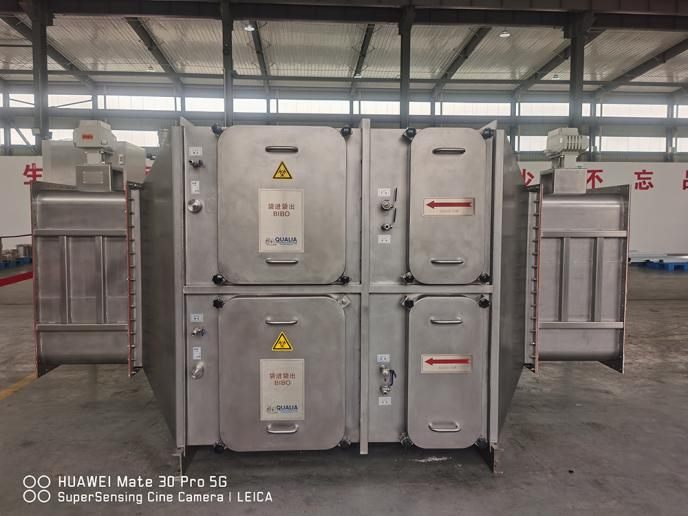 BIBO Filter HousingBag-in/bag-out HEPA housing for safe filter change in P3/P4 labs.Air Handling
Decontaminating Isolation Rooms?
Send us the room sizes and how often rooms are treated. We will recommend a generator setup and what verification involves.