








VHP vs Ethylene Oxide: Where Hydrogen Peroxide Can Replace EtO — and Where It Cannot
Ethylene oxide is under growing regulatory pressure, and vaporized hydrogen peroxide is the low-temperature alternative most often proposed. But “replace EtO” means two different things: sterilizing packaged medical devices, and bio-decontaminating rooms, isolators and transfer equipment. VHP is a mature answer to the second and only a partial answer to the first. This guide separates the two.
Key points
- EtO penetrates packaging, long lumens and dense loads very well; its drawbacks are long cycles and aeration, flammability, carcinogenicity and tightening emission rules.
- VHP works at low temperature, has short cycles and decomposes to water and oxygen, but penetrates poorly into cellulose, liquids, powders and long narrow lumens.
- For surface bio-decontamination of rooms, isolators, pass boxes and airlocks, VHP is already the standard method in pharmaceutical manufacturing.
- For terminal sterilization of medical devices, VHP can replace EtO only for compatible device and packaging designs, and only after a new validation and regulatory change.
- A common combined workflow: items sterilized by EtO at a supplier, with their outer packaging bio-decontaminated by VHP or e-beam on entry to an isolator.
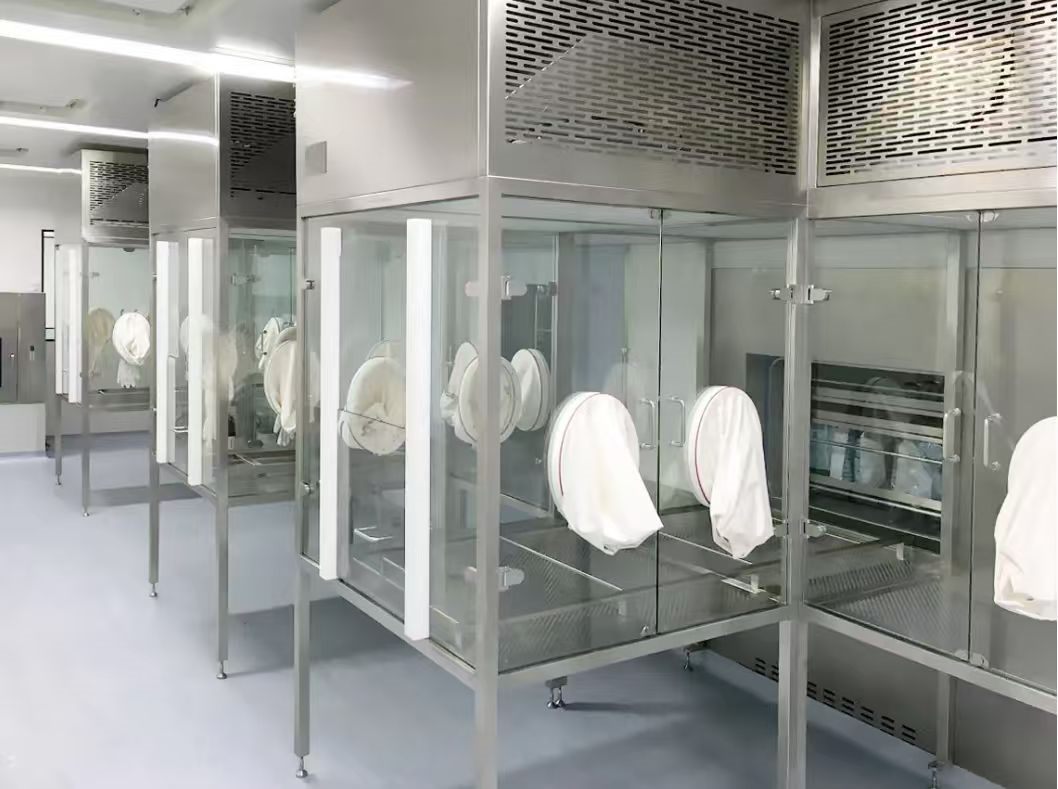
Two different jobs under one word
“Sterilization” is used loosely, and the comparison only makes sense once the job is defined.
- Terminal sterilization of medical devices and components. Packaged products are processed in a sterilizer chamber to a sterility assurance level (SAL) — typically 10⁻⁶ — under standards such as ISO 11135 for EtO and ISO 22441 for vaporized hydrogen peroxide. The agent has to reach every surface inside the sealed package.
- Bio-decontamination of exposed surfaces. Rooms, isolators, pass boxes and airlocks are treated to a demonstrated reduction — usually 6 log on biological indicators — on surfaces the vapour can reach directly. There is no package to penetrate, but the volume is large and the materials are mixed.
Ethylene oxide is used overwhelmingly for the first job. Vaporized hydrogen peroxide is used for both, with very different degrees of maturity.
Side-by-side comparison
| Ethylene oxide (EtO) | Vaporized hydrogen peroxide (VHP) | |
|---|---|---|
| Mode of action | Alkylating gas | Oxidizing vapour |
| Process temperature | Low, typically about 30–60 °C | Low, around room temperature to about 50 °C depending on the process |
| Penetration | Excellent — through breathable packaging, into long lumens and dense loads | Limited — good on exposed surfaces and through suitable packaging, poor into cellulose, liquids, powders and long narrow lumens |
| Cycle and aeration | Long: preconditioning, exposure and aeration to remove residues; total time is often measured in days for industrial loads | Short: minutes to a few hours; residual peroxide is removed by aeration or catalytic conversion |
| Residues | EtO and ethylene chlorohydrin residues limited by ISO 10993-7 | None after aeration — decomposes to water and oxygen |
| Hazards | Flammable and explosive; classified as carcinogenic to humans; strict emission controls | Strong oxidizer and irritant; occupational exposure limit typically 1 ppm (8-h TWA) |
| Materials | Broad compatibility | Good with most metals, many plastics and electronics; cellulose (paper, cotton, cardboard) absorbs it and is excluded |
| Main standards | ISO 11135 | ISO 22441 (medical devices); EN 17272 for airborne room disinfection |
Why EtO is being questioned
EtO is effective and versatile, which is why it still sterilizes a large share of single-use medical devices. The pressure on it comes from its hazards rather than its performance. It is classified as carcinogenic to humans, it is flammable, and emissions from sterilization facilities have become a regulatory focus — the US EPA tightened its emission standards for commercial EtO sterilizers in 2024. Long aeration also ties up inventory, and residues have to be tested against limits.
At the same time, regulators have made the hydrogen peroxide route easier: ISO 22441 was published in 2022 for low-temperature vaporized hydrogen peroxide sterilization of health care products, and in 2024 the US FDA recognised vaporized hydrogen peroxide as an established sterilization method for medical devices. Neither change makes VHP able to do everything EtO does; they make it easier to adopt where the product suits it.
Where VHP already replaces EtO
Surfaces you can reach directly. For rooms, isolators, RABS, pass boxes and material airlocks, gaseous agents other than VHP are now rare in pharmaceutical manufacturing. VHP gives a controlled, recorded cycle, leaves no residue, and the room or isolator is back in use within hours. For this job the realistic comparison is with formaldehyde and chlorine dioxide, not EtO — see VHP vs formaldehyde vs chlorine dioxide.
Device designs that suit it. Metal and polymer instruments without cellulose, with open geometry or short, wide lumens, packaged in materials VHP can pass through, are good candidates for VH₂O₂ sterilization. Hospitals have used low-temperature hydrogen peroxide sterilizers for heat-sensitive instruments for years.
Where it cannot, or not yet
- Cellulose anywhere in the product or packaging. Paper labels, cardboard, cotton and paper-based packaging absorb peroxide, so the load either fails or carries residue.
- Long, narrow or dead-ended lumens. Vapour does not penetrate them reliably; EtO does.
- Liquids, gels and powders. VHP treats surfaces, not bulk material.
- High-density pallet loads. Industrial EtO chambers process whole pallets of boxed product; VHP chambers handle smaller, more open loads.
- Products already cleared with EtO. Changing the sterilization method of a marketed device is a design and regulatory change: material compatibility, a new validation and a regulatory submission. It is a project, not a swap.
A combined workflow common in aseptic filling
Many aseptic processes use both. Pre-sterilized components — nested syringes or vials in tubs, stoppers in bags — are often sterilized by EtO or radiation at the supplier. When they reach the filling line, the outside of the tub or bag has been handled in non-sterile areas and must be decontaminated before it enters the isolator. That surface step is done by VHP in a pass box or material airlock, or by an e-beam tunnel. The inside was sterilized by EtO; the outside is bio-decontaminated by VHP.
When designing that transfer step, check the component supplier’s data on peroxide ingress through the packaging, and whether the product is sensitive to oxidation — see hydrogen peroxide uptake in isolator filling.
If you are evaluating a switch
- Define the job: terminal sterilization to an SAL, or surface bio-decontamination to a log reduction.
- List every material in the product and packaging, and remove cellulose.
- Identify the worst-case geometry — the longest lumen, the tightest mated surface.
- Run feasibility cycles with biological indicators at those worst-case points.
- Check residuals and functional performance after repeated cycles — see VHP material compatibility.
- Plan the validation and, for devices, the regulatory change.
Fenggu builds bio-decontamination equipment — VHP generators, pass boxes, airlocks and isolators with integrated VHP. We do not make terminal sterilizers for medical devices.
Fenggu Equipment for This
- VHP pass box (FG-PB-VHP) — integrated VHP for material transfer between grades.
- Material airlock with integrated VHP (FG-VHP-AL250) — for pallets and loads too large for a pass box.
- Aseptic filling isolator (FG-ISO-F) — integrated VHP before every campaign.
FAQ
Can VHP replace ethylene oxide sterilization?
For bio-decontamination of rooms, isolators and transfer equipment, VHP is already the standard method. For terminal sterilization of medical devices it can replace EtO only where the device and packaging contain no cellulose, have no long narrow lumens and pass a new validation; many EtO-sterilized products cannot switch.
Is VHP faster than EtO?
Yes. A VHP cycle runs from minutes to a few hours including aeration, while industrial EtO processing, with preconditioning and aeration, often takes days.
Why can’t VHP penetrate like EtO?
Hydrogen peroxide is absorbed and decomposed by many materials and condenses on cool surfaces, so it does not travel far into long lumens, dense loads or cellulose. EtO is a true gas that diffuses through breathable packaging and narrow channels.
Does VHP leave residues like EtO?
No. After aeration, hydrogen peroxide has decomposed into water and oxygen. EtO leaves ethylene oxide and ethylene chlorohydrin residues that must be tested against ISO 10993-7 limits.
Does Fenggu make medical device sterilizers?
No. Fenggu makes VHP bio-decontamination equipment — mobile and HVAC-integrated generators, pass boxes, airlocks and isolators — not terminal sterilizers for medical devices.
References
- ISO 11135:2014, Sterilization of health-care products — Ethylene oxide
- ISO 22441:2022, Sterilization of health care products — Low temperature vaporized hydrogen peroxide
- ISO 10993-7, Biological evaluation of medical devices — Ethylene oxide sterilization residuals
- EN 17272:2020, Methods of airborne room disinfection by automated process
- US FDA (January 2024), recognition of vaporized hydrogen peroxide as an established sterilization method for medical devices
- US EPA (2024), National Emission Standards for Hazardous Air Pollutants: Ethylene Oxide Emissions Standards for Sterilization Facilities
Related Products
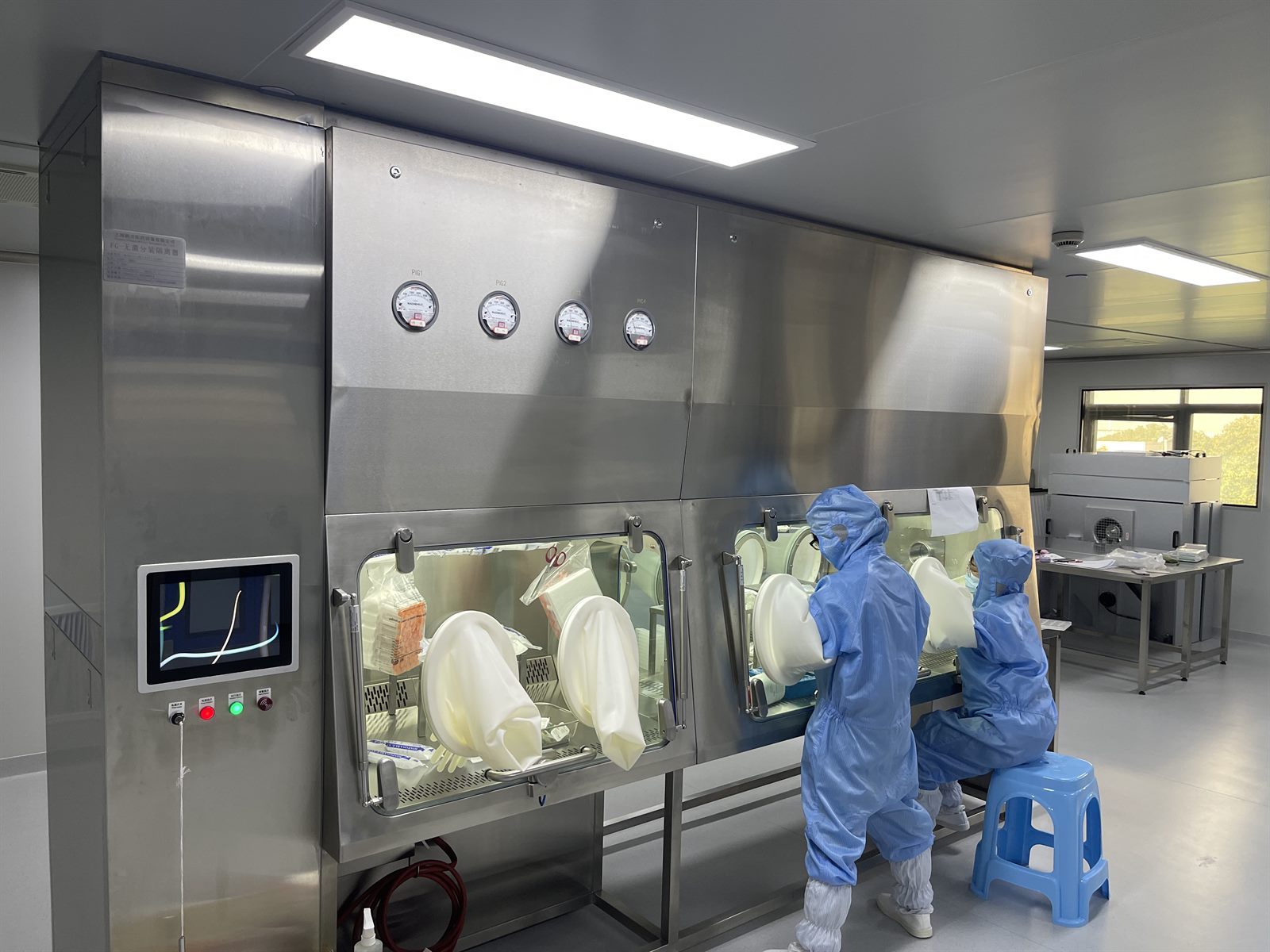 Aseptic Filling IsolatorGrade A (ISO 5) barrier for sterile filling, stoppering and capping.Isolators & Barrier
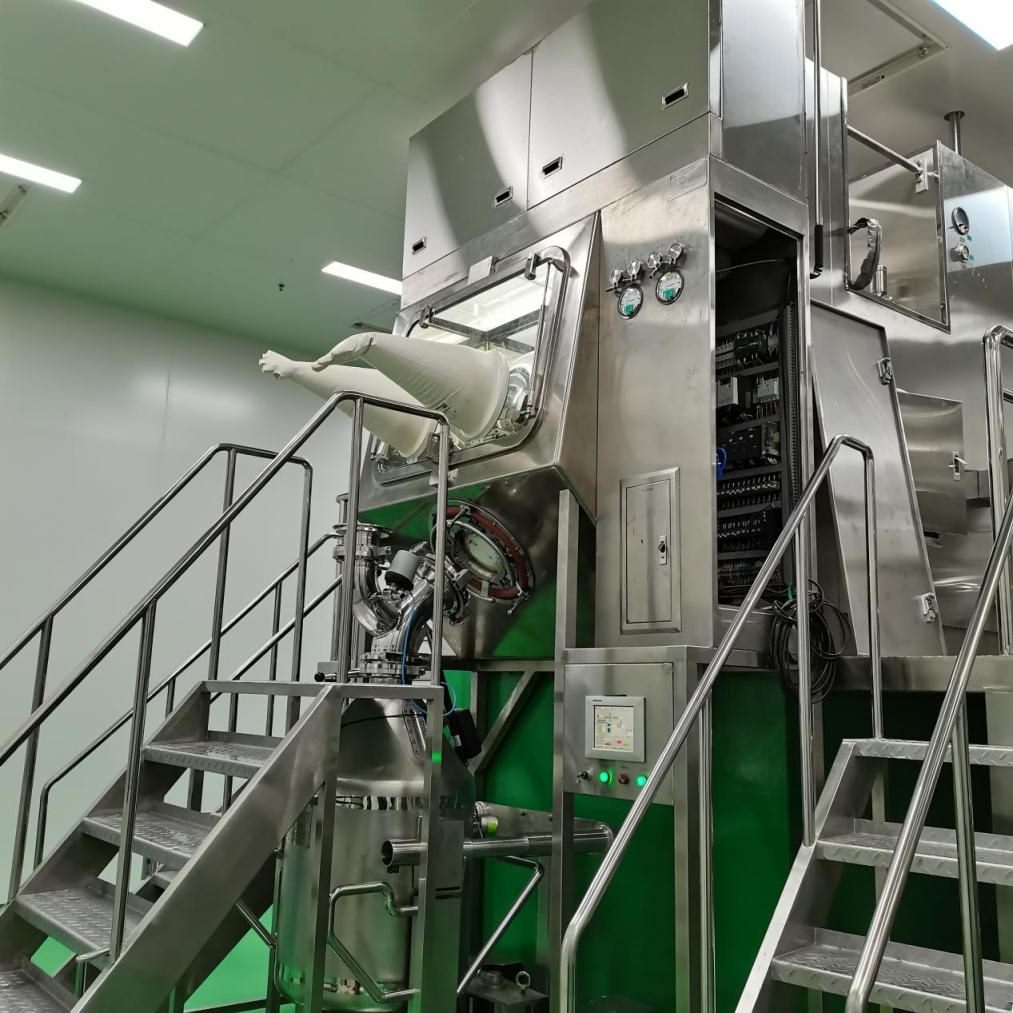 Dispensing & Containment Isolator (OEB5)Negative-pressure barrier for weighing, charging and sampling HPAPI.Isolators & Barrier
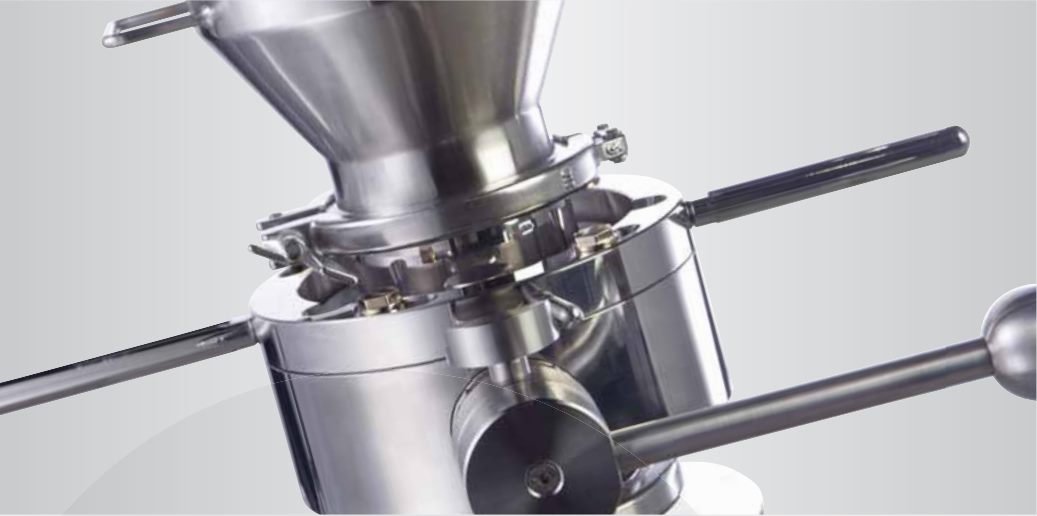 Alpha-Beta Split Butterfly ValveSplit butterfly valve for contained, dust-free transfer of potent powders.Transfer & Containment
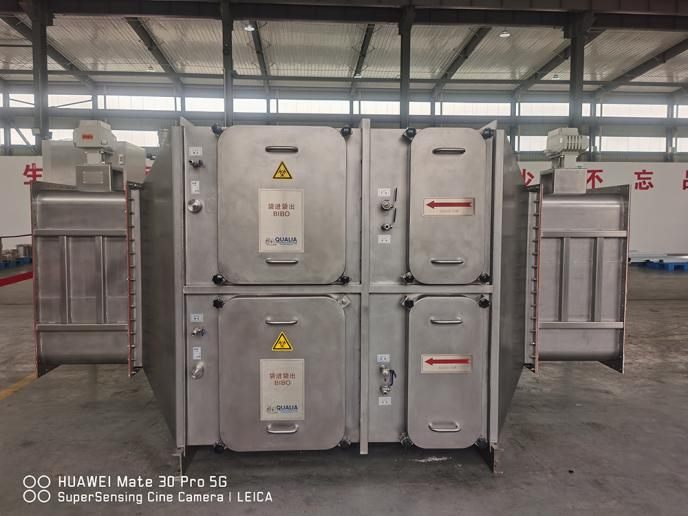 BIBO Filter HousingBag-in/bag-out HEPA housing for safe filter change in P3/P4 labs.Air Handling
Planning a VHP Transfer Step?
Tell us what you transfer into the isolator and how it is packaged. We will propose a pass box or airlock configuration and the cycle data for it.