








What Documentation Should a Pharmaceutical VHP Sterilizer Supplier Deliver?
In a pharmaceutical plant, a VHP sterilizer is not ready for use when it is installed. It is ready when it is qualified, and qualification depends on documents. Many of those documents can only come from the supplier: drawings, material certificates, software details, test protocols. If they are missing or late, the equipment waits. This guide lists what a supplier should deliver at each stage, what to check in each document and how to agree the list before the order.
Why documentation decides the schedule
Under EU GMP Annex 15 and similar rules, equipment used in GMP manufacturing must be qualified before use. Installation qualification (IQ) checks that what was delivered matches what was specified. Operational qualification (OQ) checks that it works as intended. Both are built on supplier documents. A missing calibration certificate or an out-of-date drawing can stop IQ, even if the machine itself is perfect.
The simplest way to avoid this is to write the document list into the user requirement specification (URS) and the purchase order. See how to write a URS for a VHP system.
Documents by project stage
| Stage | Documents from the supplier | Used for |
|---|---|---|
| Quotation | Technical proposal, datasheet, preliminary layout, utility requirements, URS compliance statement, preliminary document list. | Comparing suppliers; checking that every URS line is answered. |
| Design | Functional specification, hardware and software design specifications, P&ID, general arrangement drawing, electrical drawings, interface list, risk assessment, traceability matrix. | Design review and design qualification (DQ). |
| Manufacturing | Material certificates for wetted parts, component list with makes and models, instrument calibration certificates, software version record. | IQ evidence; spare parts planning. |
| Factory acceptance | FAT protocol (approved before the test) and signed FAT report with deviations. | Release for shipment; reducing repeat testing on site. |
| Site | Installation checklist, SAT protocol and report, IQ and OQ protocols or support, commissioning records. | Site acceptance and qualification. |
| Handover | Operating and maintenance manuals, spare parts list, training records, as-built drawings, backup of PLC and HMI software. | Routine use, maintenance and change control. |
Design documents
Functional specification
The functional specification describes how the system will meet each URS requirement: cycle phases, control sequences, alarms, interlocks, user levels and records. It should be written for your project, not copied from a brochure. Check that every URS line has a matching answer, and that anything the supplier cannot meet is stated clearly.
Hardware and software design specifications
The hardware specification lists the main components, sensors, materials and utilities. The software specification describes the control logic, recipe handling, alarm list, audit trail and data storage. For a GMP computerized system, ask how the software is classified under GAMP 5 and what testing the supplier has done.
Drawings
- P&ID showing the vapor path, valves, sensors and catalytic or exhaust route.
- General arrangement drawing with dimensions, weights, access and maintenance clearances.
- Electrical drawings with power supply, wiring and terminal lists.
- Interface list of every signal exchanged with HVAC, BMS, doors and other equipment.
Risk assessment and traceability matrix
A risk assessment identifies what could go wrong with the cycle, the equipment or operator safety, and how each risk is controlled. The traceability matrix links each URS requirement to the design document that answers it and to the test that proves it. Together they show the validation team which functions are critical and must be tested in IQ and OQ.
Manufacturing documents
- Material certificates for parts in contact with hydrogen peroxide liquid or vapor, such as stainless steel and seals. These confirm material compatibility.
- Component list with manufacturer, model and quantity for every major part. This is the basis for IQ checks and for spare parts.
- Calibration certificates for every measuring instrument used for GMP decisions: hydrogen peroxide, humidity, temperature and pressure sensors. Certificates should be traceable to national or international standards and show the date and the next due date.
- Software version record for the PLC and HMI, so that the installed version can be checked during IQ and controlled afterwards.
FAT and SAT documents
The FAT protocol should be sent and approved before the test, not written on the day. The report should list every test, the result, the person who performed it and any deviation with its resolution. The SAT repeats the checks that can be affected by transport and installation. A well-documented FAT can reduce what needs to be repeated on site, if your quality system allows it. For what to test, see VHP generator FAT and SAT.
Qualification documents: who writes what
Responsibility for IQ, OQ and PQ varies between projects. Agree it in writing before the order:
| Document | Often written by | Supplier’s role |
|---|---|---|
| IQ protocol and report | User or supplier, by agreement | Provides drawings, component list, certificates and software records. |
| OQ protocol and report | User or supplier, by agreement | Provides functional tests, alarm and interlock tests, sensor checks. |
| Cycle development | User with supplier support | Proposes cycle parameters and supports test cycles. |
| PQ protocol and report | User | Supports the cycles; the user owns the biological indicator results and conclusions. |
Cycle efficacy, such as a 6-log reduction of biological indicators, is shown in PQ for your room or enclosure and your load. It cannot be transferred from a datasheet. See VHP cycle development and qualification and how a VHP cycle is validated.
Handover documents
- Operating manual with cycle procedures, alarms and their responses, and safe handling of hydrogen peroxide.
- Maintenance manual with schedules, procedures and the tasks that need a trained engineer.
- Spare parts list with recommended stock, part numbers and expected life of wear parts such as sensors, pumps and seals.
- Calibration plan with the interval for each instrument.
- Training records for operators and maintenance staff.
- As-built drawings that include every change made during installation and commissioning.
- Software backup of the PLC program and HMI project, in the version that was qualified.
The safety data sheet for the hydrogen peroxide sterilant comes from the sterilant supplier. Ask the equipment supplier which concentration and grade the system is designed for.
Data integrity documents
A VHP sterilizer that stores cycle records electronically is a computerized system. If those records support GMP decisions, ask for:
- A description of user levels, password rules and the audit trail.
- How records are stored, backed up, exported and protected against change or deletion.
- How the system clock is set and protected.
- An assessment against 21 CFR Part 11 and EU GMP Annex 11, or the information needed for your own assessment.
How to check a document package
- Project-specific. The serial number, project name and configuration should match your equipment.
- Revision-controlled. Every document has a number, revision, date and approval signature.
- Consistent. The component list, drawings and installed equipment agree with each other.
- Language. Documents are in a language your team and inspectors can read. Agree this in the contract.
- Format. Agree whether you need paper, PDF, editable files or all three, and whether you will use the supplier’s templates or your own.
Agree the list before the order
Ask every supplier for a document list with the quotation, including the language and the stage at which each document is delivered. Compare the lists side by side, as you would compare prices. A lower price with a short document list can cost more in qualification time. This is also one of the 12 questions to ask a VHP supplier.
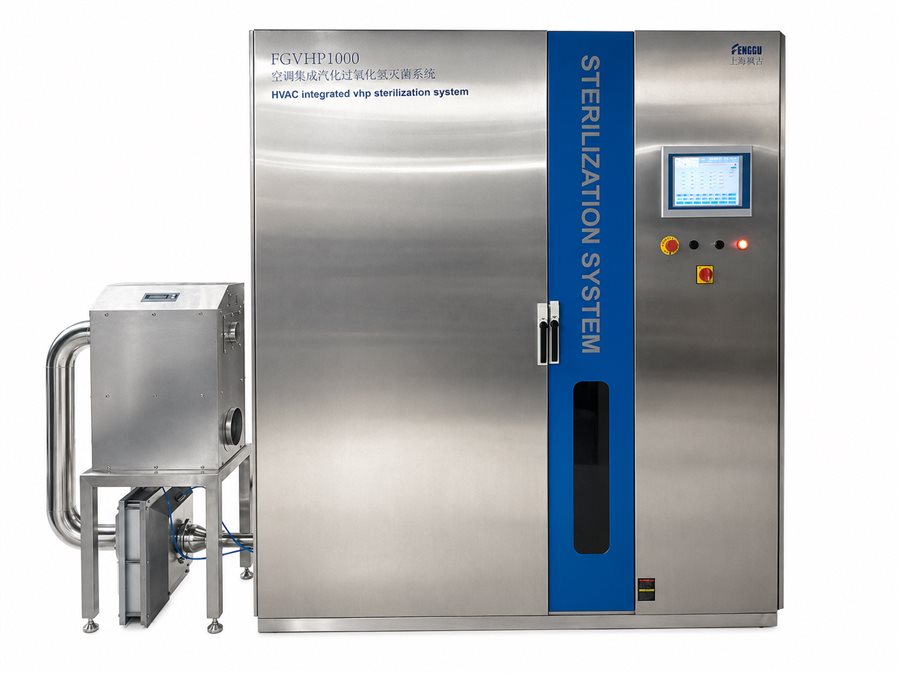
Fenggu VHP equipment
Fenggu manufactures mobile VHP room sterilizers, HVAC-integrated VHP systems, recirculating and pulsed-vacuum VHP generators, VHP pass boxes and airlocks. Send your URS and document requirements with your inquiry, and the document list will be agreed with the quotation. Fenggu provides on-site commissioning and operator training for the equipment it supplies.
All VHP equipment: VHP sterilizers and generators.
FAQ
Who is responsible for IQ, OQ and PQ?
The user is responsible for qualification. The supplier provides documents and support, and often writes or executes IQ and OQ by agreement. PQ is normally owned by the user.
Can FAT results be used instead of on-site tests?
Some tests, if your quality system allows it and the FAT was properly documented. Tests that transport or installation can affect must be repeated on site.
Do calibration certificates need to be traceable?
Yes. Instruments used for GMP decisions should be calibrated against standards traceable to national or international references, with the date and the next due date.
What if the supplier’s documents are not in our language?
Agree the language in the contract. Translations should be checked and controlled like the originals.
When should the document list be agreed?
Before the order. Put it in the URS and the purchase order, with the delivery stage for each document.
References
- EU GMP Annex 15: Qualification and Validation (2015)
- EU GMP Annex 11: Computerised Systems (2011)
- EU GMP Annex 1: Manufacture of Sterile Medicinal Products (2022)
- US FDA 21 CFR Part 11: Electronic Records; Electronic Signatures
- ISPE GAMP 5: A Risk-Based Approach to Compliant GxP Computerized Systems, Second Edition (2022)
- ASTM E2500-20, Standard Guide for Specification, Design, and Verification of Pharmaceutical and Biopharmaceutical Manufacturing Systems and Equipment
Related Products
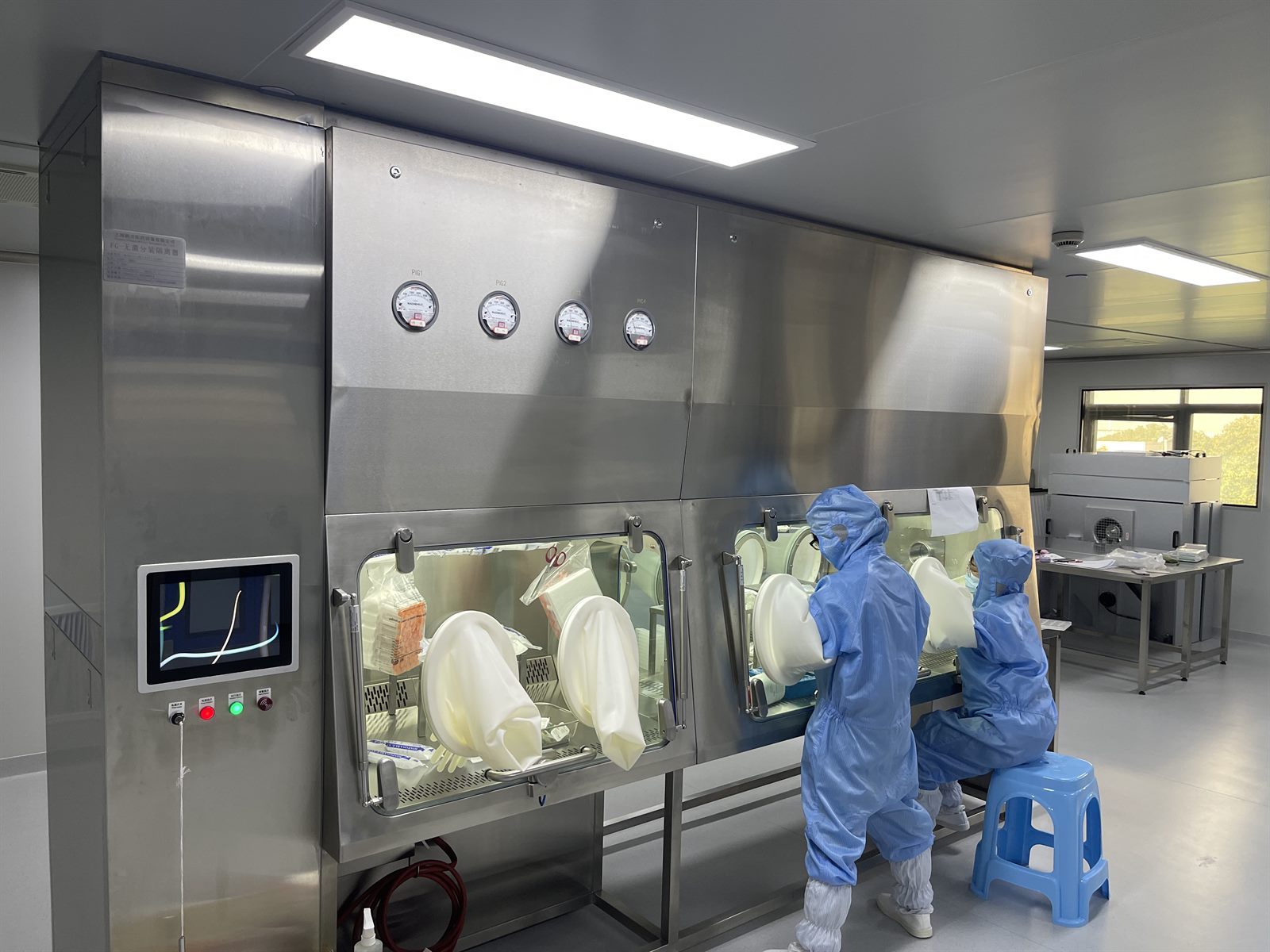 Aseptic Filling IsolatorGrade A (ISO 5) barrier for sterile filling, stoppering and capping.Isolators & Barrier
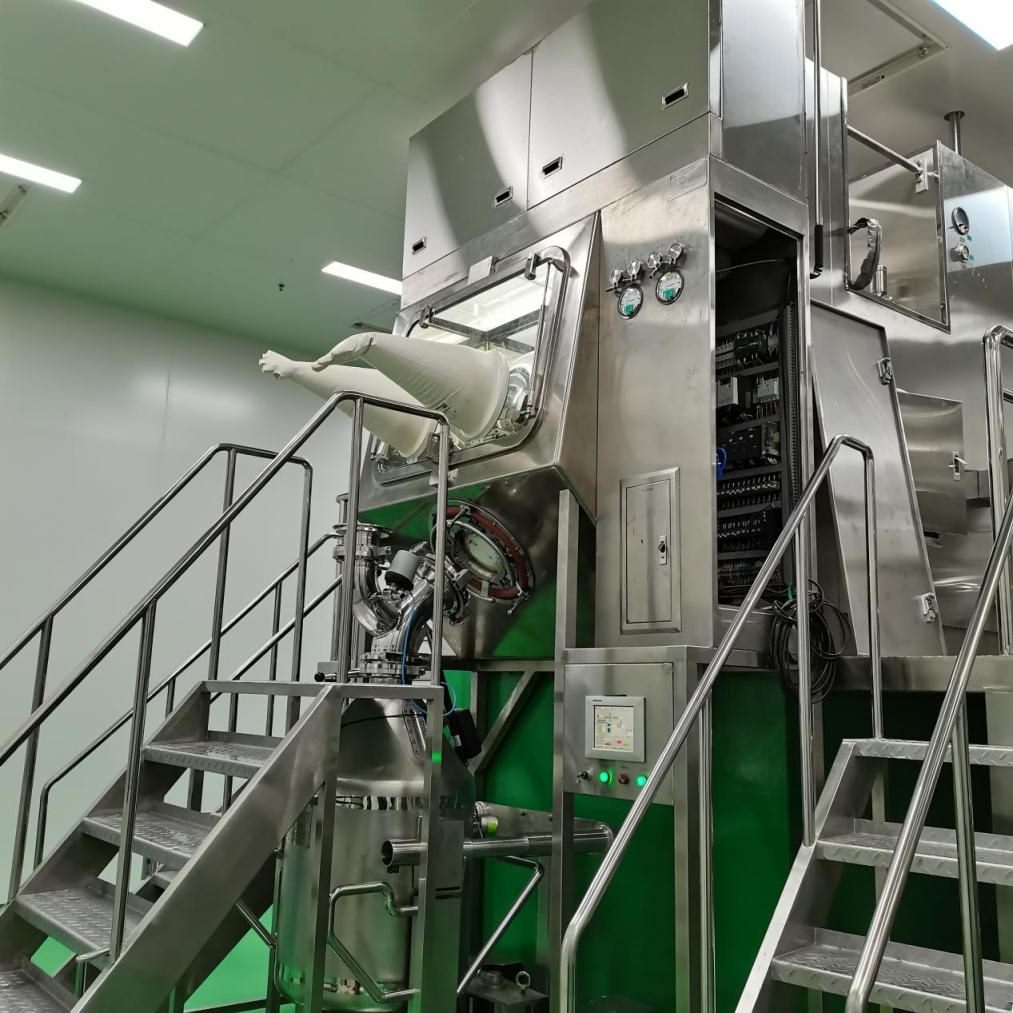 Dispensing & Containment Isolator (OEB5)Negative-pressure barrier for weighing, charging and sampling HPAPI.Isolators & Barrier
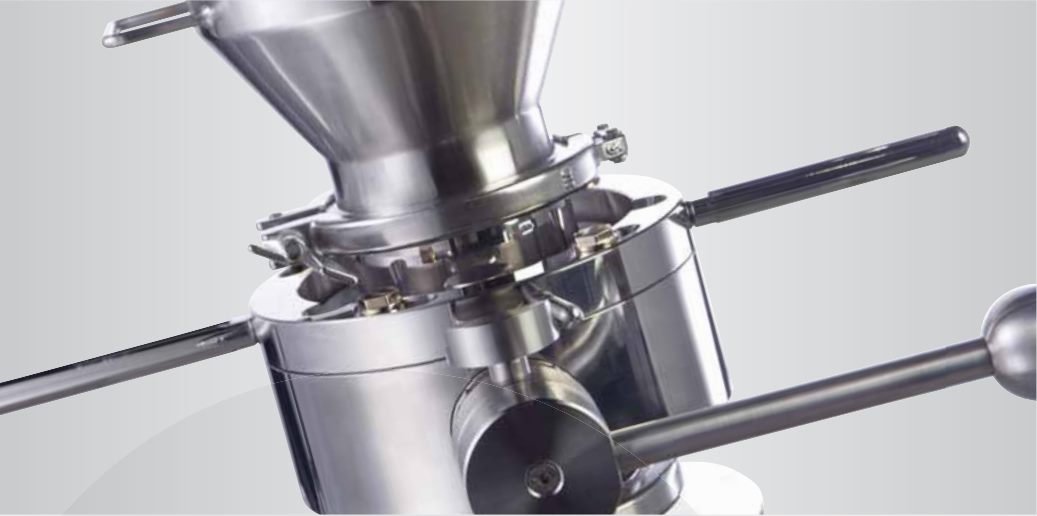 Alpha-Beta Split Butterfly ValveSplit butterfly valve for contained, dust-free transfer of potent powders.Transfer & Containment
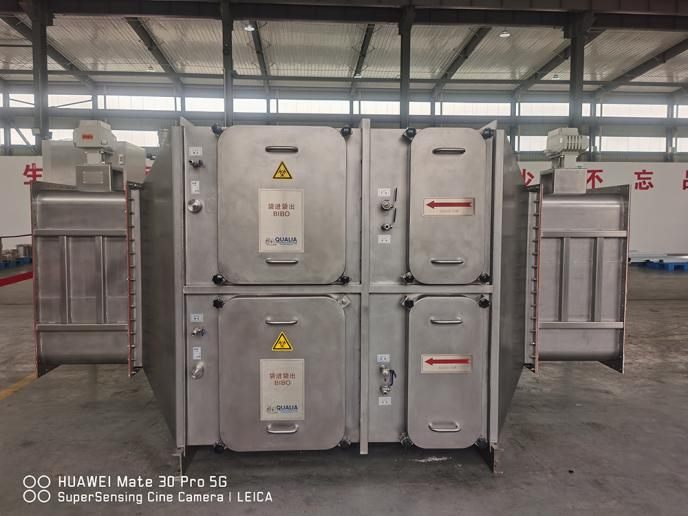 BIBO Filter HousingBag-in/bag-out HEPA housing for safe filter change in P3/P4 labs.Air Handling
Preparing a VHP purchase?
Send us your URS and the documents your quality team needs. Our engineers will confirm what can be delivered and when.