








How to Evaluate a VHP Sterilization System Supplier: 12 Questions Before You Request a Quote
A VHP sterilization system is not a catalogue purchase. It has to be integrated with your rooms or equipment, developed into a validated cycle, documented for GMP and supported for years. The supplier you choose decides most of that. This guide gives twelve questions to ask a VHP sterilization system supplier before you request a quote, what a good answer looks like, and the warning signs to watch for.
This article is about the supplier. For how to read the equipment specifications themselves (injection rate, treatment volume, concentration, cycle and aeration time), see VHP generator specifications explained.
Why the supplier matters as much as the equipment
Two generators with similar datasheets can lead to very different projects. One supplier sends drawings, utility requirements and an IQ/OQ protocol with the quotation, attends the factory acceptance test and supports cycle development on site. Another ships a box and a manual. The difference usually shows up months later, at commissioning or during the first inspection, when it is expensive to fix.
Ask the questions below early, in writing, and compare the answers side by side. A supplier that answers them clearly is usually a supplier you can work with.
1. Do you design and manufacture the system yourself?
Find out whether you are talking to the manufacturer or to a trading company. A manufacturer controls the vaporizer design, the control software and the build quality, and can change them for your project. A trader can only pass questions on.
- Good answer: a clear description of what is designed and built in-house (generator, control system, chambers or ducted components) and which major components are bought in, with their brands.
- Warning sign: vague answers about the factory, or a product range that looks like several unrelated catalogues put together.
2. Have you delivered this type of system before?
“VHP experience” is too broad. A supplier with many mobile room units may never have integrated a system with an air-handling plant, and an isolator supplier may never have treated a 1,000 m³ suite. Ask for delivered projects of the same type as yours: room, HVAC-integrated, equipment interior, pass box or airlock, BIBO filter housing.
- Good answer: named application examples or published case studies, installation photos, and the scale of comparable projects. Some customers will not allow their names to be shared; a good supplier will say so rather than invent references.
- Warning sign: only rendered images, or references that cannot be described at all.
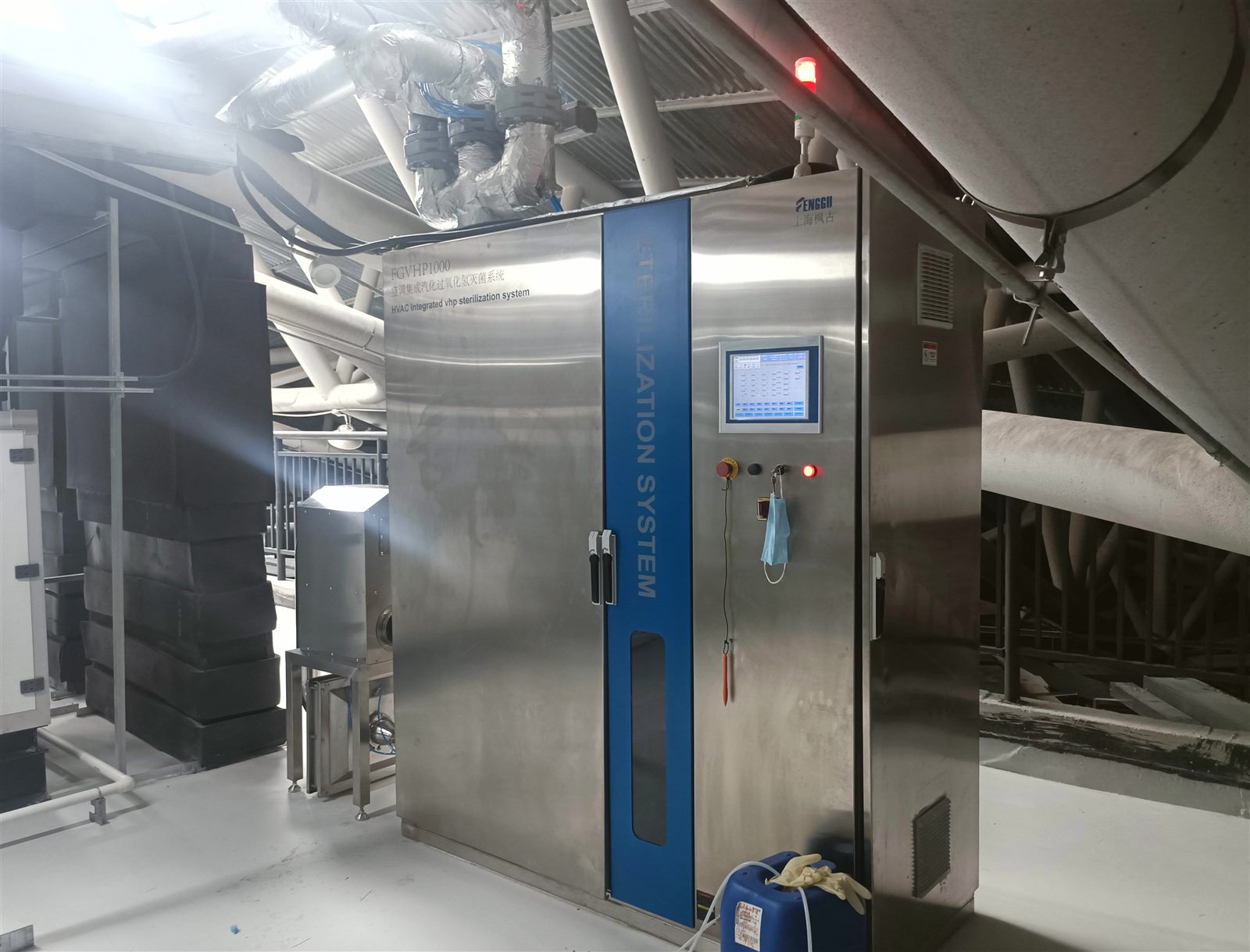
An example of the level of detail to expect is this HVAC-integrated VHP case study from an mRNA vaccine facility.
3. Who owns the integration?
Most VHP problems appear at the interfaces: HVAC dampers, BMS signals, door interlocks, piping routes, power and compressed air. Ask the supplier to state which of these are in their scope and which they expect from your HVAC contractor, BMS integrator or other suppliers.
- Good answer: an interface list or responsibility matrix, the signals they need from your systems, and an offer to review your layout and HVAC schematic before the order.
- Warning sign: “our equipment works with any HVAC system” without asking to see yours.
For HVAC-level projects, see how a VHP generator integrates with cleanroom HVAC.
4. What will your technical proposal contain?
The proposal shows how well the supplier understood your project. Before you compare prices, compare the proposals.
- A layout or P&ID showing the generator, injection points, piping, sensors and valves.
- Utility requirements: power, compressed air, drainage, exhaust, floor loading and footprint.
- The proposed control concept and how the cycle is started, monitored and ended.
- Assumptions, exclusions and the items you must provide.
- A response to each line of your URS, not a general brochure.
5. What validation support is included?
The generator does not validate itself. Cycle development and performance qualification with biological indicators are needed for every room or piece of equipment it treats. Ask exactly what the supplier provides and what you or a third party will do.
- Good answer: protocol templates, support with cycle development, recommended biological and chemical indicator locations, and on-site support during qualification, with the split of responsibilities written down.
- Warning sign: efficacy promised as a fixed result (“guaranteed 6-log in every room”) instead of a target the cycle is developed and validated to achieve.
For how a cycle is proven, see how a VHP cycle is validated and VHP cycle development and qualification.
6. Which documents come with the system?
Your quality team will need documents long before the equipment arrives. Ask for a list with the quotation and agree it in the purchase order.
| Document | Why you need it |
|---|---|
| Functional / design specification | Shows how the system meets your URS; the basis for qualification. |
| Drawings and P&ID | Installation, change control and maintenance. |
| Material certificates | Confirm stainless steel grades and wetted materials. |
| Calibration certificates | For concentration, humidity, temperature and pressure sensors. |
| FAT and SAT protocols and reports | Evidence the system was tested before and after shipment. |
| IQ/OQ protocols | Save your team time and show the supplier knows GMP. |
| Manuals, spare parts list, software version | Operation, maintenance and change control. |
7. How does the control system handle data integrity?
In GMP use, cycle records are quality records. Ask how the control system stores them and who can change what.
- User levels and passwords, with an audit trail of changes and alarms.
- How cycle data are stored, exported and backed up.
- Whether data logging can be configured to support 21 CFR Part 11 and EU Annex 11, and what the customer must still do (procedures, account management, review).
- How software changes after delivery are controlled and documented.
8. Can we attend the factory acceptance test?
A factory acceptance test (FAT) is the cheapest place to find problems. Ask whether you can attend in person or by video, what will be tested, and whether the protocol can be sent for your comments in advance. A supplier that is reluctant to show the equipment running before shipment is a warning sign. Site acceptance testing (SAT) after installation should repeat the critical checks under real conditions.
9. What does it cost to run, and are we locked in?
Purchase price is only part of the cost. Ask early about the items that come back every year:
- Sterilant: can you use any hydrogen peroxide solution that meets the stated specification, or only the supplier’s own product?
- Sensors: replacement interval and calibration requirements.
- Consumables and wear parts: filters, seals, pumps, catalytic converters.
- Typical sterilant consumption for an enclosure like yours.
10. What service and spare parts support will we get?
Ask how support works in your country, not in general.
- Remote support: how fast, in which language, in which time zone.
- On-site support: who travels, how quickly, and what it costs.
- Recommended spare parts kit and stock policy for critical parts.
- Calibration and preventive maintenance plan for the first years.
11. Is the system ready for export to our site?
For an imported system, check the practical details before the order:
- Voltage and frequency. Many units are built for 220 V / 50 Hz; confirm what your site supplies and whether the supplier can adapt.
- Language of the user interface and documents.
- Packaging for sea or air freight, and how sensitive parts are protected.
- The certificates and declarations your country or customer requires. Ask which ones the supplier actually holds for this product, and ask to see them.
12. How will our team be trained and handed over?
Operators, maintenance staff and QA need different training. Ask for a training plan, training records you can file, and a clear handover: cycle SOP drafts, loading guidance for chambers, and who to call after the supplier’s engineer leaves.
Red flags when comparing suppliers
- A quotation with no technical proposal, drawings or utility list.
- Efficacy, cycle time or residual levels promised as guarantees rather than validated results.
- No answer to who owns the HVAC, BMS and interlock interfaces.
- Document lists that stop at “user manual”.
- No FAT, or a FAT you are not allowed to see.
- A proprietary sterilant requirement that only appears after the order.
- Certificates that are mentioned but never shown.
A simple way to compare proposals
Score each supplier from 1 to 5 against the twelve questions and weight the ones that matter most for your project. For an HVAC-integrated system, integration (question 3) and validation support (question 5) usually carry the most weight. For a pass box or airlock, documentation and FAT often matter more. Keep the written answers with the scores, so the decision can be explained later. If the system is a pass box, the VHP pass box manufacturer checklist adds equipment-specific checks.
How Fenggu answers these questions
Fenggu designs and manufactures a range of VHP equipment: HVAC-integrated VHP systems, mobile room sterilizers, recirculating VHP generators and pulsed-vacuum VHP generators for equipment interiors, airlock VHP systems, VHP pass boxes and a VHP BIBO sterilizer. The mobile, airlock and BIBO units use Siemens PLC control, and on the HVAC-integrated system data logging can be configured to support 21 CFR Part 11 electronic-record requirements. For its VHP equipment, Fenggu provides on-site commissioning, support for biological indicator validation, maintenance and operator training. Send your URS or layout and ask us the twelve questions above.
All VHP equipment: VHP sterilizers and generators.
FAQ
What should I ask a VHP sterilization system supplier first?
Ask whether they have delivered the same type of system as yours (room, HVAC-integrated, equipment, pass box or filter housing) and who owns the integration with your HVAC and BMS. Those two answers tell you quickly whether the supplier fits the project.
Should a VHP supplier guarantee a 6-log reduction?
No responsible supplier can guarantee it for your rooms before cycle development. The right commitment is equipment designed to reach the target, and support to develop and validate the cycle with biological indicators at worst-case locations.
Is the lowest quotation usually the cheapest project?
Not often. Missing integration scope, documents, validation support or spare parts tend to come back as extra cost and delay at commissioning. Compare scope first, then price.
What documents should come with a VHP system?
At least a design specification, drawings, material and calibration certificates, FAT and SAT records, IQ/OQ protocols, manuals, a spare parts list and the software version. Agree the list in the purchase order.
Do I need to attend the factory acceptance test?
It is strongly recommended, in person or by video. It is the cheapest point to find and fix problems, and it lets your team see the system running before it ships.
References
- EU GMP Annex 1: Manufacture of Sterile Medicinal Products (2022)
- EU GMP Annex 11: Computerised Systems
- FDA 21 CFR Part 11, Electronic Records; Electronic Signatures
- ISPE Baseline Guide Volume 5: Commissioning and Qualification (2nd edition, 2019)
- ISO 11138-1:2017, Sterilization of health care products — Biological indicators — Part 1: General requirements
Related Products
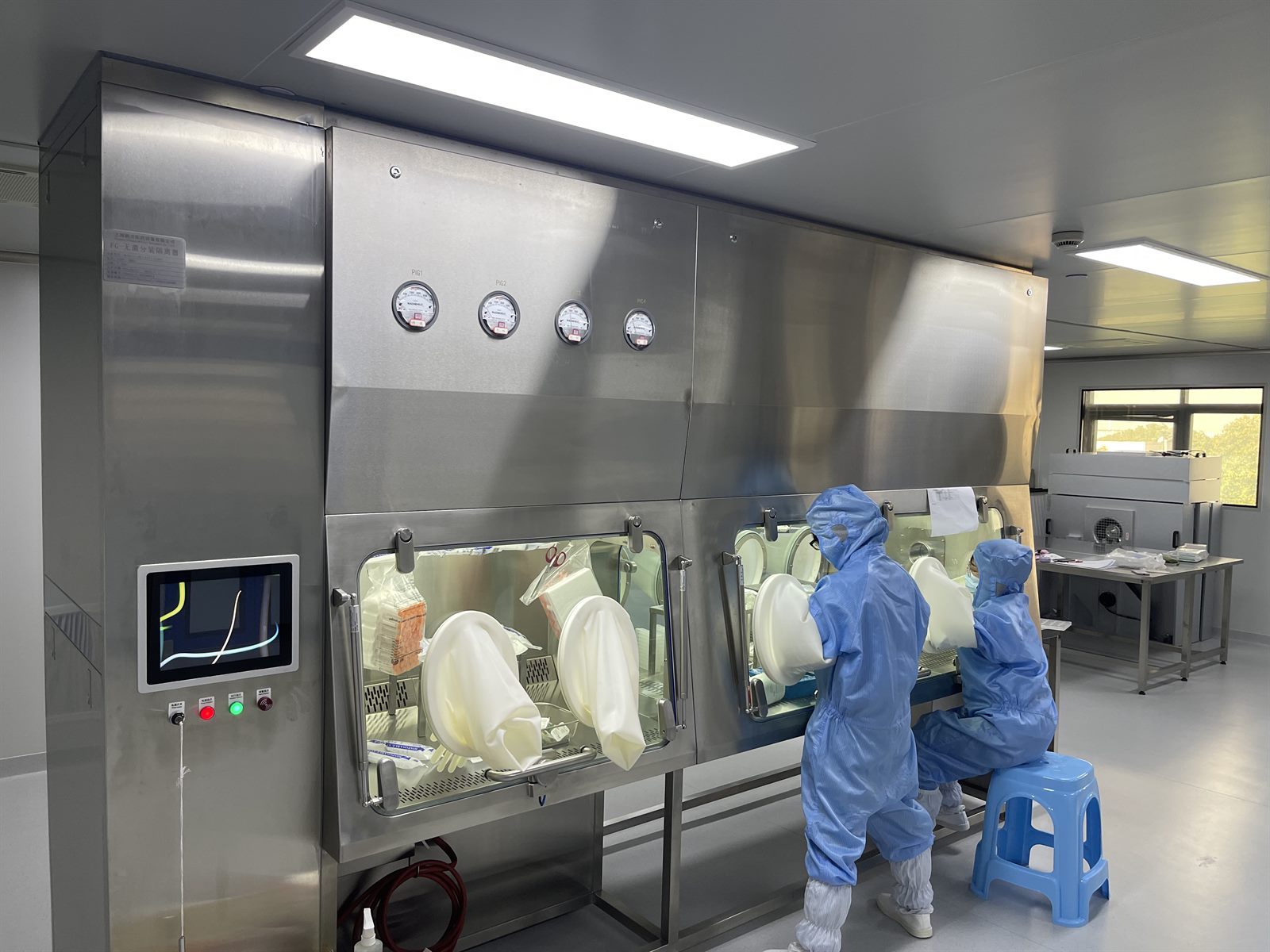 Aseptic Filling IsolatorGrade A (ISO 5) barrier for sterile filling, stoppering and capping.Isolators & Barrier
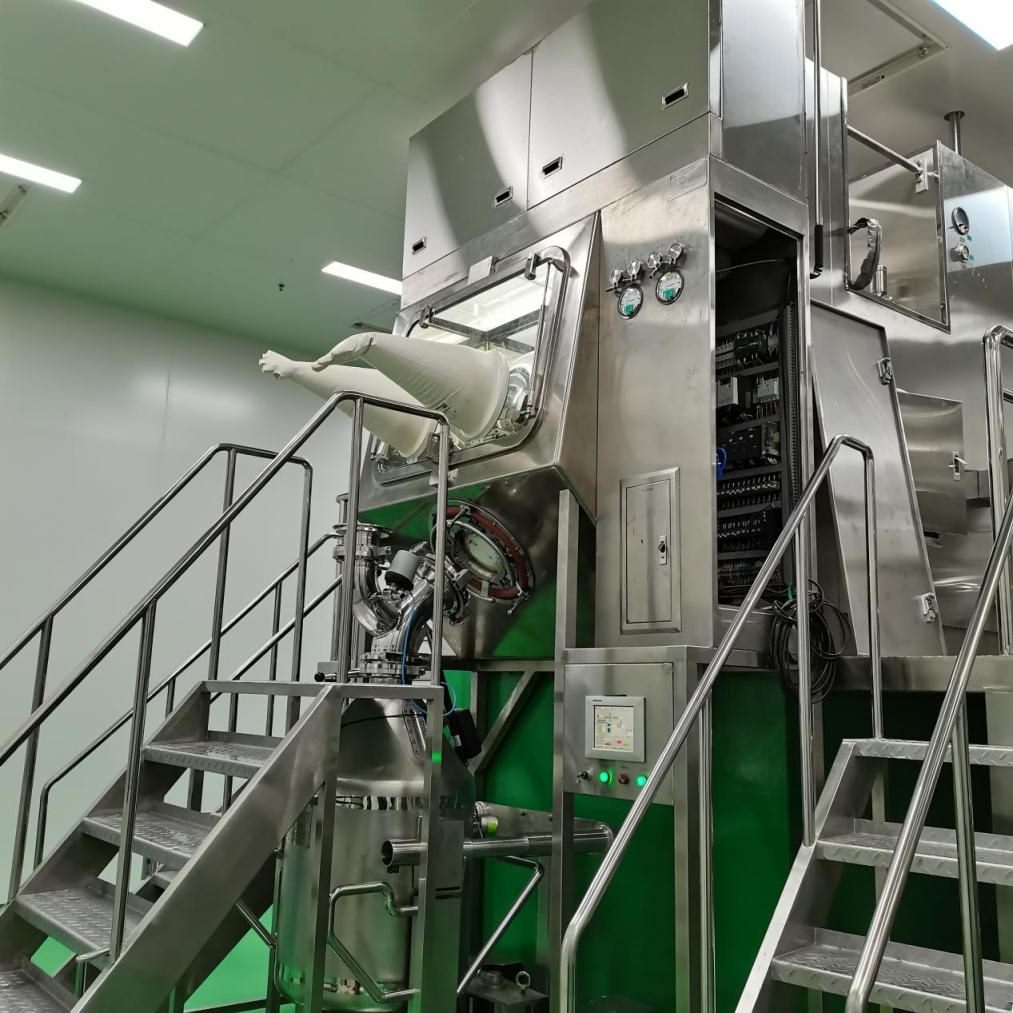 Dispensing & Containment Isolator (OEB5)Negative-pressure barrier for weighing, charging and sampling HPAPI.Isolators & Barrier
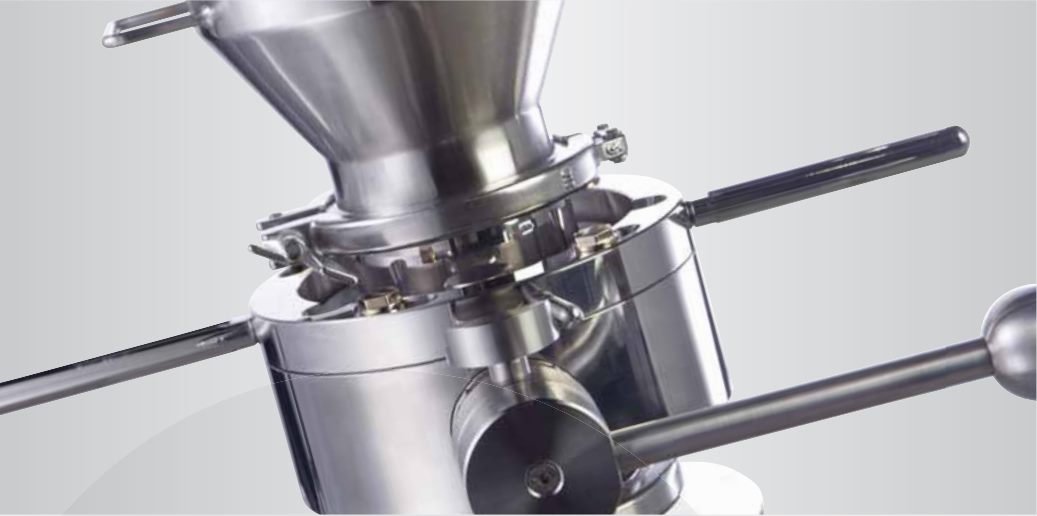 Alpha-Beta Split Butterfly ValveSplit butterfly valve for contained, dust-free transfer of potent powders.Transfer & Containment
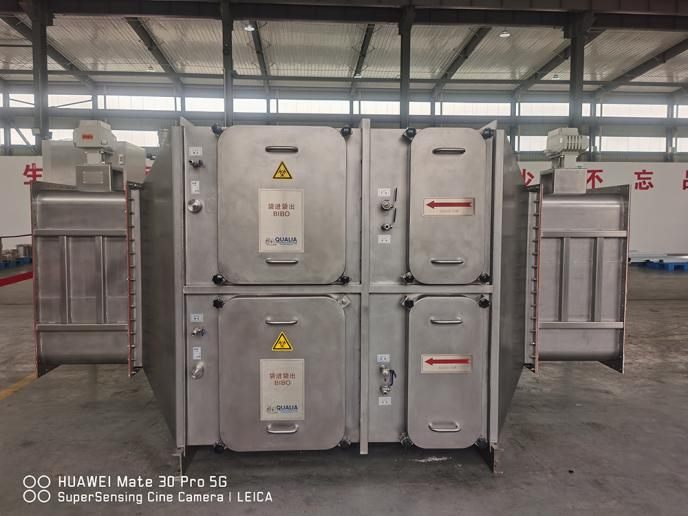 BIBO Filter HousingBag-in/bag-out HEPA housing for safe filter change in P3/P4 labs.Air Handling
Comparing VHP Suppliers?
Send your URS, layout or equipment list. Our engineers will answer the twelve questions for your project and propose a configuration.