








VHP Generator FAT and SAT: What to Test Before Acceptance
The factory acceptance test (FAT) and site acceptance test (SAT) are your two chances to find problems with a VHP generator before it becomes part of a validated process. A problem found at the factory costs a day; the same problem found during PQ can cost weeks. This guide lists what to test at FAT and SAT for a VHP decontamination system, how the tests link to IQ and OQ, and the mistakes that make acceptance tests less useful than they should be.
FAT and SAT check the system against your requirements, so they work best when those requirements are written down first. See how to write a URS for a VHP decontamination system.
FAT, SAT, IQ and OQ: how they fit together
- FAT is carried out at the supplier’s factory before shipment. It shows the system was built as specified and that its functions work.
- SAT is carried out after installation at your site. It shows the system arrived undamaged, is correctly connected and works with your HVAC, BMS and enclosures.
- IQ and OQ are the formal qualification steps under your quality system. Well-documented FAT and SAT results can be used to support IQ and OQ, so tests do not need to be repeated, provided QA has agreed this in advance.
- PQ proves cycle efficacy in your real enclosures, with biological indicators. It cannot be done at the factory.
Agree in the project plan which tests are done at FAT, which at SAT, and which results QA will accept as evidence for IQ and OQ. This avoids testing the same function three times, or not at all.
Before the FAT
- An approved protocol. Ask for the FAT protocol several weeks in advance, comment on it, and approve it before the test date.
- Documents on the table. Drawings, P&ID, material certificates, calibration certificates, software version and the bill of materials.
- Calibrated test instruments. Any instrument used to check a reading (a reference hydrogen peroxide sensor, thermometer, hygrometer, balance) must have a valid calibration.
- A test enclosure. To check injection, concentration control and aeration, the generator needs something to treat: a test chamber or room at the factory, or a connected enclosure for equipment generators.
- The right people. Engineering, validation and, if possible, an operator who will run the system.
FAT checklist for a VHP generator
| Area | What to check |
|---|---|
| Documentation | Drawings and P&ID match the unit; material and calibration certificates are complete; software version is recorded. |
| Construction | Materials of wetted parts, welds and surface finish, tubing and fittings, labelling, cable routing, access for maintenance. |
| Control system | User levels and passwords, audit trail entries, recipe storage and protection, alarm list, data recording and export, clock synchronisation. |
| Inputs and outputs | Every signal in the interface list, including simulated HVAC and BMS signals, door interlocks and remote start/stop. |
| Sensors | Readings of concentration, temperature, humidity and pressure compared with calibrated references. |
| Injection | Injection rate checked against the setting, for example by weighing sterilant consumption over a timed run; vaporizer temperature. |
| Cycle sequence | A complete cycle in the test enclosure: dehumidification or conditioning, injection, hold, aeration, end of cycle. |
| Aeration | Concentration reduced to the specified residual level, measured with a low-range sensor; time recorded. |
| Alarms and faults | Simulated faults: low sterilant, sensor failure, door opened, power loss and restart. The system must go to a safe state and record the event. |
| Safety | Emergency stop, leak detection, interlocks, warning signs. |
Record every deviation in a punch list, with an owner and a closing date, and agree which items must be closed before shipment.
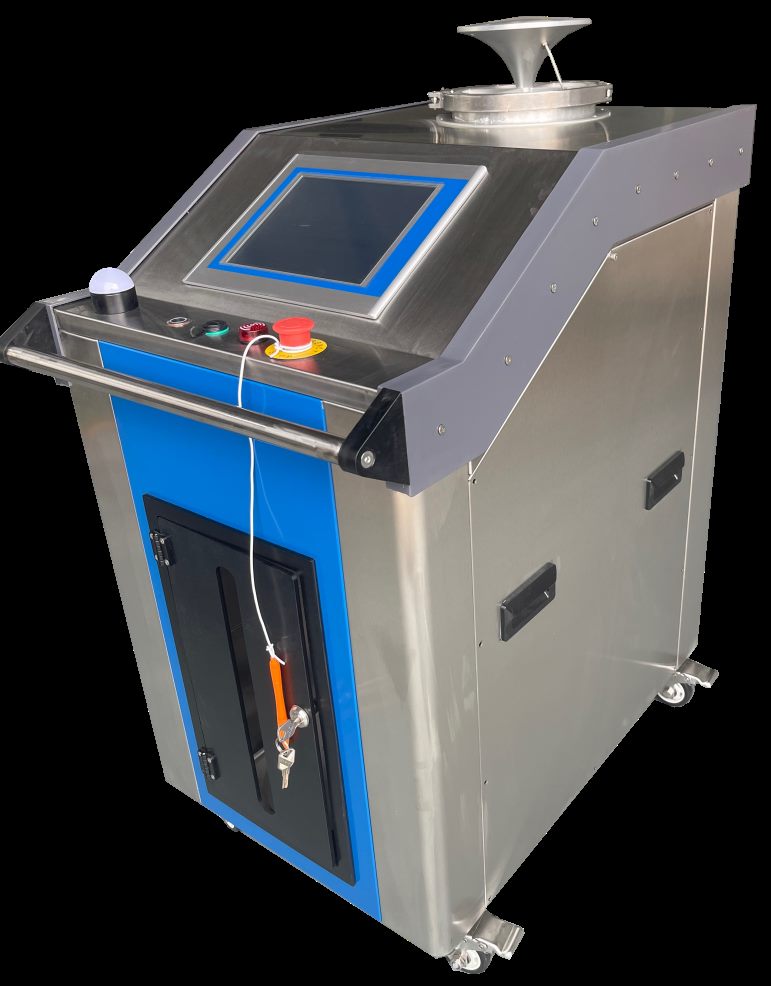
SAT checklist
The SAT repeats the critical checks under real conditions and adds everything that depends on the site:
- Arrival and installation: no transport damage, correct position, levelled, accessible for maintenance.
- Utilities: power supply matches the unit, compressed air and exhaust connected as specified, earthing in place.
- VHP piping (fixed systems): routing, leak test, insulation to prevent condensation, injection points as designed.
- Interfaces live: HVAC dampers and fan modes switch correctly for each phase; BMS receives status and alarms; doors lock and unlock at the right time.
- Sensors in place: concentration, temperature and humidity sensors installed at the planned positions and reading correctly.
- A first cycle in the real enclosure: usually empty, to confirm the sequence, the conditions reached and aeration to the release level. This is not yet PQ.
- Training: operators and maintenance staff trained, with records.
For HVAC-integrated systems, the interface tests are the heart of the SAT. See how a VHP generator integrates with cleanroom HVAC.
What FAT and SAT do not prove
A successful FAT or SAT shows the system works as designed. It does not prove that a cycle achieves the required kill in your rooms or equipment. That is shown by cycle development and PQ, with biological indicators at worst-case locations and the real loading. Keep the two separate in reports and in conversations with suppliers. For the next steps, see VHP cycle development and qualification and how a VHP cycle is validated.
Remote or video FAT
If travel is not possible, a FAT can be witnessed by video. To make it worth the effort:
- Send the protocol in advance and agree the camera positions.
- Ask for close-up views of screens, nameplates and instrument readings, and for the reference instruments to be shown next to the unit’s own readings.
- Have the supplier sign and scan the completed protocol pages at the end of each test.
- Plan a longer SAT to compensate for anything that could not be seen clearly.
Common mistakes
- Using the supplier’s standard test sheet instead of a protocol traced to your URS.
- Testing only with the unit switched on, without a complete cycle in a test enclosure.
- Skipping fault tests. Power loss, sensor failure and door opening are where systems behave badly.
- Not checking the audit trail and data export with QA present.
- Leaving interface tests to PQ, when the PQ team expects a system that already works.
- Treating a good SAT as proof of efficacy. Efficacy needs PQ.
Choosing a supplier who supports FAT and SAT
Ask early whether you can attend the FAT, whether the protocol can be agreed in advance and who carries out the SAT. These are among the 12 questions to ask a VHP supplier. Fenggu manufactures mobile room sterilizers, HVAC-integrated VHP systems, recirculating VHP generators and other VHP equipment, and provides on-site commissioning and operator training for the equipment it supplies.
All VHP equipment: VHP sterilizers and generators.
FAQ
What is the difference between FAT and SAT for a VHP generator?
FAT is done at the supplier’s factory before shipment and checks the system against its specification. SAT is done at your site after installation and checks installation, utilities and interfaces with your HVAC, BMS and enclosures.
Can FAT and SAT replace IQ and OQ?
They can support IQ and OQ if the protocols, execution and records meet your quality system’s requirements and QA has agreed this in advance. They do not replace PQ.
Should a cycle be run during FAT?
Yes, in a test enclosure. Without a complete cycle you cannot check injection, concentration control and aeration together.
How long does a VHP generator FAT take?
It depends on the system and the protocol. A mobile unit may need a day; an HVAC-integrated system with many interface signals may need several days.
Who should attend the FAT?
At least an engineer and a validation or QA representative from the user side, and ideally an operator. The supplier provides the test engineer and the test equipment.
References
- ISPE Baseline Guide Volume 5: Commissioning and Qualification (2nd edition, 2019)
- ASTM E2500-20, Standard Guide for Specification, Design, and Verification of Pharmaceutical and Biopharmaceutical Manufacturing Systems and Equipment
- EU GMP Annex 15: Qualification and Validation (2015)
- ISPE GAMP 5: A Risk-Based Approach to Compliant GxP Computerized Systems (2nd edition, 2022)
Related Products
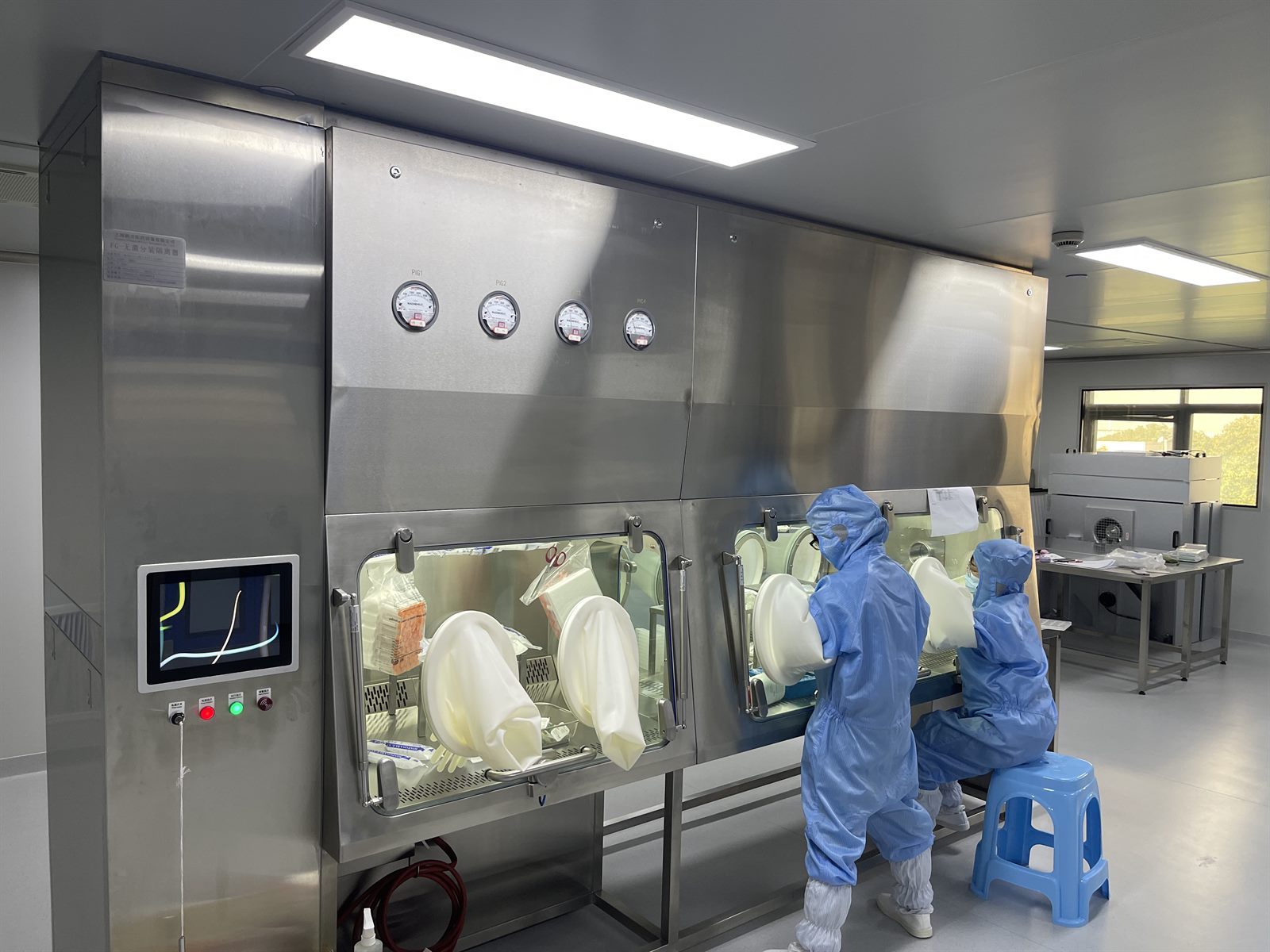 Aseptic Filling IsolatorGrade A (ISO 5) barrier for sterile filling, stoppering and capping.Isolators & Barrier
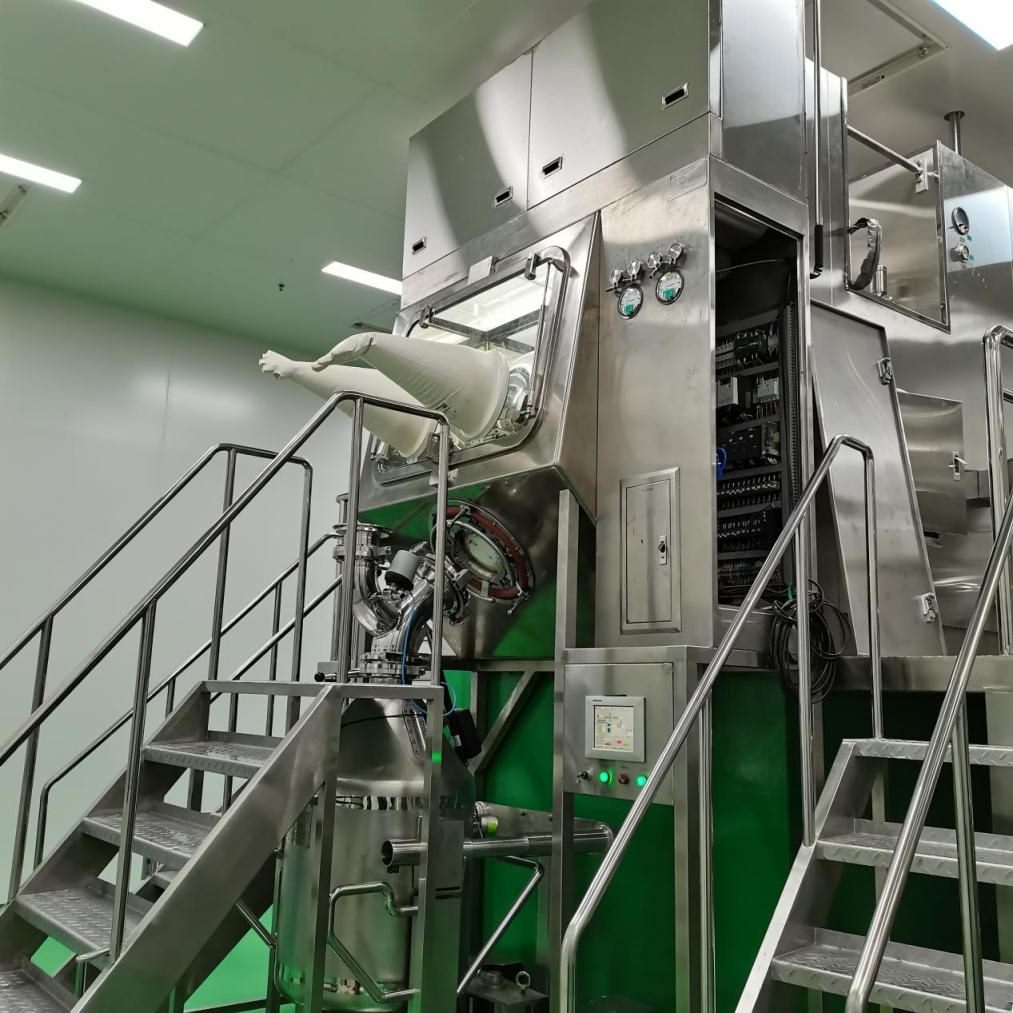 Dispensing & Containment Isolator (OEB5)Negative-pressure barrier for weighing, charging and sampling HPAPI.Isolators & Barrier
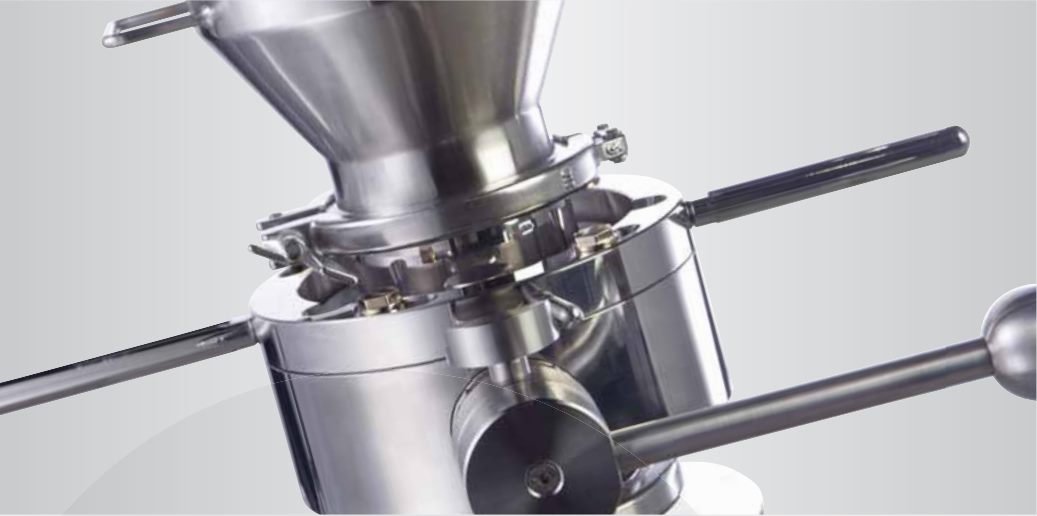 Alpha-Beta Split Butterfly ValveSplit butterfly valve for contained, dust-free transfer of potent powders.Transfer & Containment
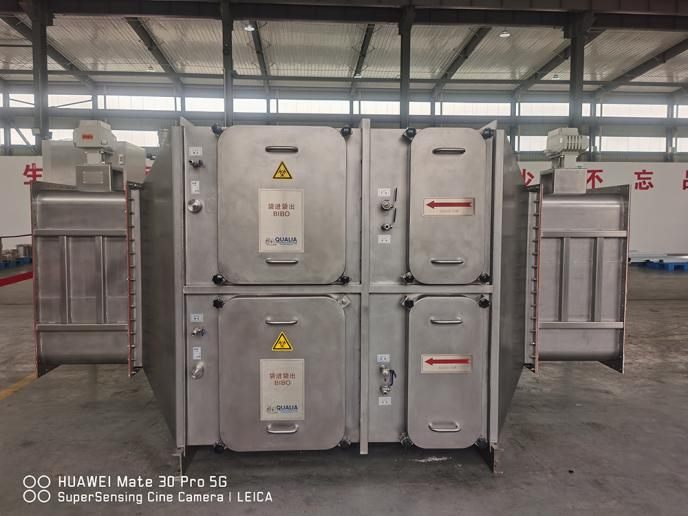 BIBO Filter HousingBag-in/bag-out HEPA housing for safe filter change in P3/P4 labs.Air Handling
Planning a VHP FAT?
Tell us which system you are buying and what you need to test. Our engineers will discuss the FAT and SAT scope with you.