








When to VHP a Pharmaceutical Cleanroom: Triggers, Frequency and Annex 1
VHP is not a daily disinfectant. In a pharmaceutical cleanroom it is an event-driven or periodic step that treats surfaces cleaning cannot reach reliably. Deciding when to use it — and when not to — belongs in the contamination control strategy. This guide lists the usual triggers and how to justify a frequency.
Key points
- Routine cleaning and disinfection keep a cleanroom in control; VHP is added for events and for periodic reduction of contamination in hard-to-reach places.
- Common triggers: start-up after construction or modification, restart after a shutdown, HVAC or pressure-cascade failure, contamination events with spores or fungi, and some campaign changes.
- Periodic VHP frequency should come from risk assessment and environmental monitoring trends, not a fixed rule.
- VHP does not replace cleaning: the room must be cleaned first, and residues and soil still need routine removal.
- Each cycle should be documented and linked to the trigger, the indicator results and environmental monitoring before and after.
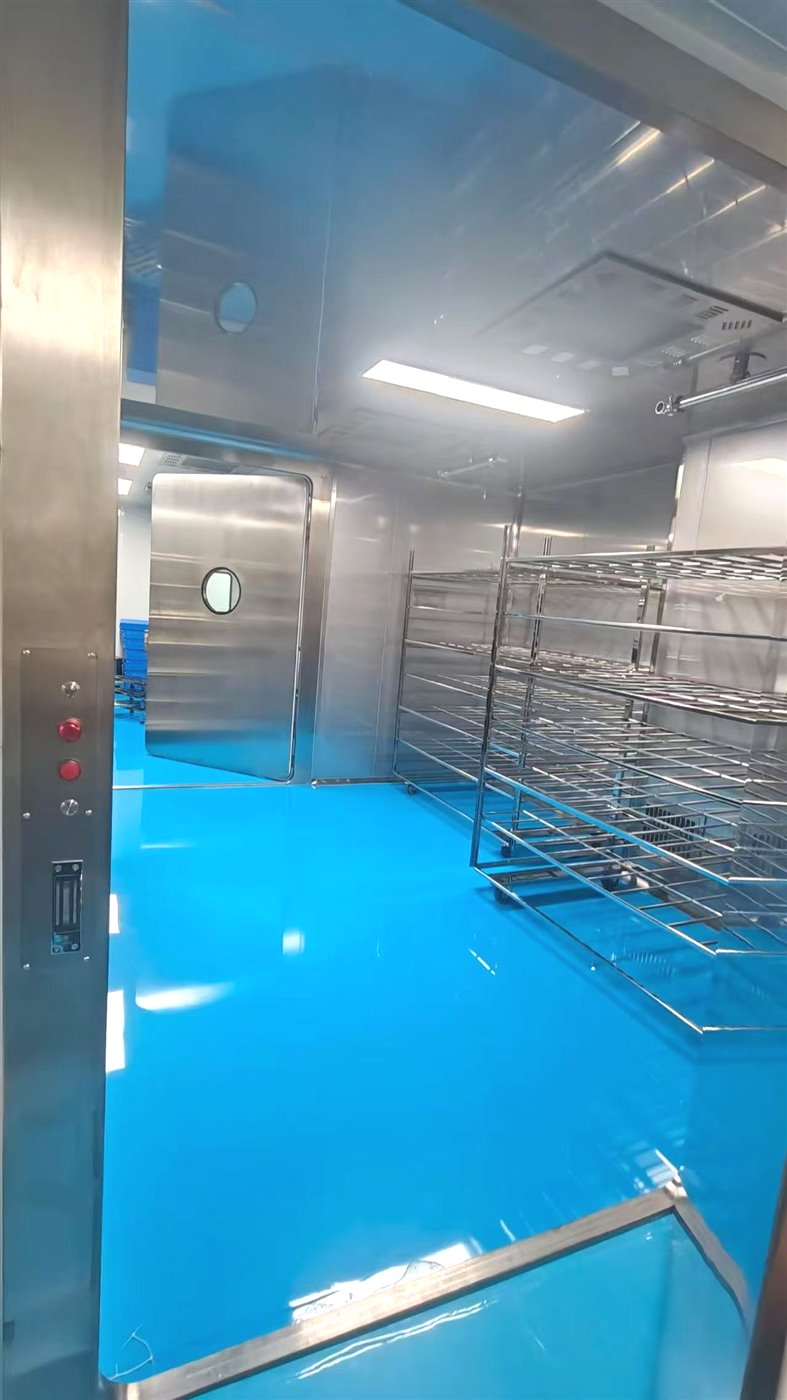
Where VHP fits in cleanroom contamination control
EU GMP Annex 1 (2022) requires a documented contamination control strategy covering cleaning, disinfection and monitoring. Routine control comes from cleaning and from a rotation of disinfectants including a sporicide — see disinfectant rotation and sporicidal agents. Annex 1 also recognises fumigation and vapour disinfection as useful for reducing microbial contamination in places that are difficult to reach. That is VHP’s role: a supplement for defined situations, justified in the contamination control strategy.
Triggers for a VHP cycle
| Trigger | Why VHP helps | Typical practice |
|---|---|---|
| Start-up after construction or modification | Construction brings dust, moisture and fungal spores into ceilings, voids and equipment that wiping cannot reach | Deep clean, then VHP, then environmental monitoring and requalification |
| Restart after a planned shutdown | HVAC off or reduced, people and contractors in the area, humidity uncontrolled | Clean and VHP before monitoring resumes, especially for Grade A/B areas |
| HVAC failure or loss of pressure cascade | Lower-grade air may have entered the room | Risk assessment; VHP if the excursion was long or the area is critical |
| Contamination event | Spore-formers or moulds found by monitoring, especially repeatedly, or a failed media fill | Investigation first, then clean, sporicide and VHP as part of corrective action |
| Campaign or product change | Reduces carry-over of microbial contamination between products | Defined by the multiproduct risk assessment; not a substitute for chemical cleaning |
| Periodic | Reduces build-up in places routine disinfection reaches poorly | Frequency based on risk and monitoring trends |
Setting a periodic frequency
There is no regulatory interval. A justified frequency comes from:
- Grade and process risk. Areas surrounding open aseptic processing justify more frequent cycles than Grade C or D support areas.
- Monitoring trends. Rising counts, recurring isolates, or spore-formers and fungi in particular locations point to a reservoir that routine disinfection is not reaching.
- Room features. Complex equipment, many surfaces behind or under machinery, and ceiling voids raise the case for vapour.
- Operational cost. Each cycle takes the room out of use for hours. Scheduling cycles alongside existing shutdowns keeps the impact low.
Many sites start with cycles at shutdowns plus event-driven use, then adjust based on monitoring data before and after cycles. Recording what each cycle achieved — counts before and after, isolates — is what makes the frequency defensible at inspection.
When VHP is the wrong tool
- Instead of cleaning. Peroxide does not remove soil, product residue or disinfectant residues, and soil shields organisms — see cleaning before VHP.
- To cover a process problem. If contamination comes from an operator practice, a material flow or a damaged filter, VHP clears the symptom and the counts return.
- Daily in normal operation. The downtime is rarely justified; routine disinfection is the daily control.
- For bulk materials and liquids. VHP treats exposed surfaces only.
Running and documenting the cycle
- Record the trigger and the decision in the change or deviation system.
- Clean the room and remove or open absorbent materials.
- Prepare and seal the room, and isolate the HVAC — see preparing a room for VHP decontamination.
- Use the validated cycle for the room; place chemical indicators and, as the validation requires, biological indicators at worst-case locations.
- Aerate to the release limit and record the cycle data.
- Perform environmental monitoring before production resumes, and file the cycle record, indicator results and monitoring together.
Mobile or HVAC-integrated
For single rooms and occasional cycles, a mobile generator is usually enough. Where whole suites are treated at every shutdown, or where the air handling system and ductwork upstream of the HEPA filters also need treatment, an HVAC-integrated system avoids moving and sealing several units each time — see HVAC-integrated VHP.
Fenggu Equipment for This
- Mobile VHP room sterilizer (FG-VHP-M500) — wheeled unit for spaces up to 300 m³.
- HVAC-integrated VHP system (FG-VHP-C1000 / C2000) — treats whole suites through the existing AHU.
- Inflatable-seal airtight door (FG-LOCK-GDI) — for containment and decontamination rooms.
FAQ
How often should a pharmaceutical cleanroom be decontaminated with VHP?
There is no fixed regulatory interval. Most sites use VHP after construction, shutdowns, HVAC failures and contamination events, and set any periodic frequency from risk assessment and environmental monitoring trends.
Does EU GMP Annex 1 require VHP?
No. Annex 1 requires a contamination control strategy with effective cleaning and disinfection, and recognises fumigation or vapour disinfection as useful for reducing contamination in hard-to-reach places. Whether and when to use VHP is a justified decision within that strategy.
Can VHP replace routine cleanroom disinfection?
No. Routine cleaning and disinfection remove soil and residues and keep the room in control day to day. VHP is a supplement for events and periodic reduction of contamination where wiping does not reach.
Should VHP be done after a failed media fill?
Possibly, as part of corrective action after the investigation identifies the likely source. VHP alone does not fix a process or behavioural cause.
What records should be kept for each VHP cycle?
The trigger and decision, the cycle record from the generator, chemical and biological indicator results, and environmental monitoring before and after the cycle.
References
- EU GMP Annex 1 (2022), Manufacture of Sterile Medicinal Products — sections on cleaning, disinfection and the contamination control strategy
- PIC/S PI 032-2, Recommendation on the Validation of Aseptic Processes
- EN 17272:2020, Methods of airborne room disinfection by automated process
- USP <1072> Disinfectants and Antiseptics
Related Products
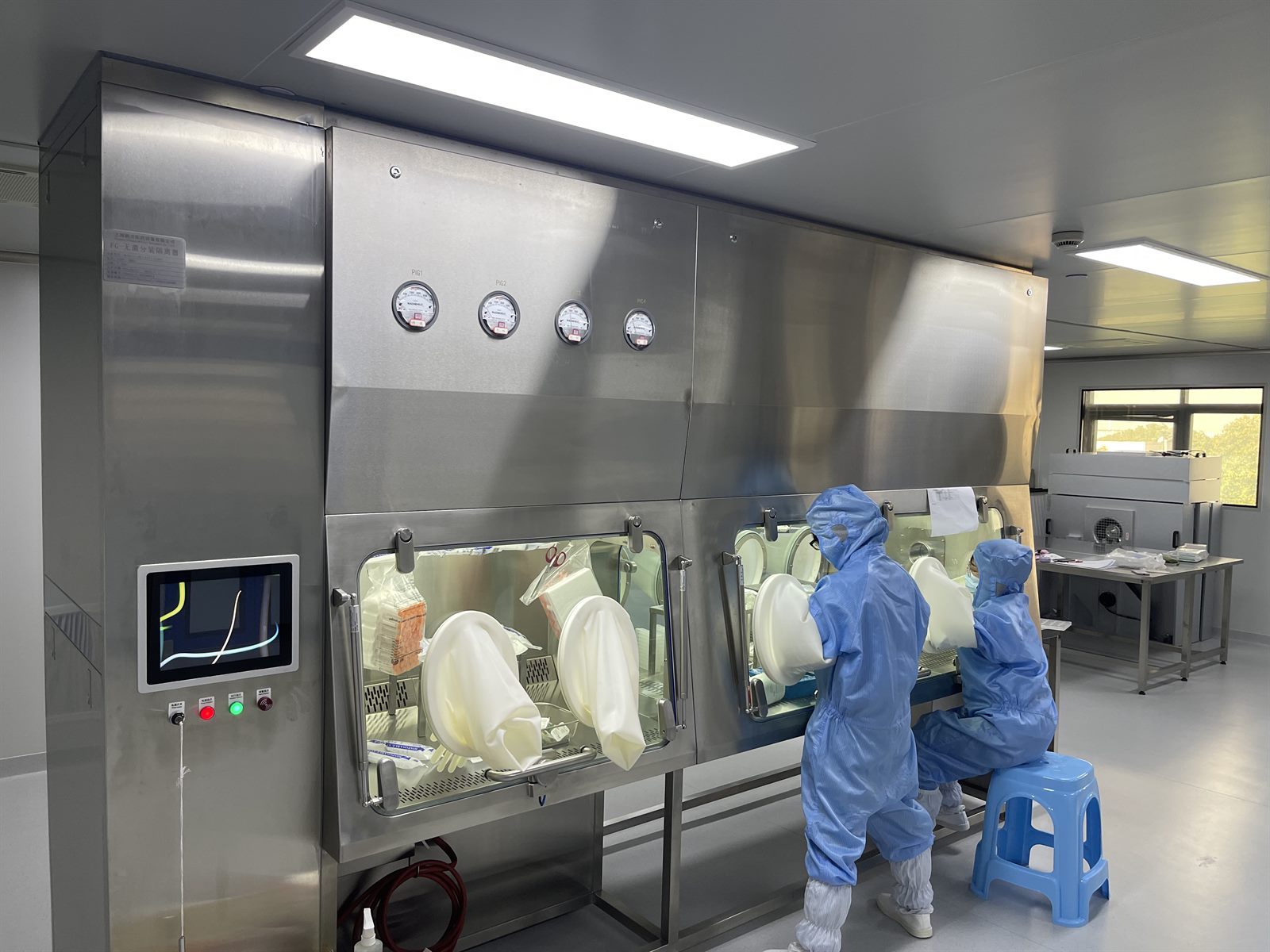 Aseptic Filling IsolatorGrade A (ISO 5) barrier for sterile filling, stoppering and capping.Isolators & Barrier
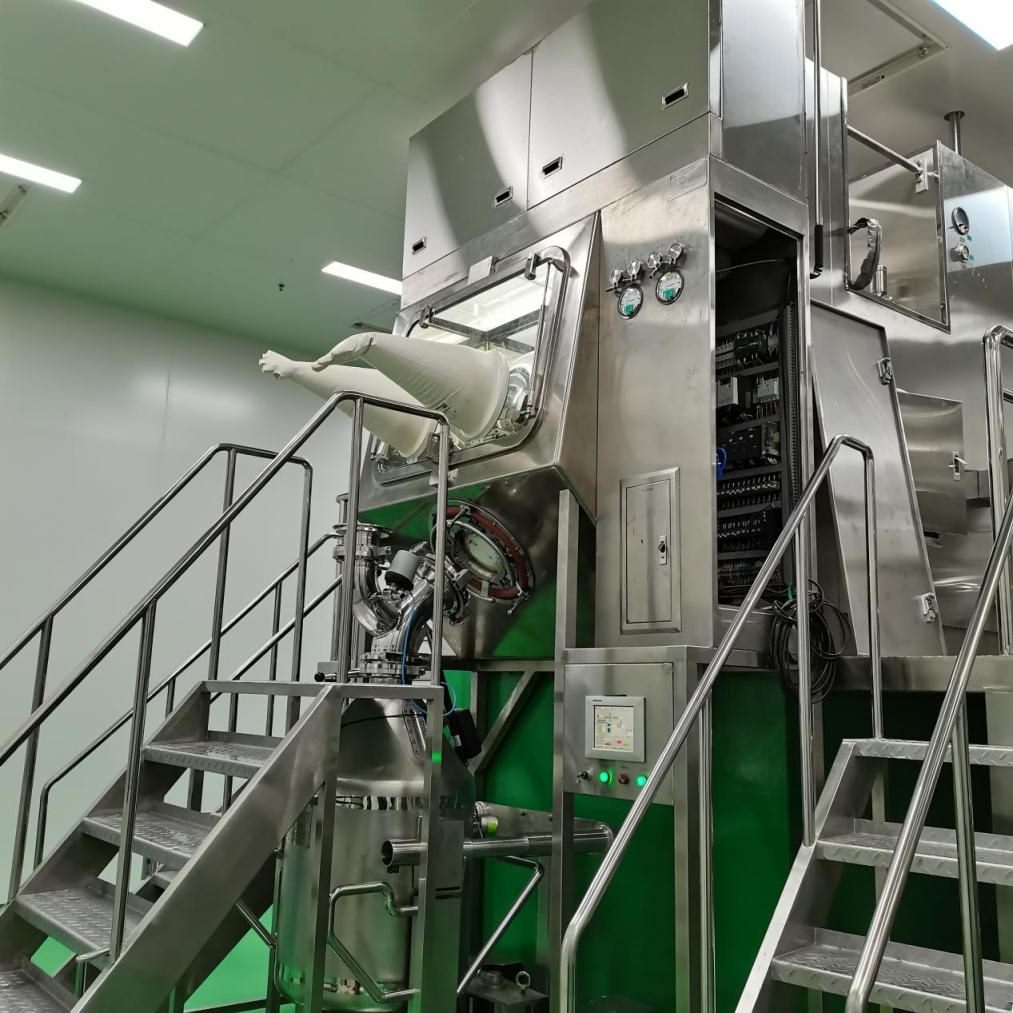 Dispensing & Containment Isolator (OEB5)Negative-pressure barrier for weighing, charging and sampling HPAPI.Isolators & Barrier
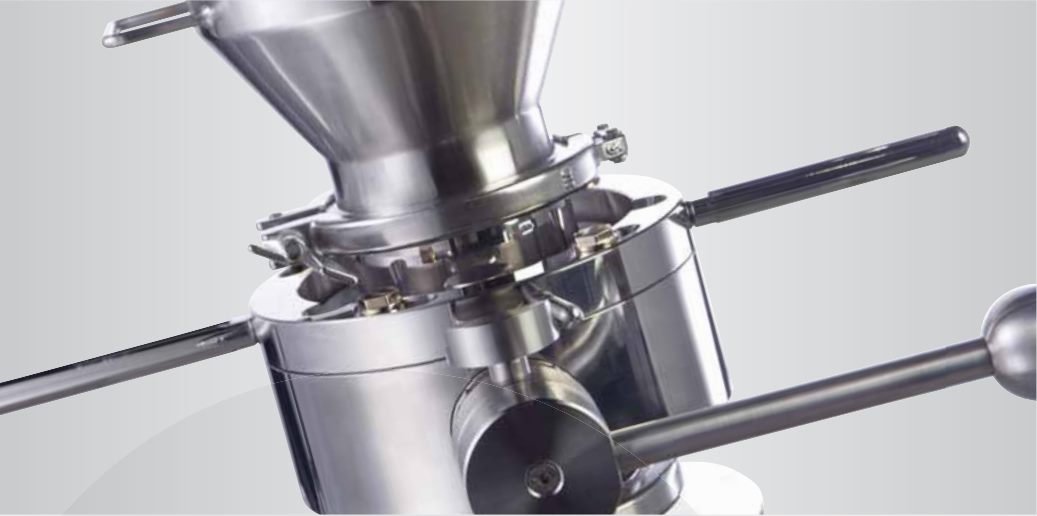 Alpha-Beta Split Butterfly ValveSplit butterfly valve for contained, dust-free transfer of potent powders.Transfer & Containment
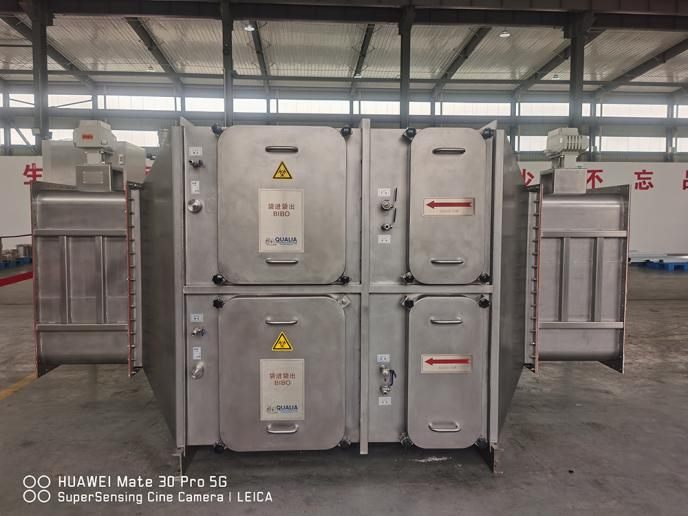 BIBO Filter HousingBag-in/bag-out HEPA housing for safe filter change in P3/P4 labs.Air Handling
Adding VHP to Your Contamination Control Strategy?
Tell us the area, grades and how often you plan to treat it. We will propose mobile or HVAC-integrated equipment and the validation approach.