








Whole-Room VHP Decontamination of a BSL-3 Laboratory: Procedure and Pitfalls
A BSL-3 laboratory has to be decontaminated before major maintenance, after a significant spill, when its work programme changes and before decommissioning. Vaporized hydrogen peroxide has largely replaced formaldehyde for this job. This guide covers what the laboratory needs before the first cycle, how a cycle runs and the details that cause failures.
Key points
- Whole-room VHP is used before maintenance and filter changes, after spills, at programme changes and at decommissioning.
- The room must be sealable: bubble-tight dampers on supply and exhaust, sealed penetrations and doors that can be closed tightly — proven by a pressure decay test.
- Biosafety cabinets and exhaust HEPA housings are part of the plan — treated with the room or separately — because they hold the highest contamination.
- Biological indicators go where vapour struggles to reach: inside cabinets, under benches, behind equipment, near return grilles and in cold corners.
- Release requires peroxide below the exposure limit, all indicators negative after incubation, and the building management system restored and checked.
When a BSL-3 laboratory needs whole-room decontamination
- Before maintenance that opens ductwork, filter housings, ceilings or equipment, so engineers can work without full containment controls.
- After a significant spill or release that cannot be contained by local disinfection.
- When the work programme changes to a different agent, or after an outbreak investigation.
- Before decommissioning or handing the space to another use.
- Periodically, where the facility’s risk assessment requires it.
Formaldehyde has a long history in this role but is classified as carcinogenic to humans and leaves residues. VHP works at room temperature, leaves no residue and is controlled and recorded, which is why most laboratories now use it — see VHP vs formaldehyde vs chlorine dioxide.
What the laboratory needs first
| Requirement | Why |
|---|---|
| Gas-tight room envelope | Keeps vapour in and lets the concentration build. Proven by a pressure decay test — see BSL-3 airtightness testing. |
| Bubble-tight dampers on supply and exhaust | Isolate the room from the ductwork during the cycle without taping grilles. |
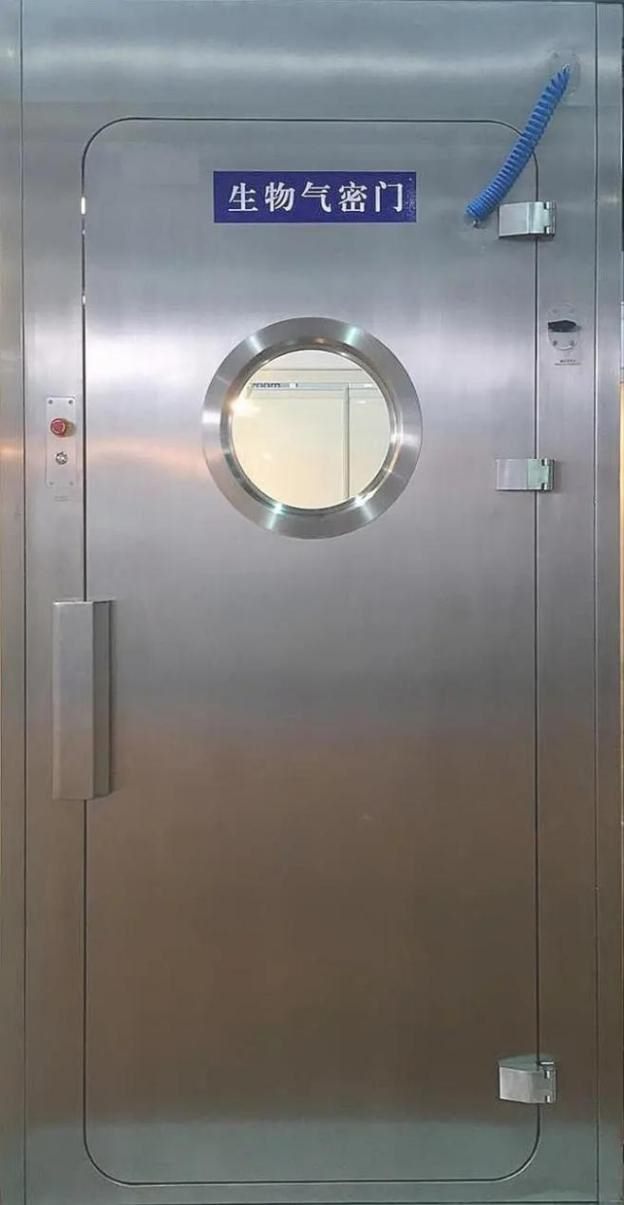
| Sealed doors | Airtight doors, or a reliable sealing method for standard doors. |
| Ports for the generator | Hose connections through the envelope let the generator stay outside, so it does not need to be decontaminated afterwards. |
| Plan for cabinets and HEPA housings | The items most likely to be contaminated need their own treatment route. |
| Low-range peroxide sensors | For leak monitoring in adjacent areas and confirming the release limit — see hydrogen peroxide sensors. |
These are design decisions. A laboratory not built for gaseous decontamination usually needs dampers, sealing and ports added before VHP is practical — which is why they belong in commissioning, see BSL-3 commissioning checklist. For a new laboratory, see designing an integrated VHP system for a BSL-3 laboratory.
Biosafety cabinets and HEPA housings
The interior of a Class II biosafety cabinet, its filters and the plenum behind them carry the highest contamination in the laboratory. Two approaches are common: treat the cabinet separately with its own cycle before the room, or run the cabinet’s fan during the room cycle so vapour passes through its filters. The second only works if the cabinet manufacturer supports it and indicators inside the cabinet prove it — see biosafety cabinet VHP decontamination.
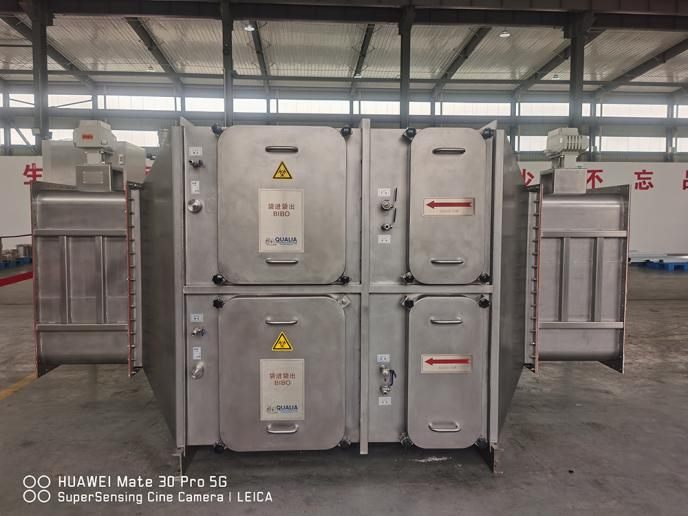
Exhaust HEPA filters are usually in housings outside the room. Bag-in/bag-out housings are decontaminated in place through their valves before a filter change, so the filter is changed only after it has been treated.
Running the cycle
- Permit and planning. Agree the sequence with the biosafety officer, engineering and anyone working in adjacent areas.
- Prepare the room. Remove waste and absorbent materials; open drawers, cupboards and incubators; raise items off benches where possible.
- Place indicators. Biological and chemical indicators at worst-case points: inside each cabinet, under benches, behind freezers and centrifuges, near return grilles, in cold corners and in the anteroom if it is included.
- Isolate the room. Close the bubble-tight dampers and seal the doors; switch the building management system to its decontamination mode so alarms and pressure control respond correctly.
- Gas. The generator dehumidifies, injects and holds according to the validated cycle, with fans if required for mixing. Adjacent areas are monitored with low-range sensors.
- Aerate. Catalytic conversion in the room, or controlled opening of the exhaust so vapour leaves through the exhaust HEPA filters, until the room is below the exposure limit — typically 1 ppm.
- Release. Collect the indicators; release the room for its intended purpose only after the biological indicators are negative after incubation, as the facility procedure requires.
Common failures
- Leaking envelope. Concentration never reaches target, or peroxide is detected in the corridor. Fix with a pressure decay test before the next attempt.
- Positive indicators in cabinets or behind equipment. Poor mixing or a cabinet left closed. Add fans or treat the cabinet separately.
- Condensation on cold surfaces. Freezers, cold walls or chilled water pipes cause local condensation and corrosion. Switch off or warm cold equipment where possible, and treat cold spots as worst-case locations.
- Long aeration. Absorbent materials left in the room, such as cardboard boxes or paper records.
- Alarms and pressure control. A building management system not in decontamination mode trips alarms or fights the sealed room.
Troubleshooting is covered in more detail in troubleshooting a failed VHP cycle.
Fenggu Equipment for This
- Mobile VHP room sterilizer (FG-VHP-M500) — wheeled unit for spaces up to 300 m³.
- Biosafety isolation damper (FG-LOCK-BCV) — bubble-tight isolation of supply and exhaust ducts.
- Inflatable-seal airtight door (FG-LOCK-GDI) — for containment and decontamination rooms.
- VHP BIBO sterilizer (FG-VHP-BIBO) — decontaminates HEPA filter housings before a filter change.
FAQ
Can VHP be used to decontaminate a BSL-3 laboratory?
Yes. VHP is now the most common method for whole-room decontamination of BSL-3 laboratories, provided the room can be sealed, the HVAC isolated and the cycle proven with biological indicators at worst-case locations.
Does a BSL-3 lab need to be airtight for VHP?
It needs a gas-tight envelope sufficient to hold the vapour concentration and prevent leaks to adjacent areas. A pressure decay test during commissioning shows whether the room is tight enough.
Are biosafety cabinets decontaminated with the room?
Sometimes. Either the cabinet is treated separately before the room, or its fan runs during the room cycle so vapour passes through its filters — only if the cabinet manufacturer supports it and indicators inside prove it.
How is the room aerated after a VHP cycle?
By catalytic conversion inside the room, or by controlled opening of the exhaust so the vapour leaves through the exhaust HEPA filters, until the concentration is below the exposure limit, typically 1 ppm.
Why has VHP replaced formaldehyde in biosafety labs?
Formaldehyde is classified as carcinogenic to humans, needs long exposure and high humidity, and leaves residues that must be cleaned. VHP works at room temperature, leaves no residue and its cycle is controlled and recorded.
References
- WHO Laboratory Biosafety Manual, 4th edition (2020)
- CDC/NIH, Biosafety in Microbiological and Biomedical Laboratories (BMBL), 6th edition (2020)
- EN 17272:2020, Methods of airborne room disinfection by automated process
- EN 12469:2000, Biotechnology — Performance criteria for microbiological safety cabinets
Related Products
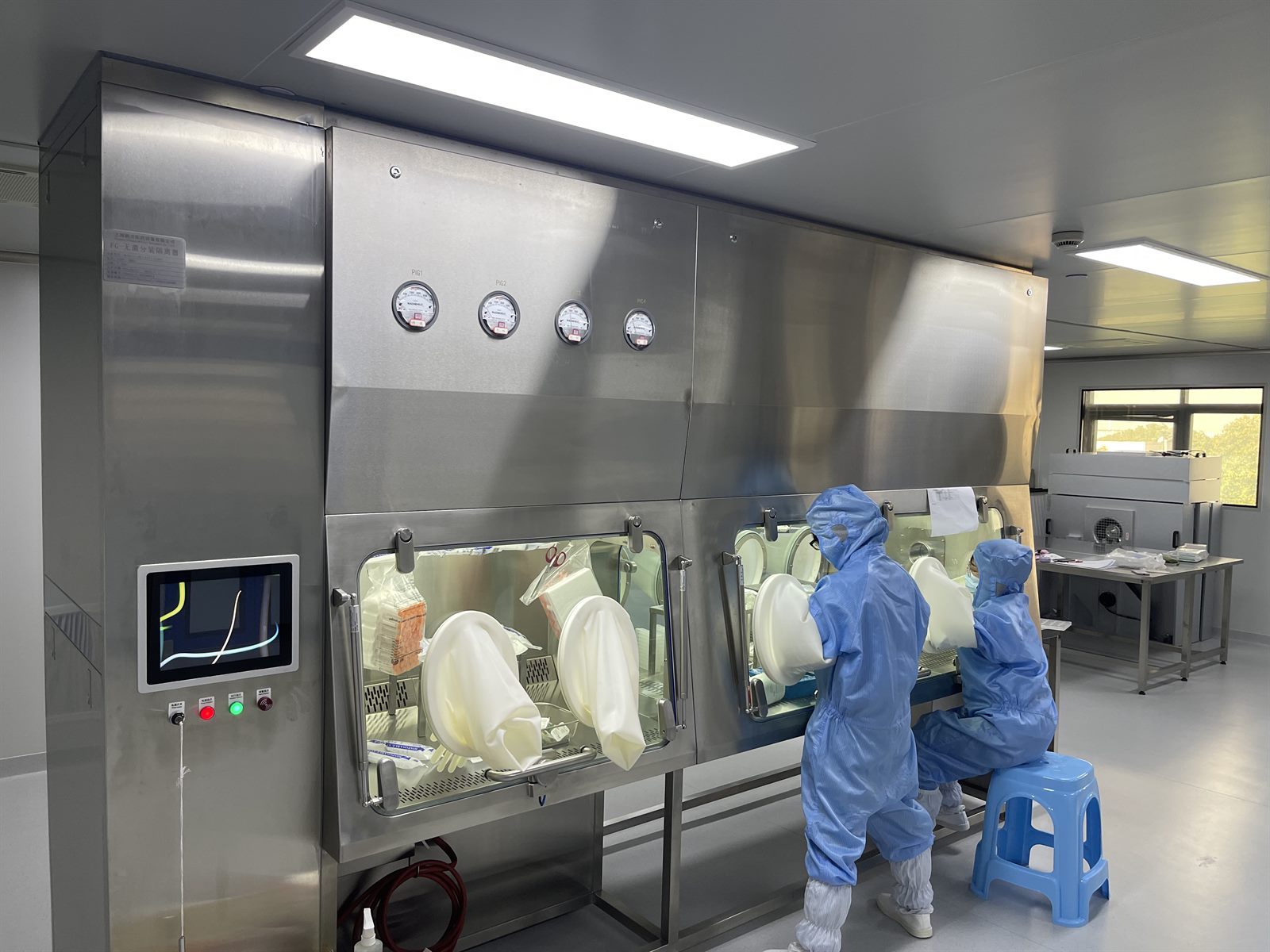 Aseptic Filling IsolatorGrade A (ISO 5) barrier for sterile filling, stoppering and capping.Isolators & Barrier
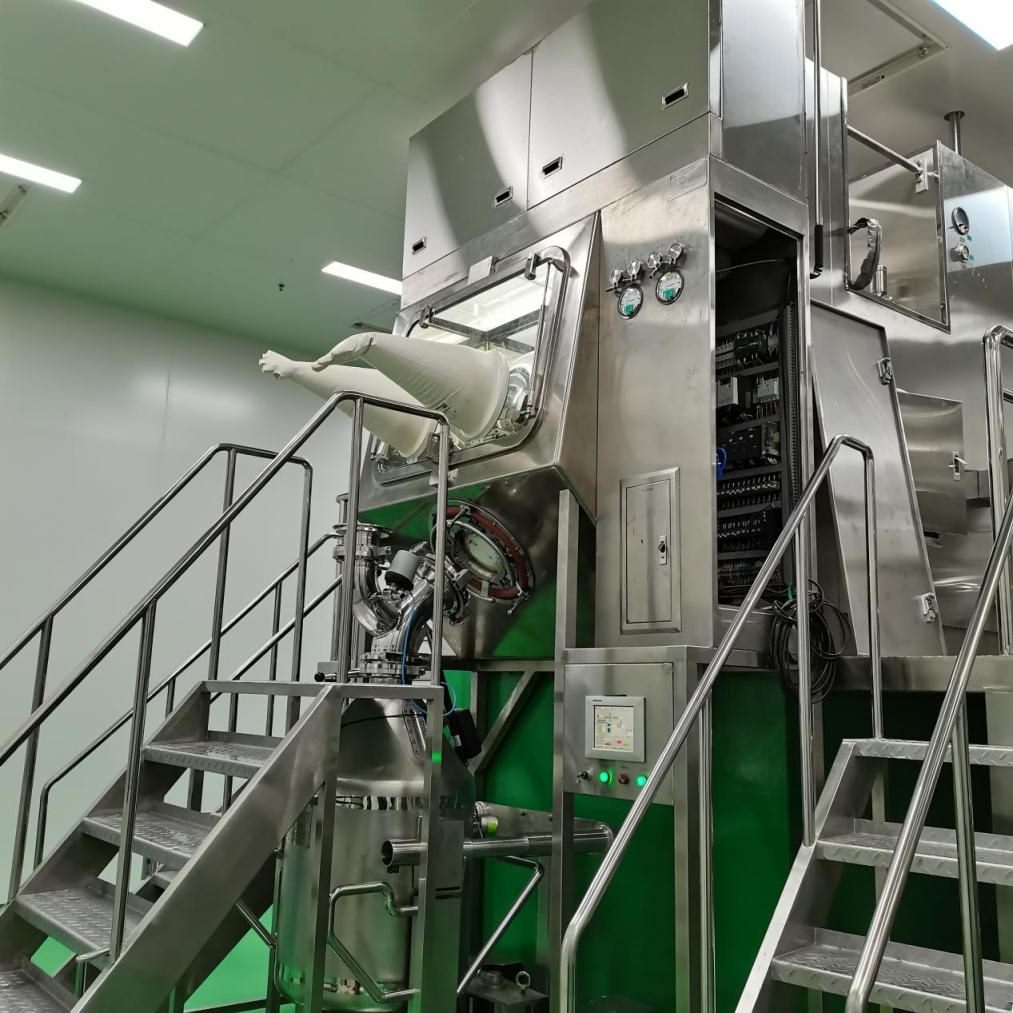 Dispensing & Containment Isolator (OEB5)Negative-pressure barrier for weighing, charging and sampling HPAPI.Isolators & Barrier
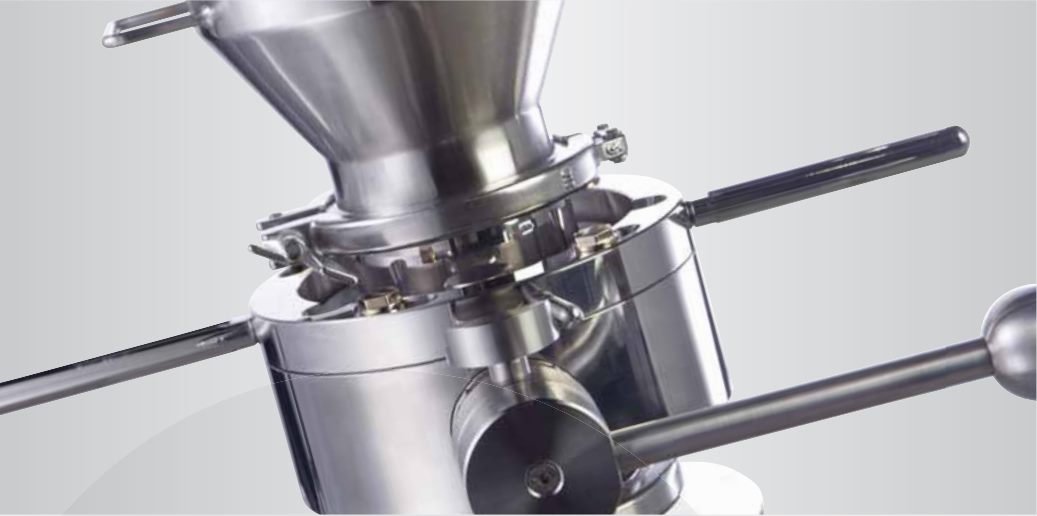 Alpha-Beta Split Butterfly ValveSplit butterfly valve for contained, dust-free transfer of potent powders.Transfer & Containment
 BIBO Filter HousingBag-in/bag-out HEPA housing for safe filter change in P3/P4 labs.Air Handling
Preparing a BSL-3 Lab for VHP?
Send the room layout, HVAC arrangement and cabinet list. We will reply with the equipment and sealing needed for whole-room decontamination.