








FG-VHP-GL
Recirculating VHP Generator
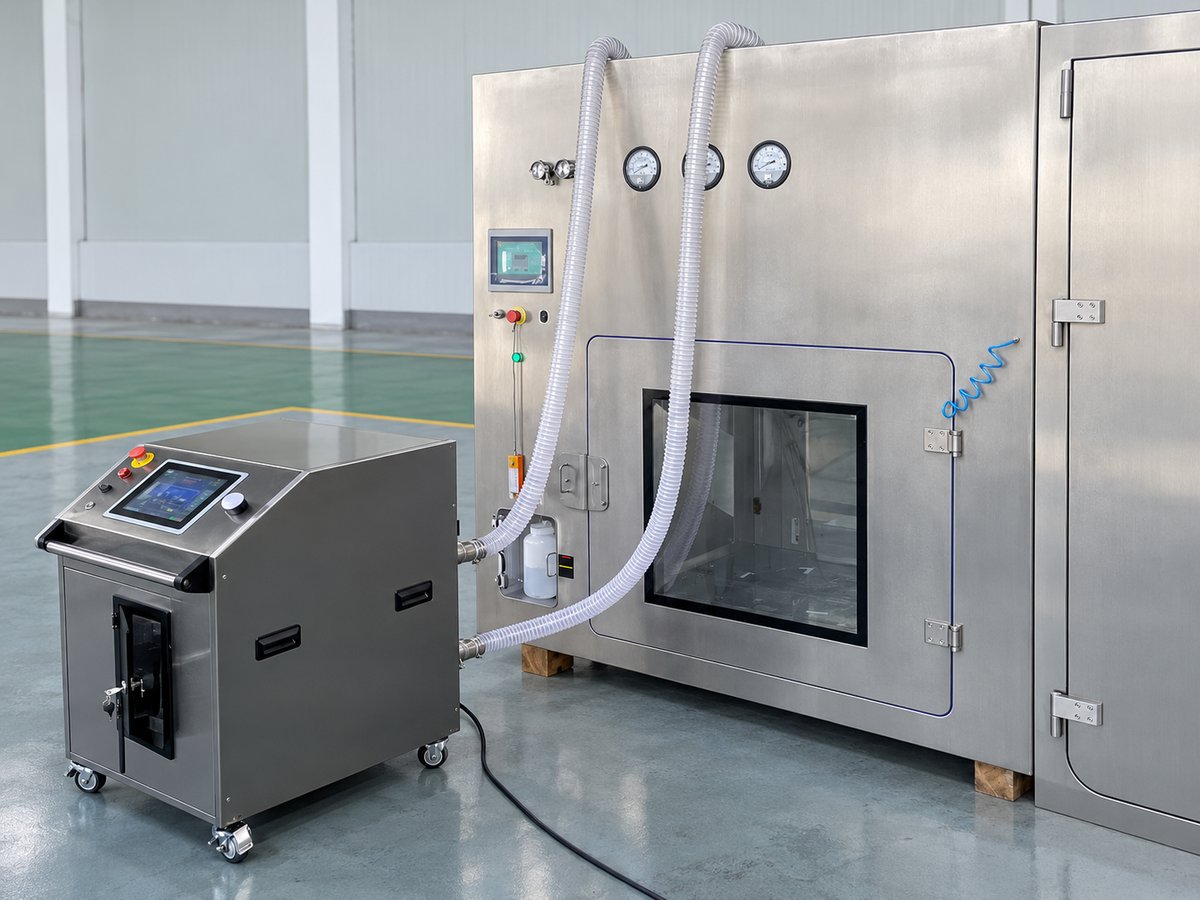
Connects to the target equipment via tubing to form a closed loop, continuously injecting and recirculating vaporized hydrogen peroxide — suited to interior biodecontamination of biosafety cabinets, lyophilizers, centrifuges, fermenters, tunnel ovens and similar equipment.
Request a Quote All Products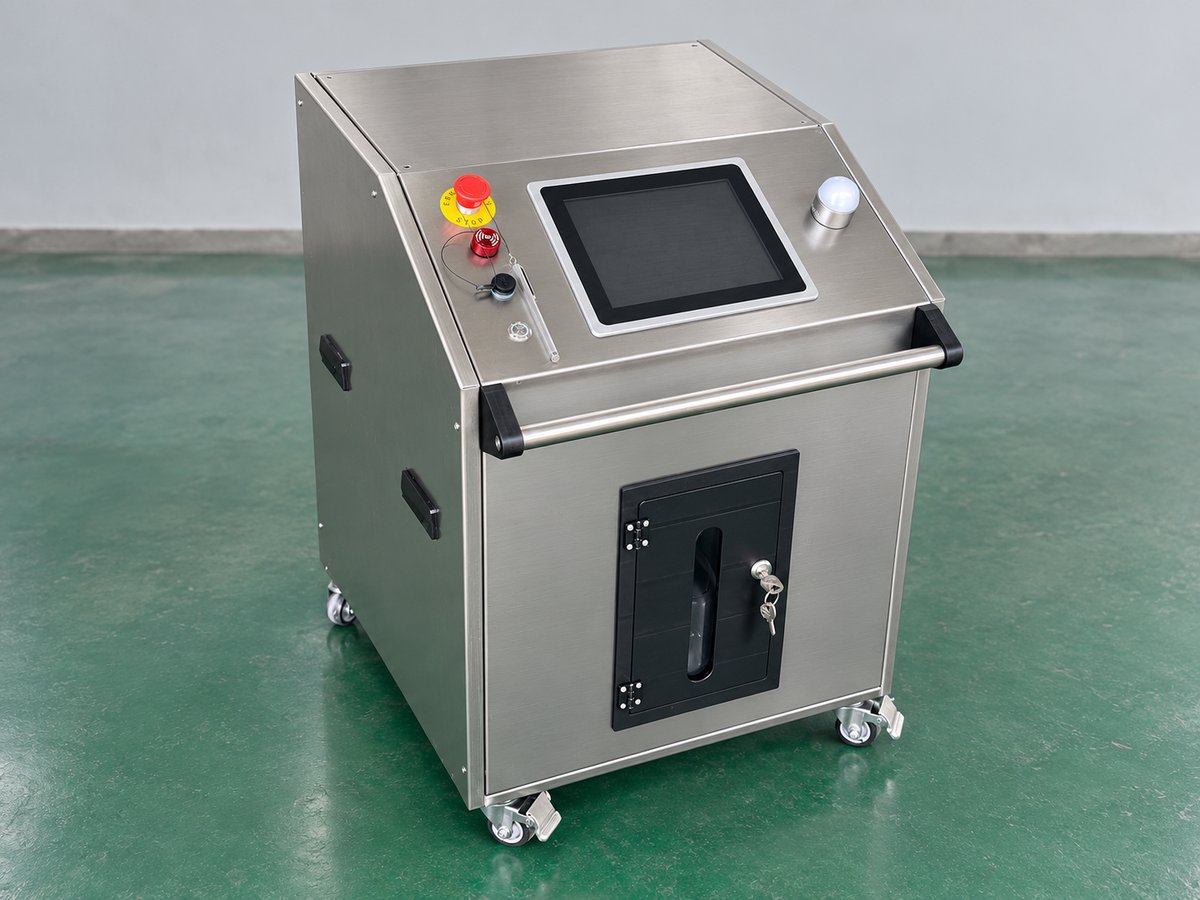
Overview
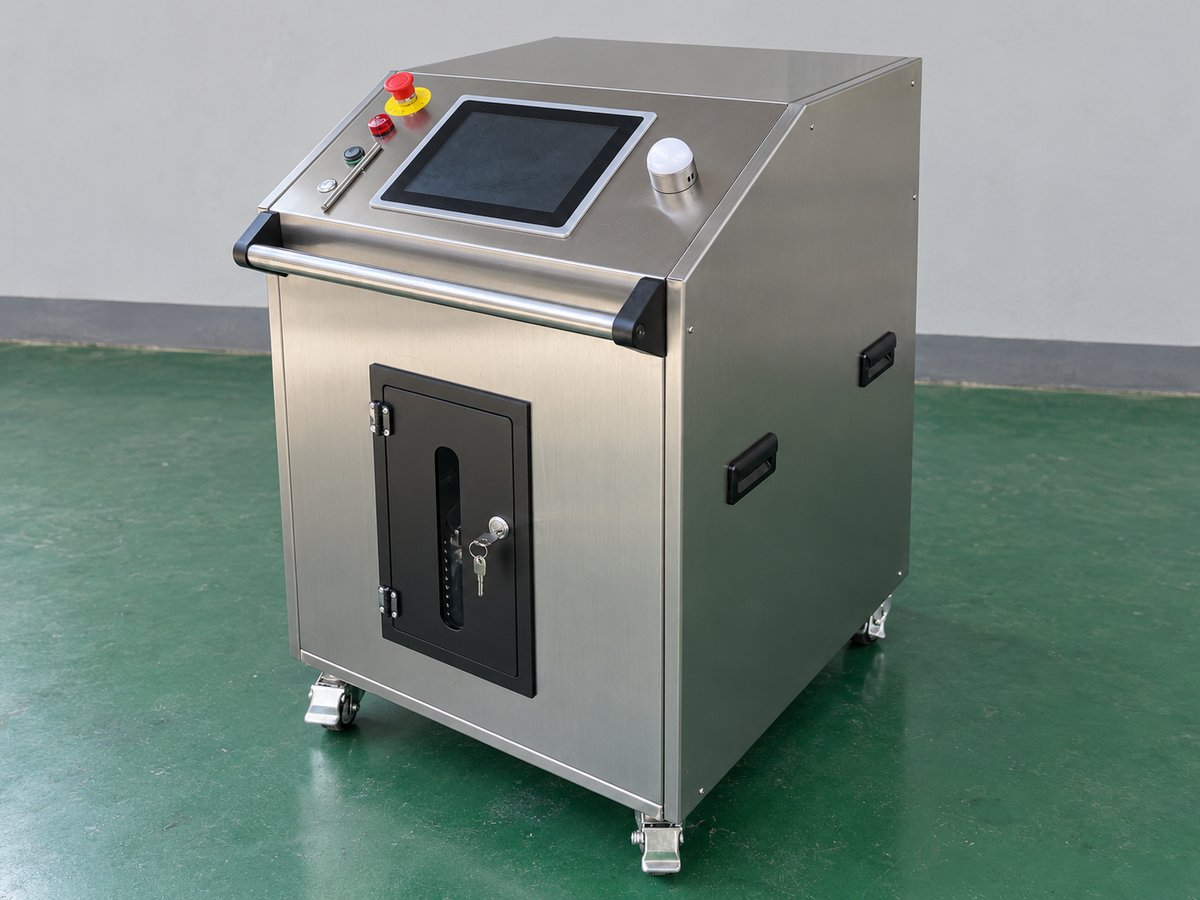
The Recirculating VHP Generator is a mobile system for the biodecontamination of enclosed equipment using vaporized hydrogen peroxide, and is being increasingly adopted for decontamination in aseptic pharmaceutical facilities. This generator uses flash-vaporization technology to rapidly heat and vaporize a 30–35% hydrogen peroxide solution into VHP vapor, which oxidizes cellular components such as lipids, proteins and DNA; at room temperature, VHP vapor is effective against a broad range of bacteria, fungi and viruses. It is mainly used for interior biodecontamination of biosafety cabinets, lyophilizers, centrifuges, fermenters, tunnel ovens and similar equipment, and is simple to operate and easy to move.
Biodecontamination Process
- Preparation and pre-treatment — tubing connection and leak check: the generator's outlet tubing is connected to the supply and return ports of the target equipment, forming a closed recirculation loop; environmental conditioning: tubing and target chamber temperature/humidity are controlled (typically 15–30°C, ≤30% RH) to limit premature condensation of VHP vapor
- Biodecontamination phase (core recirculation) — generation and injection: the generator flash-vaporizes liquid hydrogen peroxide (typically 35% concentration); tubing recirculation and diffusion: VHP vapor is injected via tubing into the enclosed space (such as a lyophilizer chamber, HVAC supply duct or isolator) while a blower draws the vapor back to form an internal recirculation loop; concentration hold: recirculation continues until the VHP concentration in the chamber reaches and stabilizes at the target level (e.g. ≥200 ppm)
- Aeration and breakdown phase — once the cycle time has elapsed, VHP injection stops; catalytic decomposition: VHP vapor is broken down into water and oxygen by the equipment's built-in catalytic decomposer, recirculating until the VHP concentration in the chamber drops toward the target level (e.g. below 1 ppm)
Key Features
- Compact, attractive design; easy to move
- Dry-cycle process designed to limit condensation under controlled operating conditions
- Short cycle time
- Low-temperature process (4–80°C)
- Hydrogen peroxide decomposes into water and oxygen; no toxic breakdown products
- Low hydrogen peroxide consumption, approximately 5–10 g/m³
- Cycle performance can be confirmed through biological indicator (BI) validation
- Fully automated cycle, no manual intervention required
Technical Specifications
| External dimensions (L×W×H) | 600×600×1,100 mm | Cycle temperature | 25–35°C |
|---|---|---|---|
| Space humidity | <50% | Full cycle time | <180 min |
| Aeration time | ≤2.5 h | VHP concentration | 300–700 ppm |
| Residual VHP after aeration | ≤1 ppm | Exterior / piping material | SUS316L / SUS316L |
| Noise level | ≤75 dB(A) | Sporicidal efficacy | ≥6-log reduction (subject to validation) |
| Power supply | 220 V AC / 50 Hz, 3.5 kW | Sterilant | 35% food-grade hydrogen peroxide solution |
Applications
Request a datasheet or quotation
Tell us your treatment volume and process requirements, and our engineers will recommend the right configuration.
Contact Our Team