








How Hydrogen Peroxide Kills Microorganisms: The Oxidation Mechanism Behind VHP
Vaporized hydrogen peroxide (VHP) is used to decontaminate isolators, cleanrooms and laboratories because it kills a very wide range of microorganisms, including bacterial spores, and then breaks down into water and oxygen. Understanding how it kills helps explain why cycles are designed the way they are: why concentration and contact time matter, why rooms are cleaned first, why condensation is controlled, and why spores are used to prove that a cycle works.
The short answer
Hydrogen peroxide kills microorganisms by oxidation. It and the reactive species formed from it, mainly hydroxyl radicals, remove electrons from membrane lipids, proteins and DNA. Once enough of these structures are damaged, the cell can no longer function or multiply. Because it attacks many targets at once, microorganisms do not develop specific resistance to it the way they can to an antibiotic.
The chemistry
Hydrogen peroxide (H2O2) is an oxidizer. On its own it reacts with some cell components directly, but much of its damage comes from what it produces inside the cell. Cells contain small amounts of free iron and copper. These metals react with hydrogen peroxide in the Fenton reaction:
Fe2+ + H2O2 → Fe3+ + OH− + •OH
The hydroxyl radical (•OH) is one of the most reactive chemical species known. It lasts only a tiny fraction of a second and reacts with almost anything next to it. Because the radicals form near metal ions that are bound to DNA and proteins, they do their damage right where it matters most.
What gets damaged
| Target | What happens | Result for the cell |
|---|---|---|
| Membrane lipids | Lipid peroxidation: unsaturated fatty acids are oxidized in a chain reaction. | The membrane leaks and loses control of what enters and leaves the cell. |
| Proteins and enzymes | Sulfur-containing amino acids (cysteine thiol groups, methionine) are oxidized; proteins unfold or cross-link. | Enzymes stop working; transport and energy production fail. |
| DNA and RNA | Bases are oxidized and strands break. | The cell cannot copy its genes or repair itself. |
| Viral capsids and envelopes | Capsid proteins and lipid envelopes are oxidized. | The virus can no longer attach to or enter host cells. |
| Spore coat and germination proteins | The protective coat is damaged and the proteins needed to germinate are inactivated. | The spore cannot return to a growing cell. |
Why spores are the hardest to kill
Bacterial spores are dormant forms built to survive. Several features slow hydrogen peroxide down:
- A thick, multi-layer spore coat that reacts with and absorbs oxidizers before they reach the core.
- A low water content in the core, which limits chemical reactions inside it.
- Small acid-soluble proteins (SASPs) that bind and protect the DNA.
- A large store of dipicolinic acid bound to calcium, which stabilizes the core.
Because spores are the most resistant organisms that VHP is expected to kill, they are used to prove a cycle. Spores of Geobacillus stearothermophilus are the usual biological indicator for VHP. If a cycle kills a population of 106 of these spores at the worst-case locations, it is expected to kill less resistant organisms there too. See how a VHP cycle is validated with biological indicators.
General order of resistance
Disinfection literature ranks microorganisms by how hard they are to inactivate with chemical agents. A simplified order, from most to least resistant:
| Group | Examples | Why |
|---|---|---|
| Bacterial spores | Geobacillus, Bacillus, Clostridioides | Coat, dry core, protected DNA |
| Mycobacteria | Mycobacterium species | Waxy, lipid-rich cell wall |
| Non-enveloped viruses | Norovirus, adenovirus | Robust protein capsid, no lipid layer |
| Fungi | Molds and their spores, yeasts | Thick cell walls; mold spores are tough |
| Vegetative bacteria | Staphylococcus, E. coli | Actively growing, less protected |
| Enveloped viruses | Influenza, coronaviruses | Fragile lipid envelope |
Prions are outside the scope of standard VHP decontamination claims and need separate assessment.
Catalase, soil and biofilm
Many bacteria produce catalase and peroxidase, enzymes that break hydrogen peroxide down to protect the cell from the small amounts produced by normal metabolism. At the concentrations used for decontamination, these defenses are overwhelmed. They still matter where organisms are present in large numbers or protected:
- Organic soil such as protein, blood or culture media reacts with hydrogen peroxide and uses it up before it reaches the organisms.
- Biofilms combine high cell numbers, catalase activity and a protective matrix.
This is why VHP is applied to cleaned surfaces. It is a final decontamination step, not a replacement for cleaning.
Vapor or liquid: where the kill happens
In a VHP cycle the hydrogen peroxide arrives as a vapor. Research suggests that much of the killing happens at the surface, where hydrogen peroxide molecules adsorb and form an extremely thin, often invisible layer of concentrated hydrogen peroxide. That is where the oxidation reactions take place.
Visible condensation is a different matter. Large wet areas make the distribution uneven, can damage materials and slow aeration. Cycle design therefore aims for enough concentration at the surfaces without uncontrolled condensation. For the details, see VHP concentration, humidity and condensation.
What controls the kill rate
| Factor | Effect | How a cycle handles it |
|---|---|---|
| Concentration | Higher concentration at the surface means faster oxidation. | Injection rate and monitoring with a hydrogen peroxide sensor. |
| Contact time | Kill accumulates with time at concentration. | A defined exposure (dwell) phase. |
| Humidity | Water vapor competes with hydrogen peroxide and shifts the condensation point. | Dehumidification before injection. |
| Temperature | Affects how much vapor the air can hold and where it condenses; cold spots condense first. | Stable room or enclosure temperature. |
| Surface condition | Soil and biofilm consume hydrogen peroxide and shield organisms. | Cleaning before decontamination. |
| Materials and load | Some materials absorb or decompose hydrogen peroxide. | Load patterns tested during cycle development. |
The time needed to reduce a spore population by 90% under defined conditions is the D-value. Biological indicator suppliers state it for their indicators, and cycle developers use it to judge the margin of a cycle.
After the kill: water and oxygen
Hydrogen peroxide decomposes into water and oxygen:
2 H2O2 → 2 H2O + O2
During aeration, the vapor is removed by fresh air or passed over a catalyst that speeds up this breakdown. Nothing toxic is left on surfaces, which is one of the main reasons VHP replaced formaldehyde in many facilities. People can re-enter only when the concentration has been measured below the occupational exposure limit, for example 1 ppm as an 8-hour average under OSHA in the US. For how generators handle each phase, see how a VHP generator works.
What this means for cycle design
- Clean first. Soil and residues use up hydrogen peroxide and protect organisms.
- Dry the air. Dehumidification leaves room for hydrogen peroxide vapor before condensation starts.
- Measure, don’t assume. Concentration at the surface and time at that concentration decide the outcome.
- Prove it with spores. Biological indicators at worst-case locations show whether the cycle works in your space.
- Aerate to a measured end point. Re-entry is based on a reading, not on elapsed time.
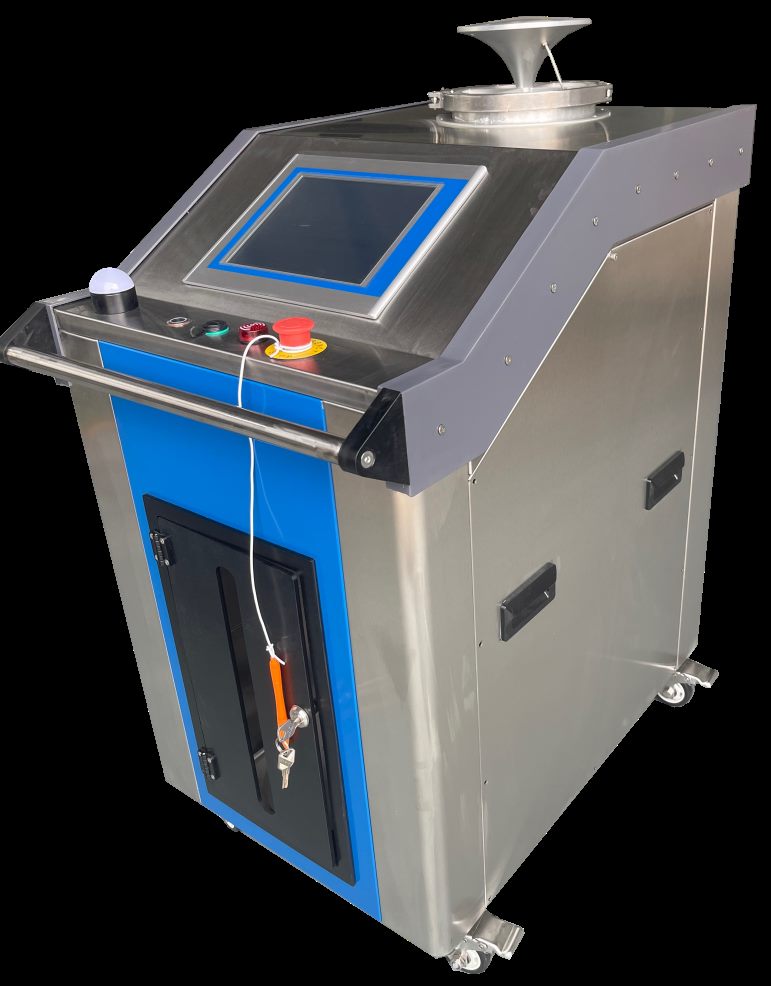
Fenggu VHP equipment
Fenggu manufactures mobile VHP room sterilizers, HVAC-integrated VHP systems, recirculating and pulsed-vacuum VHP generators, VHP pass boxes and airlocks. The systems are designed for a 6-log reduction of bacterial spores, with actual efficacy established by the validation protocol and report for each project.
All VHP equipment: VHP sterilizers and generators.
FAQ
Can microorganisms become resistant to hydrogen peroxide?
Some organisms tolerate it better than others, for example through catalase or biofilm. Because it damages many cell structures at once, specific acquired resistance of the kind seen with antibiotics is not a practical concern at decontamination concentrations.
Why are spores used to validate VHP cycles?
They are among the most resistant organisms to hydrogen peroxide. If a cycle kills 106 Geobacillus stearothermophilus spores at the worst-case locations, it is expected to kill less resistant organisms there too.
Is vapor more effective than liquid hydrogen peroxide?
Vapor reaches surfaces more evenly, including shadowed areas, and leaves less moisture. Efficacy in both cases depends on concentration and contact time at the surface.
Does VHP leave a residue?
Hydrogen peroxide decomposes into water and oxygen. After aeration, the concentration is measured to confirm it is below the exposure limit before re-entry.
Does hydrogen peroxide kill viruses?
Yes, both enveloped and non-enveloped viruses, by oxidizing their envelopes and capsid proteins. Non-enveloped viruses are more resistant than enveloped ones.
References
- McDonnell G, Russell AD. Antiseptics and disinfectants: activity, action, and resistance. Clinical Microbiology Reviews. 1999;12(1):147–179.
- Linley E, Denyer SP, McDonnell G, Simons C, Maillard JY. Use of hydrogen peroxide as a biocide: new consideration of its mechanisms of biocidal action. Journal of Antimicrobial Chemotherapy. 2012;67(7):1589–1596.
- Setlow P. Spores of Bacillus subtilis: their resistance to and killing by radiation, heat and chemicals. Journal of Applied Microbiology. 2006;101(3):514–525.
- ISO 11138-1:2017, Sterilization of health care products — Biological indicators — Part 1: General requirements
- USP <1229.11> Vapor Phase Sterilization
Related Products
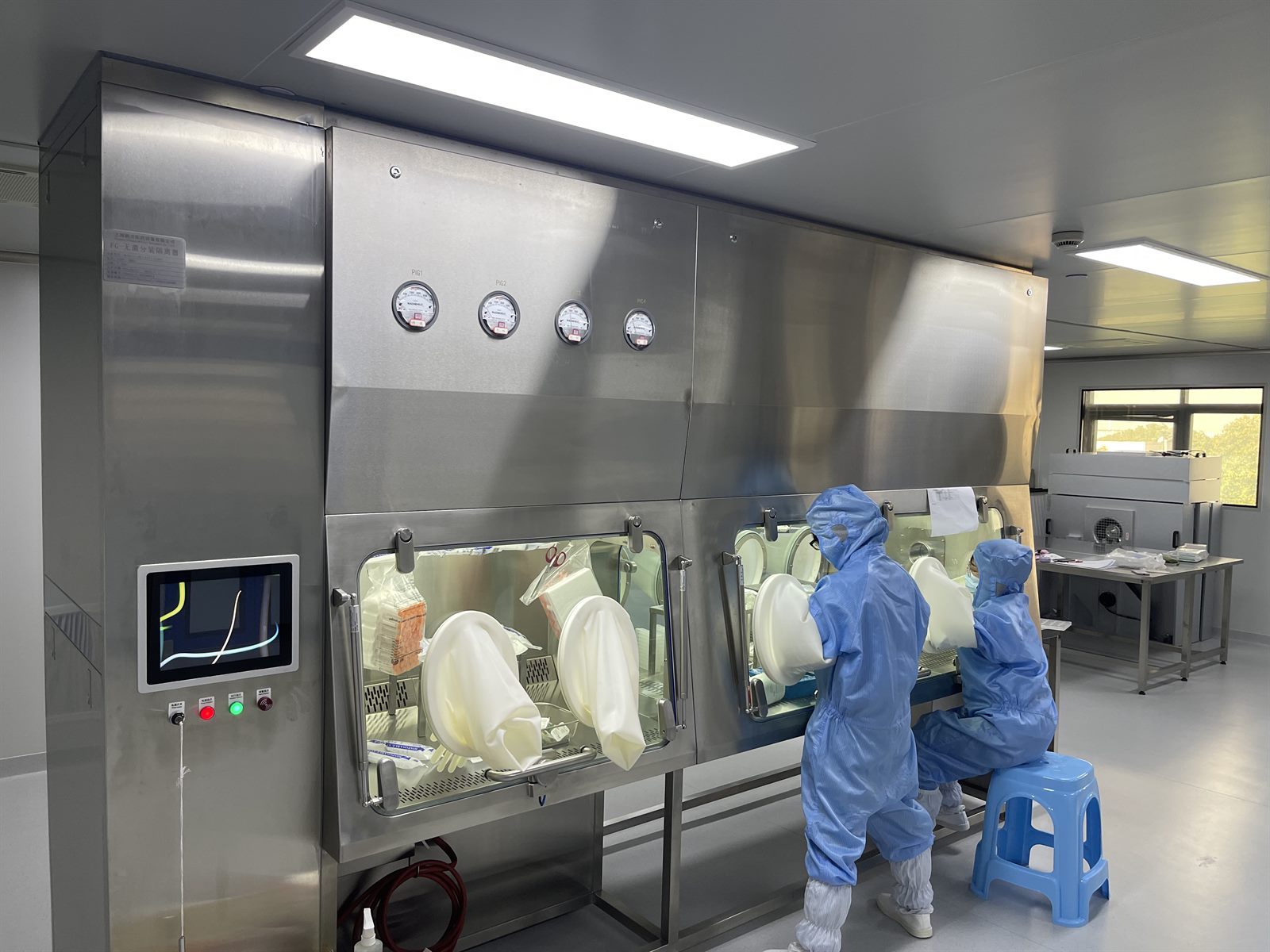 Aseptic Filling IsolatorGrade A (ISO 5) barrier for sterile filling, stoppering and capping.Isolators & Barrier
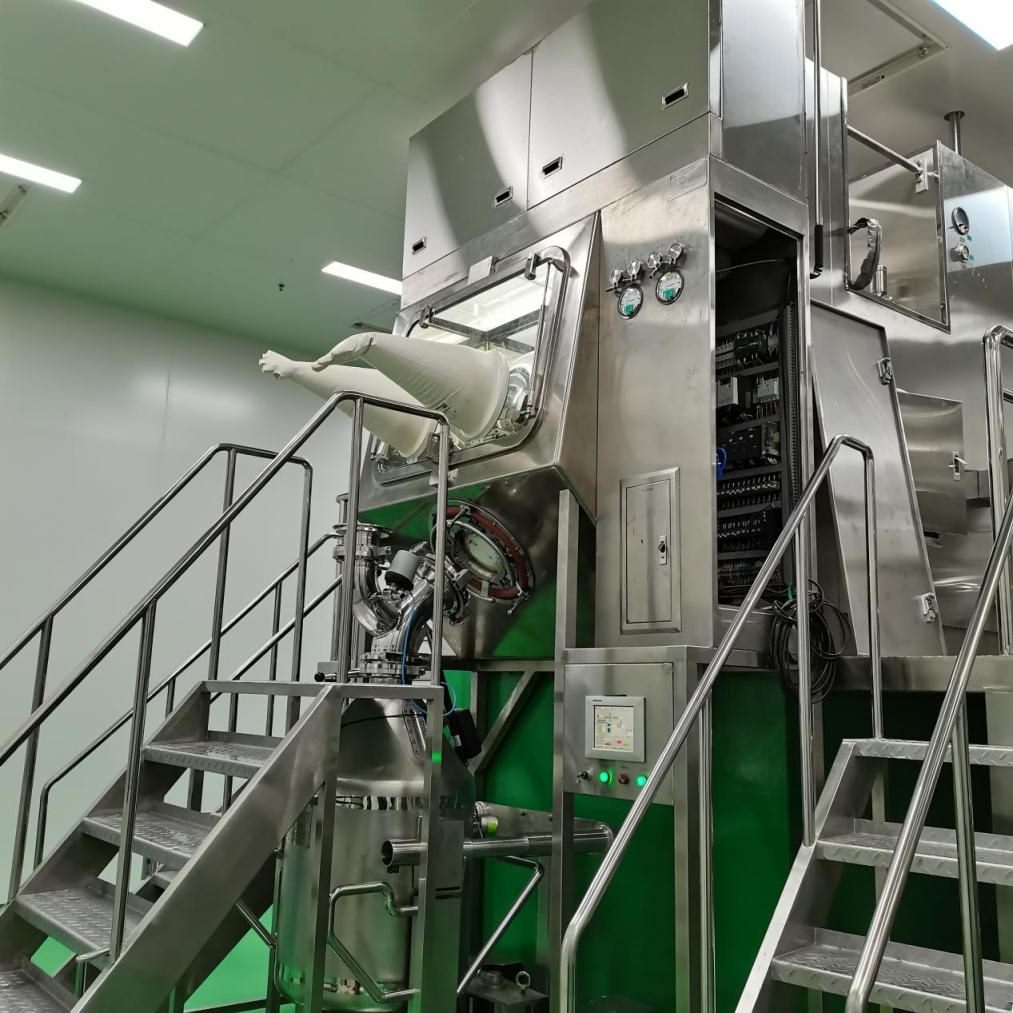 Dispensing & Containment Isolator (OEB5)Negative-pressure barrier for weighing, charging and sampling HPAPI.Isolators & Barrier
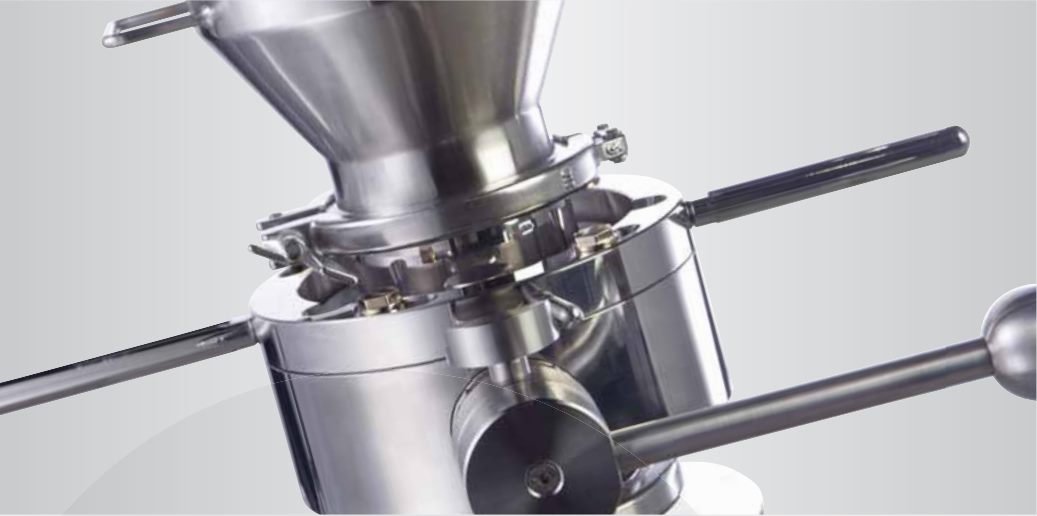 Alpha-Beta Split Butterfly ValveSplit butterfly valve for contained, dust-free transfer of potent powders.Transfer & Containment
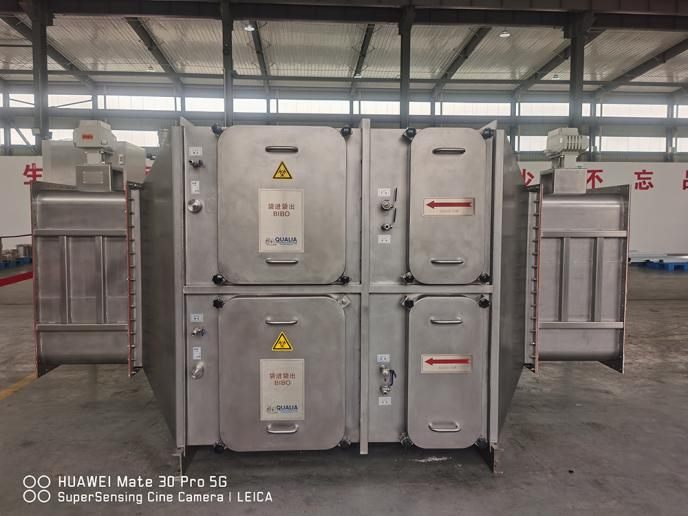 BIBO Filter HousingBag-in/bag-out HEPA housing for safe filter change in P3/P4 labs.Air Handling
Designing a VHP cycle for your facility?
Tell us the volumes, materials and validation requirements. Our engineers will recommend the right equipment and cycle approach.