








FG-VHP-G
Pulsed-Vacuum VHP Generator
Combines vaporized hydrogen peroxide (VHP) technology with pulsed-vacuum pressure control, cycling evacuation and pressure restoration to help drive VHP vapor into difficult-to-reach internal areas of complex equipment such as lyophilizers and fermenters without SIP capability.
Request a Quote All Products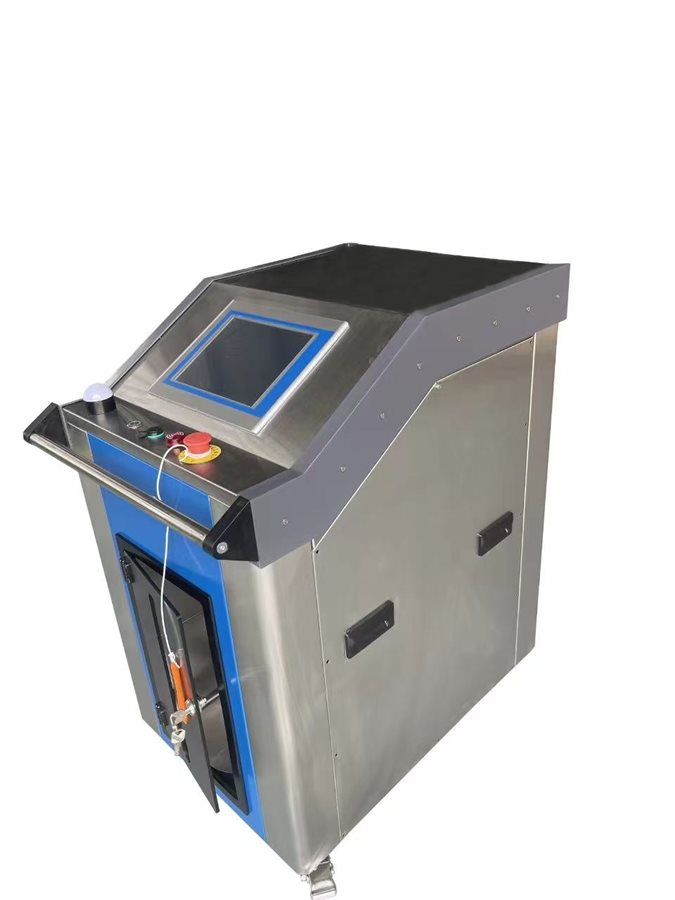
Overview
The Pulsed-Vacuum VHP Generator combines vaporized hydrogen peroxide (VHP) with repeated evacuation and pressure restoration to treat complex equipment interiors, including lyophilizers, fermenters and other equipment without sterilization-in-place (SIP) capability. Cyclic changes in chamber pressure help distribute hydrogen peroxide vapor into recessed areas and complex internal passages. Flash vaporization converts a 30–35% hydrogen peroxide solution into vapor; its oxidative action damages microbial cellular components, including proteins and DNA, providing broad-spectrum antimicrobial activity at ambient temperature. The unit is intended for internal treatment of lyophilizers, fermenters and other complex equipment without SIP capability, and its mobile design supports straightforward operation and positioning.
Biodecontamination Process
- Preparation and vacuum pulsing — evacuate the target chamber, then introduce VHP through the sterile-filtered supply path to partially restore pressure; repeat evacuation and pressure restoration to drive vapor into the chamber, connected piping and areas with limited airflow
- Injection and vaporization — reduced pressure lowers the liquid boiling point, allowing rapid vaporization at ambient temperature or with mild heating
- Distribution and biodecontamination — vacuum and pressure pulses help distribute VHP into recessed areas and across exposed surfaces; oxidative action damages microbial membranes, proteins and DNA
- Aeration and drying — after treatment, evacuate the chamber and introduce sterile air; repeat the evacuation and pressure-restoration sequence to remove residual hydrogen peroxide
Key Features
- Compact enclosure; stainless-steel piping can connect the generator to the equipment being treated
- Dry VHP biodecontamination process
- Short treatment cycles with broad-spectrum microbial inactivation
- Low-temperature process, with a stated temperature range of 4–80°C
- Hydrogen peroxide breaks down into water and oxygen without toxic decomposition products
- Low hydrogen peroxide consumption, approximately 5–10 g/m³
- Cycle efficacy can be verified using biological indicators
- Automatic treatment cycle after setup and loading
Technical Specifications
| External dimensions (L×W×H) | 600×600×1,000 mm | Cycle temperature | 25–35°C |
|---|---|---|---|
| Cycle humidity | 50–60% | Full cycle time | To be confirmed for the approved cycle |
| Treatment time | To be confirmed for the approved cycle | VHP concentration | 150–200 ppm |
| Residual VHP after aeration | ≤1 ppm | Exterior / piping material | SUS304 / SUS316L |
| Noise level | ≤50 dB(A) | Sporicidal efficacy | ≥6-log reduction (subject to validation) |
| Power supply | 220 V AC / 50 Hz | Sterilant | 35% food-grade hydrogen peroxide solution |
Applications
Request a datasheet or quotation
Tell us your treatment volume and process requirements, and our engineers will recommend the right configuration.
Contact Our Team