








Contained Weighing & Dispensing of Potent APIs
Dispensing a defined quantity of material into batch containers — or straight into the process equipment — is usually the first stage of a pharmaceutical process. It is also, when a potent compound is involved, one of the highest-exposure steps. This guide covers how weighing and dispensing is contained, and how to choose the right enclosure. If you are new to potency banding, start with ОБЭ и ОЭЛ: пояснения.
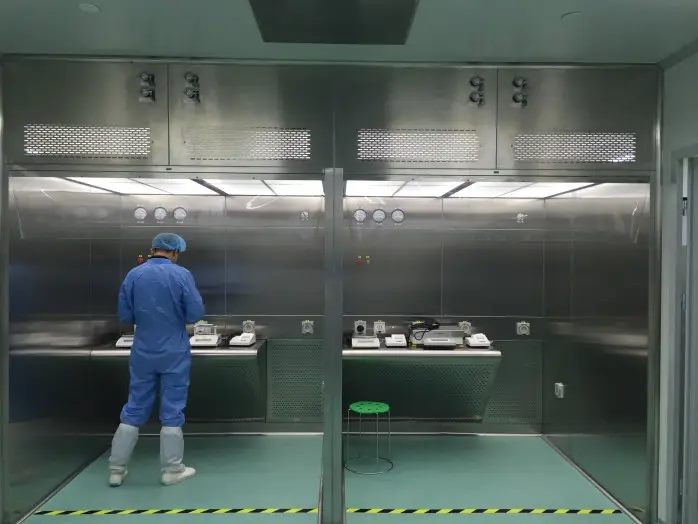
What weighing & dispensing involves
The activity covers sampling and weighing from drums or containers to ensure a defined quantity of material is charged before processing. It may also include pre-treatment such as breaking up or removing agglomerates (by sieving and milling), plus further sampling for identity and purity checks and in-process quality control (QC). When potent substances are present, all of these tasks typically carry a significant exposure risk — and most potent-compound dispensing is still done manually.
Contained weighing approaches
A weighing system is normally built into a barrier isolator. Automated dosing is possible by fitting load cells in the feed system and integrating them into a bulk hopper, but this usually suits only dedicated-product facilities, because cleaning requirements and variable material-flow properties affect the feed-system control parameters. Charging bulk material from drums into a hopper and then transferring it by gravity or vacuum is normally carried out within a closed system.
Central vs point-of-use dispensing
Dispensing can be centralised (away from the process equipment) or done directly at the equipment charge point. In practice the point-of-use option is rarely adopted, because of the effect on access to the production area, cycle time and equipment utilisation. The drawback of centralised weighing is that material must be stored temporarily in suitable intermediate containers — adding handling steps, cost and storage space. It should also be clear whether the dispensing into intermediate containers is intended for immediate production or is re-packaging for extended storage, which may require a storage-stability (shelf-life) check.
Points to consider
- The form and potency of the material being transferred.
- Details of the weighing / holding container.
- Potential contamination on the outer surface of the container or bag.
- The weight and volume to be weighed, and the tools used.
- Requirements for the tools that open and close containers or liner bags.
- Environmental requirements.
- Waste-handling requirements.
- Cleaning method — is CIP feasible?
Potent compounds mean isolator protection
For potent materials, weighing and dispensing must be carried out under isolator protection. Whether to use a rigid or a flexible isolator should follow the specific application and an overall risk assessment. For open, downflow handling, the Кабинка для взвешивания и дозирования controls dust under Grade A protection; for full containment of high-potency (OEB5) material, use the Изолятор для дозирования и удержания (OEB5). Once weighed, material is charged to the reactor — see Зарядка содержащегося реактора.
Сопутствующие товары
Кабинка для взвешивания и дозированияКонструкция с отрицательным давлением для взвешивания с контролируемым уровнем пыли.Вентиляционная система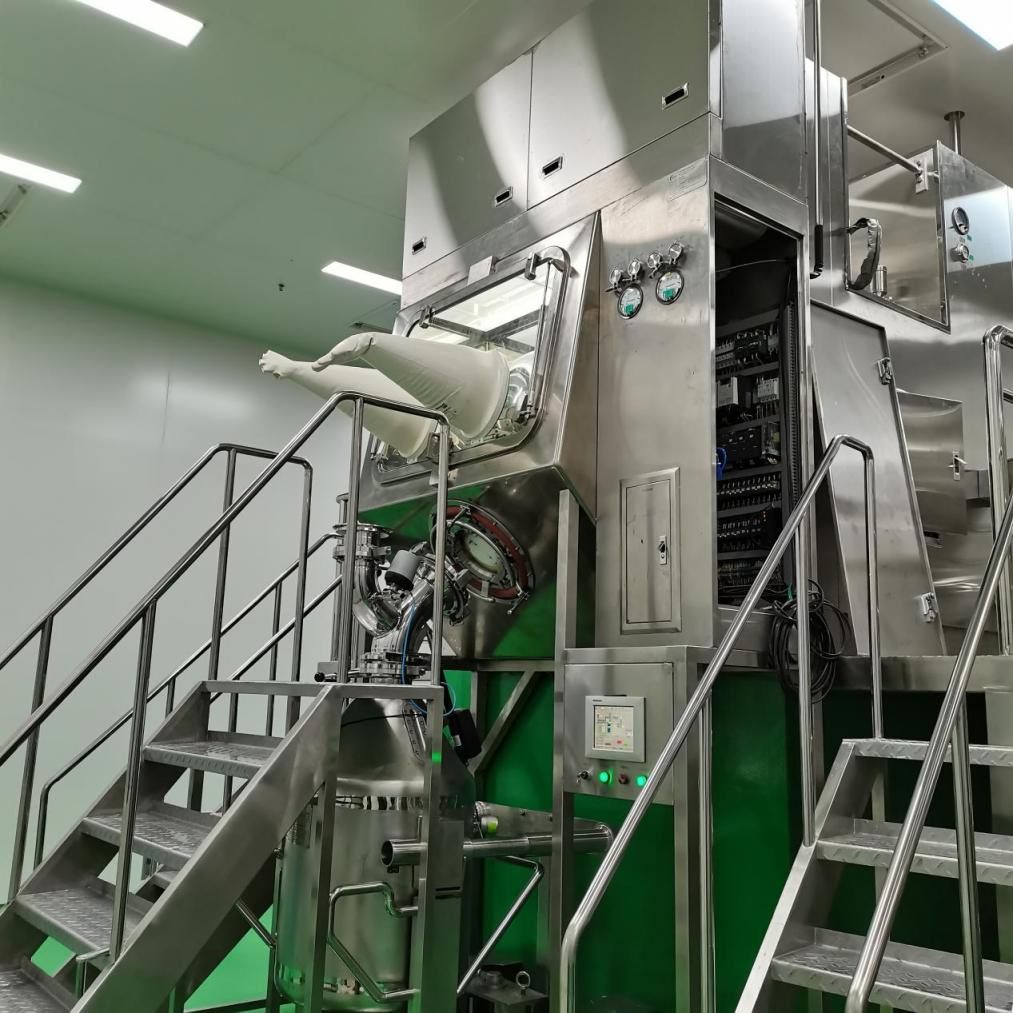 Изолятор для дозирования и удержания (OEB5)Барьер с отрицательным давлением для взвешивания, розлива и отбора проб высокоактивных фармацевтических ингредиентов (HPAPI).Изоляторы и барьеры
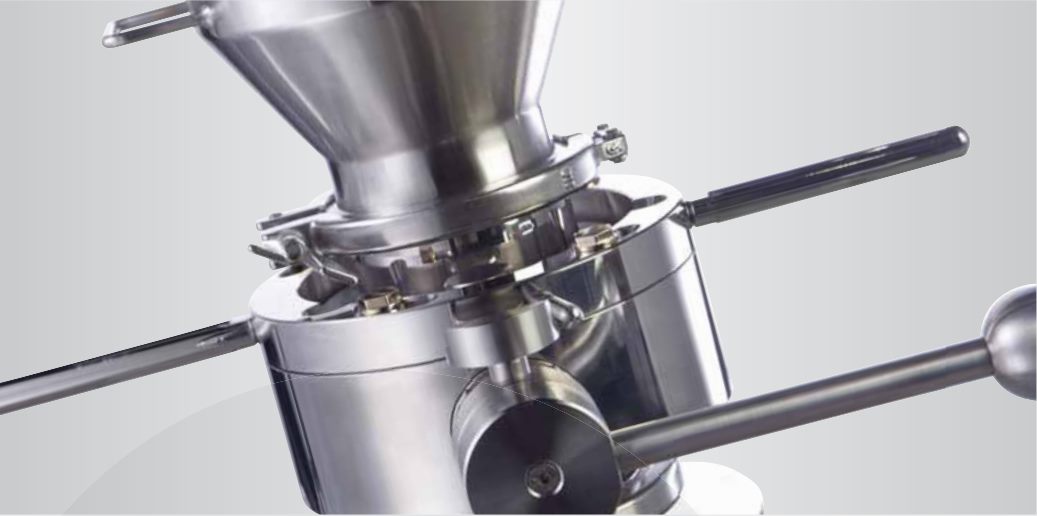 Двухпозиционный клапан типа «бабочка» с альфа-бета-разделениемРазделительный клапан для безопасного и без пыли перекачки мощных порошков.Перемещение и локализация
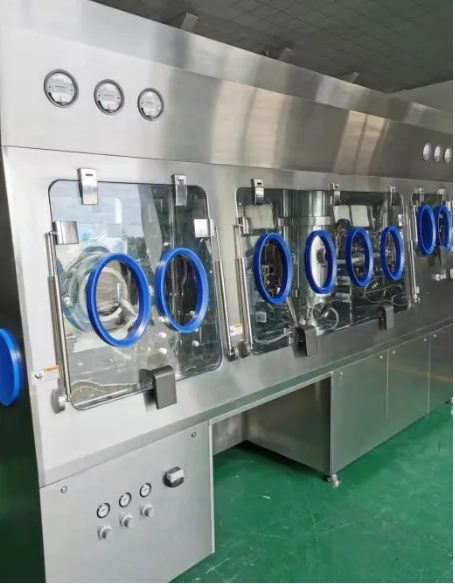 Изолятор с отрицательным давлениемЗащитная оболочка OEB5 с контролируемым отрицательным давлением.Изоляторы и барьеры
Containing a weighing & dispensing step?
Tell us your compound’s OEB band, batch size and container format, and our engineers will specify the booth or isolator, extraction and cleaning that fit your containment strategy.
Просмотреть изоляторы для помещений с ограниченным доступом
Поговорите с инженером