








Moist Heat vs Dry Heat vs VHP Sterilization: A Practical Comparison
Not every load can go in an autoclave. The three sterilization methods most used in pharmaceutical manufacturing — moist-heat (steam) sterilization, dry-heat sterilization, и VHP (vaporized hydrogen peroxide) biodecontamination — kill microorganisms by completely different mechanisms, and each wins on a different kind of load. This guide compares how each works, where it excels, where it fails, and how to choose the right method for a given item, surface or enclosure.
The three methods, defined
All three are recognised sterilization (or biodecontamination) processes, but they sit under different standards and target different loads:
- Moist-heat / steam sterilization — saturated steam under pressure, typically 121 °C for 15 min or 134 °C for ~3 min. Governed by ISO 17665 и USP <1229.1>; EU GMP Annex 1 treats terminal moist heat as the reference, most-robust method where the product can take it.
- Dry-heat sterilization — hot air, typically 160 °C/120 min, 170 °C/60 min or 180 °C/30 min, и ≥250 °C for depyrogenation. Governed by ISO 20857 и USP <1229.8>.
- Биодезинфекция VHP — vaporised hydrogen peroxide at 30–40 °C in a sealed chamber or room, run as a four-phase cycle. Described in USP <1229.11> (vapor-phase); in practice it is a low-temperature surface process. See Что такое дезактивация VHP.
Moist-heat (steam) sterilization
How it works. Saturated steam releases its latent heat on contact with a cooler surface, delivering both heat and moisture. The moisture drives irreversible hydrolysis and coagulation of proteins and enzymes, which is far more efficient than dry heat at the same temperature. Lethality is quantified as F0, and cycles are validated with the biological indicator Гелабиостас стеаротермофилус.
Сильные стороны
- Fast, reliable and the most robust method — the default choice whenever the load can withstand heat and moisture.
- Good penetration of porous loads, wrapped instruments and liquids in vented containers.
- No toxic residue; well-understood, cheap to run.
Limitations
- Ruled out for heat- or moisture-sensitive materials (many plastics, electronics, optics).
- Steam cannot penetrate anhydrous materials, so oils, powders and greases are not sterilised effectively.
- Leaves condensate — loads need a drying step; can corrode some metals over time.
- Does not remove pyrogens (bacterial endotoxin).
Dry-heat sterilization
How it works. Hot air kills by oxidation of cellular constituents (with protein denaturation at high temperature). Because there is no moisture to help, dry heat needs higher temperatures and longer times than steam. Its defining advantage is depyrogenation: at ≥250 °C it destroys bacterial endotoxin (a ≥3-log reduction), which neither steam nor VHP can do. Cycles are validated with Bacillus atrophaeus.
Сильные стороны
- The right method for anhydrous, heat-stable loads — oils, powders, petrolatum, glassware and metal instruments.
- Uniquely capable of depyrogenation of glass and equipment for aseptic filling.
- No moisture, no condensate, no liquid residue; simple to validate.
Limitations
- High temperatures and long cycles — high energy use, slow throughput.
- Unsuitable for heat-sensitive materials and most plastics.
- Heat distribution is harder to make uniform than saturated steam.
VHP (vaporized hydrogen peroxide) biodecontamination
How it works. Vaporised hydrogen peroxide generates reactive hydroxyl radicals that oxidise lipids, proteins and nucleic acids. It runs cold (30–40 °C) as a four-phase cycle — dehumidification/conditioning → gassing → dwell (sterilization) → aeration — and a validated cycle achieves a Снижение на 6 логарифмов of Гелабиостас стеаротермофилус spores. Crucially, the residue decomposes to water and oxygen, leaving nothing toxic behind. See Как подтверждается цикл VHP.
Сильные стороны
- Low temperature — the go-to method for heat-sensitive items, electronics and finished cleanrooms.
- No residue — breaks down to water and oxygen; broad material compatibility.
- The only practical way to “sterilise” sealed spaces — isolators, RABS, pass boxes and whole rooms — which cannot be put in an autoclave.
Limitations
- A surface process — limited penetration into wrapped, lumened or occluded items; it is not a terminal sterilization method for sealed product.
- Needs a sealed, controlled enclosure and tight humidity control.
- Cellulose and porous materials absorb H₂O₂, extending the aeration phase; not used for liquids in closed containers.
- Does not depyrogenate.
Side-by-side comparison
| Moist heat (steam) | Dry heat | VHP | |
|---|---|---|---|
| Typical conditions | 121 °C/15 min or 134 °C/~3 min, saturated steam | 160–180 °C for 0.5–2 h; ≥250 °C to depyrogenate | 30–40 °C, four-phase cycle |
| Kill mechanism | Hydrolysis & coagulation of proteins | Oxidation at high temperature | Hydroxyl-radical oxidation |
| Лучше всего для | Heat- & moisture-stable loads: liquids, media, wrapped instruments | Anhydrous, heat-stable: oils, powders, glass, metal | Heat-sensitive items, surfaces, sealed enclosures & rooms |
| Penetration | Strong (porous / wrapped loads) | Strong (conduction) | Surface-only, limited |
| Остаток | Condensate — needs drying | None | None (water + oxygen) |
| Depyrogenation | Нет | Yes (≥250 °C) | Нет |
| Biological indicator | G. stearothermophilus | B. atrophaeus | G. stearothermophilus |
| Key standard | ISO 17665 / USP <1229.1> | ISO 20857 / USP <1229.8> | USP <1229.11> / EU GMP Annex 1 |
Как выбрать
The methods are complementary, not competing — a real facility uses all three:
- Can the load take heat and moisture? Use moist heat — it is the reference method, and Annex 1 favours terminal moist-heat sterilization wherever possible.
- Is it anhydrous, or does it need depyrogenation (glass vials, oils, powders)? Use dry heat — the only one of the three that destroys endotoxin.
- Is it heat-sensitive, a surface, or a sealed space (an isolator, RABS, pass box or a whole cleanroom)? Use VHP — it is the only method that can biodecontaminate an enclosure you cannot heat. See Как выбрать фармацевтический изолятор и Приложение 1 к GMP ЕС.
Часто задаваемые вопросы
Is VHP a true sterilization method?
A validated VHP cycle achieves a 6-log spore reduction, so it meets the sporicidal bar. But it is a surface process for enclosures and items, not a terminal sterilization of sealed product — which is why the industry often calls it “biodecontamination”. See Водяной раствор по сравнению с аэрозольным раствором перекиси водорода.
Autoclave or VHP for my load?
If the item tolerates steam and fits in the chamber, autoclave it — it is faster and more robust. Reach for VHP when the item is heat-sensitive, or when you need to decontaminate a space (isolator, pass box, room) that can’t be autoclaved.
Which method removes pyrogens?
Only dry heat, at ≥250 °C. Neither steam nor VHP depyrogenates.
Сопутствующие товары
Система VHP с интегрированным оборудованием для отопления, вентиляции и кондиционирования воздухаКомпания VHP совместно с существующими поставщиками систем кондиционирования воздуха проведет очистку комнат и воздуховодов.Стерилизация VHP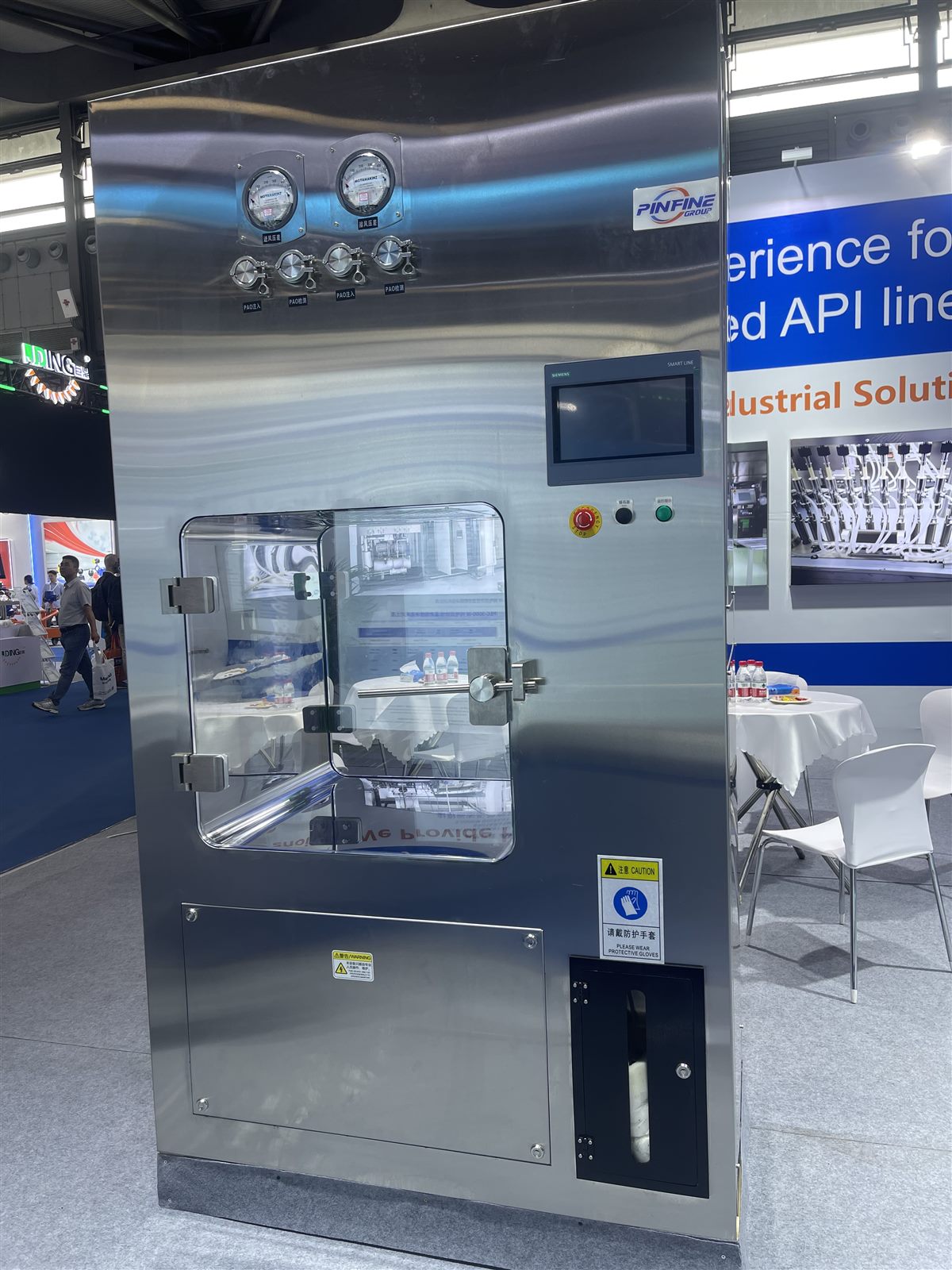 Передаточный бокс VHPСтенная переносная камера с интегрированным циклом VHP.Перемещение и локализацияСтерилизация в воздушном шлюзе VHPИнтегрирует VHP в буферный клапан/затвор для обезвреживания материала, поступающего в клапан класса A/B.Стерилизация VHP
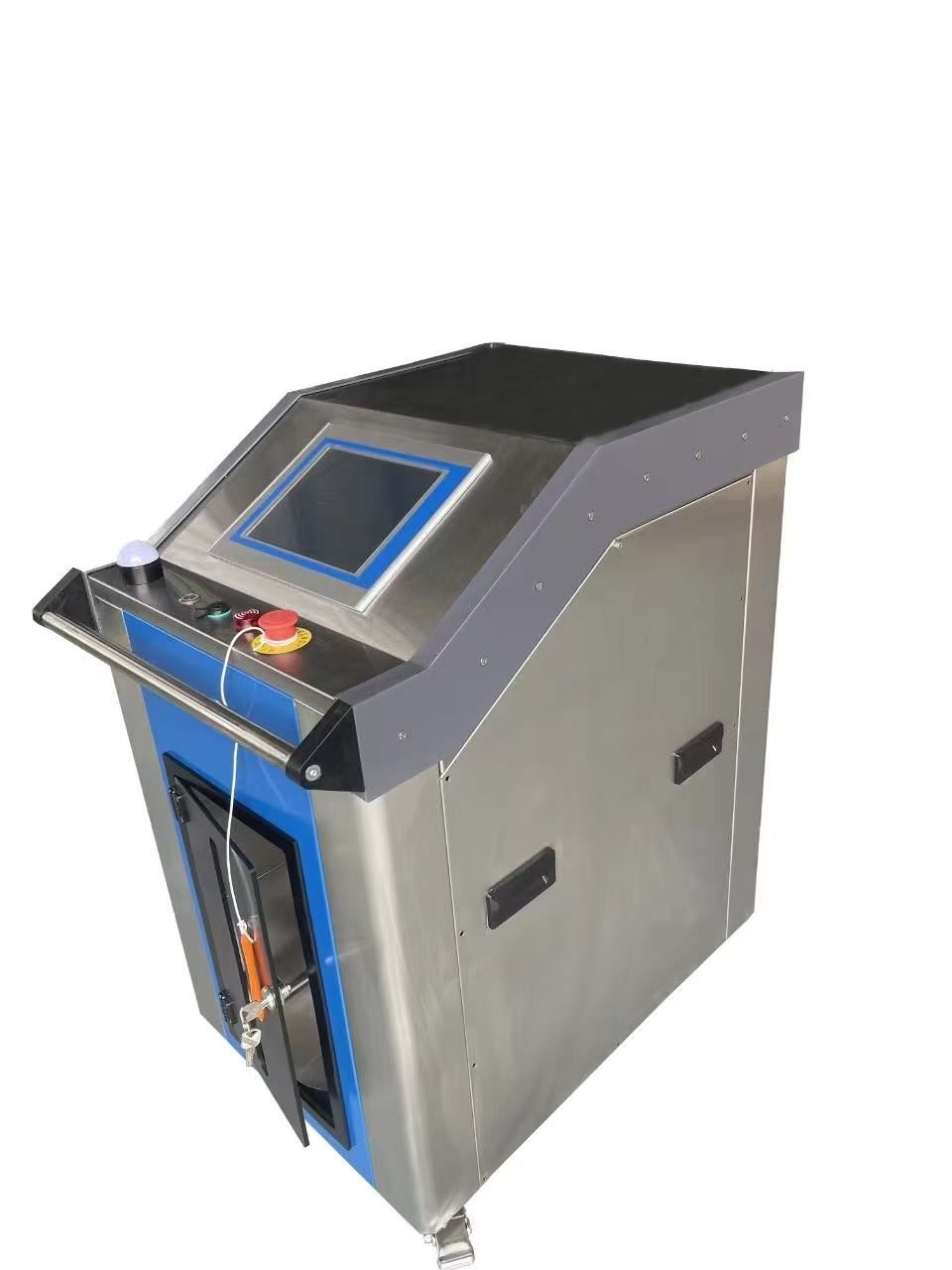 Генератор импульсного вакуумного высокочастотного плазменного стерилизатора (VHP)Циклический импульсный вакуумный поток приводит VHP в труднодоступные места внутри оборудования.Стерилизация VHP
Need low-temperature sterilization for a space you can’t heat?
For heat-sensitive loads, isolators, pass boxes and whole cleanrooms, our engineers will specify a validatable VHP solution — generator, pass box or HVAC-integrated system.