








Как выбрать фармацевтический изолятор: практический справочник для покупателя
“Термин ”изолятор» относится ко всей серии барьерных систем, которые по внешнему виду похожи друг на друга, но выполняют совершенно разные функции. Правильный выбор не должен основываться на бренде или цене — это касается решения нескольких ключевых вопросов, связанных с технологическим процессом: что необходимо защитить, какие процессы проходят внутри, насколько опасен данный состав и как будет осуществляться его тестирование. В этом руководстве подробно описаны этапы этого процесса, чтобы вы могли выбрать изолятор, который действительно соответствует вашему процессу с первого раза.
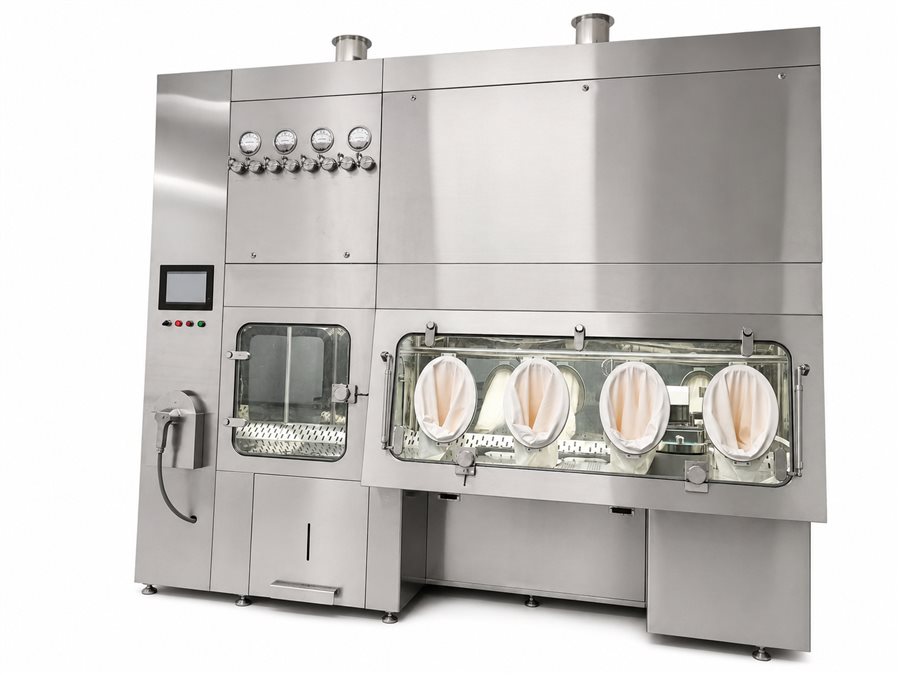
Шаг 1 — Определите, что вы защищаете
Этот один вопрос устанавливает режим давления. А позитивный давлением изолятор защищает продукт из комнаты; a нижележащее давление изолятор защищает оператор и среда от продукта. Неосложненная, не опасная работа дает положительный результат; опасная или потенциально опасная работа дает отрицательный результат; работа, которая одновременно является несложной и опасной, требует комбинированного подхода к решению проблемы. Мы подробно рассматриваем этот вопрос в разделе «Технологии». Изолятор с положительным и отрицательным давлением.
Шаг 2 — Совместимость типа с вашим процессом
Каждый тип изолятора построен на основе конкретного процесса:
- Асептное заполнение — барьер класса A/ISO 5 для стерильной заполнения, закрывания и закручивания: изолятор асептического розлива.
- Тестирование на бесплодие — стабильная среда класса А для проверок стерильности QC, защищающая образец от ложных положительных результатов: изолятор для испытаний на стерильность.
- Клеточная и генная терапия — чистая и контролируемая атмосфера для обработки клеток: изолятор для обработки клеток.
- Эксплуатация с повышенной опасностью / опасная — система контроля давления при применении HPAPIs и цитотоксиков: изолятор отрицательного давления и OEB5 распределительный изолятор для содержания.
Шаг 3 — Настройка уровня изоляции (OEB)
Для мощных соединений необходимо указать изолятор Специфическая зона риска (OEB) — OEB3 OEB4 или OEB5 — который устанавливает целевой лимит воздействия и, следовательно, требуемую систему перчаток, метода переноса и герметичности. Если выбрать неправильную ширину ленты, это приведет либо к недостижению необходимого уровня защиты операторов, либо к чрезмерным расходам. ОБЭ и ОЭЛ: пояснения поместить ваш комплекс в определенную группу.
Шаг 4 — Выберите метод биодезинфекции — и требуйте его подтверждения
Почти каждый фармацевтический изолятор подвергается биодезинфекции изпаренный водоробящий пероксид (VHP) — низкотемпературный, без остаточных веществ и поддающийся проверке. Критичная точка при покупке — не просто “есть ли в нем это VHP”, а “возможно ли осуществлять цикл». достигнуто 6-log снижение на вашем грузе.” Убеждайте, что дизайн это подтверждает; см. Как подтверждается цикл VHP.
Шаг 5 — Доработка основных технических характеристик
- Класс чистоты — Класс А/ISO 5 для стерильной работы; подтвердите, что она работает, а не просто находится в режиме покоя. См. Классификация по ISO 14644.
- Фильтрация — H14 — HEPA для стерильных изоляторов; знайте разницу HEPA H13 и H14: сравнение.
- Система для сменных перчаток и переноски — порты для перчаток, ресиверные или раздельные клапаны-бабочки для контролируемой транспортировки, а также способы поступления и вытекания материала без разрушения барьера.
- Материалы — Поверхности контактных с продуктом материалов SUS316L, гладкие радиусно изогнутые внутренние поверхности для удобства чистки.
- Мониторинг — контроль давления, частиц и целостности перчаток в зависимости от класса.
Изолятор или RABS...?
Если объем изолирующего устройства больше того, что необходимо для процесса, то Система контроля доступа с ограничениями (RABS) может подойти — более низкая стоимость и более легкий доступ к линии, но меньшая отделенность от комнаты. Коэффициент отложенности оплачивается отдельно. Изолятор против RABS. Оба они должны соответствовать стратегии контроля загрязнения, предусмотренной в Приложение 1 к GMP ЕС.
Быстрый выборник
| Ваша основная задача | Изолятор для указания |
|---|---|
| Стерильное наполнение | Асептический изолятор для наполнения (позитивный, класс А) |
| Проверка стерильности QC | Изолятор для тестирования стерильности (класс А, с двойной камерой) |
| Клеточная / генная терапия | Изолятор для обработки клеток |
| Мощный/цитотоксический API | Изолятор с отрицательным давлением / OEB5 изолирующий |
| Пониженные затраты и доступ к линии | Открытый или закрытый RABS |
Укажите это в вашем процессе, а не в каталоге.
Правильный изолятор не входит в ваши ответы по пяти пунктам выше — направление защиты, процесс, зона изоляции, дезинфекция/оценка соответствия и спецификации. Пожалуйста, сообщите Fenggu эти ответы, и мы разработаем барьер для вашего процесса. Просмотрите полный ассортимент изоляторы и системы изоляции.
Сопутствующие товары
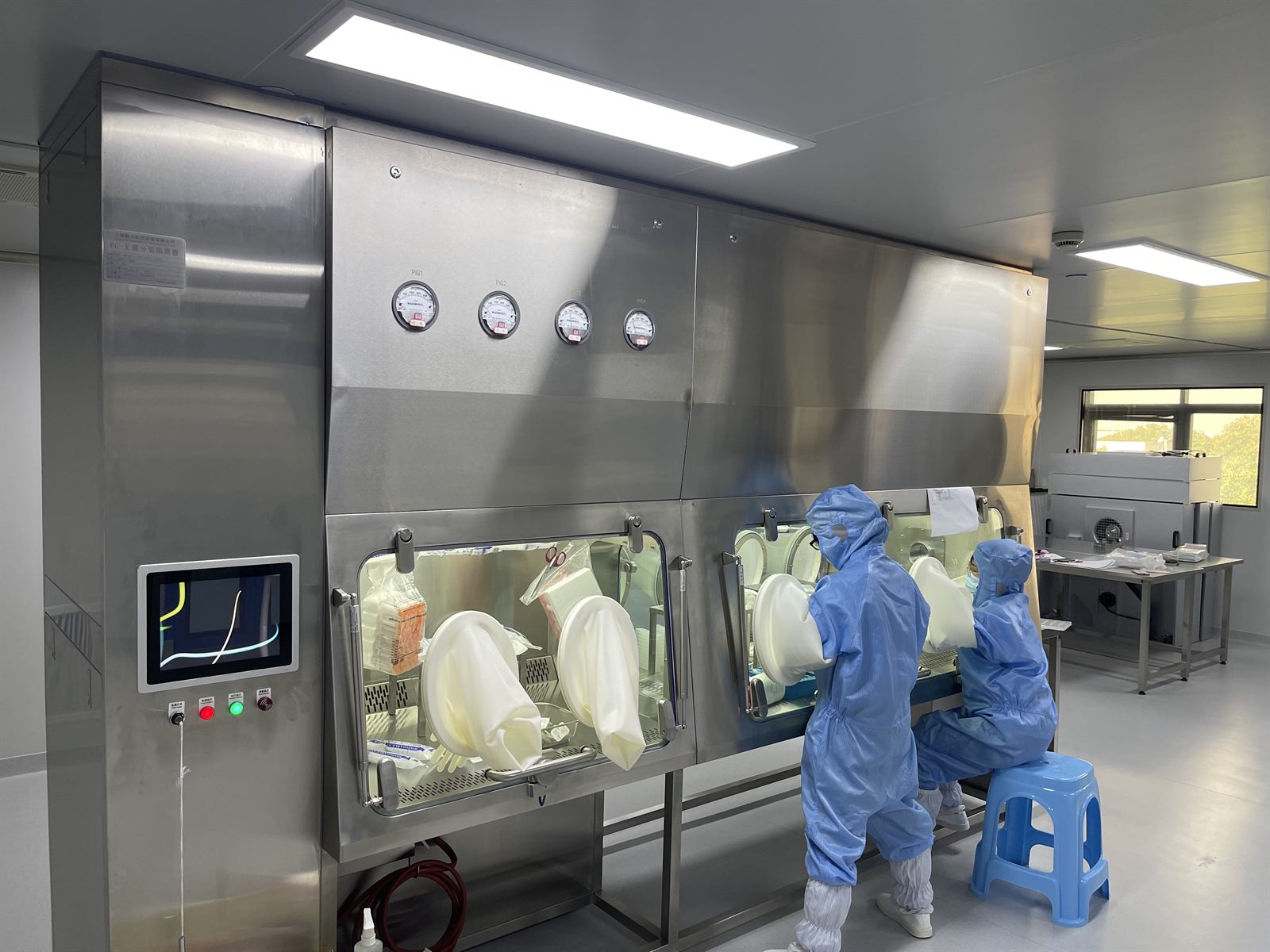 Изолятор для асептического розливаБарьер класса A (ISO 5) для стерильного розлива, укупорки пробками и обжима колпачков.Изоляторы и барьеры
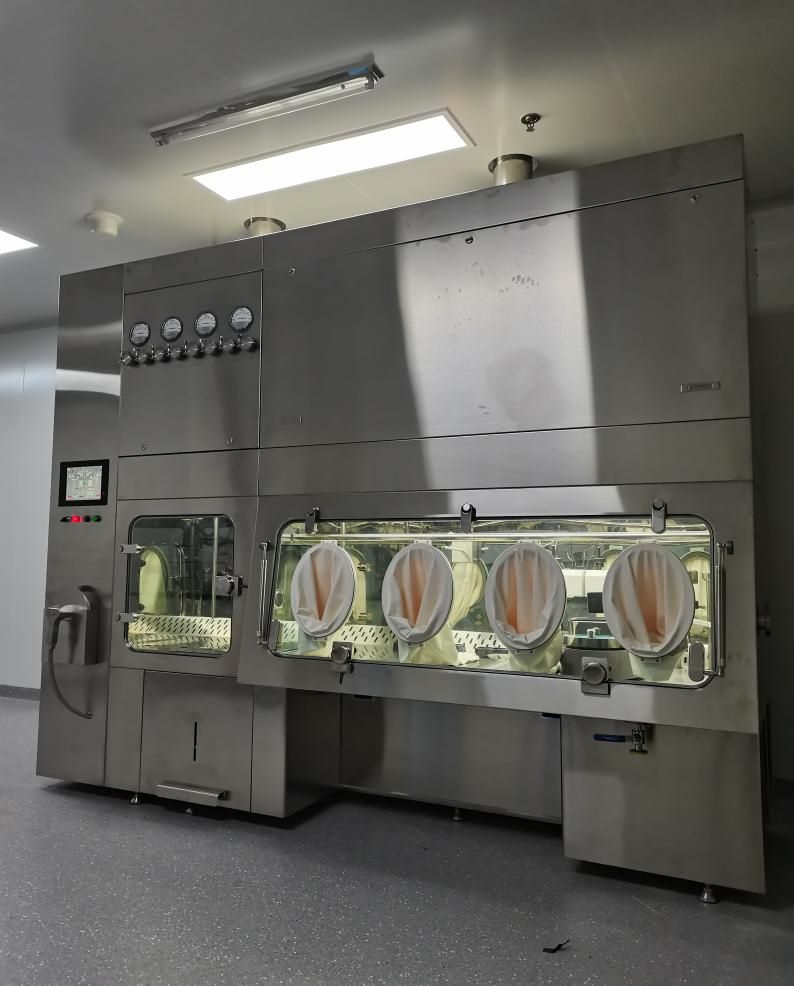 Изолятор для проверки стерильностиБарьер класса А для проведения испытаний на стерильность в соответствии с фармакопеей.Изоляторы и барьеры
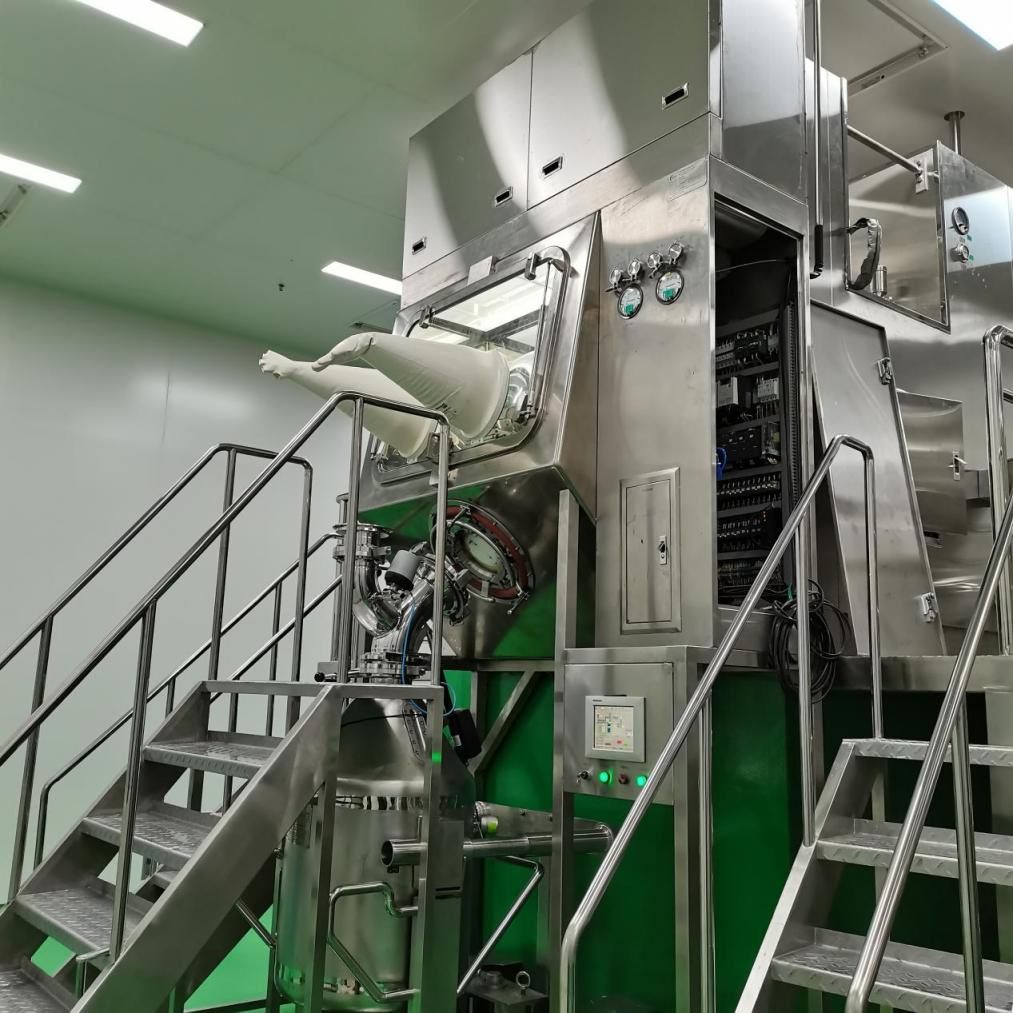 Изолятор для дозирования и удержания (OEB5)Барьер с отрицательным давлением для взвешивания, розлива и отбора проб высокоактивных фармацевтических ингредиентов (HPAPI).Изоляторы и барьеры
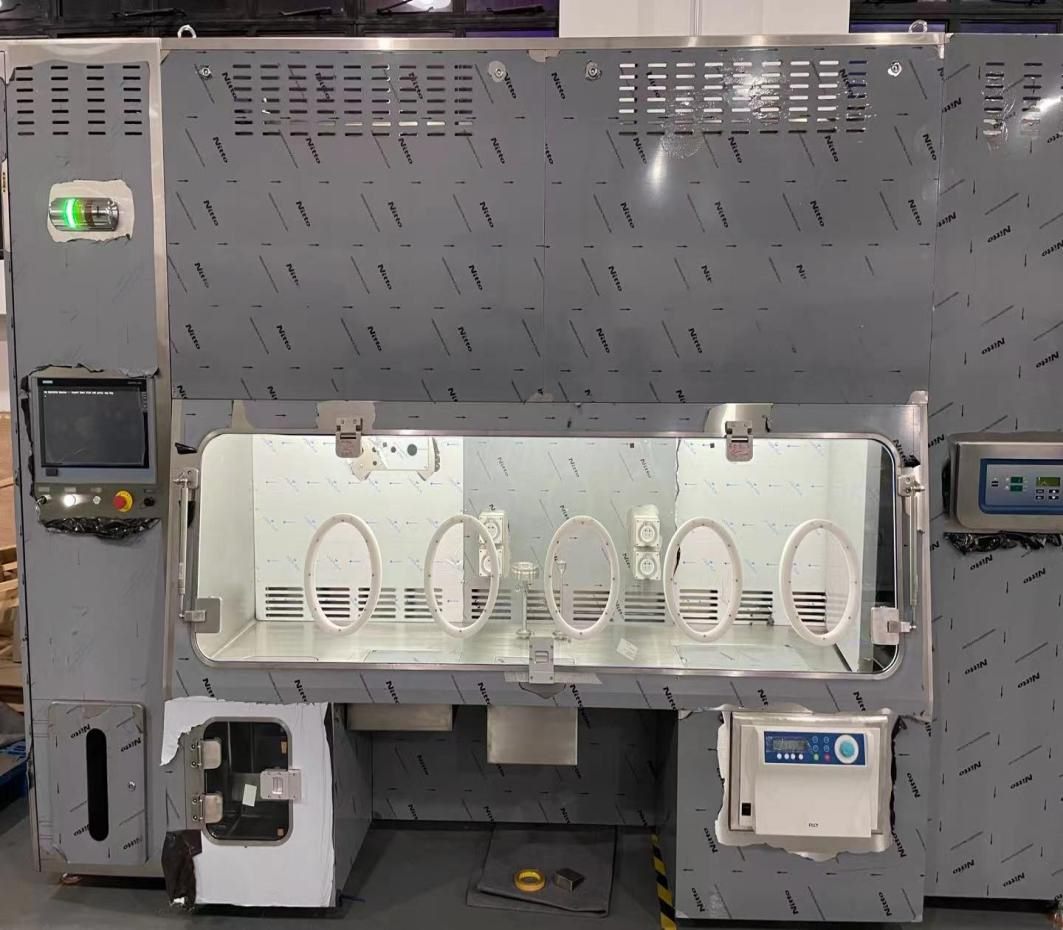 Изолятор для обработки клетокЗакрытая среда класса A для проведения процедур клеточной терапии.Изоляторы и барьеры
Не уверены, какой изолятора нужен вашему процессу?
Пожалуйста, сообщите нам свой процесс, состав и степень чистоты — наши инженеры порекомендуют подходящий тип изолятора и его характеристики.