








Как подтверждается цикл VHP: биологические индикаторы и стандарт 6-логи
В условиях соблюдения GMP цикл VHP биодезинфекции может быть эффективным только в той мере, в какой подтверждается его эффективность. Недостаточно, чтобы цикл посмотрите эффективность — эффективность должна быть продемонстрирована биологическими показателями, измеряемыми в виде логарифмического сокращения, и закреплена в повторяемом и документированном процессе. В данном руководстве объясняется, как валидируется цикл применения разбавленного водородного VHP пероксида: что означает 6-log стандарт, как биологические показатели и метод полуциклов подтверждают его эффективность, где размещаются индикаторы и как поддерживать квалифицированный цикл в течение времени.
Что означает “сертификация” для VHP цикла
Обобщение — это документально подтвержденный факт того, что процесс постоянно выполняет поставленные задачи. Для VHP компании это означает надежное подтверждение того, что цикл обеспечивает эффективную дезинфекцию микроорганизмов на самых поврежденных поверхностях при использовании измеряемых и повторяемых параметров в самых экстремальных условиях. Оно проводится в рамках официальной системы сертификации — DQ, IQ, OQ и PQ (проектирование, монтаж, эксплуатационные и эксплуатационные характеристики) — с письменным протоколом и подписанным отчетом. Сами четыре фазы цикла (дезинфекция, кондиционирование, обеззараживание, аэрация) описаны в Что такое дезактивация VHP; Эта статья посвящена доказательству того, что один из этих циклов работает.
Важно отметить, что эффективность — это свойство ваши проверенный цикл против ваши нагрузка и геометрия — это устанавливается собственным протоколом и отчетом проекта, а не предполагается из общих требований.
6-log Стандартные и биологические показатели
Принятым эталоном для биодезинфекции с помощью спороцидов является 6-log10-процентное снижение — 99,9999% -кратное снижение уровня устойчивости у вызывающего проблему организма. Эффективность доказана при биологические показатели (BI): перевозчики, инкубированные известным количеством устойчивых бактериальных спорам, почти всегда Geobacillus stearothermophilus, при популяции в 10⁶ (один миллион) спорий на одного носителя.
Спора используют, поскольку они являются наиболее устойчивой формой микробов, которые сложно убить — они гораздо более устойчивы, чем бактерии, грибки и вирусы, которые необходимо контролировать в чистой комнате. Если цикл надежно инертфицирует миллион устойчивых спорий, он вполне достаточно для уничтожения всех остальных менее устойчивых. После обработки БИ асептически переносятся в питательную среду и инкубируются; нет роста подтверждает, что споры были инициированы и инициированы и инициированы.
Метод D-value и полуцикл (overkill)
Основным показателем является D-значение: время экспозиции, необходимое для инактивации 90% (одного лога) спорной популяции при заданных условиях. Поэтому шесть D-кривых соответствует 6-log снижению активности.
Наиболее распространенный подход в фармацевтической отрасли — это метод полуцикла (оверкилл):
- Проводите циклы на половина назначаемое время экспозиции и подтверждение полной гибели 10⁶ BIs (без роста) — обычно после трех последовательных успешных экспериментов.
- Полное уничтожение популяции численностью 10⁶ в перерыве демонстрирует, по крайней мере, 6-log снижение этой численности.
- Этот после этого обычный цикл запускается в два раза быстрее. это воздействие — обеспечивает встроенный запас безопасности (повышенная доза ≥12 логов), который компенсирует повседневные колебания.
Вот почему проверенный VHP цикл настолько надежен: его производственный цикл обладает примерно вдвое большей смертностью, необходимой для успешного прохождения, поэтому обычные колебания никогда не могут повлиять на результат.
Где находятся индикаторы: наихудший вариант расположения
Цикл действителен только для мест, в которых вы действительно проходите испытания, поэтому БИ намеренно размещаются там, где это возможно. самые труднодоступные и худшие точки — не на легкодоступных открытых поверхностях. Типичные места расположения — тенистые углы, нижняя часть полок, внутренние отверстия для мышей и рукавиц, за оборудованием, в дальнем конце воздуховодов и в самой плотной части репрезентативной нагрузки. конфигурация загрузки фиксирована и документирована: вы валидируете заданный режим загрузки, и циклы в рутинной работе должны его повторять. Именно поэтому дизайн корпуса имеет значение — изоляторы, передаточные окна VHP и VHP аэролоки Они сконструированы так, чтобы пара могла достигать всех проблемных участков поверхности.
Химические индикаторы — полезные, но не доказательные
Химические индикаторы (CI) меняют цвет при воздействии порошка пероксида и обеспечивают быстрый визуальный контроль за достижением порошка порога в каждом ходе испытания. Они ценны для рутинного мониторинга и устранения неполадок, но изменение цвета подтверждает только экспозиция, Это не было количественным убийством. ЦИ дополняют БИ; они не заменяют их. Только биологические показатели демонстрируют фактическое снижение логарифмического показателя, что необходимо для подтверждения результатов.
Поддерживать валидацию цикла с течением времени
Проверка работоспособности не является единичным мероприятием. Процесс проверки работоспособности поддерживается посредством:
- Регулярный мониторинг — БИ и/или ЦИ по определенному графику для подтверждения текущей эффективности работы.
- Переквалификация — периодически (обычно ежегодно) и после любых соответствующих изменений в оборудовании, нагрузке, помещении или источнике пероксида.
- Контроль за изменениями — новый режим нагрузки, перемещённый элемент или модифицированная оболочка могут привести к аннулированию существующих сертификатов и необходимости повторного подтверждения соответствия требованиям.
Этот подход к жизненному циклу соответствует ожиданиям в отношении контроля загрязнения. Приложение 1 к GMP ЕС, который рассматривает биодезинфекцию как элемент общей стратегии, подлежащий подтверждению и мониторингу.
Основные биологические индикаторы в кратком виде
| Параметр | Типичная величина |
|---|---|
| Организм-проблема | Geobacillus stearothermophilus споры |
| Число пассажиров на одном авиаперевозчике | 10⁶ (1 000 000) спор |
| Сокращение целевых показателей | 6-log₁₀ (99.9999%) |
| Метод проверки | Полуцикл / сверхцикл (ротирующий цикл = 2 × время полуцикла) |
| Подтверждение | Инкубация незащищенных БИ — отсутствие роста = прохождение теста |
| Дополнительный контроль | Химические индикаторы (только для обнаружения воздействия, не для уничтожения) |
Проектирование с целью обеспечения валидируемости, а не только дезинфекции
Проверка работоспособности цикла гораздо проще, когда оборудование создано специально для этого: даже распределение пара, отсутствие «мертвых зон», контролируемая влажность и надежная вентиляция до безопасного уровня остаточного давления — именно так Fenggu инженеры проектируют свои изоляторы., пасс-боксы и VHP генераторы — таким образом, пара достигает каждой проблемной поверхности, и цикл проходит с достаточной долей запаса. Подробнее о методе можно узнать в разделе «Принципы работы». Что такое дезактивация VHP и VHP против aHP.
Дополнительные материалы: Химические, ферментные и биологические индикаторы для VHP — что каждый из них позволяет узнать о цикле.
Сопутствующие товары
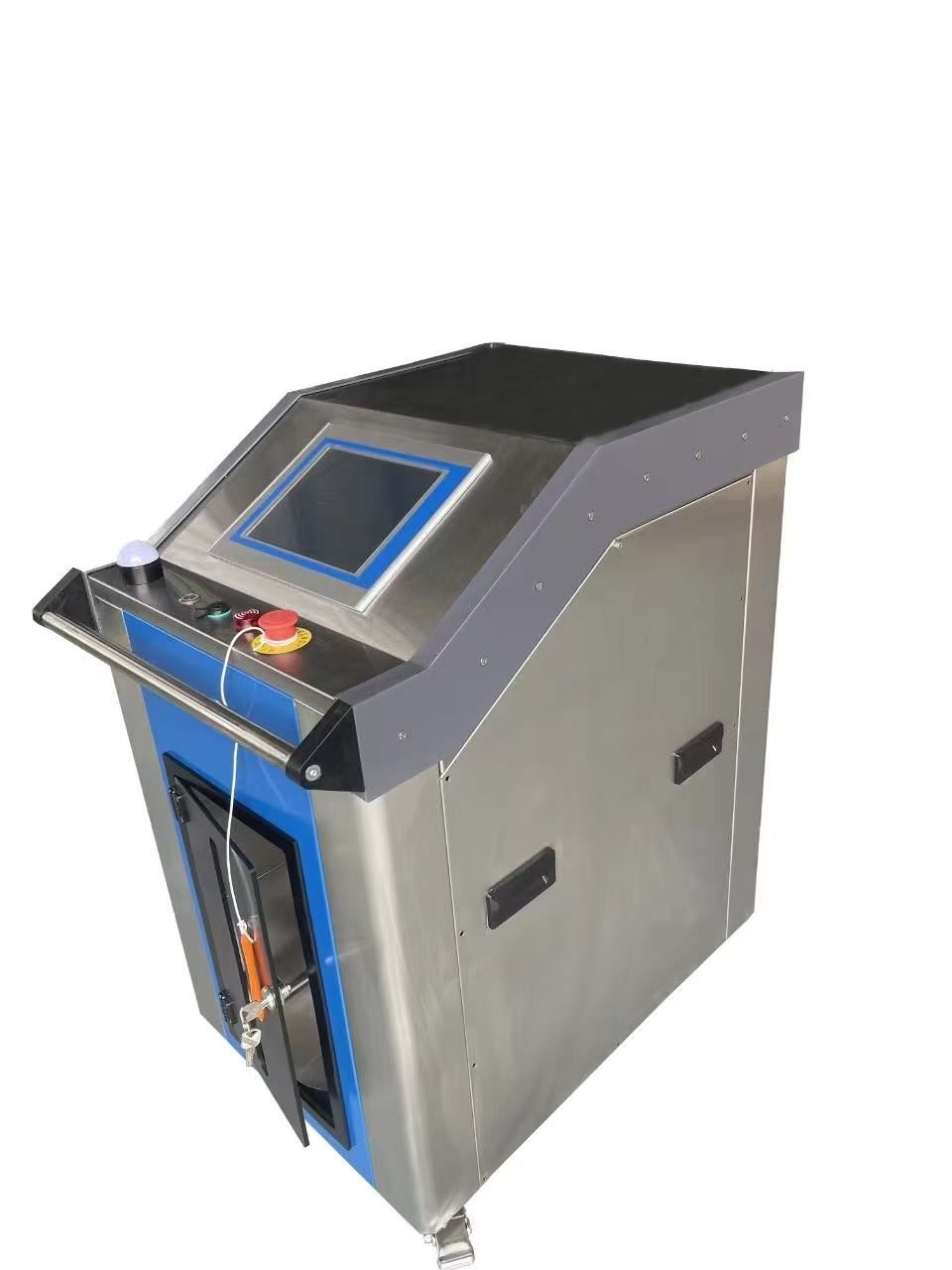 Генератор VHP с вакуумными импульсамиЦиклический импульсный вакуумный поток приводит VHP в труднодоступные места внутри оборудования.Стерилизация VHP
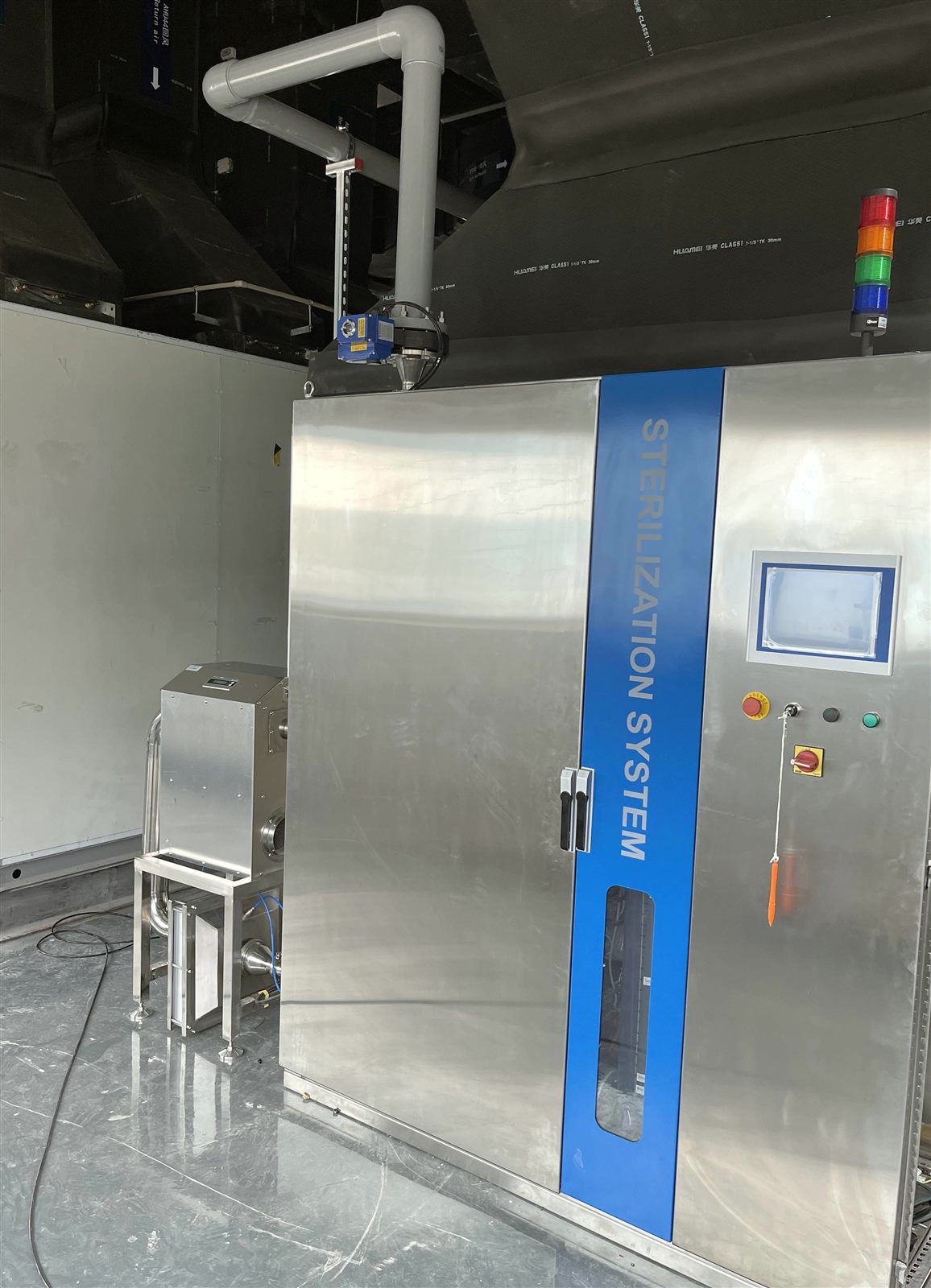 Система VHP с интегрированным оборудованием для отопления, вентиляции и кондиционирования воздухаКомпания VHP совместно с существующими поставщиками систем кондиционирования воздуха проведет очистку комнат и воздуховодов.Стерилизация VHP
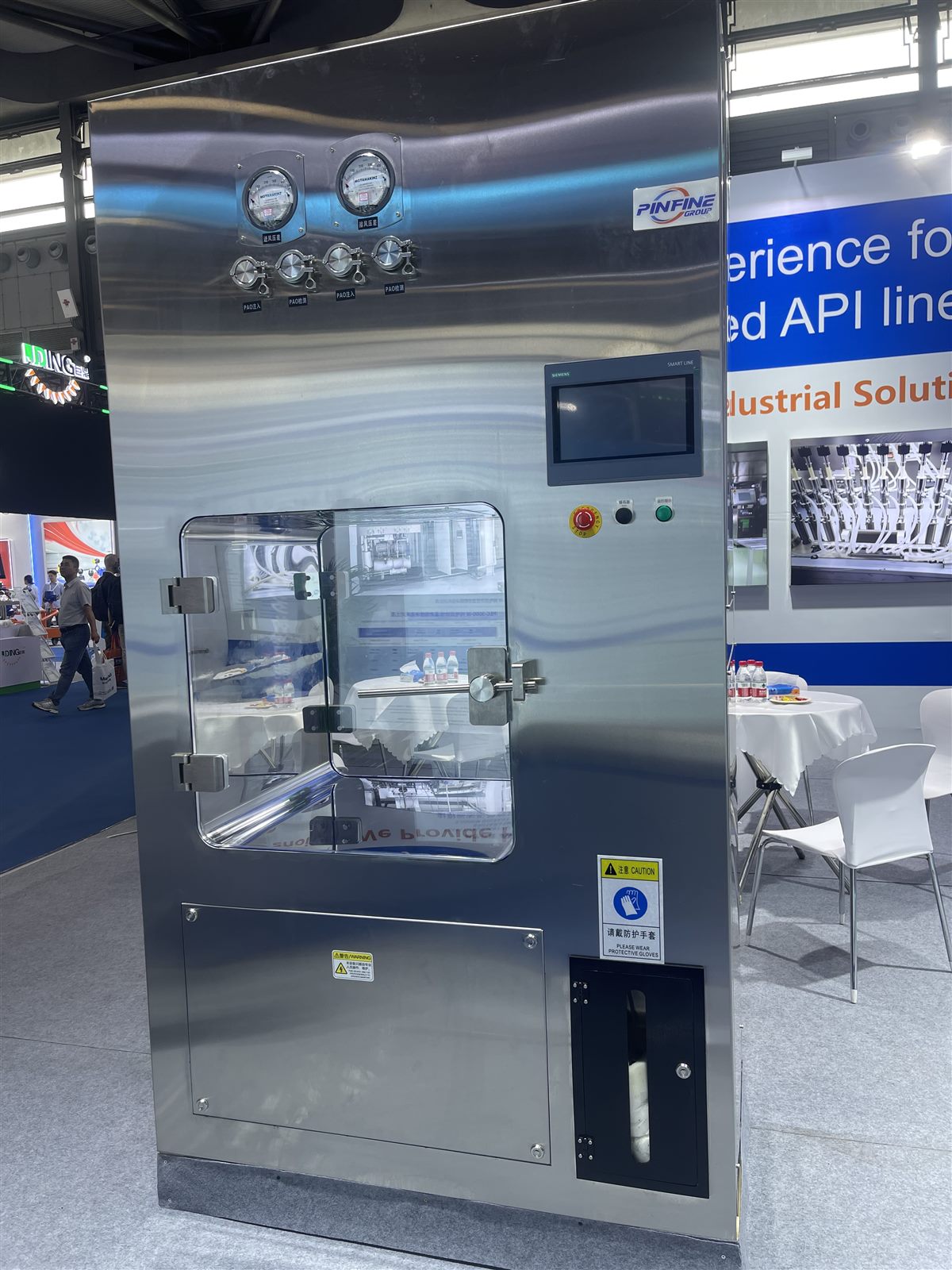 Передаточный бокс VHPСтенная переносная камера с интегрированным циклом VHP.Перемещение и локализация
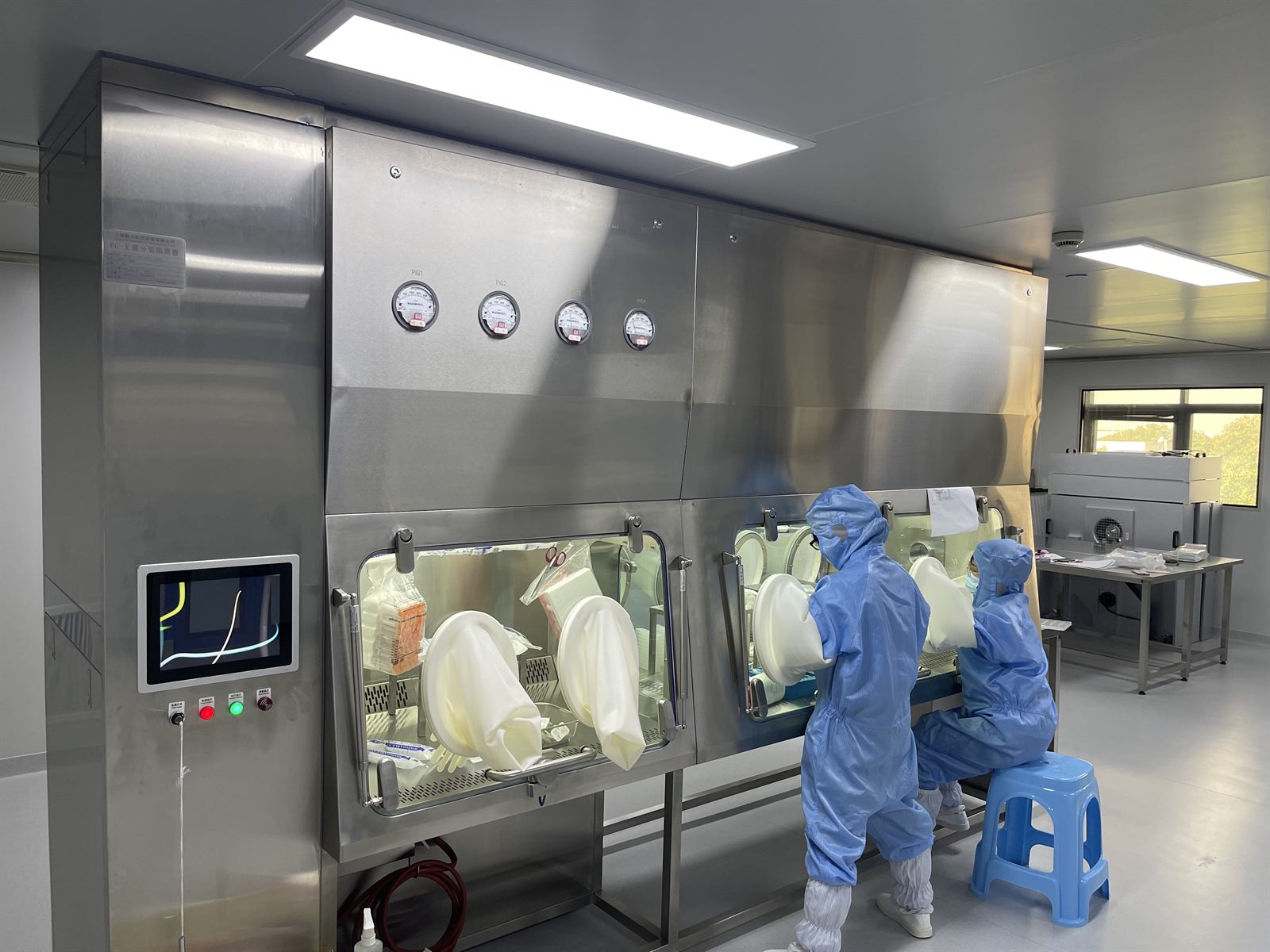 Изолятор для асептического розливаБарьер класса A (ISO 5) для стерильного розлива, укупорки пробками и обжима колпачков.Изоляторы и барьеры
Нужен VHP система, которую можно проверить 6-log?
Расскажите нам о вашем оборудовании, загрузке и целевом показателе сокращения выбросов — наши инженеры разработают VHP решение, соответствующее требованиям сертификации с необходимым запасом.