








Интегрированная система стерилизации VHP для HVAC — техническое решение

Техническое решение, разработанное для фармацевтического предприятия в Саудовской Аравии: интегрированная система стерилизации водяным паром (VHP) с технологией охлаждения и вентиляции, обеспечивающая непрерывно и без остановок дезинфекцию двух стерильных помещений, посредством одной установки FGVHP-1000, интегрированной непосредственно с существующими системами кондиционирования воздуха.
Содержание
I. Обзор проекта дизайна
Интегрированная система стерилизации водородным пероксидом компании Shanghai Fenggu Pharmaceutical Equipment Co., Ltd. представляет собой профессиональное решение по стерилизации, которое без проблем интегрирует оборудование для стерилизации водородным пероксидом с существующими системами климатического оборудования. Благодаря системе воздушного охлаждения системы климатического оборудования, данная система равномерно распределяет испаряющийся водородный пероксид (VHP) по всему помещению, требующему стерилизации, а также в воздухопроницаемые системы HVAC, обеспечивая беспрерывное стерильное действие. Это позволяет проводить операции стерилизации без участия персонала. Система обеспечивает тщательную стерилизацию без остаточных пятен на стерильных зонах, в воздухопроницаемых и вытяжных каналах системы HVAC и в верхнем отсеке HEPA-фильтров. Высокая окислительная активность водородного пероксида разрушает клеточные мембраны, белковые и нуклеиновые кислоты микроорганизмов, обеспечивая широкую спектрную эффективность стерилизации на уровне 99,9999% (логический уровень 6) против бактерий, вирусов, споровых форм и других патогенов. Остаток перекиси водорода после стерилизации разлагается на воду и кислород, не образуя токсичных побочных продуктов. Эта система особенно подходит для стерильных производственных помещений, производственных площадей для биофармацевтической продукции, лабораторий P2 и P3 и других аналогичных помещений.
Это оборудование состоит из вращающегося обезгревателя, высокоэффективного фильтра, высоконапорного вентилятора, трубопровода CPVC, устройства для испарения VHP и других компонентов; все его основные компоненты изготовлены известными брендами. В настоящее время компания Shanghai Fenggu Pharmaceutical Equipment Co., Ltd. предлагает клиентам три стандартных модели — FGVHP1000 кубический метр, FGVHP2000 кубический метр и FGVHP3000 кубический метр — из которых можно выбрать любой; при необходимости также можно предоставить индивидуальные модели с большими объемами стерилизации.
В соответствии с требованиями пользователя площадь дезинфекции соответствует двум системам кондиционирования воздуха — агрегатам AHU-S05 и AHU-S06, при этом объем стерильных камер составляет 362 и 418 кубических метров соответственно. Во время стерилизации также необходимо учитывать объем возвращаемых воздушных каналов HVAC; поэтому фактический объем стерилизации будет выше. Поскольку агрегаты AHU-S05 и AHU-S06 расположены относительно близко друг к другу в соответствии с планировкой технологического процесса, рекомендуется использовать одно устройство FGVHP-1000 для онлайн-стерилизации в обоих помещениях. Максимальный объем стерилизации одного устройства FGVHP-1000 составляет 1000 кубических метров. Подробная схема этого решения показана ниже:

На основе вышеуказанных параметров и схемы расположения помещений компания Shanghai Fenggu Pharmaceutical Equipment Co., Ltd. предлагает следующую концепцию проектирования:
- Проектирование и установка одного генератора FGVHP-1000;
- Для подключения генераторного блока VHP к воздухораспределительным каналам систем кондиционирования воздуха AHU-S05 и AHU-S06 используются два трубопровода из CPVC;
- Интеграция генератора VHP с системой HVAC для циклической стерилизации стерильной зоны;
- Проводите стерилизацию участка путем управления клапанами на распределительной трубе;
- Система может осуществлять непрерывную очистку в течение ночи; при переходе от стерилизации AHU-S05 к стерилизации AHU-S06 не требуется никаких ручных вмешательств — система автоматически выполняет переход между зонами стерилизации, а в период стерилизации персонал не допускается в зону очистки.
Период стерилизации: около 120 минут; время проветривания и удаления остаточных газов: 1–2 часа. Если скорость отведения выхлопных газов составляет менее 15 раз в час, продолжительность проветривания следует увеличить.

II. Принцип стерилизации
Система стерилизации FGVHP-1000 использует превосходную спироцидную активность водородного пероксида в газообразной форме при комнатной температуре по сравнению с его жидким видом — благодаря образованию свободных гидроксильных радикалов, которые воздействуют на клеточные компоненты — включая липиды, белки и ДНК — для достижения полной стерилизации. Эта система представляет собой специально разработанное оборудование, предназначенное для низкотемпературной стерилизации в чистых помещениях.
Стабилизация VHP — это метод стерилизации с использованием сухого газа; активный VHP не конденсируется на поверхности в чистом помещении, что предотвращает коррозионное повреждение большинства материалов.
III. Описание процесса стерилизации
Во время работы FGVHP-1000 цикл стерилизации состоит из четырёх отдельных этапов:
1. Этап обезвлажнения
В чистом помещении влажность поддерживается ниже 50% °C, а температура держится выше 25°C благодаря встроенным системам охлаждения и нагрева воды; этот процесс напрямую влияет на эффективность стерилизации. В ходе этой стадии генератор VHP сначала разогревает поток в инжекционном трубопроводе VHP, который служит носителем паров перекиси водорода; во время биодезинфекционной фазы концентрация паров перекиси водорода может поддерживаться ниже уровня насыщения (точки росы). Обычно максимальный расход воздуха через биодезинфекционный комплекс FGVHP-1000 составляет 300 м³/ч; скорость воздушного потока также зависит от скорости вращения вентилятора генератора VHP и ограничений, установленных внешней системой трубопроводов.
Примечание: Время, необходимое для достижения заданной влажности и температуры, также зависит от начальной влажности, температуры и объема помещения.
2. Этап подготовки
Процесс постоянного увеличения концентрации ВХП. В ходе этого процесса паром ВХП непрерывно подается в систему вентиляции и кондиционирования воздуха. Во время этапа кондиционирования скорость впрыскивания стерильного раствора водорода-поксидальдегида поддерживается в пределах от 50 до 90 г/мин в зависимости от требуемого объема зоны стерилизации для достижения целевой концентрации биодезинфекции. Время кондиционирования зависит от таких факторов, как скорость впрыскивания стерильного раствора водорода-поксидальдегида, объем чистой зоны и температура.
3. Этап биодезинфекции
Во время этого процесса, поддерживая низкую скорость впрыскивания водорода оксида, концентрация паров водорода в помещении может быть сохранена на относительно стабильном уровне, что обеспечивает биодезинфекцию. Во время процесса биодезинфекции концентрация газа в зоне биодезинфекции равномерно распределяется. Во время этапа биодезинфекции системы кондиционирования воздуха и отопления выключаются. Условия биодезинфекции: 25–30°C, относительная влажность 30–50%. Зона биодезинфекции контролируется за счет управления вентилем для входа/выхода.
4. Фаза аэрации
Прекратить подачу стерилизационного пара из водорода; продолжать подавать в генератор VHP поток сухой воздуха для очистки внутренних трубопроводов оборудования VHP. Одновременно активировать вытяжной вентилятор в системе HVAC для работы в режиме полностью свежего воздуха и полностью вытяжки. Эта процедура предназначена для снижения концентрации стерилизационного пара водорода в помещении; как только концентрация водорода в помещении опустится ниже 1 ppm, прекратить процесс аэрации и возобновить нормальную работу системы кондиционирования воздуха. При необходимости FGVHP-1000 также может управлять внешним вентиляционным устройством.
IV. Технические характеристики системы стерилизации IVHP
Стабилизатор воздуха Shanghai Fenggu FGVHP-1000 интегрирован с системой климатического оборудования заказчика для биологической дезинфекции и стерилизации стерильных фармацевтических помещений. Стабилизатор установлен в помещении кондиционирования воздуха заказчика и подключен трубопроводным соединением к системе трубопроводов кондиционирования отходов. Основные технические параметры системы стерилизации приведены в таблице ниже:
| № | Параметр | Унита | Значение | Комментарии |
|---|---|---|---|---|
| 1 | Ориентировочные размеры | мм | 1800 (ширина) × 2000 (высота) × 650 (глубина) | |
| 2 | Цикл стерилизации | h | 3–6 | Включает продолжительность выхлопа |
| 3 | Концентрация стерилизации водородом-окислителем | ppm | 100–800 | |
| 4 | Эффективность стерилизации | — | Лог-6 | |
| 5 | Ресумируемая концентрация VHP | ppm | <1.0 | |
| 6 | Температура стерилизации | °C | 25–35 | |
| 7 | Стерилизованная окружающая влажность | % | <75 | При температуре 25–30°C |
| 8 | Объем стерилизации | м³ | 0–1000 | |
| 9 | Концентрация пара водородного пероксида | ppm | 0–800 | |
| 10 | Стабилизатор с предварительным обезвоживанием | % | <30 | |
| 11 | Общая мощность | KW | 15 | |
| 12 | Вес нетто | кг | Примерно 400 |
Список конфигурации системы стерилизации V. VHP
Система стерилизации Shanghai Fenggu VHP состоит из вращающегося дефлоатёра, основного генераторного блока, системы распределения трубопроводов и автоматической системы управления; подробная конфигурация и информация о брендах указаны в таблице ниже:
| № | Продукты и материалы | Количество | Производитель/бренд |
|---|---|---|---|
| 1 | Охлаждающий вентилятор | 1 | Швеция |
| 2 | Высокоэффективный фильтр пыли | 1 | Изготовлено на заказ |
| 3 | Фильтр раствора перекиси водорода | 4 | Изготовлено на заказ |
| 4 | Контроллер PLC | 1 | Сименс |
| 5 | Текстовый экран | 1 | MCGS |
| 6 | Расстояние между удалённым хост-компьютером и удалённым сервером | 1 | Hewlett-Packard |
| 7 | Высотодавчий вентилятор | 1 | AMETEK |
| 8 | Эвапориметр | 4 | FG |
| 9 | Эджектор | 4 | Шэньчэн |
| 10 | Дифференциальный датчик давления | 1 | Синьи |
| 11 | Сенсор температуры и влажности | 1 | Синьи |
| 12 | Сенсор концентрации | 1 | ATI |
| 13 | Электрический сферический клапан | 1 | Кайлай |
| 14 | Электрический клапан-бабочка | 2 | Кайлай |
| 15 | Диафрагменная помпа (для наполнения жидкостями) | 2 | Шэньчэн |
| 16 | Прегреватель | 4 | FG |
| 17 | Спиртовой резервуар | 1 | FG |
| 18 | Контроль качества контента | 1 | FG |
| 19 | Световой сигнал тревоги | 1 | Сименс |
| 20 | Электрические коммутационные компоненты | 1 | Шнайдер |
| 21 | Электрический реле | Несколько | Шнайдер |
| 22 | Температурный датчик | 8 | Каисин |
VI. Обзор системы циркуляции в трубопроводе
Транспортная система VHP
- Изготовлено из CPVC, что обеспечивает герметичность системы.
- Труба оснащена изоляционными средствами для предотвращения конденсации газообразного водорода.
Система вентиляционных каналов
- Система вентиляции кондиционеров должна быть герметичной; во время строительства необходимо тщательно проверить герметичность всех соединений воздуховода, поскольку может произойти утечка водорода пергидрида.
- На магистральном трубопроводе и распределительных трубопроводах установлены регуляторные клапаны для распределения газообразного водорода.
VII. Объем поставок
Fenggu Объем поставок
- Техническая спецификация (DS);
- Основная блок-модуль генератора VHP, блок-модуль для системы вентиляционных каналов и система управления;
- Требования к коммунальным службам — Руководство по установке трубопроводов с водородокислотным раствором;
- Сенсор для мониторинга концентрации VHP в воздуховодах системы отопления и кондиционирования воздуха;
- Надзор и руководство установкой;
- Разработка процессов стерилизации; помощь клиентам в подготовке документации для подтверждения соответствия; а также помощь клиентам в подтверждении соответствия химических и биологических показателей;
- Расстояние до централизованного компьютера.
Объем работ для заказчика
- Инсталяция и позиционирование модуля VHP;
- Наличие на объекте инженерных сетей, включая главный распределительный электропровод и резервированные интерфейсы для трубопроводов сжатого воздуха рядом с оборудованием;
- Внедрение системы проверки;
- Операторы проходят обучение.
VIII. Система файлов
Компания Shanghai Fenggu имеет команду технических специалистов с большим опытом работы в фармацевтической отрасли, способных помочь клиентам в создании систем документации, соответствующих требованиям cGMP; основная документация, которая должна быть представлена для системы стерилизации VHP, указана в таблице ниже:
| № | Документ | Сокращенное название. | Номер документа. |
|---|---|---|---|
| 1 | Спецификация требований пользователя | URS | 2021-002C-00 |
| 2 | Спецификация файла | DI | 2021-002C-01 |
| 3 | Система контроля качества | QP | 2021-002C-02 |
| 4 | Документ с функциональными спецификациями | FS | 2021-002C-03 |
| 5 | Документ с техническими характеристиками оборудования | HDS | 2021-002C-04 |
| 6 | Спецификация разработки программного обеспечения | SDS | 2021-002C-05 |
| 7 | Анализ рисков | RA | 2021-002C-06 |
| 8 | Матрица отслеживания | TM | 2021-002C-07 |
| 9 | Подтверждение дизайна | Дисквалифицирован | 2021-002C-08 |
| 10 | Подтверждение установки и эксплуатации | IOQ | 2021-002C-09 |
| 11 | Подтверждение выполнения | Почему? | 2021-002C-10 |
| 12 | Инструкция по установке | IM | 2021-002C-11 |
| 13 | Руководство по эксплуатации | OM | 2021-002C-12 |
| 14 | Руководство по техническому обслуживанию | ММ | 2021-002C-13 |
| 15 | Проверка приемлемости на заводе | FAT | 2021-002C-14 |
| 16 | Тестирование на месте у заказчика | SAT | 2021-002C-15 |
| 17 | Сертификат соответствия продукции | QC | 2021-002C-16 |
| 18 | Отчет о финальной проверке | FTR | 2021-002C-17 |
IX. Важные замечания
- Шанхай Fenggu рекомендует оснастить оборудование специальной защитной цепью.
- Устройство не должно использоваться в местах, где оно несовместимо с технологией VHP.
- Система биодезинфекции должна быть установлена на жесткой горизонтальной поверхности.
- На цветных стальных листах и воздуховодах в зоне чистого помещения необходимо провести имитацию испытания на стерилизацию с помощью VHP.
- Система биодезинфекции FGVHP-1000 должна регулярно чиститься.
- Масса: около 380 кг.
- Пользователь обязан проводить периодическую проверку.
Х. Приложение: Интегрированные и мобильные системы стерилизации VHP
Интегрированная система стерилизации VHP обладает следующими преимуществами по сравнению с мобильными системами стерилизации водородом:

Примером служит зона чистоты класса B размером 1000 м³, при условии, что эта зона состоит из 12 помещений. Для полной стерилизации всего помещения потребуется не менее трех мобильных стерилизаторов VHP; однако, использование интегрированной системы стерилизации водородом потребует только одной установки FGVHP1000 для выполнения процедуры стерилизации. Во время работы, в отличие от мобильных стерилизаторов VHP, FGVHP1000 не нужно перемещать каждую отдельную установку в зону стерилизации до начала процесса; вместо этого VHP подается через заранее установленные трубопроводные системы. Удаленный хост-компьютер FGVHP1000 установлен в контрольной комнате HVAC, что позволяет осуществлять процесс стерилизации непосредственно из этой комнаты. Благодаря интеграции с программой системы HVAC последовательность стерилизации — включая подготовку к стерилизации, циркуляцию VHP и вытяжку VHP — может выполняться полностью автоматически; по завершении стерилизации система HVAC автоматически возвращается в режим работы. После завершения стерилизации оператору не нужно надевать стерильную одежду и выходить в зону класса B, чтобы снять мобильную стерилизационную установку VHP.

Если требуется установка нескольких мобильных устройств VHP для стерилизации, каждый из них необходимо проверить на работоспособность и дозалить раствор перекиси водорода перед включением питания — процесс, который требует значительных трудозатрат, поскольку представляет собой ручную методику стерилизации. При использовании мобильных устройств VHP концентрация перекиси водорода вблизи этих устройств может стать чрезвычайно высокой во время процесса стерилизации, что может легко коррозионно повреждать окружающие окрашенные стальные листы. Однако при использовании интегрированной системы стерилизации перекисью водорода с использованием кондиционирования воздуха эта проблема устраняется: инъекция VHP подается через тепловые и вентиляционные каналы, а каждая комната оснащена розетками для подачи парового раствора перекиси водорода, что исключает риск локального накопления слишком высокой концентрации.
Мобильный стерилизатор VHP работает по принципу ручной стерилизации; однако изменения в расположении каждого агрегата во время отдельных циклов стерилизации могут повлиять на результат стерилизации — это проблема, которую в ручном режиме невозможно избежать. Практический опыт показывает, что эффективность стерилизации мобильных систем VHP очень низка. В отличие от этого, интегрированная система стерилизации водородом, которая подает раствор в каждую камеру через централизованный воздуховозодоочисный клапан, позволяет избежать этой проблемы. Во время процесса стерилизации с помощью интегрированной системы водородом скорость вращения вентилятора HVAC, объем подаваемого воздуха и угол открытия/закрытия клапанов подачи/вытяжной вентиляции поддерживаются на фиксированных значениях, что обеспечивает отличную повторяемость эффективности стерилизации.
Интегрированная система стерилизации водородом-гидроксидом обладает высокой масштабируемостью: например, при необходимости стерилизации восьми участков, один интегрированный комплекс для стерилизации водородом-гидроксидом может быть установлен для стерилизации каждого участка путем распределения раствора через восемь отдельных трубопроводов и клапанов. Все стерильные участки могут быть автоматически стерилизованы последовательно с помощью предварительно настроенной программы, или систему можно заранее настроить для поддержки будущих операций по стерилизации VHP в недавно построенных цехах. В результате такие цеха не будут нуждаться в приобретении дополнительного оборудования для стерилизации VHP — им достаточно просто установить новые трубопроводы для стерилизации.
Сопутствующие товары
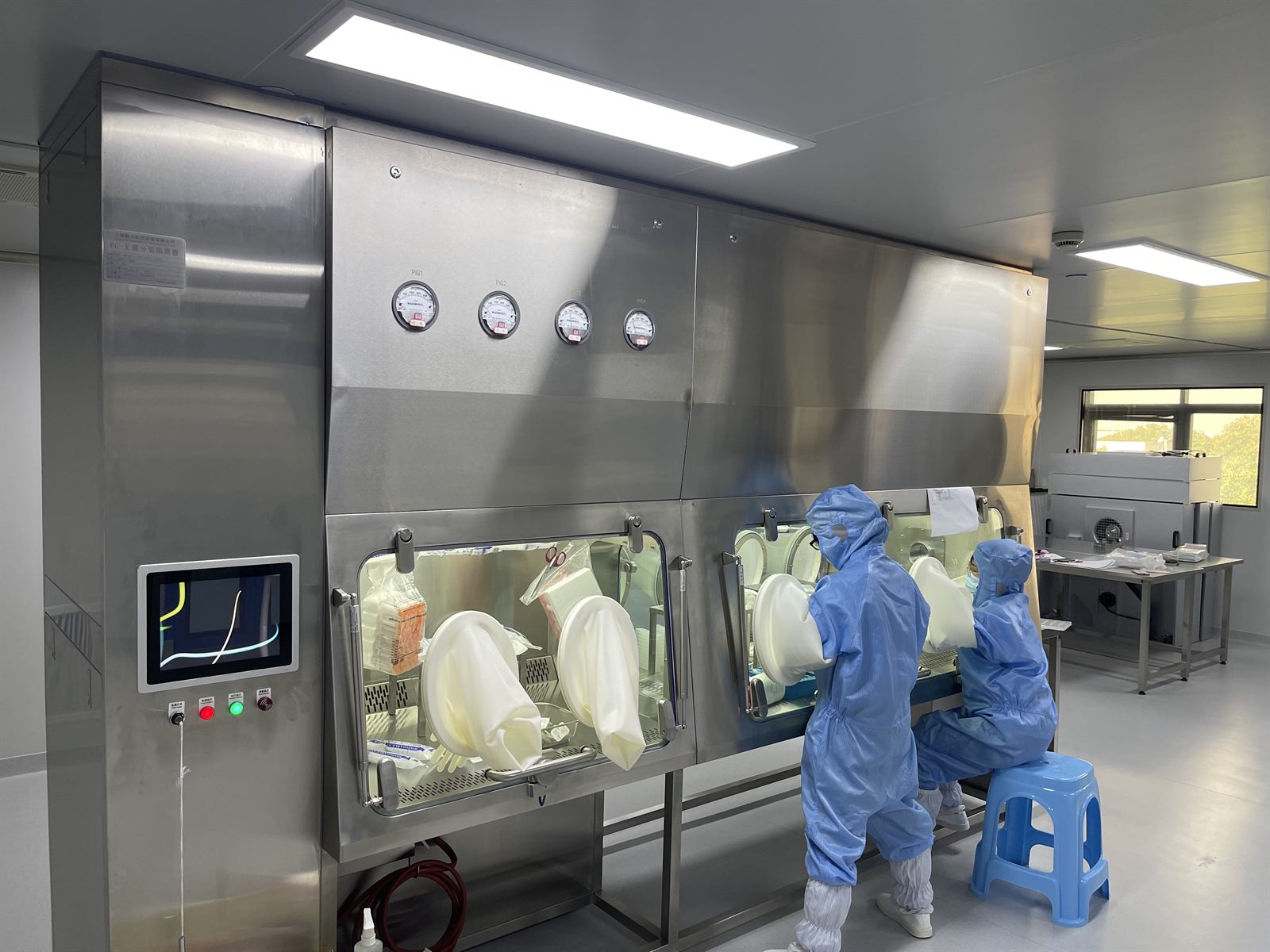 Изолятор для асептического розливаБарьер класса A (ISO 5) для стерильного розлива, укупорки пробками и обжима колпачков.Изоляторы и барьеры
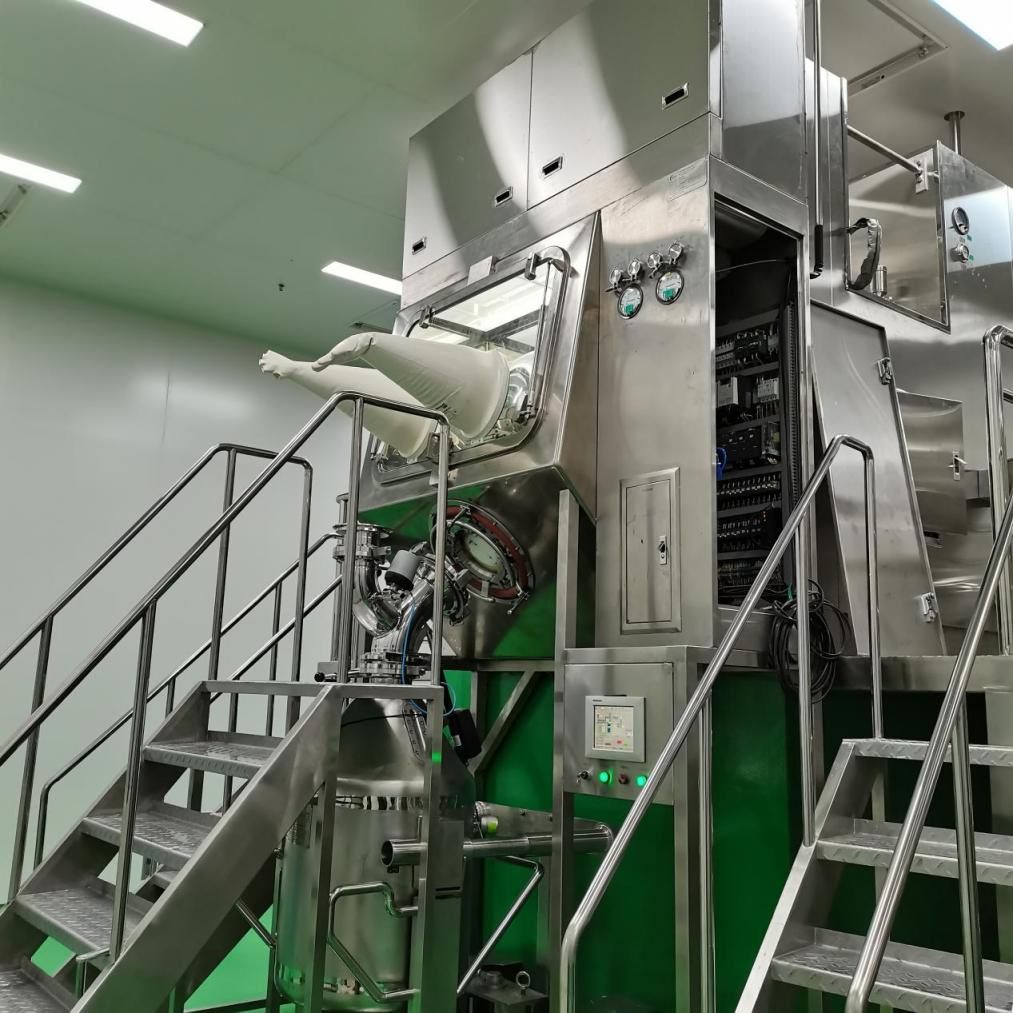 Изолятор для дозирования и удержания (OEB5)Барьер с отрицательным давлением для взвешивания, розлива и отбора проб высокоактивных фармацевтических ингредиентов (HPAPI).Изоляторы и барьеры
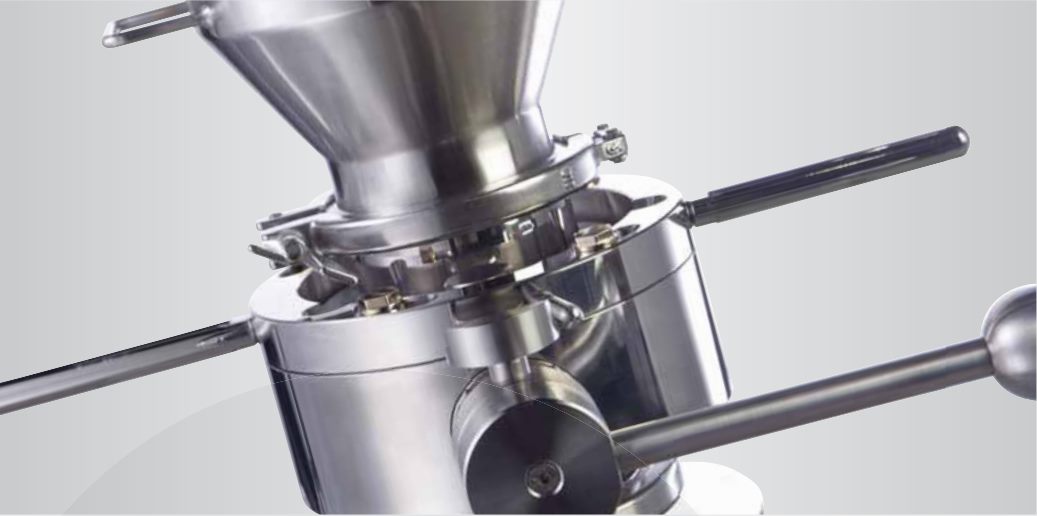 Двухпозиционный клапан типа «бабочка» с альфа-бета-разделениемРазъёмный дисковый затвор для локализованной передачи высокоактивных порошков без пыления.Перемещение и локализация
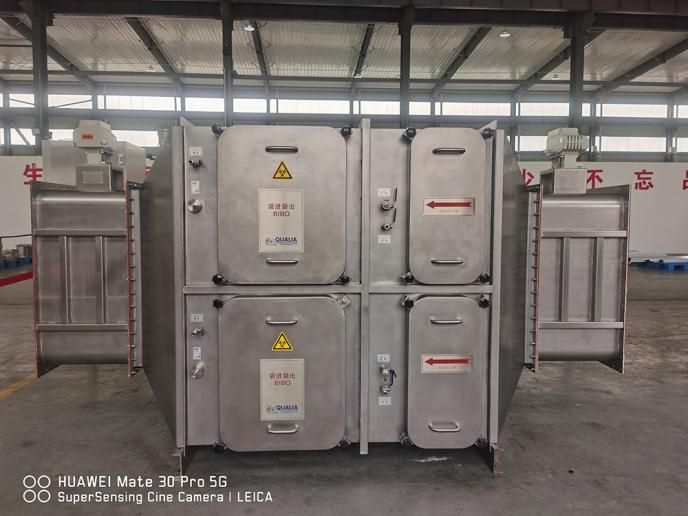 Корпус фильтра BIBOКорпус HEPA-фильтра типа bag-in/bag-out для безопасной замены фильтра в лабораториях P3/P4.Вентиляционная система
Планируете ли вы внедрить интегрированную систему VHP для вашего объекта?
Пожалуйста, отправьте нам данные о объёмах стерильной зоны и схеме HVAC — наши инженеры рассчитают размер системы FGVHP и подготовят решение, подобное этому.
Вид на интегрированной системе VHP для климатической установки
Поговорите с инженером