








35% vs 59% Hydrogen Peroxide Sterilant: Why Liquid Concentration Matters
VHP generators run on liquid hydrogen peroxide, and the concentration of that liquid is not a detail. Most room and enclosure systems use a solution of about 35%. Some systems are designed for around 59%. The difference changes how much water enters the space with every gram of peroxide, how close the cycle runs to condensation, how the liquid must be handled and shipped, and whether the cycle stays valid. This guide explains what changes and why a generator should only run on the sterilant it was designed for.
The short answer
The liquid concentration decides how much water is vaporized together with the hydrogen peroxide. A 35% solution brings about 1.9 g of water with every gram of hydrogen peroxide; a 59% solution brings about 0.7 g. Less water means more room for peroxide vapor before condensation, but the stronger liquid is more hazardous to handle and ship.
Water per gram of peroxide
A flash vaporizer turns all of the liquid into vapor, water included. The numbers below follow directly from the weight percentage:
| 35% solution | 59% solution | |
|---|---|---|
| Hydrogen peroxide in 100 g of liquid | 35 g | 59 g |
| Water in 100 g of liquid | 65 g | 41 g |
| Water vaporized per gram of H2O2 | about 1.9 g | about 0.7 g |
| Approximate density | about 1.13 g/mL | about 1.24 g/mL |
| H2O2 per mL of liquid | about 0.40 g | about 0.73 g |
To deliver the same mass of hydrogen peroxide, a system on 35% sterilant injects about 1.8 times more liquid and almost three times more water than a system on 59%.
Why the water matters: condensation
Air can only hold a limited amount of water and hydrogen peroxide vapor together. When the combined vapor reaches that limit at the surface temperature, it condenses. Hydrogen peroxide is less volatile than water, so the first condensate is richer in peroxide than the vapor above it.
Every gram of water injected with the peroxide uses part of that capacity. With 35% sterilant, the space reaches its condensation point at a lower peroxide concentration than with 59%, all else being equal. This is why systems on 35% sterilant usually dehumidify the space before injection: removing water first leaves more room for peroxide. For the full picture, see VHP concentration, humidity and condensation.
Neither concentration is right or wrong. A dry cycle aims to stay below condensation; some cycles deliberately allow a controlled micro-condensation layer. The liquid concentration is one of the inputs the cycle is designed around.
Handling and transport
| Aspect | 35% solution | 59% solution |
|---|---|---|
| Hazard to skin and eyes | Corrosive; causes burns | More strongly corrosive; burns occur faster |
| Oxidizing hazard | Oxidizer | Stronger oxidizer; greater fire risk with combustible materials |
| Transport classification | UN 2014, Class 5.1 with subsidiary Class 8 | UN 2014, Class 5.1 with subsidiary Class 8 |
| Air freight | Restricted; check the current rules | More restricted; often not accepted by air |
| Typical packaging | Bottles or cartridges with vented caps | Sealed cartridges designed for the system |
Both concentrations need eye protection, chemical-resistant gloves and storage away from combustible materials. Check the safety data sheet and your local rules before ordering, especially for international shipments. For handling practice, see hydrogen peroxide sterilant safety.
Grade and stabilizers
Commercial hydrogen peroxide contains small amounts of stabilizers that slow its decomposition in the container. In a flash vaporizer, non-volatile stabilizers and impurities stay behind on the hot surface. Over time they can build up and affect vaporization. That is why VHP systems specify a grade, for example food grade or a dedicated sterilant, rather than any technical hydrogen peroxide. Ask the supplier which grades are approved and what happens if a different grade is used.
Storage and shelf life
- Hydrogen peroxide decomposes slowly into water and oxygen, faster when warm or contaminated. Store containers cool, out of direct sunlight and upright.
- Use vented caps as supplied. Oxygen from slow decomposition must be able to escape.
- Never return unused liquid to the original container.
- Observe the expiry date. A solution that has lost strength delivers less peroxide per injection than the cycle was validated for.
Why you should not switch concentration
A VHP cycle is validated with a specific sterilant. The injection rate, the expected concentration in the space, the sensor readings and the aeration time are all based on it. Changing from 35% to a stronger or weaker solution changes the amount of peroxide and water delivered per minute, which can push the cycle into condensation or below its lethal dose. A change of sterilant concentration or grade should be treated as a change to the validated process, assessed under change control and, where needed, revalidated.
The same applies to dilution. Diluting a sterilant on site to save cost removes the control the cycle depends on.
Questions to ask a supplier
| Question | Why it matters |
|---|---|
| Which concentration and grade is the generator designed for? | Defines what you must buy and stock. |
| Is the sterilant proprietary or available from several sources? | Running cost and supply security. |
| How is the solution loaded: bottle, cartridge or tank? | Operator exposure and handling time. |
| How is consumption measured and recorded? | Cycle records and dose consistency. |
| What is the shelf life and storage requirement? | Stock management. |
| Can the sterilant be shipped to your site by your usual route? | Transport restrictions on oxidizers. |
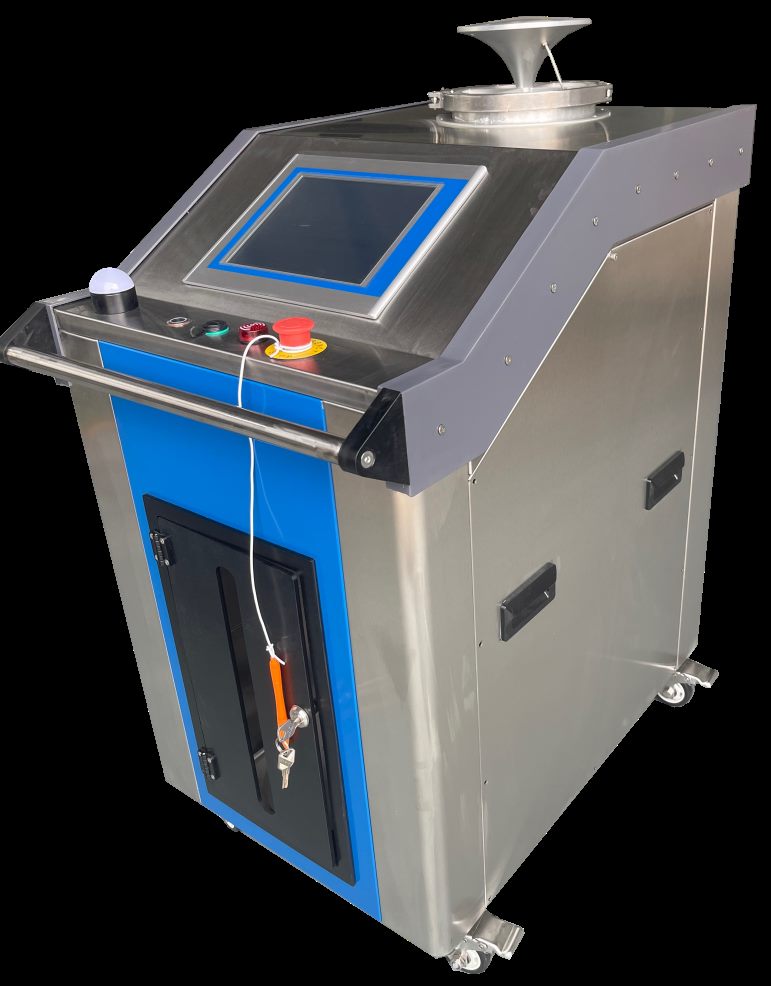
Fenggu VHP equipment
Fenggu VHP generators are designed for 30–35% hydrogen peroxide solution. The mobile VHP room sterilizer, recirculating and pulsed-vacuum VHP generators specify 35% food-grade hydrogen peroxide; the VHP BIBO sterilizer runs on 30% or 35% solution. Flash vaporization turns the liquid into vapor in one step, and the cycles include dehumidification before injection. Because the sterilant is a standard concentration, it is generally available from local chemical suppliers in the required grade.
All VHP equipment: VHP sterilizers and generators.
FAQ
Is 59% hydrogen peroxide more effective than 35%?
Not by itself. Efficacy depends on the concentration of peroxide vapor at the surfaces and the contact time. A stronger liquid delivers less water with the peroxide, which the cycle design can use, but the result still depends on the validated cycle.
Why do many VHP systems use 35%?
It is widely available, less hazardous to handle and ship than higher concentrations, and works well when the space is dehumidified before injection.
Can I use ordinary hydrogen peroxide from a chemical supplier?
Only if it matches the concentration and grade specified for the generator. Stabilizers and impurities in other grades can build up in the vaporizer.
Can I dilute 59% to 35%?
It is not recommended. Dilution adds variability, uses water of uncontrolled quality and handles the more hazardous concentrated liquid. Buy the specified concentration.
Does a change of sterilant need revalidation?
A change of concentration, grade or supplier should be assessed under change control. Depending on the assessment, it may need verification runs or revalidation.
References
- UN Recommendations on the Transport of Dangerous Goods, Model Regulations: UN 2014, Hydrogen peroxide, aqueous solution
- OSHA 29 CFR 1910.1000, Table Z-1: Limits for Air Contaminants (hydrogen peroxide)
- USP <1229.11> Vapor Phase Sterilization
- EU GMP Annex 15: Qualification and Validation (2015)
Related Products
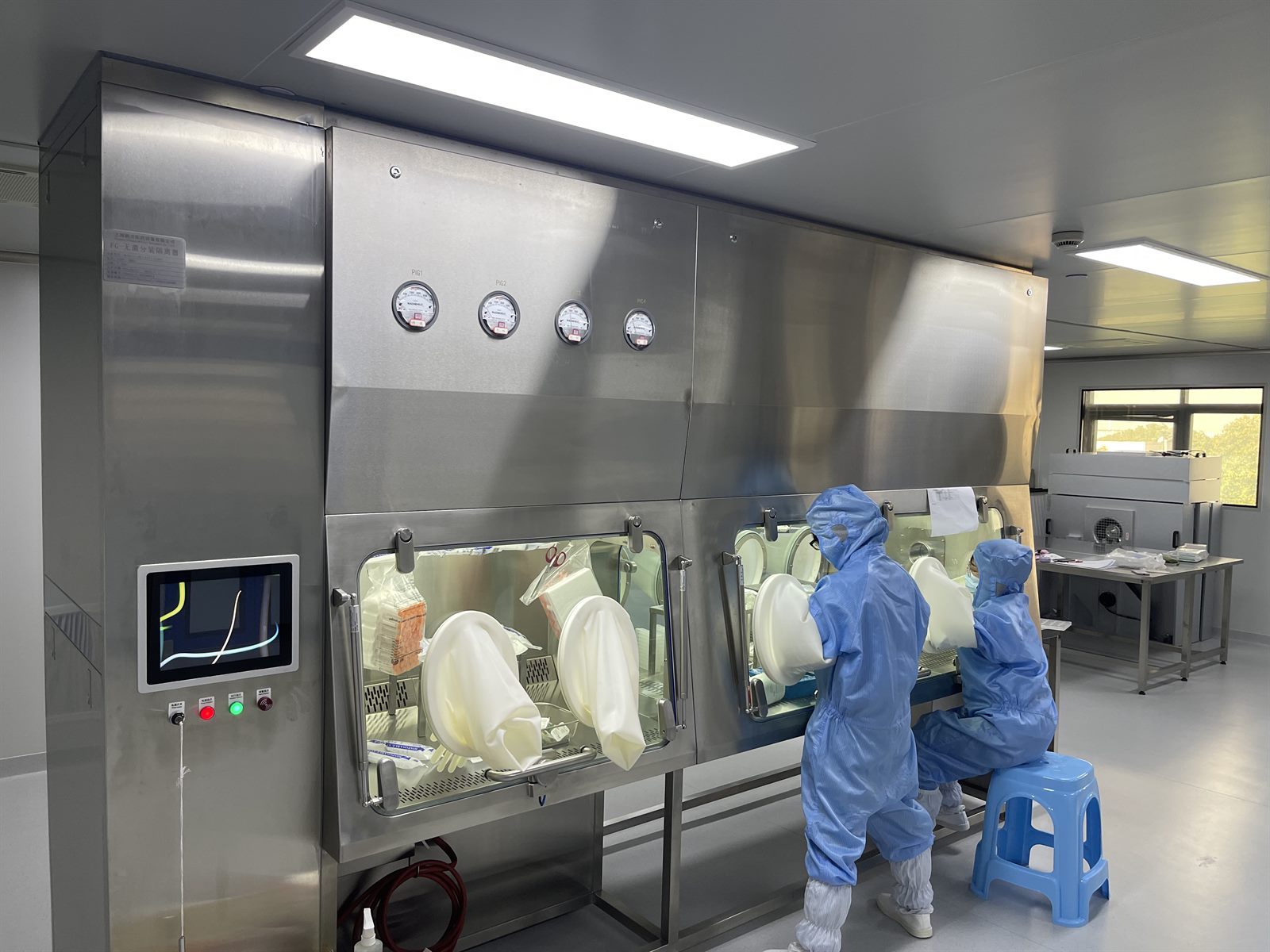 Aseptic Filling IsolatorGrade A (ISO 5) barrier for sterile filling, stoppering and capping.Isolators & Barrier
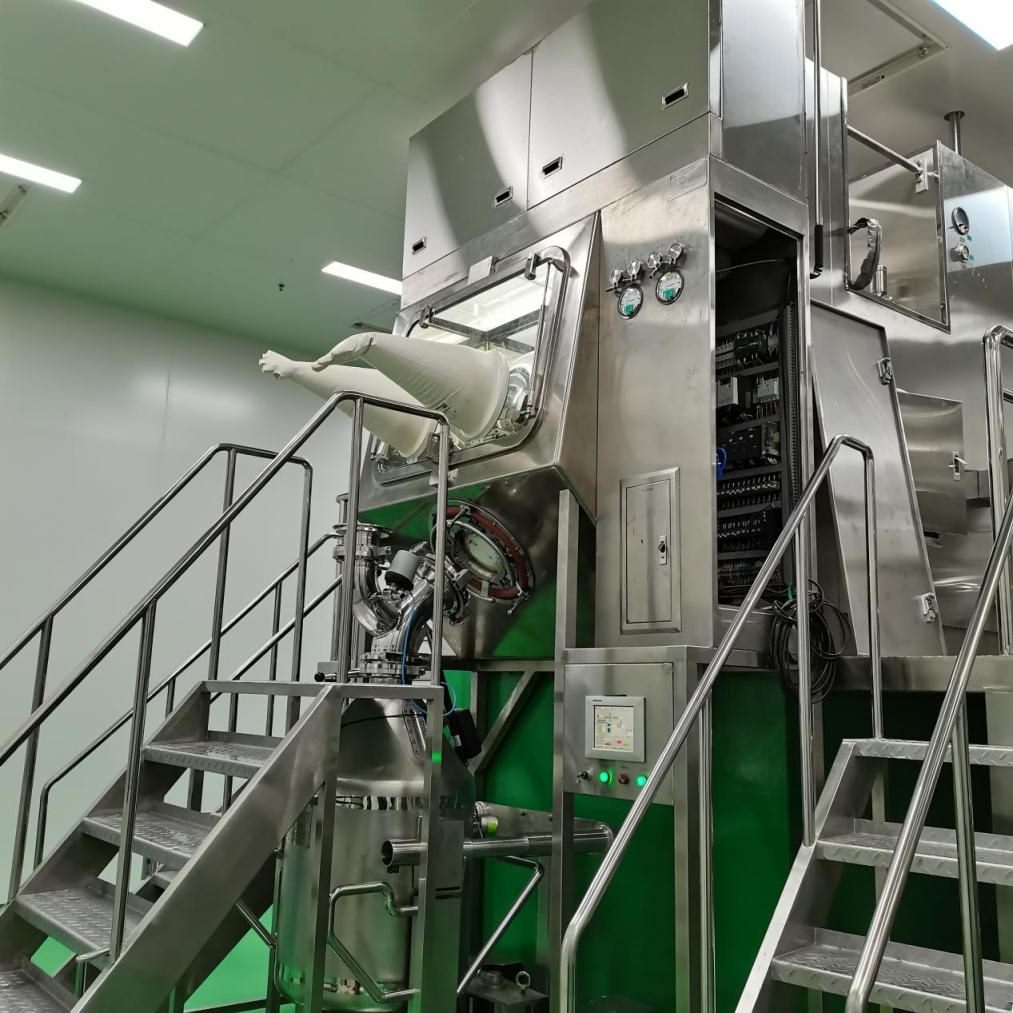 Dispensing & Containment Isolator (OEB5)Negative-pressure barrier for weighing, charging and sampling HPAPI.Isolators & Barrier
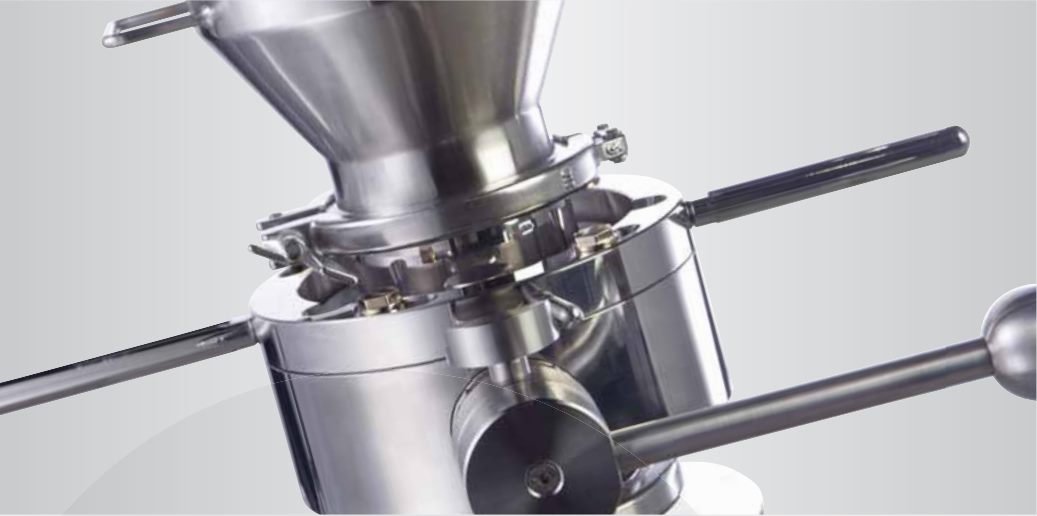 Alpha-Beta Split Butterfly ValveSplit butterfly valve for contained, dust-free transfer of potent powders.Transfer & Containment
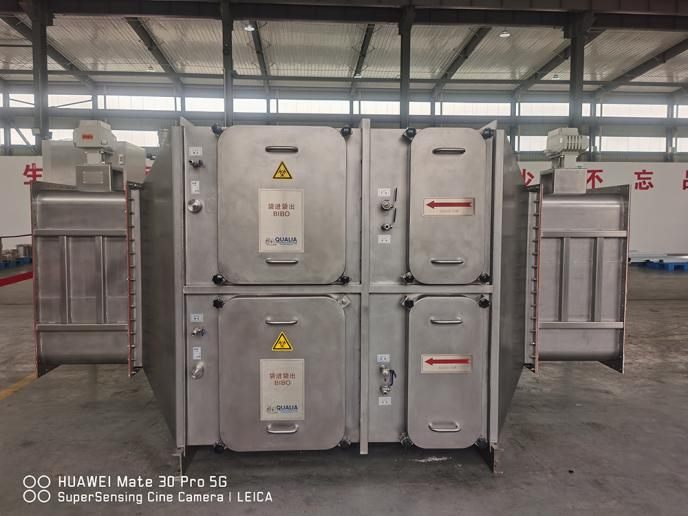 BIBO Filter HousingBag-in/bag-out HEPA housing for safe filter change in P3/P4 labs.Air Handling
Choosing a VHP generator?
Tell us the space, the sterilant you can source locally and your validation needs. Our engineers will recommend the right configuration.