






Пространства для дезинфекции персонала: «Деладж» против «Мист» для мощных соединений
Если существует разумный риск того, что работники и их одежда будут загрязнены во время выполнения работы, необходимо проводить дезинфекцию персонала — сокращая таким образом риск заражения при снятии ОРПП и предотвращая распространение загрязнений за пределы контролируемой зоны. Это касается как обычной работы, которая в значительной степени зависит от ОРПП и респираторной защиты (РРП), так и аномальных ситуаций, таких как нарушение целостности помещений или ликвидация последствий разлива. В этом руководстве сравниваются два основных типа душевых помещений для дезинфекции персонала и объясняется, почему душ с воздухом никогда не должен использоваться для обработки сильнодействующих веществ.
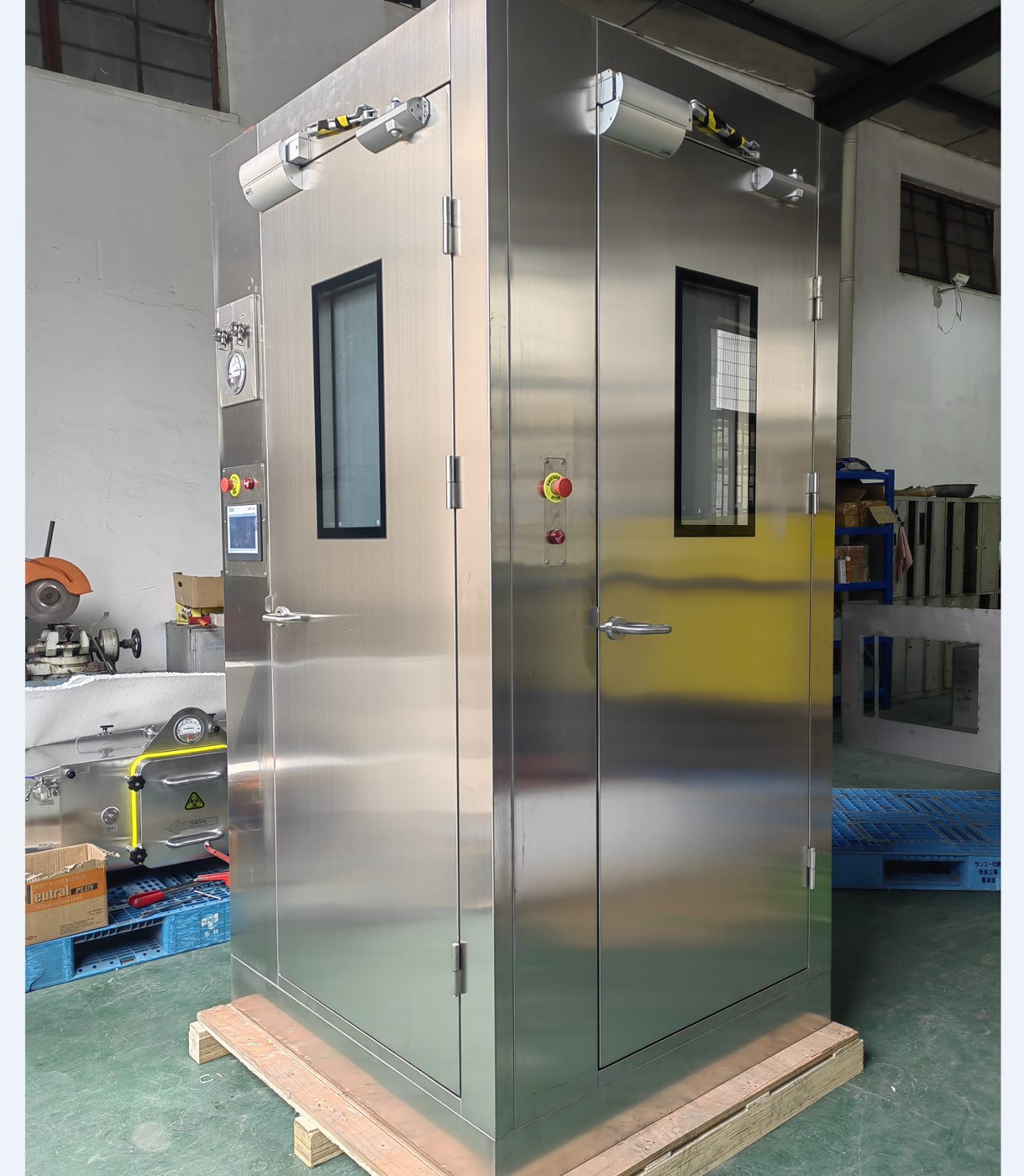
Системы дезинфекции персонала включают коммерческие душевые кабины для дезинфекции — либо стационарные установки (душ с потоком воды или душ с аэрозолями/брызгами), либо портативные устройства. Выбор подходящего варианта начинается с выбора подходящего для вас типа дезинфекции; если вы новичок в этой области, ознакомьтесь с ОБЭ и ОЭЛ: пояснения.
Почему использование воздушного душа является неправильным вариантом для применения мощных соединений
Для сильнодействующих веществ необходимо использование воздушного духа. нет использовать. В отличие от жидкости, движущийся воздух не может удалить все поверхностные загрязнения за счет поверхностного натяжения и не может фиксировать остатки на месте. Сухой остаток на поверхности может вновь попасть в воздух во время последующего снятия перчатки, что создает риск воздействия аэрозолей. Для сильнодействующих соединений внутри выхода из помещения должна быть предусмотрена система орошения/распыления, чтобы ни работник, ни прилегающая к нему официально чистая зона не подвергались воздействию этого вещества.
Оглушительный дождь / аварийный душ
Дробитная спринклерная система (также называемая аварийной спринклерной системой) — это классическая система химической безопасности. Направляемые на пользователя распылители подают большой объем воды, смывая загрязнения в соответствующую канализационную трубу. Цель — удалить или уменьшить концентрацию загрязнений до безопасного уровня, чтобы защитная одежда могла быть снята без дальнейшего контакта с окружающей средой. Эксплуатация и техническое обслуживание, включая периодическую очистку от загрязнений, должны соответствовать местным нормативным требованиям.
Важные моменты:
- Довольно зрелая и широко принятая технология — высокая надежность.
- Прочная конструкция с низким риском засорения насадки.
- Намокать одежду уменьшает количество пылевых аэрозолей, образующихся при снятии маски.
- Риск заражения Legionella, если не соблюдать и не дезинфицировать условия поставщика и требования законодательства.
- Руководящие насадки требуют от пользователя движения (подъема рук, поворота) так, чтобы все области одежды были вымыты.
- Производит большие объемы опасных сточных вод, которые могут нуждаться в специальной очистке.
- Влияние воды может создать загрязненный аэрозоль — для его удаления требуется вентиляция.
Мист / спрей-душ
Дим/распыляющий душ распространяет тонкий аэрозоль из капель, заполняющий всю кабину, увлажняя все поверхности, включая костюм владельца. Благодаря частичному растворению и/или поверхностному натяжению он связывает свободный порошок загрязнения с костюмом; затем загрязненные наружные элементы одежды можно снять и выбросить или загерметизировать в мешке для чистки. Многие модели имеют проем для пропуска воздуха, с двумя дверями и безопасным отверстием для удаления отходов. Ключевое отличие от системы «Дэджл» заключается в том, что цель нет для смывания загрязнений, но для предотвратить повторное аэрозолирование во время снятия маски — и для уменьшения распространения мощного вещества в воздухе на другие участки. Остаток аэрозоля и жидкая жидкость на поверхности салона могут содержать вещество, поэтому после каждого цикла его извлекают и собирают.
Важные моменты:
- Очень низкое потребление воды (около 20–1500 г на цикл) — можно работать без прямого водоснабжения, заполнив резервуар; обычно нет специального отвода воды, кроме очистки кабины.
- Неполярная пыльца обеспечивает более равномерное распределение средства — меньше “слепых мест”.
- Риск заражения Legionella в случае несоблюдения гигиенических процедур.
- Не дезинфицирует непосредственно — для этого требуется соблюдать определённые правила, чтобы предотвратить распространение аэрозолей.
- Отходы от очистки кабины вручную или автоматически должны собираться в качестве опасных отходов.
Fenggu обеспечивает поставку обоих типов — Душевая комната с туманом для отталкивания мощных соединений и Система принудительного душа уровня BSL-3 для выходов в случае биологической безопасности.
Какое именно вам нужно?
- Химия обработки высокомолекулярных порошков → мигающий/распыляющийся душ в выходе из клапана, чтобы предотвратить повторное аэрозолирование во время снятия маски.
- Эвакуация / ликвидация аварий → потоки воды для быстрого промывания и разбавления.
В любом случае, выходной клапан должен быть спроектирован с возможностью размещения кабины, легкомытной внутренней поверхности и вентиляции для удаления остаточного аэрозоля.
Сопутствующие товары
Душевая комната с туманомМист-душ для контроля за поступлением персонала подавляет мощный пыль на одежду.Персонал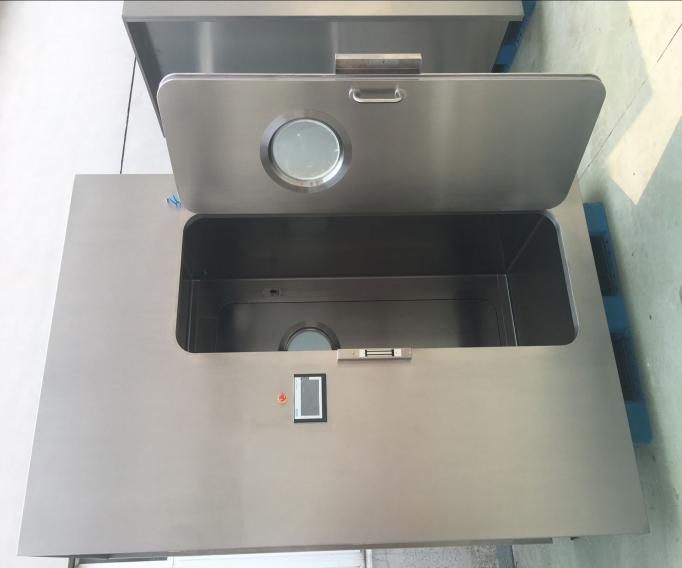 Душ для деконтаминации уровня BSL-3Душ для обеззараживания персонала с высоким уровнем защиты в помещениях BSL-3.Персонал
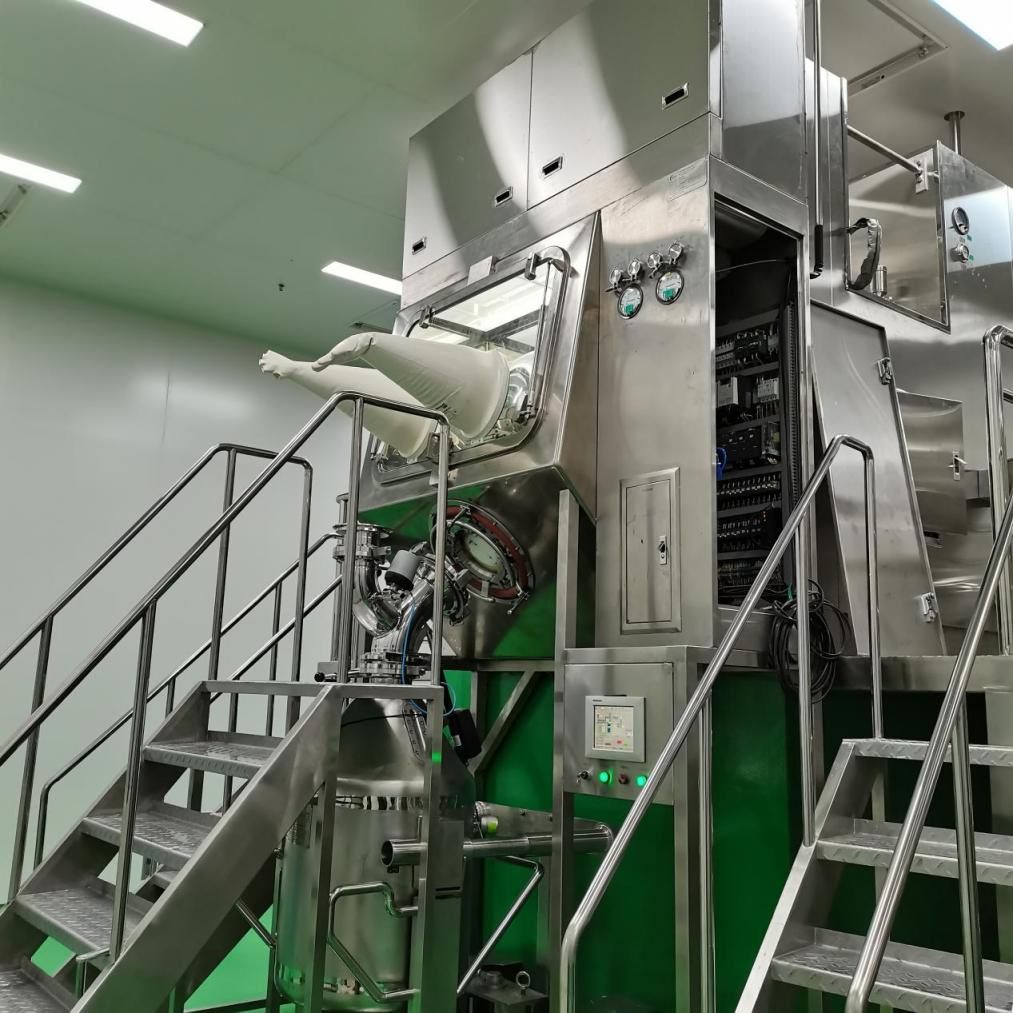 Изолятор для дозирования и удержания (OEB5)Барьер с отрицательным давлением для взвешивания, розлива и отбора проб высокоактивных фармацевтических ингредиентов (HPAPI).Изоляторы и барьеры
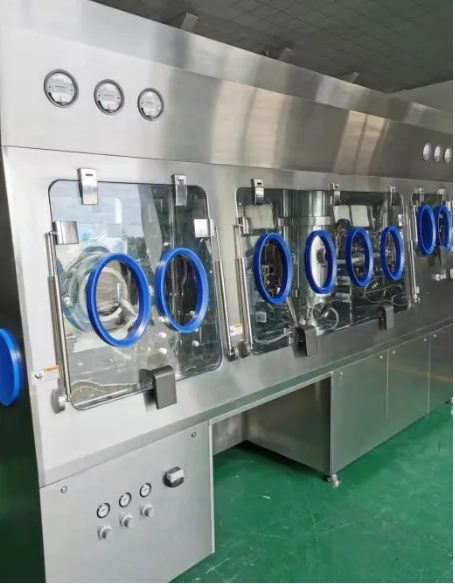 Изолятор с отрицательным давлениемЗащитная оболочка OEB5 с контролируемым отрицательным давлением.Изоляторы и барьеры
Установка выхода для обеззараживания персонала?
Расскажите нам о вашем комплексе, схеме установки клапанов и воздухоотведения, а наши инженеры порекомендуют тип душа, систему вентиляции и системы удаления отходов, соответствующие вашей стратегии содержания животных.
Вид на комнату для душ с мокрой водой
Поговорите с инженером