








Кабинет биобезопасности VHP: дезинфекция: замена фумигации формальдегидом
Before a filter change, repair, relocation or agent change, a biosafety cabinet has to be fully decontaminated inside and out — that isn’t optional, it’s the safety precondition for opening the cabinet. For decades this was done almost entirely with formaldehyde (paraformaldehyde) fumigation, but formaldehyde is carcinogenic, corrosive, leaves a residue that needs neutralizing, and the whole process is slow and cumbersome. More labs are now switching to biosafety cabinet VHP decontamination. This guide focuses on just that — why formaldehyde is being phased out, how VHP is set up on a single cabinet, and when it’s required.
Why formaldehyde fumigation is being phased out
Formaldehyde (usually generated by heating paraformaldehyde) was the standard for biosafety cabinet decontamination for decades, but its drawbacks are well known:
- Carcinogenic and corrosive. Formaldehyde is classified as harmful to human health, carries real exposure risk for the operator, and corrodes metal and some other materials;
- Residue needs neutralizing. After fumigation the residual formaldehyde has to be neutralized with ammonium bicarbonate or similar — a cumbersome step, and incomplete neutralization leaves an irritating odor;
- Slow. A full formaldehyde fumigation cycle often takes hours to overnight, keeping the cabinet out of service the whole time.
VHP (vaporized hydrogen peroxide) is better on nearly every point: low temperature, the only breakdown products are water and oxygen, no neutralization step, and a cycle typically completes in anywhere from tens of minutes to two or three hours — with a validatable 6-log kill confirmed by biological indicators. This is the core reason labs are moving from formaldehyde to VHP. For the underlying principle see Что такое дезактивация VHP.
How to VHP-decontaminate a single biosafety cabinet
Unlike whole-room space decontamination, biosafety cabinet decon targets one piece of equipment, and the process is more compact:
| Step | Деталь |
|---|---|
| Seal the sash opening | The cabinet’s front sash opening is fully sealed with tape or a purpose-built plate, so VHP cannot leak into the room. |
| Connect to cabinet ports | A mobile VHP generator connects via hose to the cabinet’s own intake/exhaust ports, delivering gas directly into the cabinet’s internal circulation — not filling the room. |
| In-place HEPA treatment | The cabinet’s HEPA filter doesn’t need to be removed — VHP gas penetrates the filter media directly, which is especially important for safety before a filter change. |
| Concentration and dwell | The cycle holds target concentration and contact time, typically confirmed with biological indicators to a ≥6-log kill. |
| Aeration and opening | After the cycle, aeration brings residual peroxide down to a safe level (commonly ≤1 ppm) before the seal is removed and work resumes. |
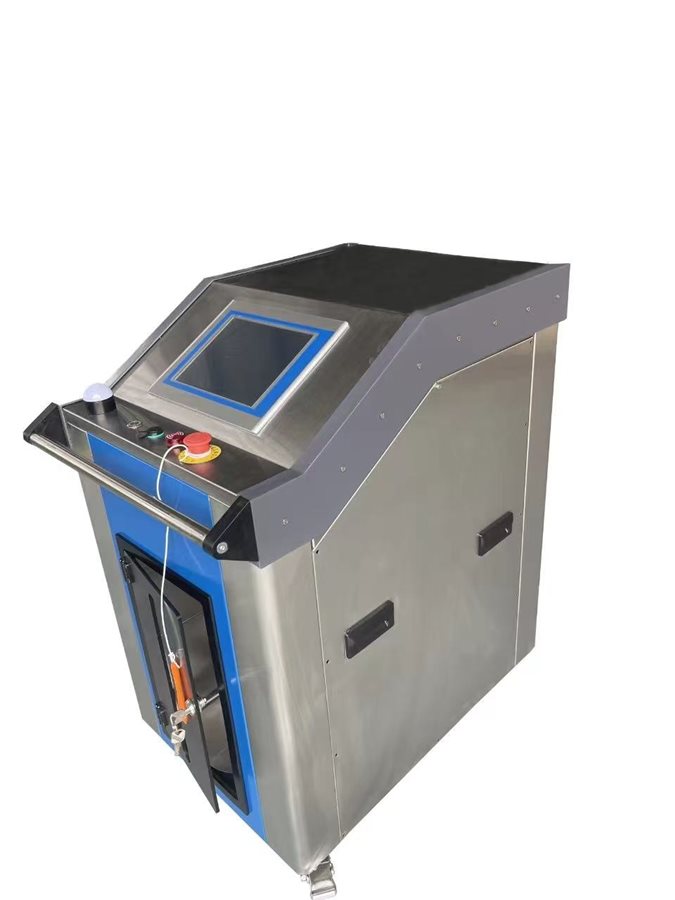
A рециркуляционный генератор VHP fits this workflow best — it pipes gas directly into the cabinet’s ports and circulates it, rather than passive diffusion. See Генератор VHP с рециркуляцией. Class II cabinet types (A1/A2/B1/B2) differ in exhaust configuration, so connection points should be confirmed against the specific cabinet model before starting.
When biosafety cabinet VHP decontamination is required
- Before a HEPA filter change — the filter has trapped hazardous particulate, and removing it without decon carries the highest risk;
- Before major repair or replacing key components — any maintenance that breaches the cabinet’s sealed structure needs decon first;
- Before relocating the cabinet — decontamination and certification are typically required before a cabinet leaves its original lab;
- Before changing the biological agent — to prevent residue from the previous agent interfering with the next study;
- Periodic certification requirements — some regulations or institutions require periodic decontamination validation for biosafety cabinets.
Часто задаваемые вопросы
Does the HEPA filter need to be removed for VHP decontamination?
No. VHP gas penetrates HEPA filter media directly for in-place decontamination — this is exactly why it’s safer than removing and wiping the filter.
How long does a cycle take?
Much faster than formaldehyde fumigation — typically tens of minutes to two or three hours for the full cycle including aeration, depending on cabinet volume and cycle parameters.
Can the cabinet be used right after decontamination?
Only once the aeration step has brought residual peroxide down to a safe level and the seal is removed; the exact wait time depends on cabinet model and ventilation.
Сопутствующие товары
Генератор VHP с рециркуляциейРециркуляционный VHP для деконтации внутренних помещений BSC, лиофилизаторов и ферментаторов.Стерилизация VHP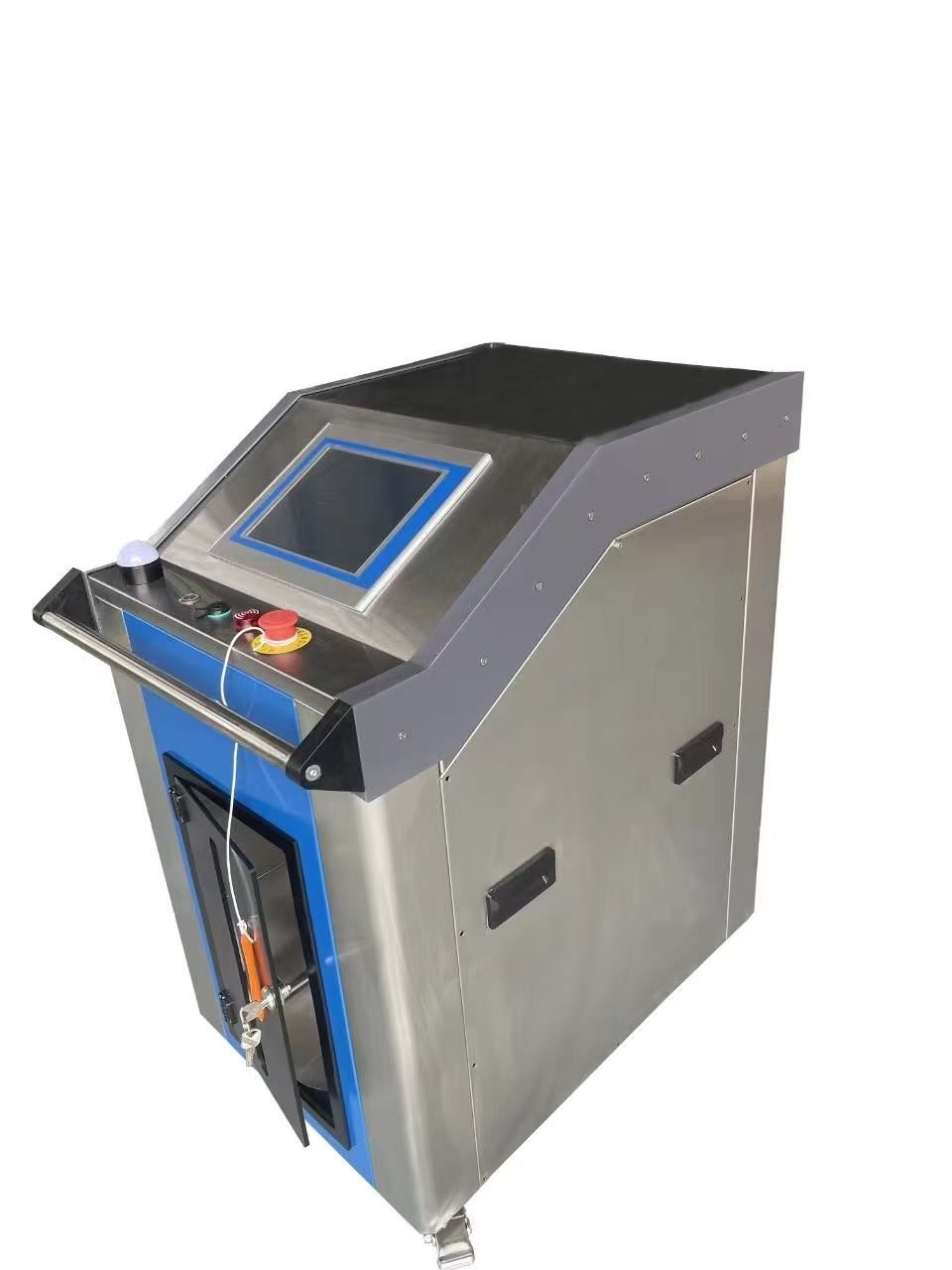 Генератор импульсного вакуумного высокочастотного плазменного стерилизатора (VHP)Циклический импульсный вакуумный поток приводит VHP в труднодоступные места внутри оборудования.Стерилизация VHP
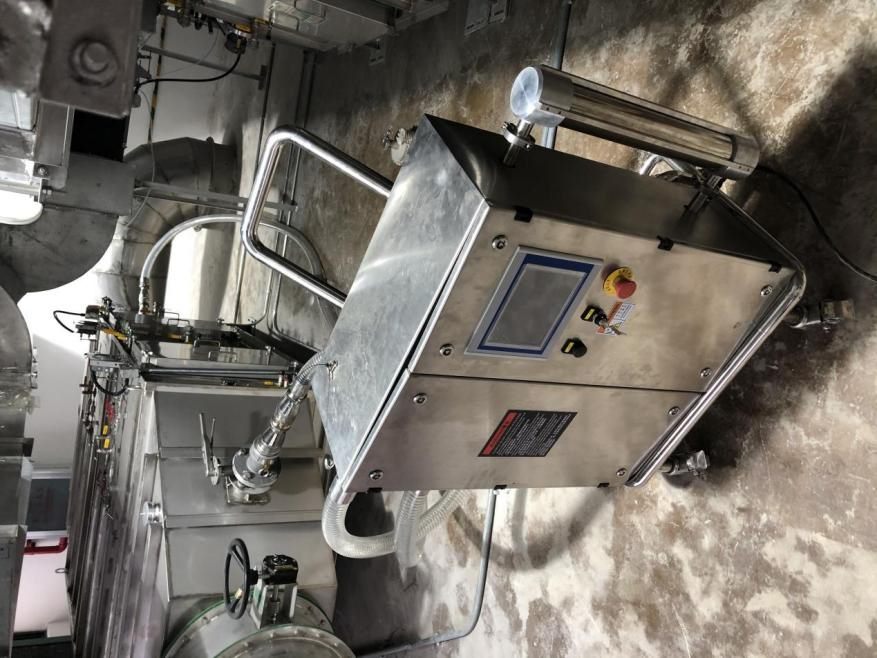 Стерилизатор VHP BIBOСпециализированное устройство для дезактивации корпусов фильтров BIBO.Стерилизация VHP
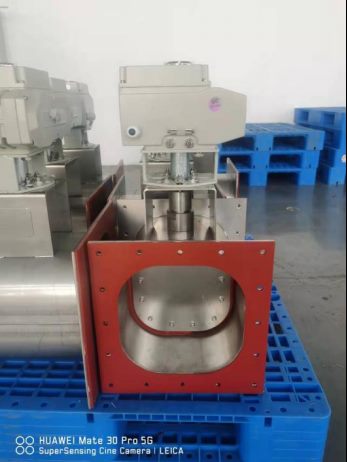 Изолирующий клапан для обеспечения биобезопасностиУплотнительная мембрана изолирует системы отопления и кондиционирования воздуха во время отключения и замены оборудования BIBO.Перемещение и локализация
Need to decontaminate a biosafety cabinet before filter change or relocation?
Tell us your cabinet model, the reason for decontamination and your timeline, and Fenggu will configure a targeted VHP decontamination approach — sealing, port connection, cycle and validation designed as one.