








Split Butterfly Valves Explained: How Contained Powder Transfer Works
A split butterfly valve (SBV) makes dust-free charging and discharge of powder possible while protecting operators and the environment from exposure to the product. It is particularly well suited to the contained transfer of medium- to high-potency substances, and to the demanding transfers common in pharmaceutical and API manufacturing. This guide explains how it works, its variants, and what to weigh up when selecting one.
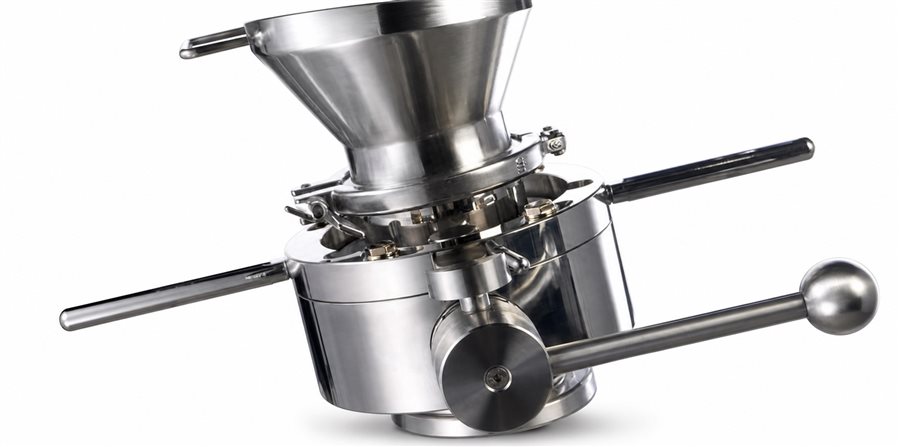
How a split butterfly valve works
The basic principle is that a single disc is made of two independent halves that are only connected — or docked — immediately before a charge or discharge. When the two halves are apart, each one seals its own side (the discharging container, the receiving container, or the downstream line), so the whole transfer stays contained.
An SBV is usually built from two parts, the active and the passive valve. The active valve carries the disc opening/closing and locking mechanism (manual or actuated), along with its own disc, seal and bearings. The passive valve is simpler — the docking and clamping components, plus a disc with its seals and bearings. To charge or empty at a filling or discharge station, the container fitted with the passive valve is connected to the station fitted with the active valve. Both are designed so that, when undocked, each forms an independent, sealed unit.
Variants and options
Depending on the manufacturer, SBV technology comes in different variants, from a horizontally-driven disc to tilted or inclined designs. Options include a purge that cleans between the discs before they separate. When handling potent sterile material, the space between the discs can be decontaminated with vaporised hydrogen peroxide (VHP) or another method. In practice, when transferring fine powder from an isolator through an SBV, a funnel is recommended — it helps protect the valve’s gasket and contact faces and so improves the containment performance.
Selection considerations
- Protects both product and operators; suits medium- to high-level containment.
- Can be connected to an automated cleaning system (CIP/WIP), and to either rigid containers or bags.
- Low operator-skill requirement — the valve interlock should make an incorrect docking of the active and passive parts impossible.
- High potential for automation.
- Containment performance is product-specific and reduces as the sealing faces wear — wear can eventually risk seal failure. Wear parts must be maintained and visually inspected on a schedule; preventive maintenance matters.
- Single-use split butterfly valves are available; the technology needs very precise manufacturing.
- On separation, the seal and the outer disc faces may be lightly contaminated (the “ring of concern”). Operator risk depends on the product and should be evaluated by risk assessment.
- For very low-OEL compounds, mount the SBV inside an isolator or other secondary containment.
- Consider the pressures under different operating states — disconnected, connected-closed, connected-open.
The SBV is one of several docking methods into a barrier; for sterile transfer into isolators, compare the rapid transfer port (RTP), and see the Fenggu Alpha-Beta Split Butterfly Valve. Where it feeds a reactor, see Contained Reactor Charging; match the containment level to the compound’s OEB band.
Related Products
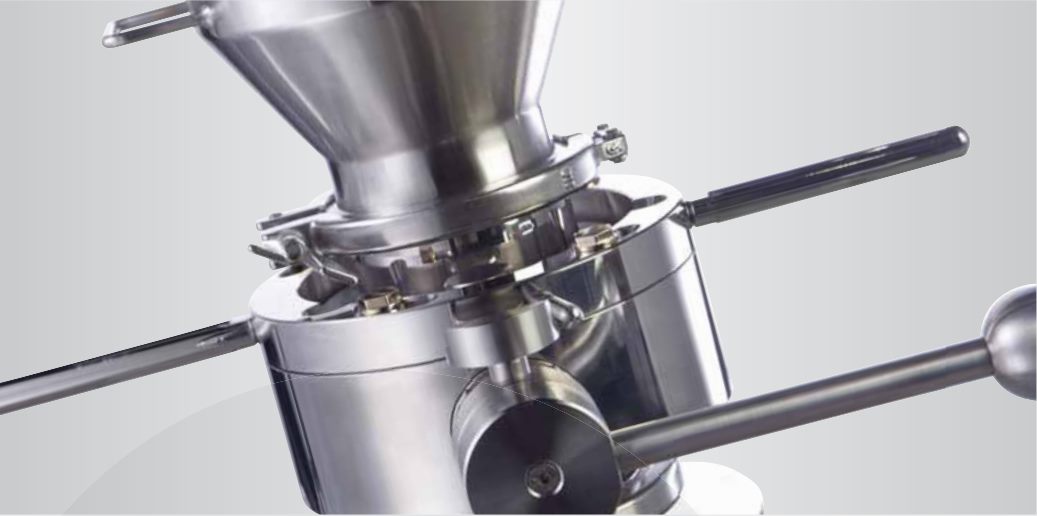 Alpha-Beta Split Butterfly ValveSplit butterfly valve for contained, dust-free transfer of potent powders.Transfer & Containment
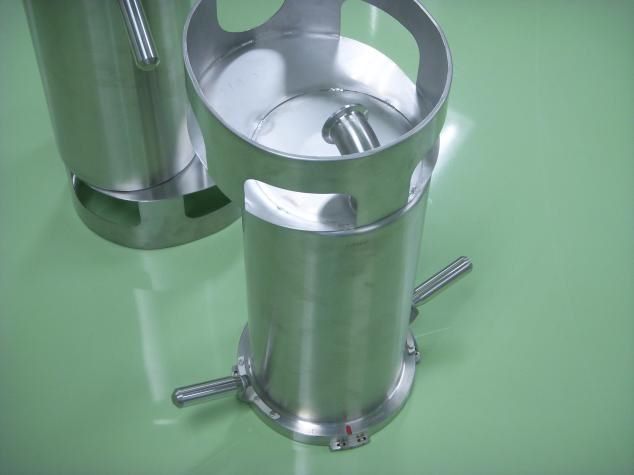 RTP — Rapid Transfer PortRapid transfer port for sterile, contained transfer into isolators.Transfer & Containment
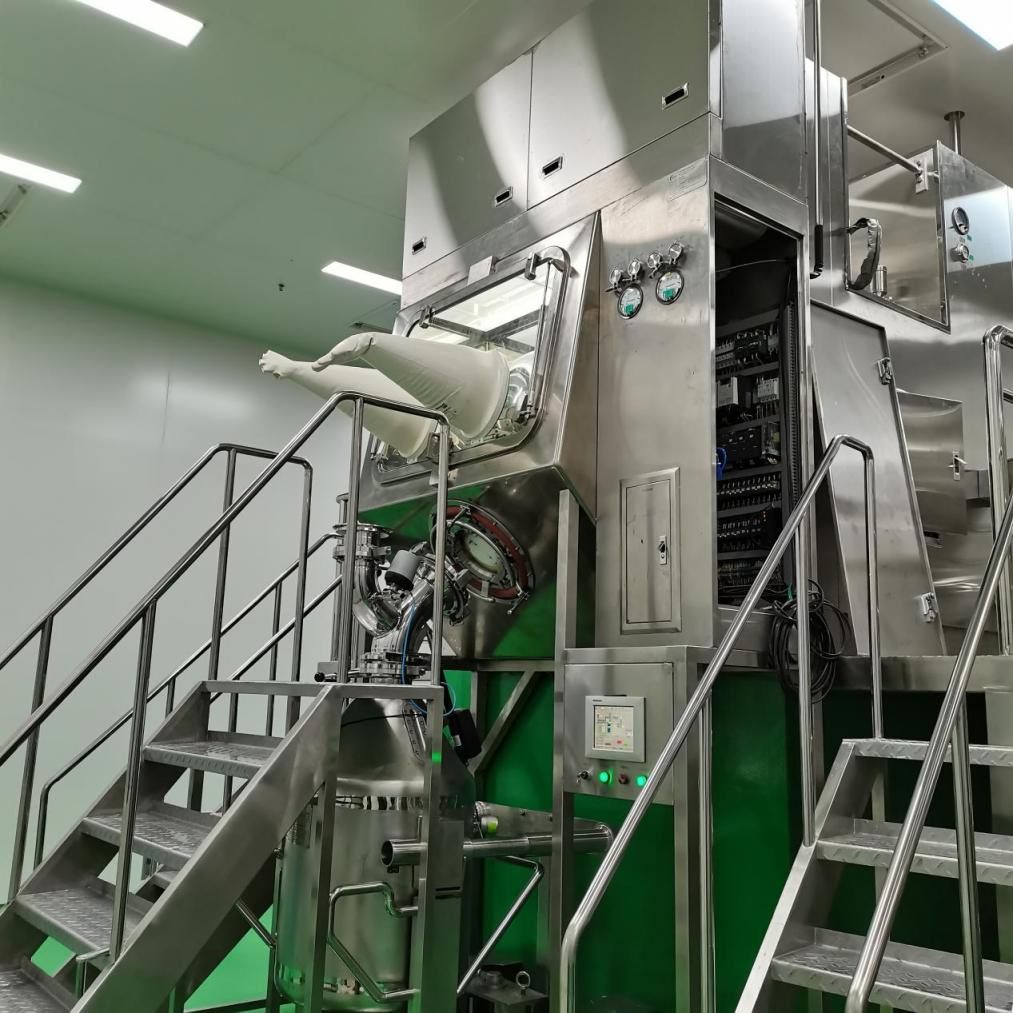 Dispensing & Containment Isolator (OEB5)Negative-pressure barrier for weighing, charging and sampling HPAPI.Isolators & Barrier
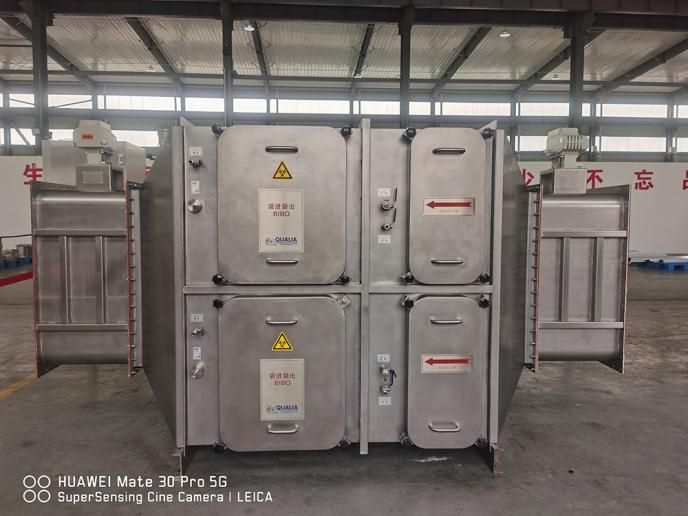 BIBO Filter HousingBag-in/bag-out HEPA housing for safe filter change in P3/P4 labs.Air Handling
Specifying a contained powder transfer?
Tell us your compound’s OEB band, container format and throughput, and our engineers will recommend the split butterfly valve — and any isolator or secondary containment — that fits.