








Rigid Isolators for Primary Containment: Design & Selection
A rigid isolator — also called a hard-wall isolator, a stainless-steel isolator, a glovebox or a containment glovebox — is the workhorse primary containment barrier for handling potent compounds. It physically separates the operator from a hazardous or high-potency active ingredient. This guide covers how a rigid isolator works, when to run it at negative or positive pressure, and the design details that decide whether it actually contains.
What is a rigid isolator?
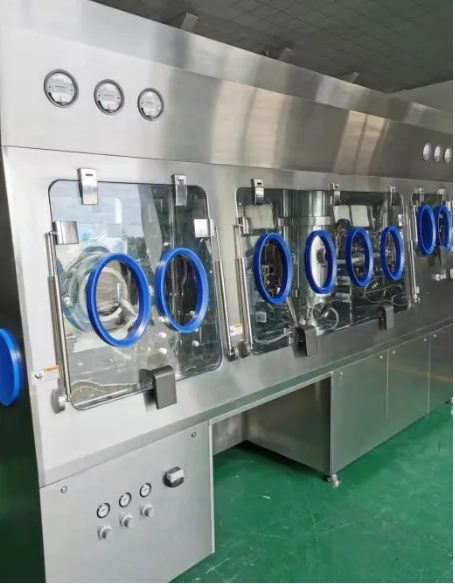
The isolator — historically a “glovebox” — was first developed to handle radioactive materials in the military and nuclear industries, and over time was adapted for pharmaceutical use to handle substances hazardous to operators and the environment. A rigid (hard-wall) isolator typically has a stainless-steel chamber with acrylic viewing windows. Through its sealed, contained design it serves a wide range of pharmaceutical operations — from simple small-scale sampling to complex processes such as tableting. The operator is kept away from the potent compound by a physical barrier, working through integrated gloves. A rigid isolator normally includes a sealable enclosure, a HEPA-filtered inlet and outlet airflow design, and glove-port windows for handling and transferring material; for ergonomics, some designs incorporate a half-suit for easier reach.
Negative pressure for containment, positive pressure for the product
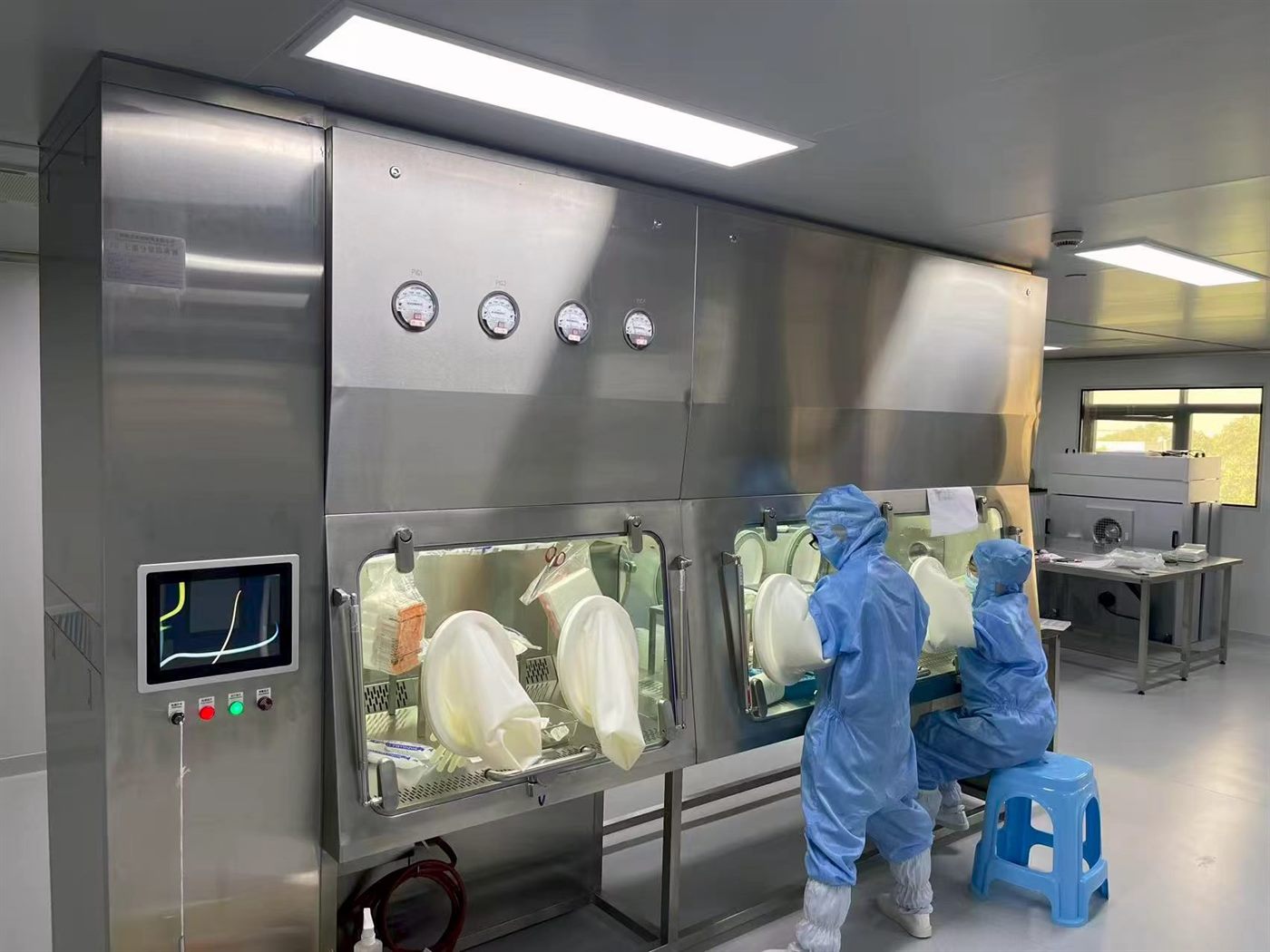
Isolators are custom-engineered to the process. A изолятор для содержания в карантине is usually held at negative pressure relative to the room — fans regulate the internal negative pressure, which is monitored throughout the operation. Negative pressure ensures that if the physical barrier is breached, the potent substance is drawn inward rather than escaping into the environment. If the goal is instead to protect the продукт, an асептический изолятор runs at positive pressure to keep environmental microbes out. For the aseptic handling of a potent substance you must protect both product and operator, so a risk analysis decides whether the isolator runs positive or negative — see Изолятор с положительным и отрицательным давлением.
Design considerations
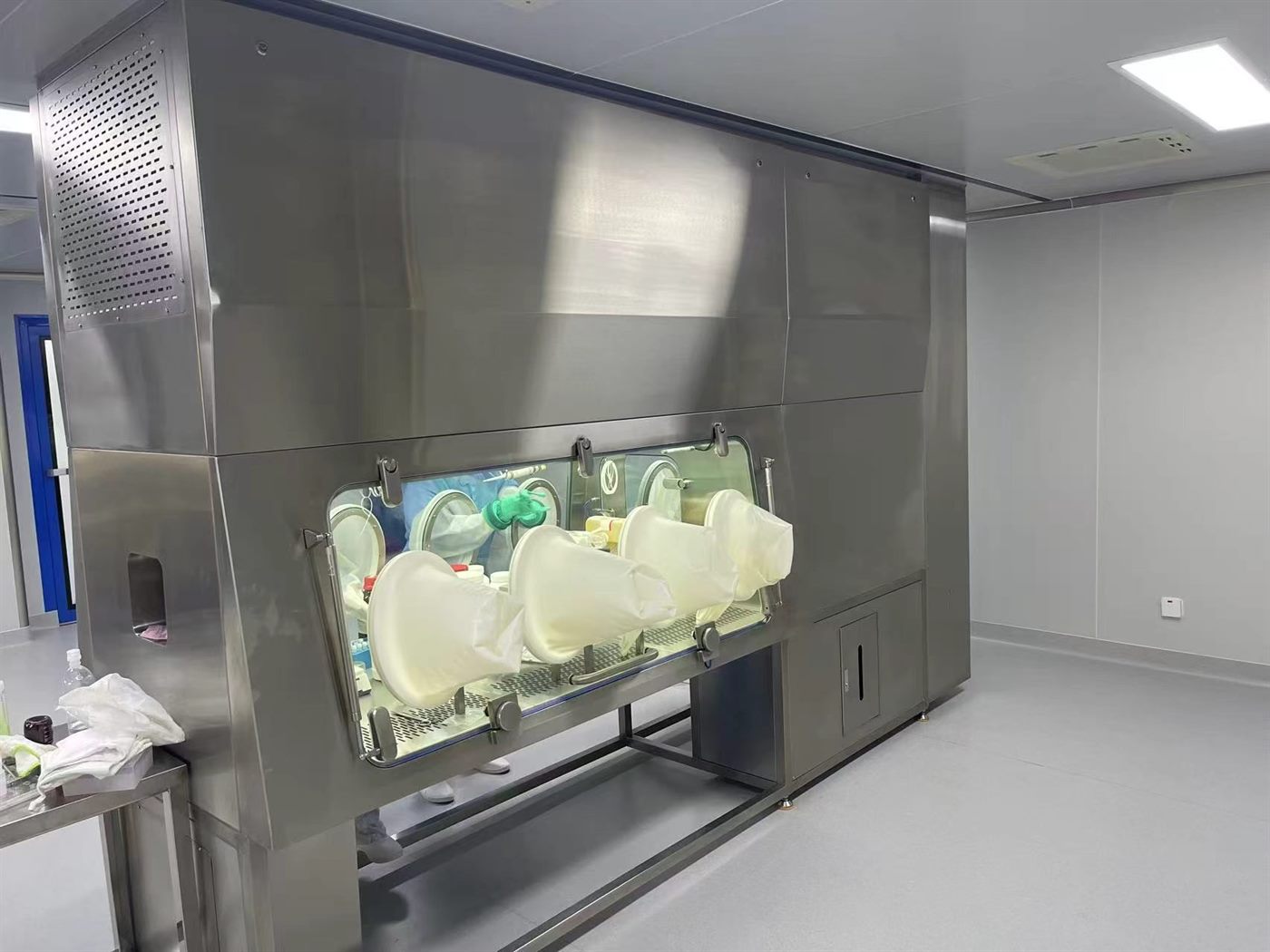
For a specific process, the isolator should be as small as possible — this limits how far the product can spread, reduces contamination risk, and makes the enclosure easier to clean and decontaminate. Beyond size, when a rigid isolator is custom-designed around other equipment:
- Put contact parts inside, non-contact parts outside. Equipment that touches the active substance (feed ports, discharge ports) goes inside the isolator; parts that don’t (control panels, motors) stay outside. Drive shafts and cables must pass through the wall in a sealed way — any leak at a penetration is a containment failure.
- Room interface. How does the isolator connect to the room — a rapid transfer port (РТП), a continuous liner, or an airlock?
- Internal accessibility. Can the operator reach every area that needs handling?
- Cleaning strategy, plus drying and aeration capability (cycle and time).
- Room layout — allow enough space to operate both inside and outside the isolator.
- Airflow in and out — avoid disturbing the room’s pressure balance.
- Maintainability — e.g. safe HEPA filter change (bag-in/bag-out); see the Корпус фильтра BIBO.
- Operability, ideally proven with a mock-up test.
- IT / controls — whether it must integrate with the plant’s overall control system.
The process equipment usually has to be adapted or modified for a sealed connection to the isolator, and the containment level should follow the compound’s Группа OEB.
Design the isolator into the building — early
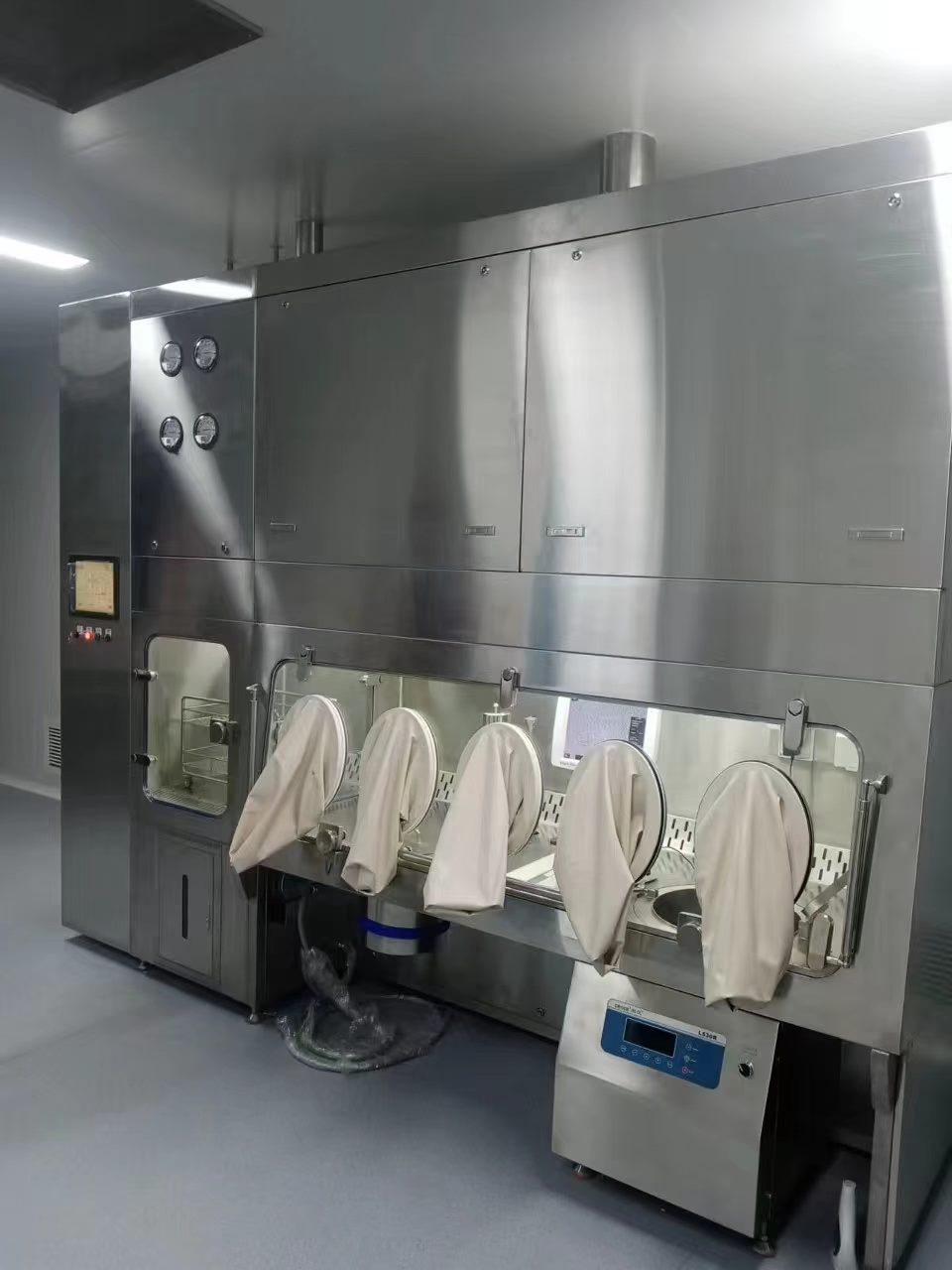
A rigid isolator must be considered at the very start of facility design, because it needs adequate room layout and the right supporting utilities. Retrofitting a hard-wall containment isolator into a finished room is far harder than planning for it up front. For a broader selection walk-through, see Как выбрать фармацевтический изолятор.
Сопутствующие товары
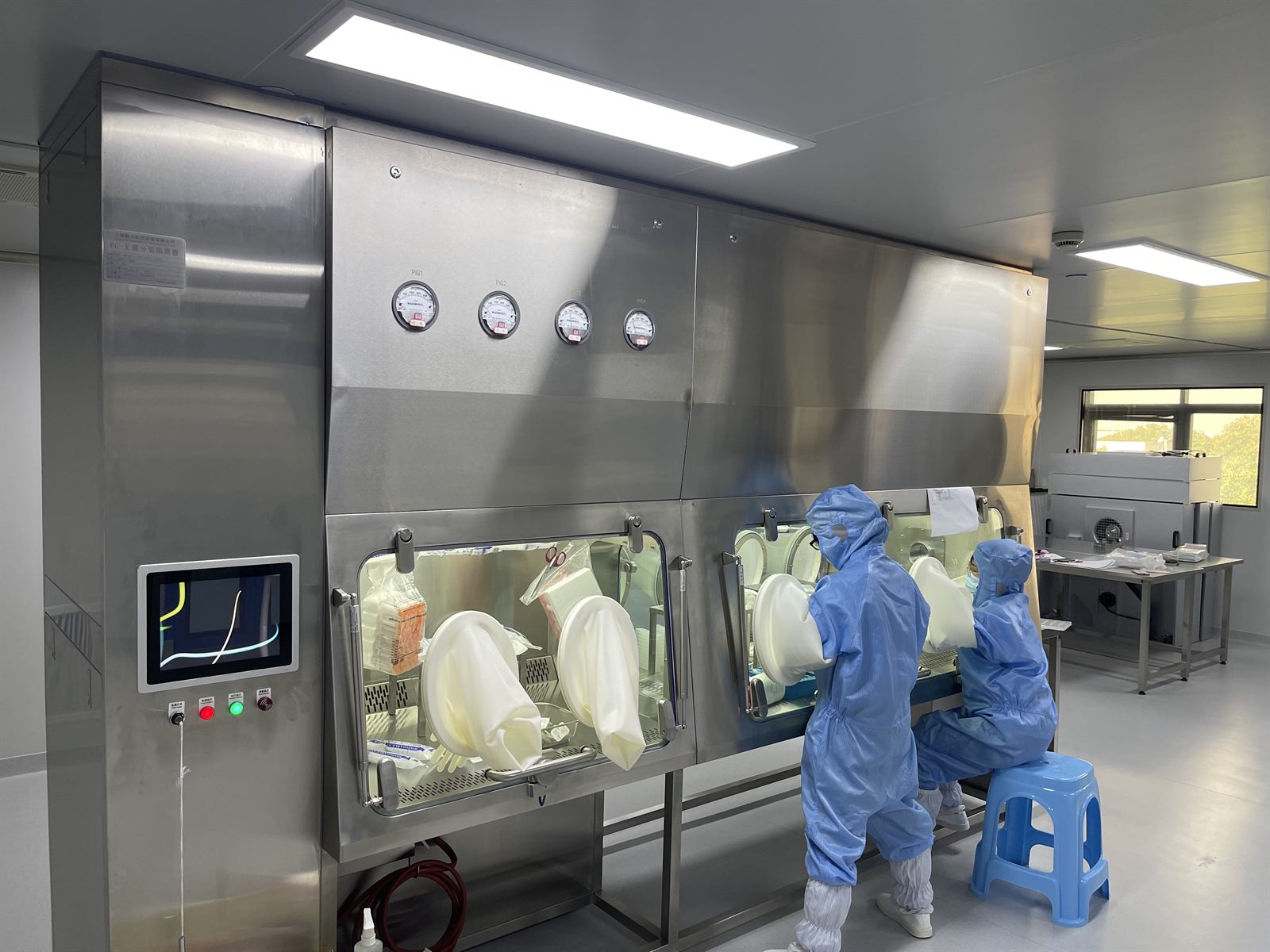 Изолятор для асептического розливаБарьер класса А (ISO 5) для стерильной заполнения, закрывания и закручивания.Изоляторы и барьеры
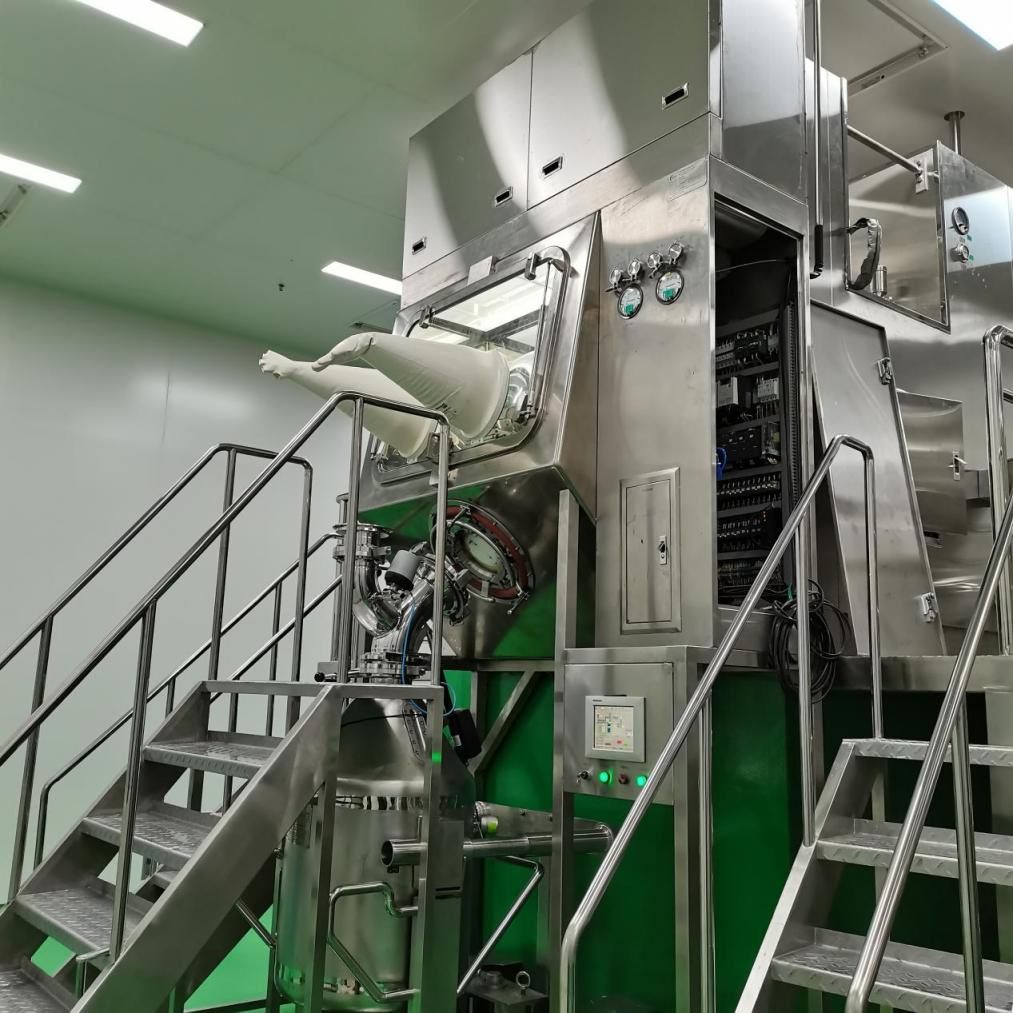 Изолятор для дозирования и удержания (OEB5)Барьер с отрицательным давлением для взвешивания, розлива и отбора проб высокоактивных фармацевтических ингредиентов (HPAPI).Изоляторы и барьеры
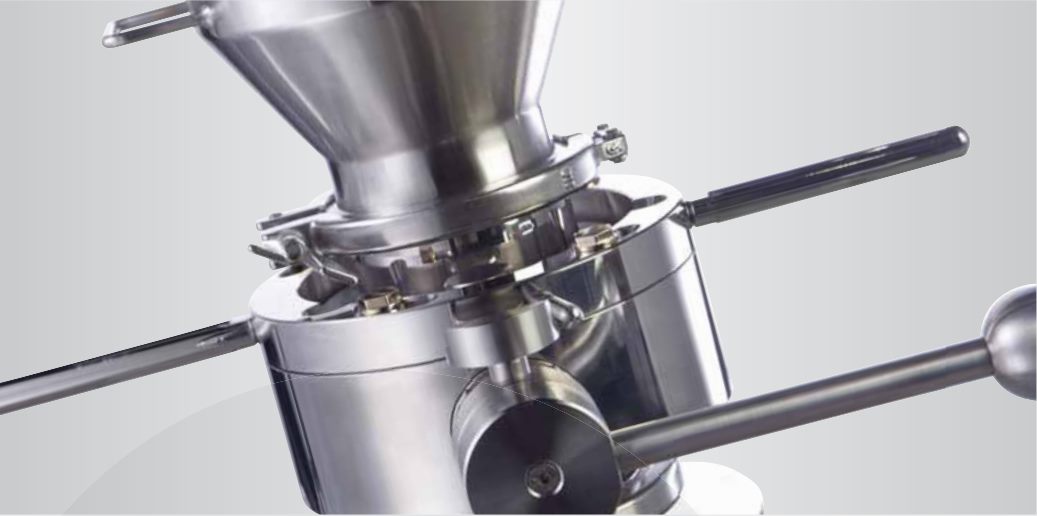 Двухпозиционный клапан типа «бабочка» с альфа-бета-разделениемРазделительный клапан для безопасного и без пыли перекачки мощных порошков.Перемещение и локализация
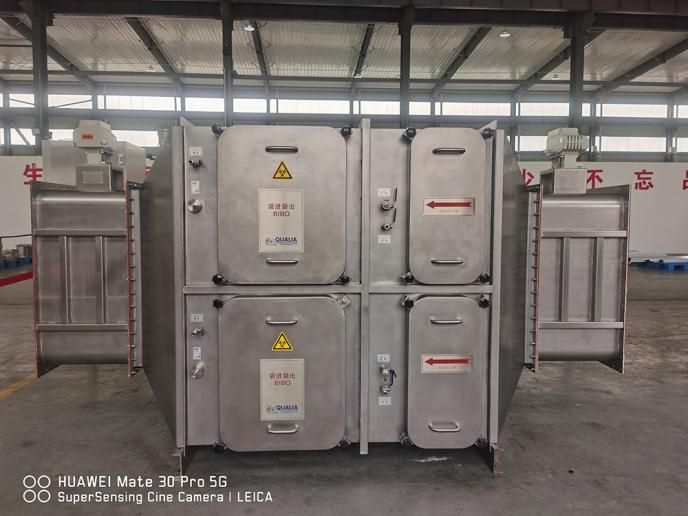 Корпус фильтра BIBOКорпус для фильтрации HEPA для переноса фильтрации из одной упаковки в другую в лабораториях P3/P4.Вентиляционная система
Designing a rigid containment isolator?
Tell us your compound’s OEB band, the process equipment to enclose and your room layout, and our engineers will design a stainless-steel containment isolator around it — pressure regime, transfers and HEPA change included.
Просмотреть изоляторы для помещений с ограниченным доступом
Поговорите с инженером