








What Is an HPAPI? Highly Potent Active Pharmaceutical Ingredients Explained
A highly potent active pharmaceutical ingredient (HPAPI) — also called a high-potency API, a potent compound, or a potent active substance — is a drug substance that produces a biological effect, or a health hazard, at a very low dose. Because a tiny, invisible amount can harm an operator, handling HPAPIs safely depends on the right containment equipment. This guide explains what makes an API “highly potent”, where the 10 µg/m³ line sits, and how potent compounds are contained in practice.
What makes an API “highly potent”?
There is no single number that defines an HPAPI, but the EMA describes a highly potent (or high-hazard) active substance as one with one or more of the following characteristics:
- Genotoxic / mutagenic, or a likely human carcinogen — for example DNA-alkylating cytotoxic (cytostatic) agents.
- Reproductive or developmental toxicity at low dose — evidence of effects at a clinical dose below 10 mg/day (roughly 0.02 mg/kg in animals), or at ≤1 mg/kg/day in animal studies.
- Serious target-organ toxicity or other severe effects at low dose — at similar thresholds.
- High pharmacological potency — a recommended daily dose below 1 mg.
- High sensitising potential.
Expressed as an occupational exposure limit (OEL), a potent active substance typically has an 8-hour time-weighted-average limit of 10 µg/m³ or lower — which places it in the highest bands of the occupational exposure banding system, usually OEB 4 and OEB 5.
How small is 10 µg/m³?
A concentration of 10 µg/m³ cannot be seen with the naked eye. To picture it: 1 g = 1,000 mg = 1,000,000 µg. Ten micrograms per cubic metre is roughly the particle concentration you would get by scattering about twenty 5-gram sachets of coffee sugar throughout a stadium the size of the Bird’s Nest. In other words, with a high-potency drug substance, even a trace, unseen exposure can cause serious harm — which is exactly why potent-compound handling must never be taken lightly.
Why containment matters
In sterile and potent-compound manufacturing, people are the largest source of both contamination and exposure. There are documented occupational cases where operators handling potent active ingredients — hormones, prostaglandins, peptide agonists, cytotoxics — without adequate engineering controls went on to develop serious health effects. The risk is easiest to overlook in drug development, where a compound’s toxicity and potency are often unknown or poorly characterised, and where the “right” level of protection is not obvious. When the data is thin, the conservative approach is to treat the material as potent until proven otherwise.
HPAPI and OEB: managing what you can’t yet quantify
Often there is not enough toxicological data to set a firm OEL. In that case the compound is assigned to a hazard category — an occupational exposure band (OEB) — and the conservative (high-potency) end of that band drives the containment target. For the full relationship between OEL, OEB and equipment selection, see OEB and OEL Explained.
Containing HPAPIs in practice
Controlling a high-potency API is an engineering problem. The core controls are:
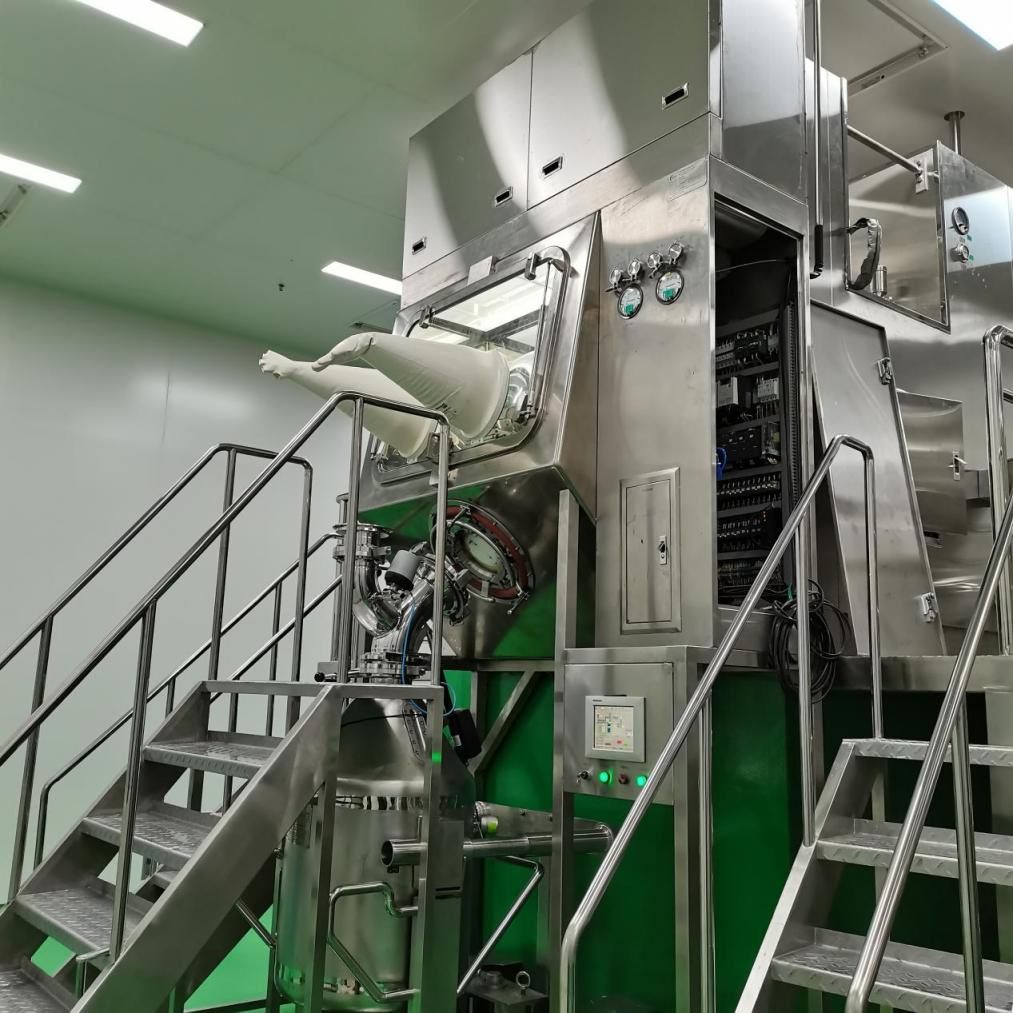
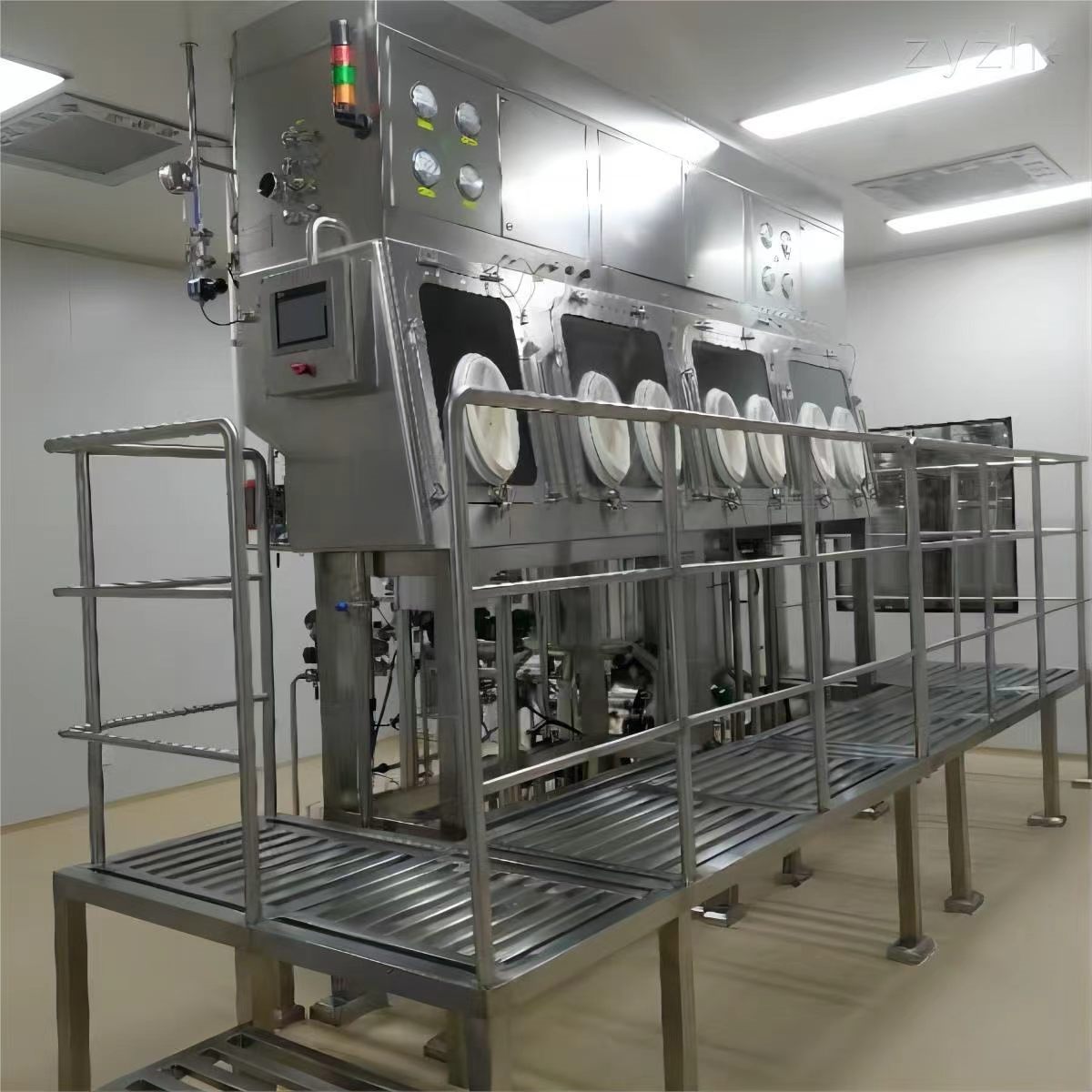
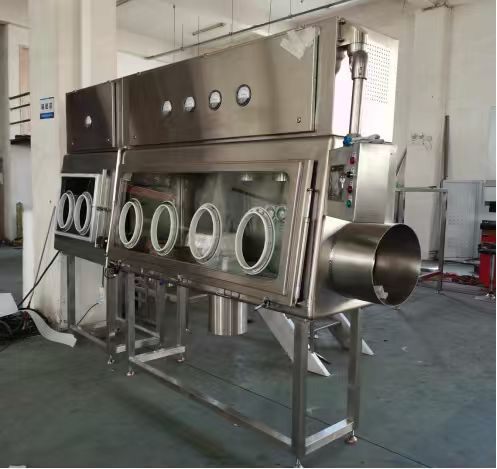
- Containment isolators — a negative-pressure isolator (high-containment glovebox) keeps potent dust inside; see the Dispensing & Containment Isolator (OEB5) and the Negative Pressure Isolator.
- Closed powder transfer — an alpha-beta split butterfly valve (SBV) or a rapid transfer port (RTP) moves potent powder between containers without exposure.
- Contained weighing & dispensing — a downflow weighing & dispensing booth or a dispensing isolator for the first, highest-exposure step.
- Personnel decontamination — a mist shower at the exit airlock to suppress potent dust on garments.
Match the level of these controls to the compound’s OEB band, and prove the result — potent-compound containment performance is typically demonstrated by SMEPAC-based surrogate testing.
FAQ
Is every cytotoxic drug an HPAPI?
Most cytotoxic (cytostatic) agents are treated as highly potent because their genotoxicity is intrinsic to how they work, but “HPAPI” is broader — it also covers potent hormones, sensitisers and other low-dose-active compounds.
What OEL makes something an HPAPI?
As a rule of thumb, an 8-hour TWA OEL of 10 µg/m³ or lower — i.e. OEB 4 or OEB 5.
Related Products
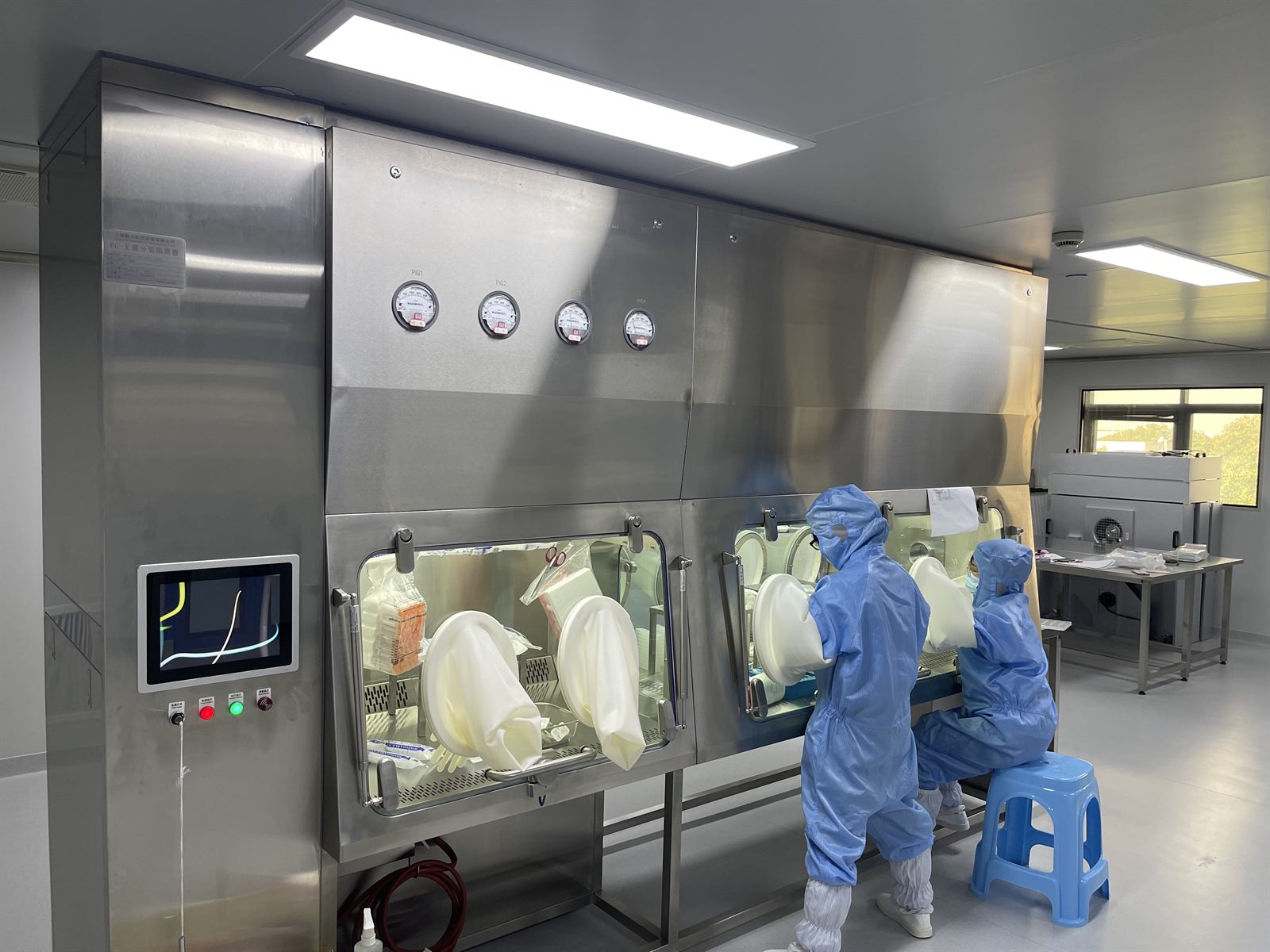 Aseptic Filling IsolatorGrade A (ISO 5) barrier for sterile filling, stoppering and capping.Isolators & BarrierDispensing & Containment Isolator (OEB5)Negative-pressure barrier for weighing, charging and sampling HPAPI.Isolators & Barrier
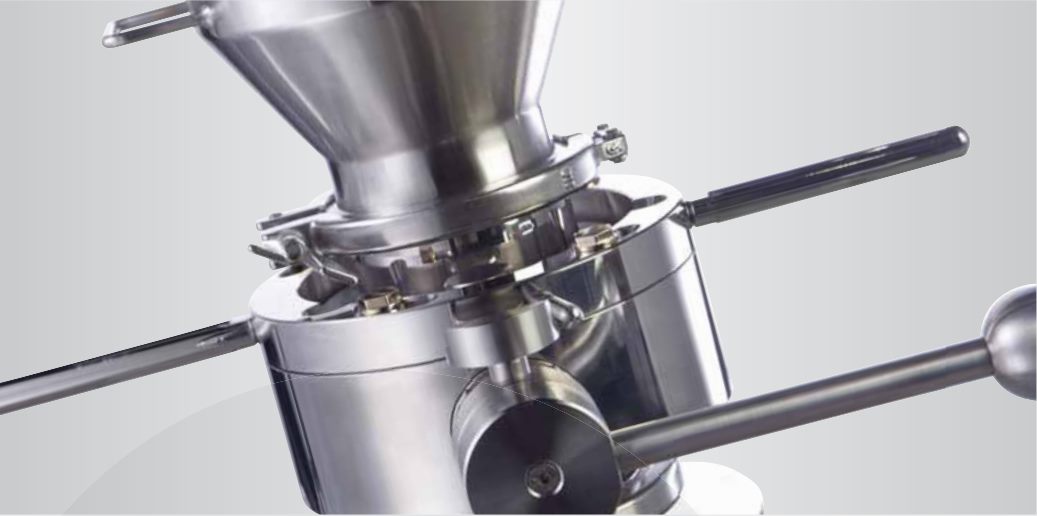 Alpha-Beta Split Butterfly ValveSplit butterfly valve for contained, dust-free transfer of potent powders.Transfer & Containment
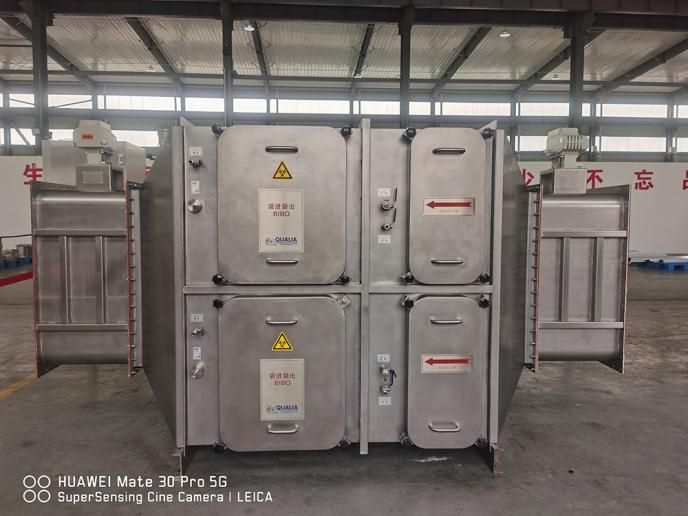 BIBO Filter HousingBag-in/bag-out HEPA housing for safe filter change in P3/P4 labs.Air Handling
Handling a high-potency compound?
Tell us your API’s OEB band and process steps, and our engineers will specify the containment isolator, split-valve transfers and personnel controls to keep exposure within limits.