








Закрываемые двери: система с надувным уплотнением против механической системы с компрессией
В помещениях с повышенным уровнем изоляции (лаборатории BSL-3/4, помещения для содержания животных (ABSL) и специализированные лаборатории для производства высокоактивных фармацевтических препаратов) обычное дверное отверстие является утечкой. Во время газовой дезинфекции или фумигации в помещении должно сохраняться определенное давление без значительных утечек, и эта задача возлагается на духрозионная (биозатворная) дверь. Существуют два основных типа технологии герметизации: надувное уплотнительное кольцо дверь и механическая компрессия Вентиляторы обеспечивают аналогичную герметичность разными способами — и правильный выбор обычно сводится к одному вопросу: у вас есть надежный компрессор воздуха?
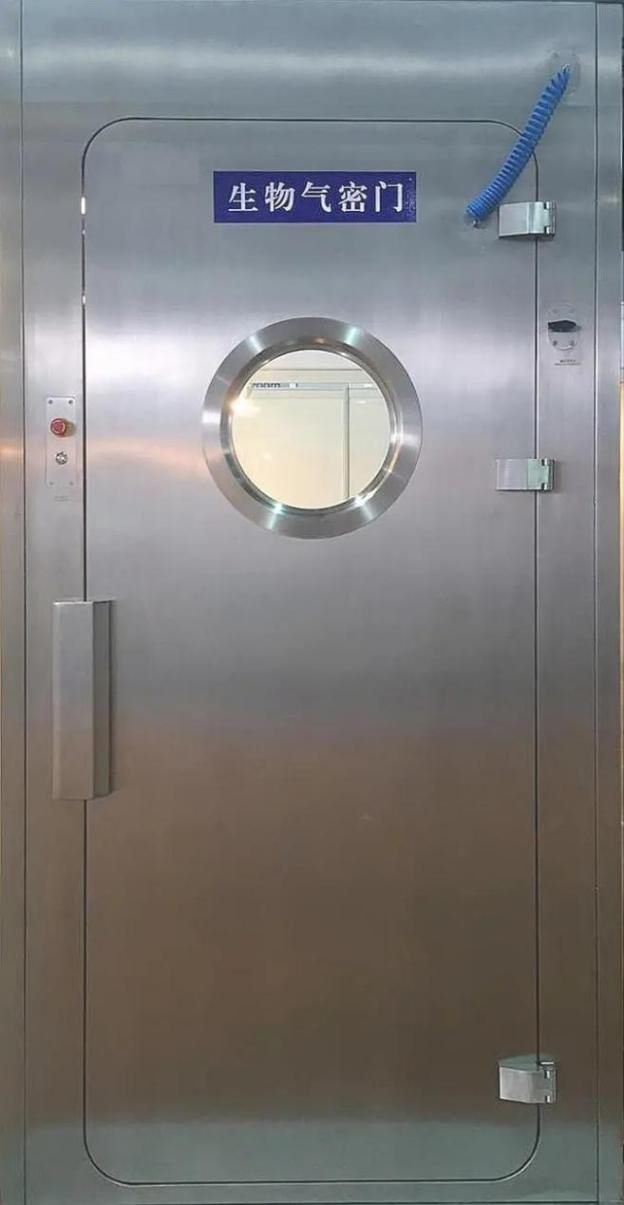
Почему важны герметичные двери
Компрессорные комнаты работают под контролируемым отрицательным давлением и периодически дезинфицируются газом, таким как парализованный водоробящий порошок или формальдегид. Если дверь протекает, давление в системе резко падает, и дезинфицирующее средство вытекает наружу. Поэтому герметичная дверь должна выполнять две важные функции: удерживать конструктивное давление без деформации и плотно закрывать все периферийные участки, чтобы утечка оставалась в пределах допустимых значений.
Надувная герметичная дверь
The надувная дверь с затвором В дверном проеме установлен уплотнитель, который при открывании двери остается в сложенном состоянии, а при закрывании натягивается на каркас — образуя непрерывную, плотную и герметичную полосу. Он обеспечивает чрезвычайно плотное сцепление (пропускная способность < 0,25% л/час при давлении +500 Па, структурная устойчивость ≥ 2500 Па) и герметизирует или выпускает воздух примерно за 5 секунд, при этом срок службы превышает 10 000 циклов. Взамен этого требуется надежное подача сжатого воздуха (давление при наполнении около 1,5 кг/см²) и электропитание.
Механично-компрессирующее герметичное дверное полотно
The механично-компрессирующее устройство двери изоляция путем физического прижимания листа к высокоплотному уплотнительному элементу — не требуется использование сжатого воздуха. Это делает его надежным в тех случаях, когда не может быть обеспечено наличие воздуха или электропитания, поэтому он широко используется для обеспечения изоляции животных и микробиологической безопасности на высоком уровне. Независимые испытания на износ давления показали минимальную скорость утечки 0,024% (при давлении от −1095 Па, которая снижается только до −974 Па в течение 20 минут) и прочность конструкции в размере −2500 Па в течение 10 минут без деформации.
На первый взгляд разница между раздувным и механическим оборудованием
| Фактор | Надувная пробка | Механическая компрессия |
|---|---|---|
| Метод герметизации | Надувная прокладка (сжатый воздух) | Механическая фиксация |
| Герметичность | < 0,25% л/ч при давлении +500 Па | ~0,024% (испытано, снижение давления) |
| Конструктивная прочность | ≥ 2500 Па | −2500 Па, без деформации |
| Требуется сжатый воздух | Да | Нет |
| Закрытие / освобождение | ~5 секунд, автоматический режим | При близком расстоянии (ручном или механическом управлении) |
| Лучше всего для | Охлаждение BSL-3/4 с подачей воздуха | Контроль воздуха и электроэнергии независимо друг от друга |
Как выбрать
- Выберите «надувное уплотнительное кольцо» когда имеется стабильное подача сжатого воздуха и требуется максимально жесткая и быстрая автоматическая фиксация — типично для помещений BSL-3/4 при регулярном цикле обработки фумигацией.
- Выберите механический компрессионный способ когда речь идет о независимости от воздуха и электропитания, или в помещениях (для содержания животных, в удаленных помещениях), где перебои в подаче электроэнергии не должны никоим образом влиять на условия содержания морских млекопитающих.
Не забывайте о трубах
Комната настолько же воздухонепроницаема, насколько воздухопроницаема её самая слабая точка — и это касается и системы климатического оборудования. Когда вы герметизируете комнату для дезинфекции, нужно герметизировать и воздуховоды подачи и вывода воздуха. изолирующий клапан для биобезопасности (изоляция EPDM высокой плотности с пузырьковым зазором) обеспечивает одинаковую изоляцию трубопроводов, поэтому весь корпус сохраняет давление в едином объеме.
Сопутствующие товары
Герметичная дверь с надувным уплотнителемНадувное уплотнительное кольцо для герметичных дверей в помещениях с процедурами обработки от вредителей BSL-3/4.Перемещение и локализация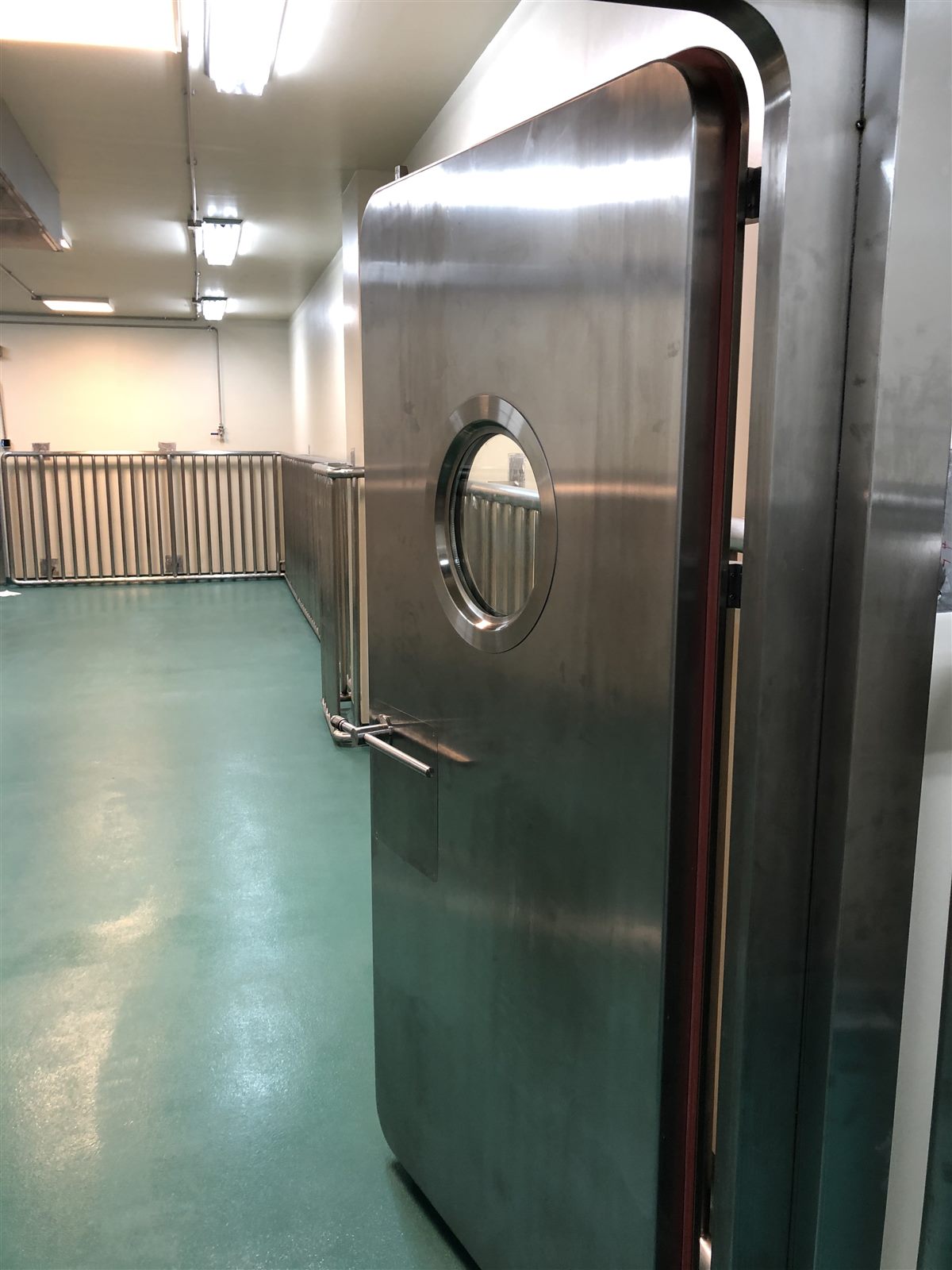 Герметичная дверь с механическим уплотнениемМеханически защелкнутая герметичная дверь для BSL-2 до BSL-4.Перемещение и локализация
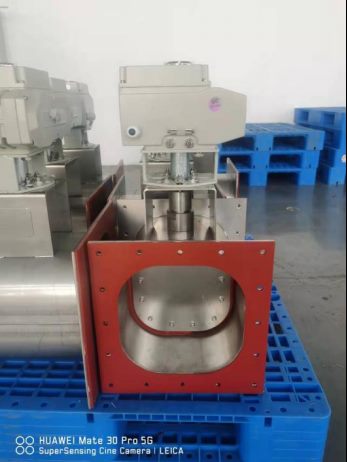 Изолирующий клапан для обеспечения биобезопасностиУплотнительная мембрана изолирует системы отопления и кондиционирования воздуха во время отключения и замены оборудования BIBO.Перемещение и локализация
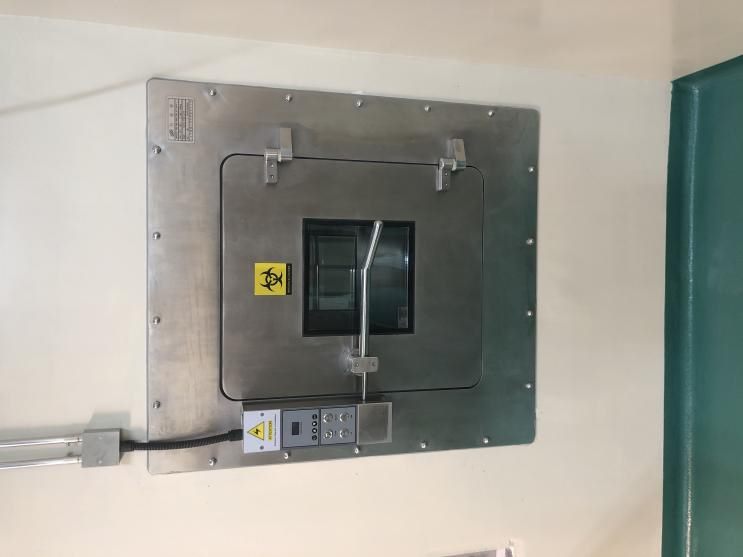 Передаточный шкаф для биобезопасностиМеханически герметичная камера для обеззараживания газа класса BSL-2/3/4.Перемещение и локализация
Используете воздухонепроницаемые двери для контейнерного отделения?
Пожалуйста, сообщите нам уровень безопасности, давление в помещении и наличие сжатого воздуха, и наши инженеры помогут подобрать подходящую технологию герметизации.